Fraction comparison Worksheets for Ages 4-6
10 filtered results
-
From - To
Introduce your young learners to the world of fractions with our engaging Fraction Comparison Worksheets designed specifically for ages 4-6. These worksheets provide a fun and interactive way for children to grasp essential math concepts through colorful visuals and hands-on activities. They'll develop a solid understanding of comparing fractional values, enhancing their critical thinking and problem-solving skills. Our user-friendly layouts encourage independent learning while catering to various learning styles. Encourage your child's math mastery and confidence as they explore fractions in a playful and educational environment. Discover the joy of learning with our comprehensive, ready-to-use worksheets today!
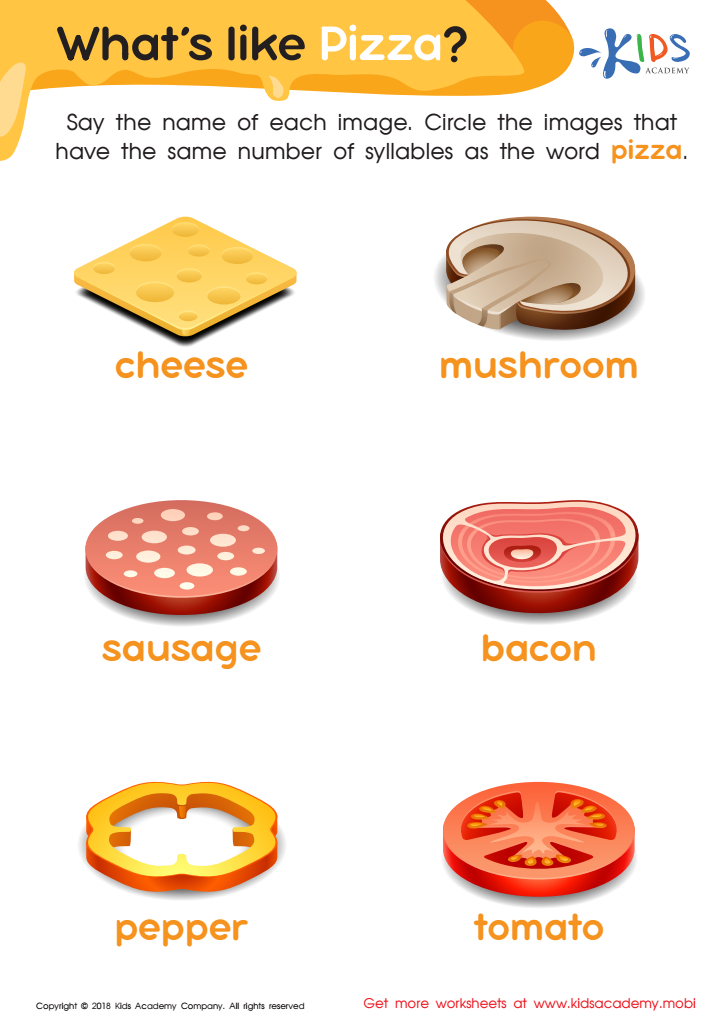
What's Like Pizza? Worksheet
 Assign to My Students
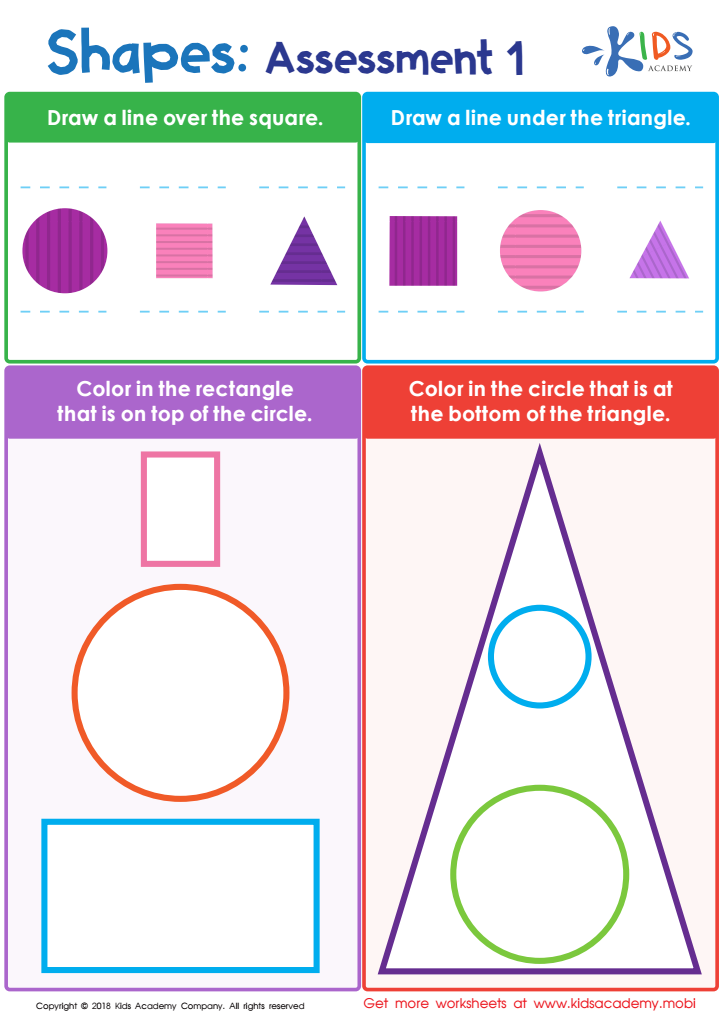
Shapes: Assessment 1 Worksheet
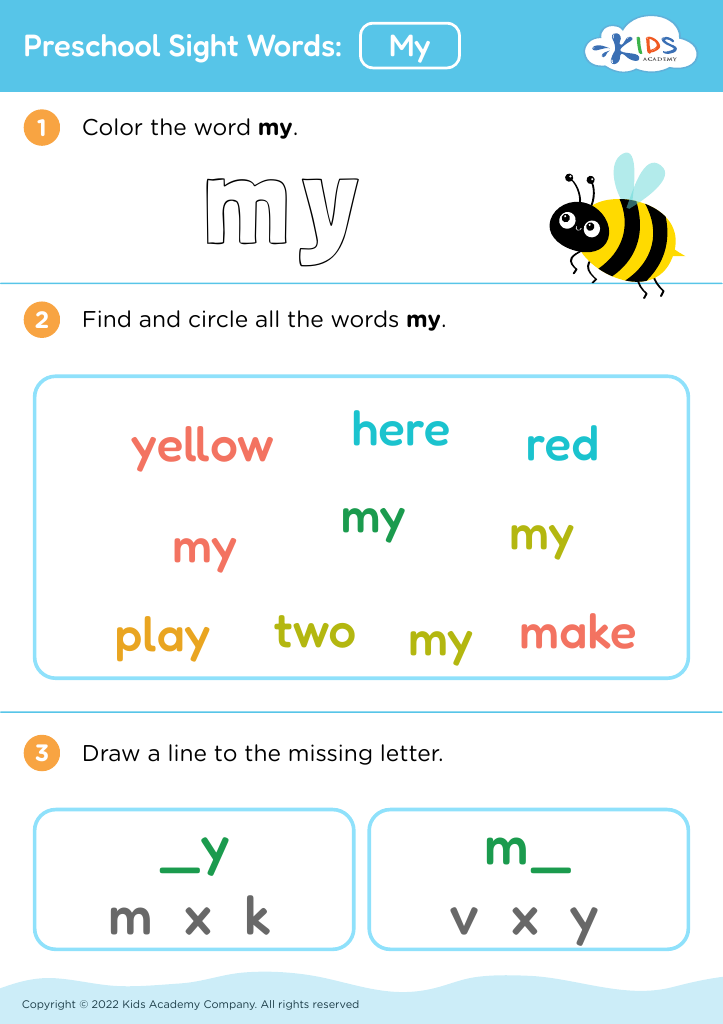
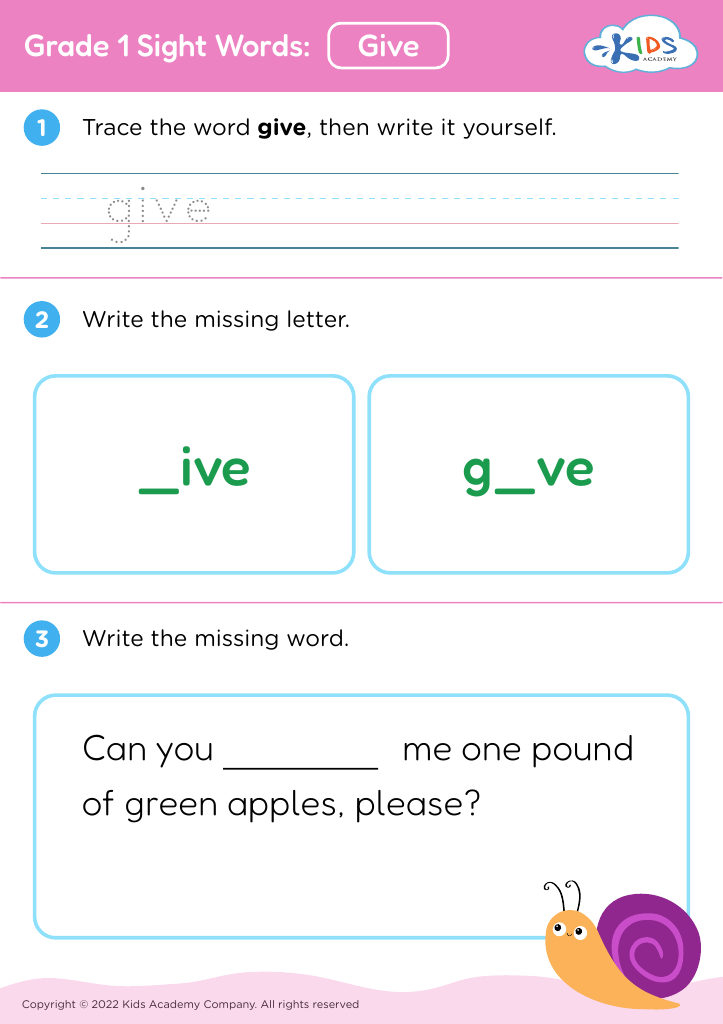







Understanding fraction comparison is crucial for children ages 4-6 as it lays the foundation for their future mathematical skills. At this early stage, children are naturally curious and eager to explore relationships between numbers. Teaching them about fractions helps develop their cognitive skills by introducing concepts of part-to-whole relationships and proportional reasoning, essential for more advanced math later on.
Engaging in fraction comparison activities can enhance critical thinking. For instance, comparing two pizzas, one with four slices and another with eight, prompts children to visualize how the sizes relate, nurturing their ability to make distinctions and apply reasoning. Moreover, these activities promote the use of measurement and spatial awareness.
In a broader context, understanding fractions employ practical life skills, such as cooking or sharing, providing real-world relevance to their learning. Parents and educators can harness these moments to encourage discussions around sharing tasks and balancing equal portions, making learning interactive and fun.
Ultimately, by supporting fraction comparison, caregivers are not just teaching math; they're building essential problem-solving skills, enhancing logical reasoning, and fostering a positive attitude toward mathematics in their children's formative years. Encouraging early mastery of these concepts can significantly aid children's academic journeys in the future.








