Identifying Animals Worksheets for Ages 4-6
6 filtered results
-
From - To
Explore our "Identifying Animals Worksheets for Ages 4-6," designed to engage young learners in the exciting world of animals! These printable worksheets provide captivating visuals and interactive activities that help preschool and kindergarten children recognize various animal species. Each worksheet encourages observation skills, boosts vocabulary, and supports early literacy development through fun exercises. Ideal for home or classroom use, our resources foster a love for learning while enhancing critical thinking skills. With colorful illustrations and simple prompts, young learners will enjoy honing their ability to identify animals in a playful and educational way! Start your adventure in wildlife education today!
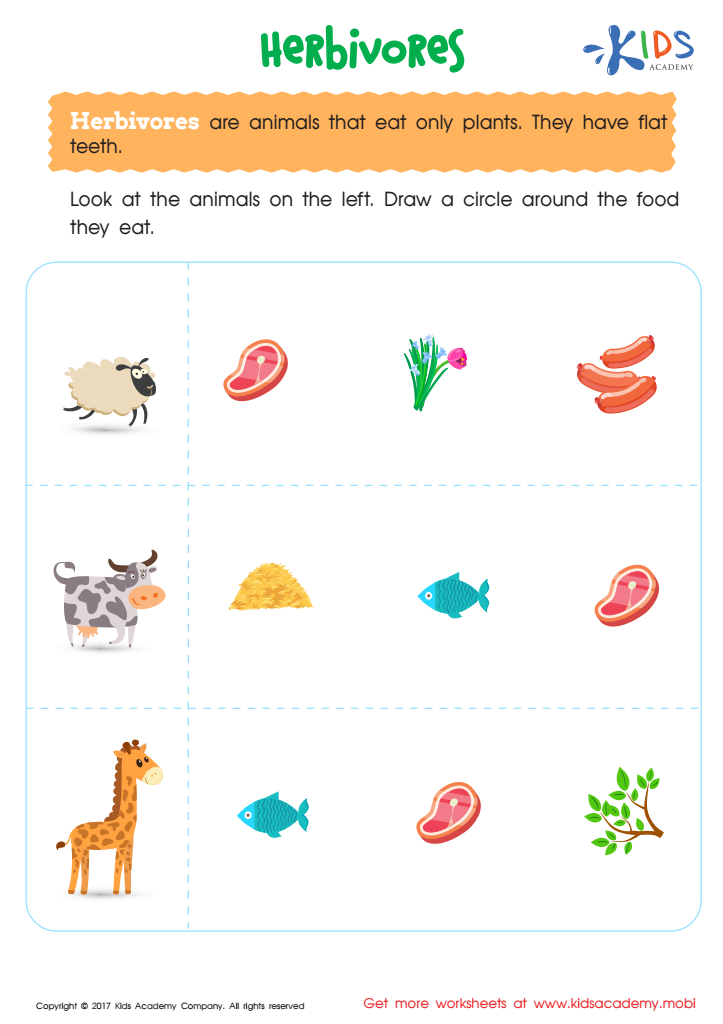
Herbivores Printable
 Assign to My Students
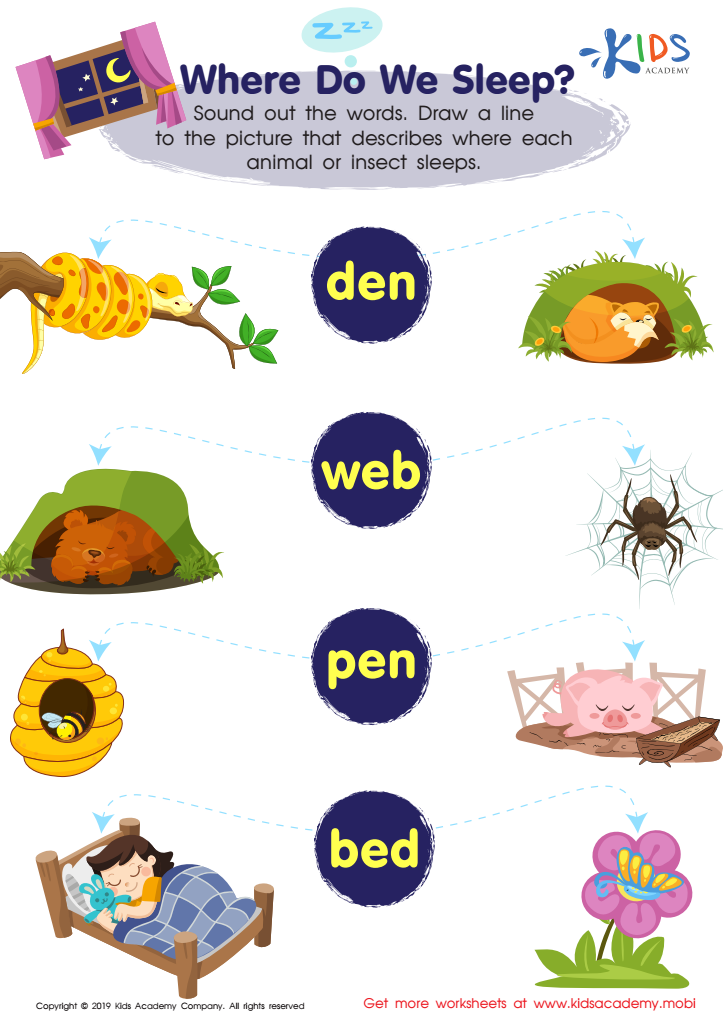
Where Do We Sleep Worksheet
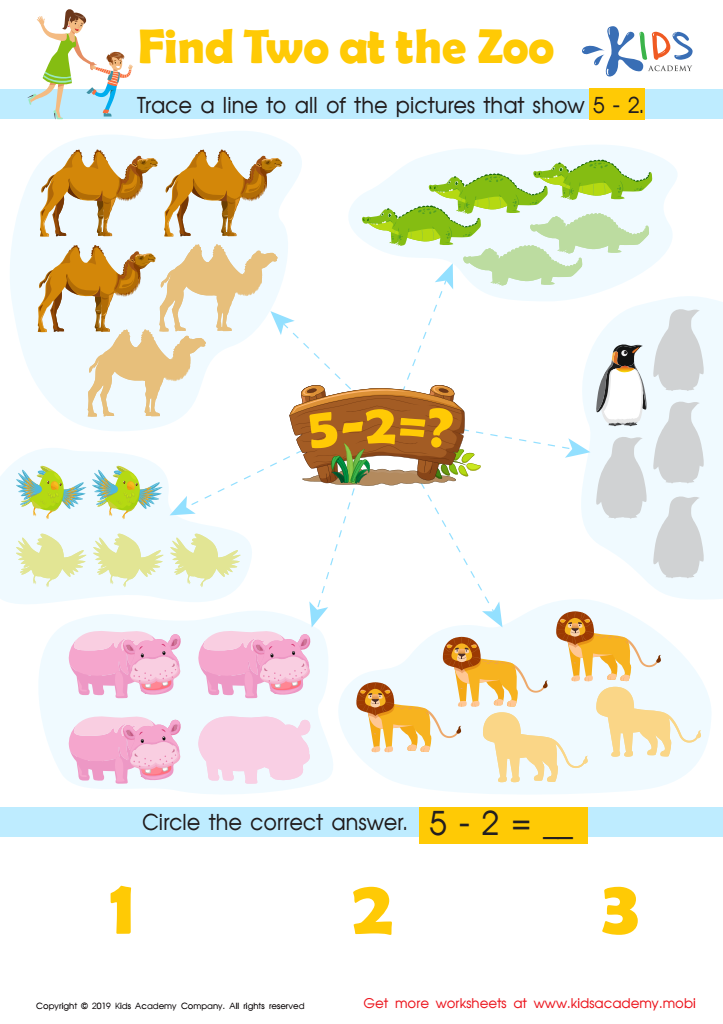
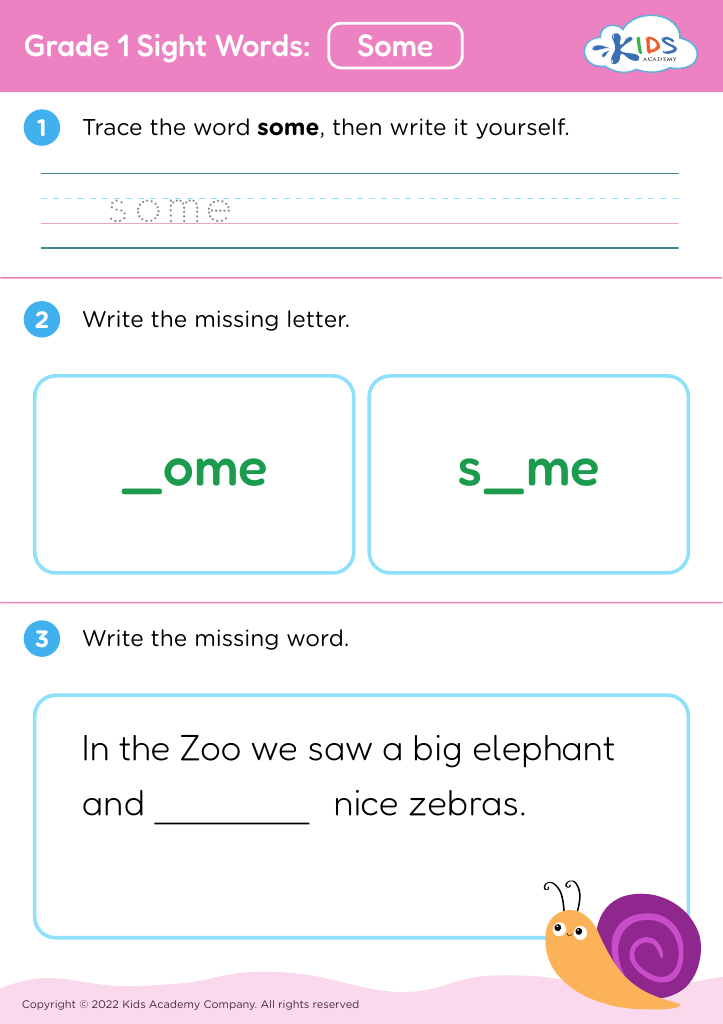
Find Two at the Zoo Worksheet
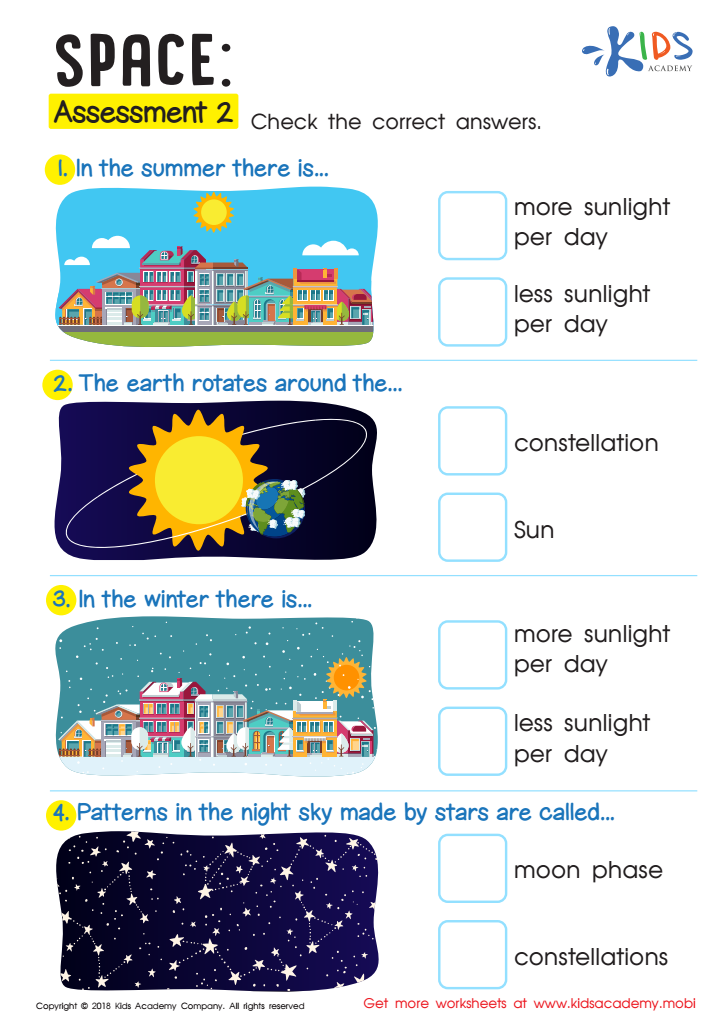
Space: Assessment 2 Worksheet








Identifying animals is an essential learning activity for children aged 4-6, and both parents and teachers play a crucial role in this developmental stage. Engaging with animals fosters curiosity and encourages exploration in young children, allowing them to learn about nature and the world around them. By identifying animals, children enhance their vocabulary and develop cognitive skills; they learn the names of different species, understand their habitats, and recognize basic traits, which lays the foundation for critical thinking.
Moreover, this activity promotes connections to other subjects such as science and art, as children can draw animals or observe their environments. Identifying animals also nurtures empathy and social awareness, as children learn to respect living beings and understand their roles in the ecosystem.
Additionally, learning about animals can be a gateway to discussing environmental issues, fostering early awareness of conservation and the importance of protecting biodiversity. By fostering these skills and an appreciation for wildlife, parents and teachers not only enrich a child's learning experience but also cultivate responsible, informed citizens. This makes animal identification not just an educational activity but a significant step toward holistic child development.








