Numerical problem solving Worksheets for Ages 4-6
3 filtered results
-
From - To
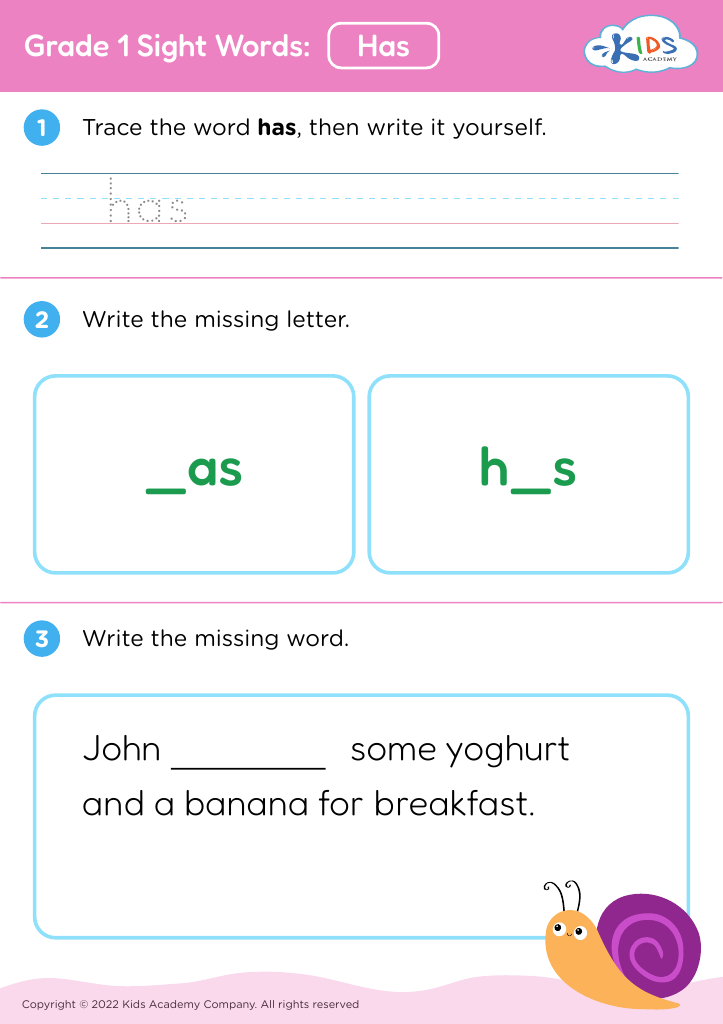
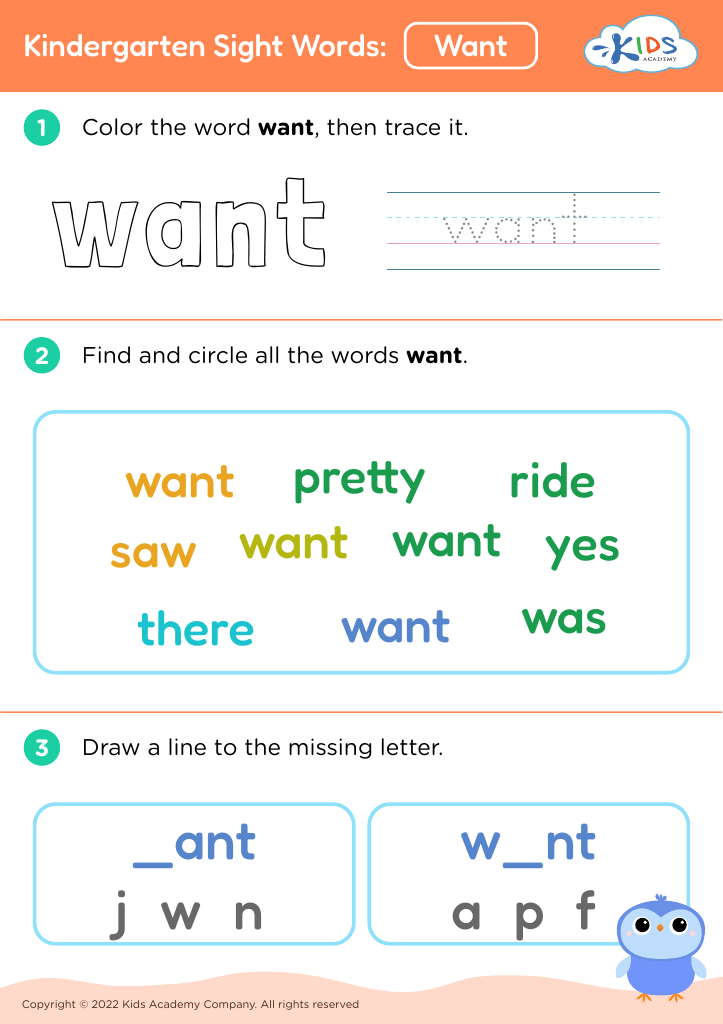
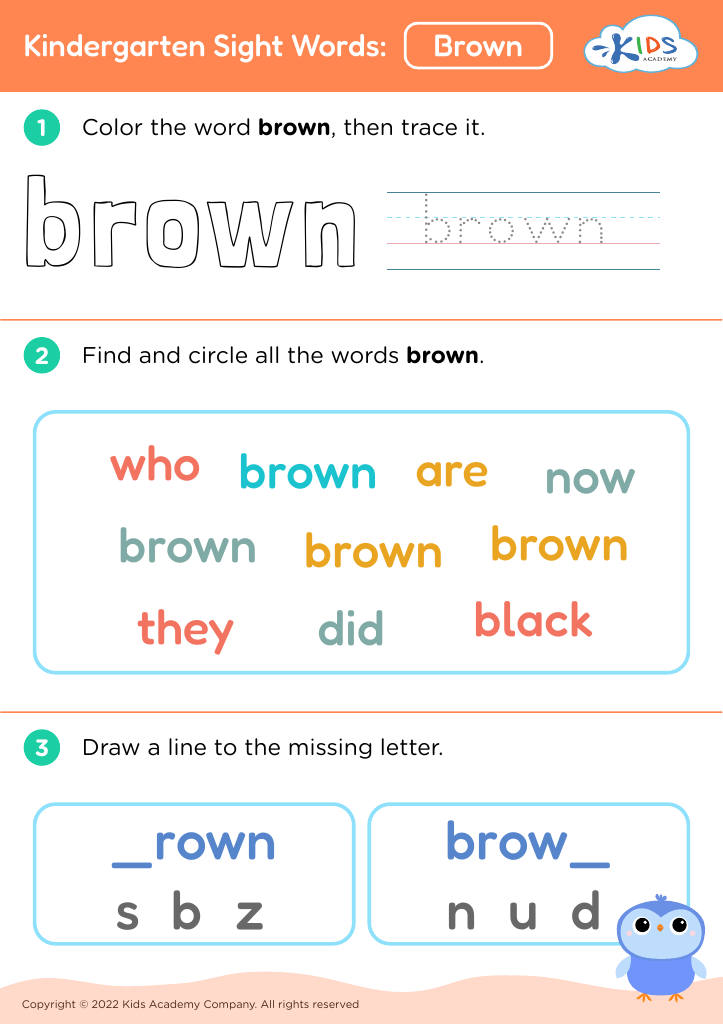
Discover our engaging Numerical Problem Solving Worksheets designed for children ages 4 to 6. These interactive activities will help young learners develop essential math skills while encouraging critical thinking and problem-solving abilities. Each worksheet is tailored to spark curiosity and make learning fun through colorful illustrations and age-appropriate challenges. Your little ones will practice number recognition, basic addition and subtraction, and more, preparing them for future success in mathematics. Perfect for pre-school or kindergarten classrooms, these worksheets are an excellent resource for parents and educators looking to boost early numeracy skills in an enjoyable way. Get started today!


%20(1).jpg)




Numerical problem-solving for ages 4-6 is crucial for several reasons. At this stage, children develop fundamental math skills that form the foundation for their future learning. Engaging with numerical problems helps young learners cultivate critical thinking, logical reasoning, and analytical skills. These abilities are not only vital for mathematics but also enhance problem-solving skills across all areas of learning.
Moreover, early exposure to numbers instills a positive attitude toward math, building confidence and reducing anxiety during later stages of education. When parents and teachers encourage numerical problem-solving, they foster curiosity and a love for learning, setting the groundwork for academic success.
Additionally, numerical problem-solving promotes important social skills. Group activities involving counting or measuring, for instance, can enhance communication, collaboration, and sharing among peers. This social interaction is essential for developing emotional intelligence and teamwork skills.
Finally, parents and teachers play a critical role in recognizing and addressing individual learning paces and styles. By supporting numerical problem-solving, they can tailor their approaches to meet the diverse needs of children, ensuring all learners thrive. Overall, nurturing these skills early paves the way for lifelong learning and development, making it an investment that pays dividends in the long run.








