Reading comprehension Worksheets for Ages 4-6 - Page 17
394 filtered results
-
From - To
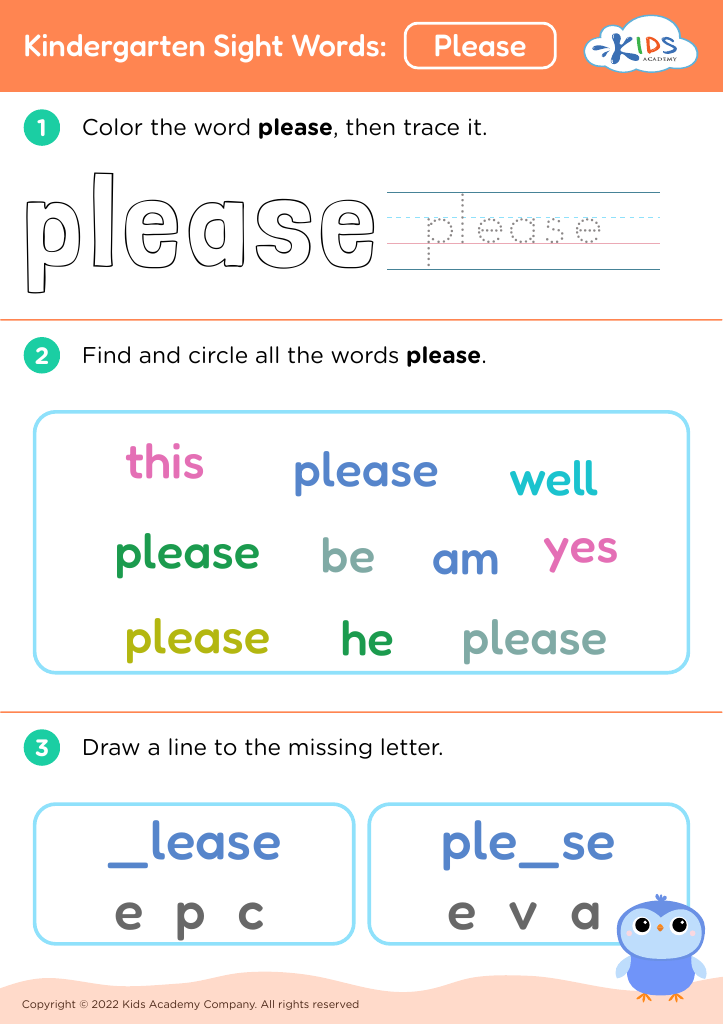
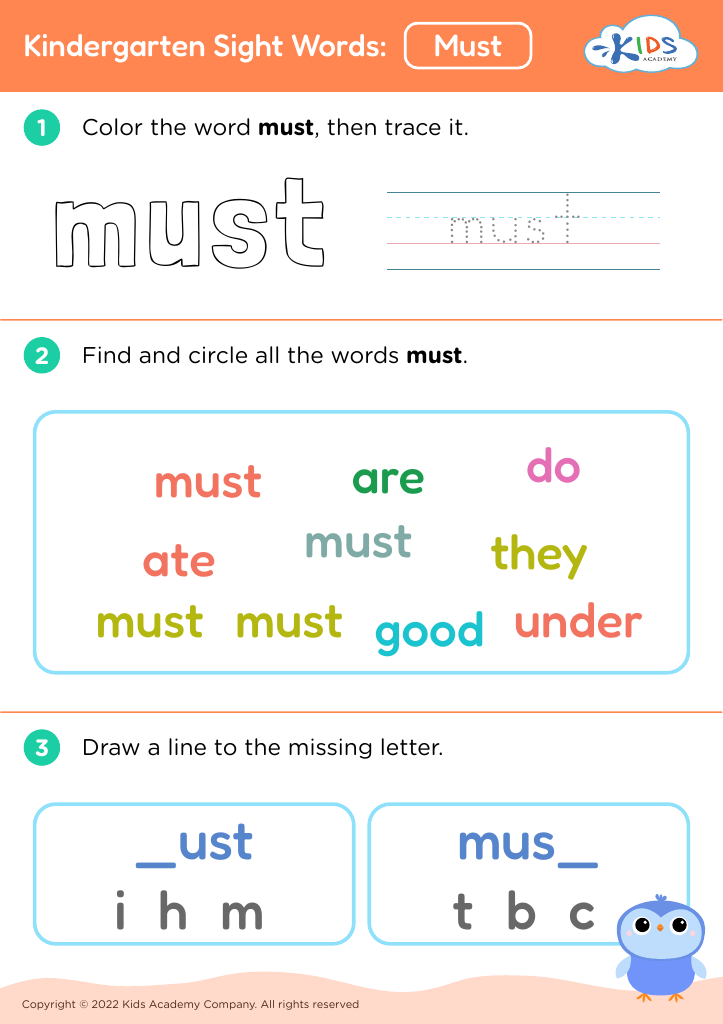







Reading comprehension is a vital foundation for learning and development in children aged 4-6, making it crucial for parents and teachers to prioritize it. At this early age, children are developing critical language skills that will serve as the building blocks for their future educational journey. By nurturing comprehension skills, we not only promote better understanding of stories but also enhance vocabulary, critical thinking, and literacy skills.
Engaging with age-appropriate texts helps children make connections between the text and their own experiences, fostering a love for reading. When children comprehend what they read, they become motivated to learn more, leading to higher levels of academic achievement in the long run. Parents and teachers play a key role in this evolution by introducing interactive reading experiences, asking open-ended questions, and encouraging discussions about plots and characters, thus making reading a collaborative and enjoyable activity.
Furthermore, strong reading comprehension skills can boost self-esteem and confidence in young learners. As they gain the ability to understand and interpret stories, children become more willing to tackle new and challenging materials. Overall, investing time and effort into developing comprehension skills in early childhood sets the stage for a successful educational path and lifelong love of learning.








