Reading skills development Worksheets for Ages 4-6
6 filtered results
-
From - To
Boost your child's reading skills with our expertly crafted developmental worksheets for ages 4-6. These activities are designed to build essential literacy foundations through engaging and educational exercises. Each worksheet helps young learners master letter recognition, phonemic awareness, and basic vocabulary. Created by education specialists, our resources ensure that learning is both fun and effective, promoting a lifelong love for reading. Perfect for at-home practice or classroom use, our array of vibrant and interactive worksheets accommodates various learning styles and paces. Give your early reader the tools they need to succeed with our comprehensive reading skills development worksheets!
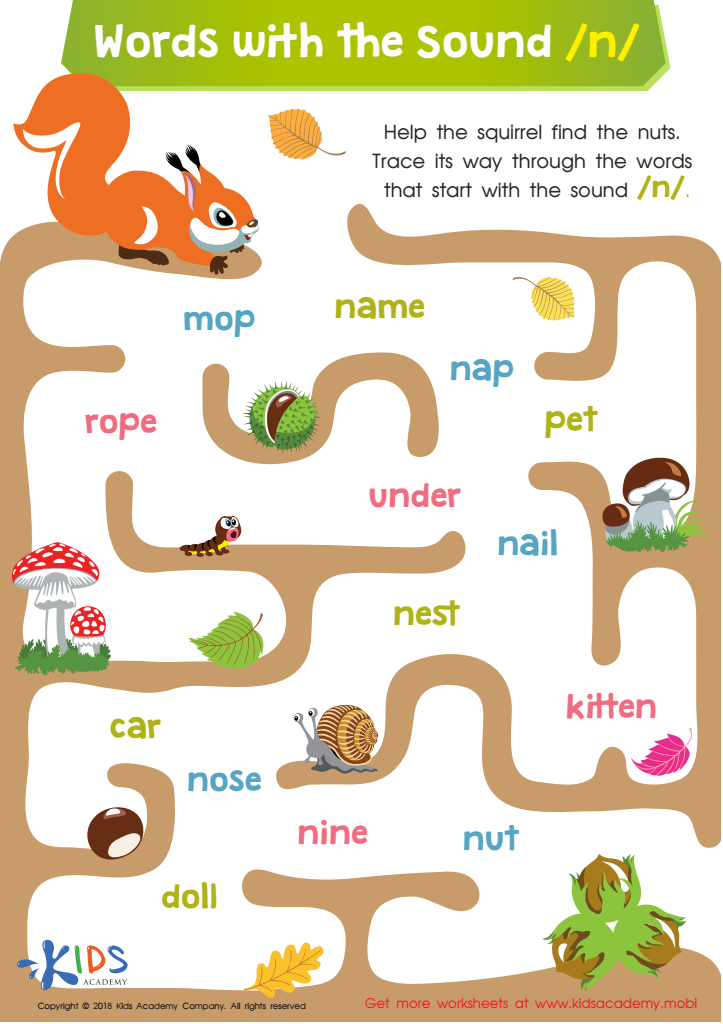
Words with Sound N Reading Worksheet
 Assign to My Students
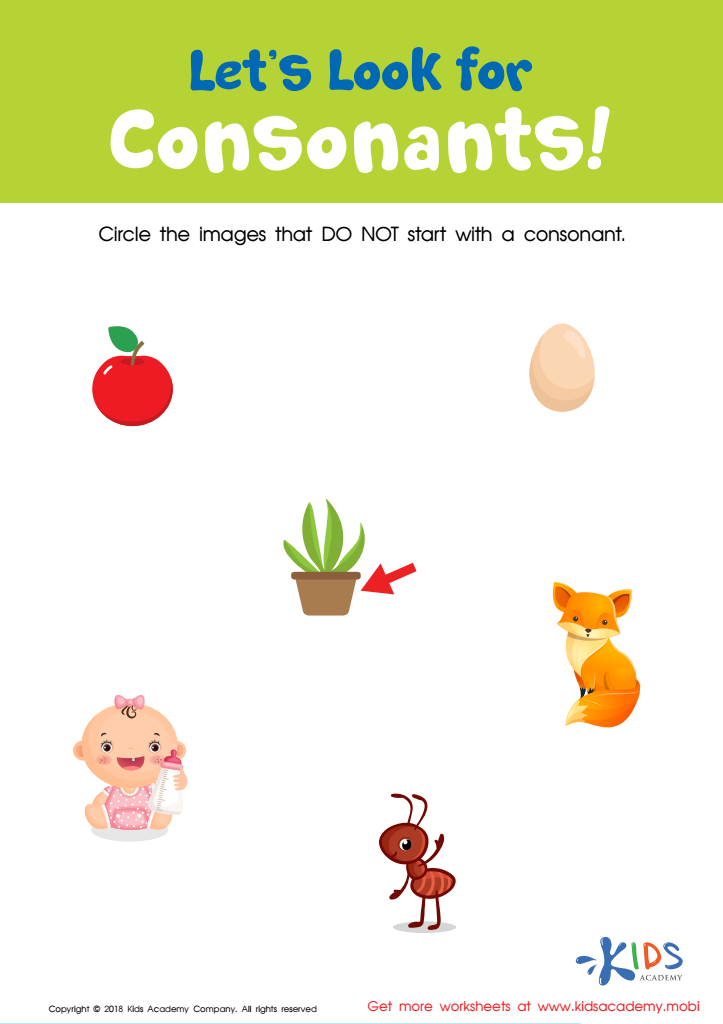
Let's Look for Consonants Worksheet
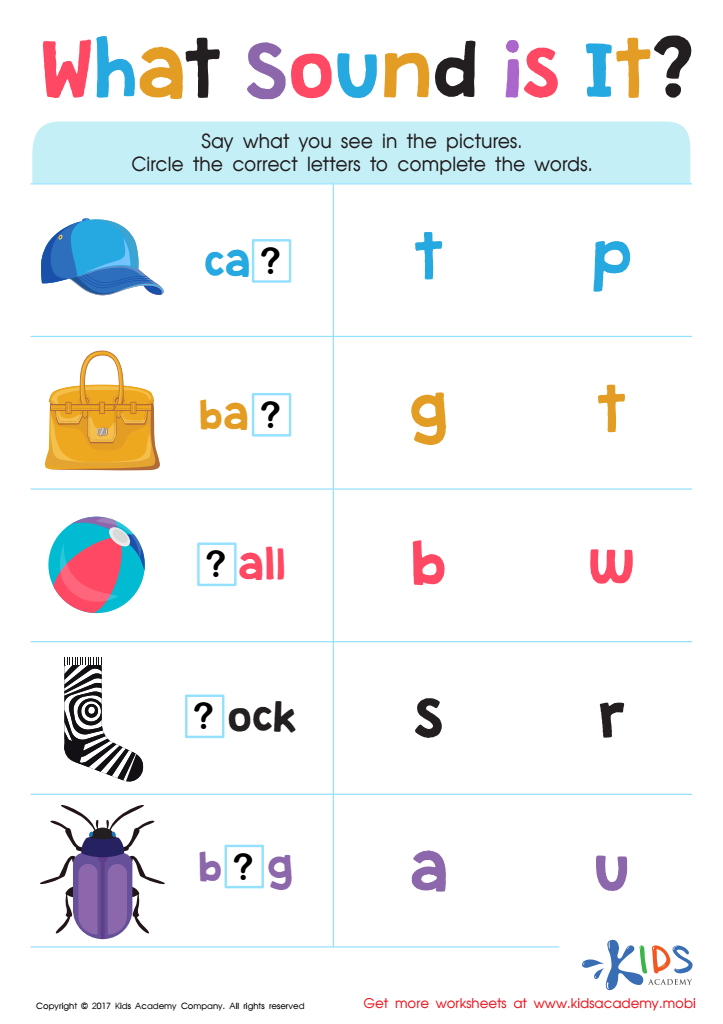
What Sound Is it? Worksheet
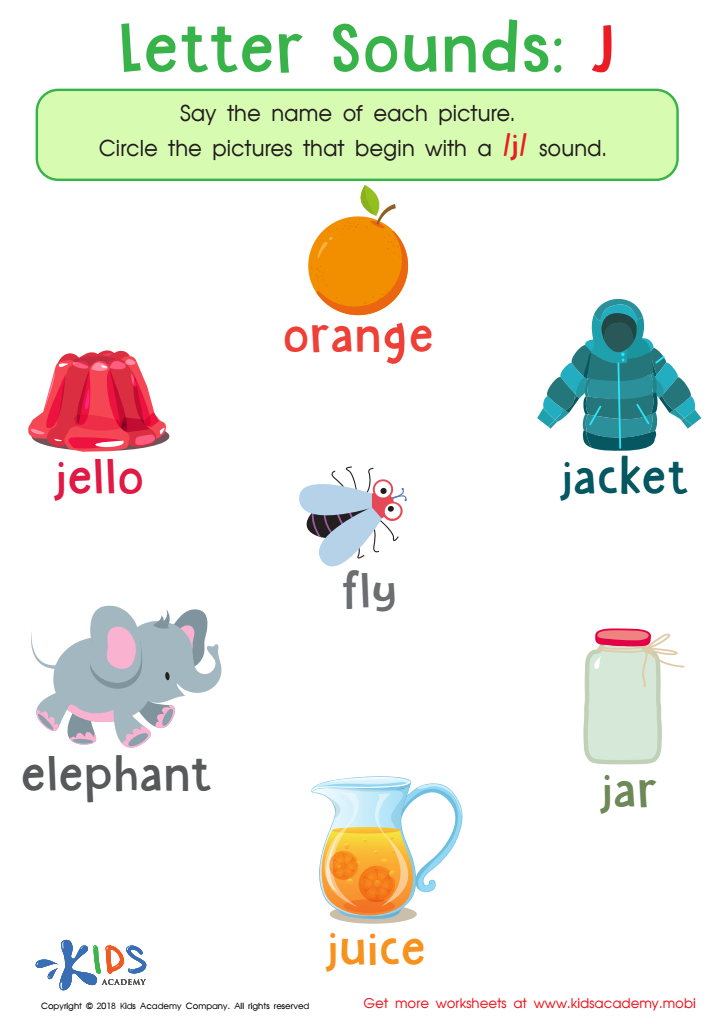
Letter Sounds: J Printable Worksheet
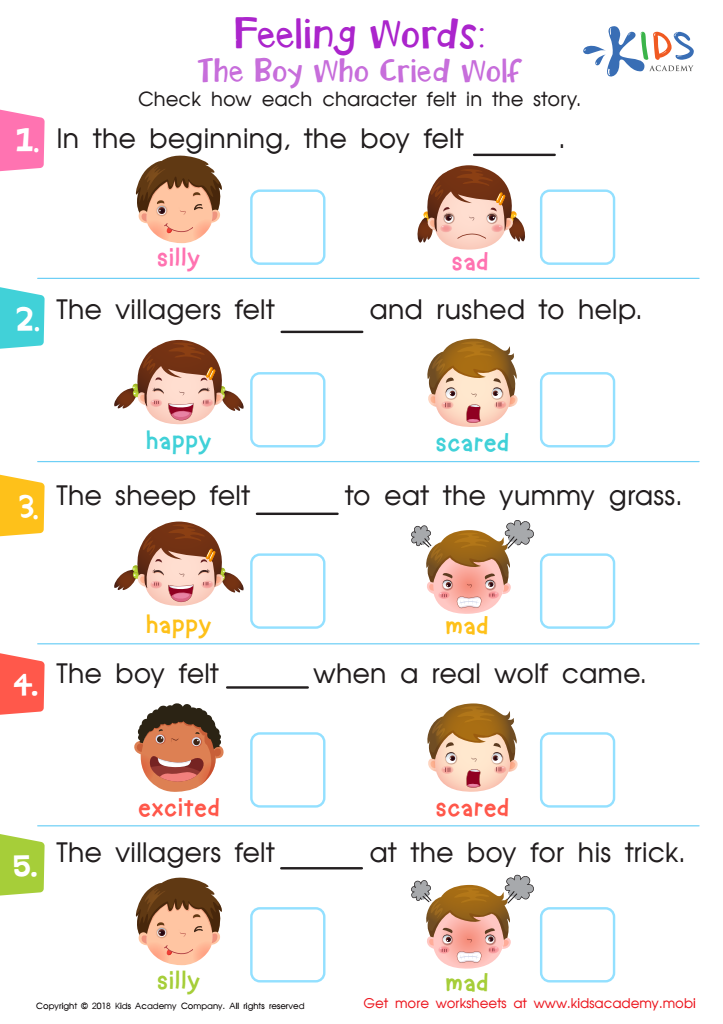
Feeling Words: The Boy Who Cried Wolf Worksheet
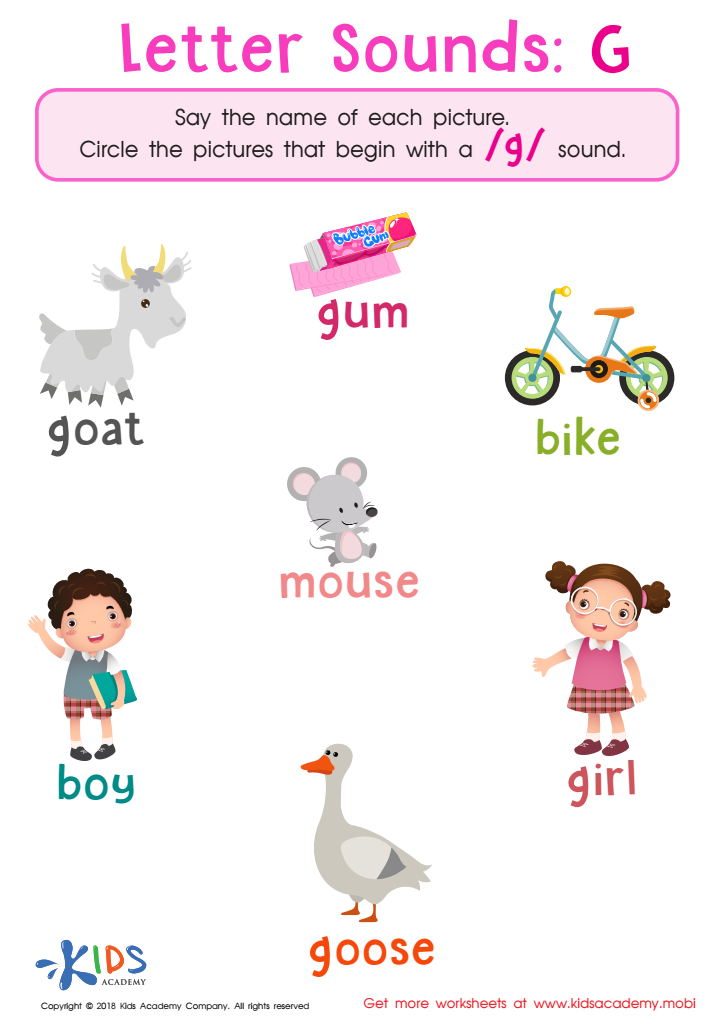
Letter G Sounds Worksheet






Parents and teachers should highly prioritize the development of reading skills for children aged 4-6 for numerous pivotal reasons. First, foundational reading skills are strongly linked to overall academic success. Mastering reading early enhances comprehension across all subjects, fostering continued learning and intellectual growth. Children who read well typically perform better in other subjects as their vocabulary and language understanding expand.
Second, early reading proficiency sets the stage for a lifelong love of learning and reading. When children discover joy in reading, it increases their willingness to explore new topics and ideas independently, stimulating their creativity and imagination.
Moreover, developing reading skills at this young age also sharpens critical cognitive skills such as attention, memory, and critical thinking. Children learn to focus on details, understand narrative structures, and infer meanings, which are essential skills for daily life and problem-solving.
Lastly, fostering a positive reading environment builds strong emotional and social bonds between parents and teachers and the child. Reading together can become a shared and nurturing activity, reinforcing relationships and providing emotional security.
In essence, reading skills are the bedrock of education, personal development, and lifelong curiosity, making their development crucial during the early formative years of ages 4-6.








