Reading thermometers Worksheets for Ages 4-6
3 filtered results
-
From - To
Welcome to our “Reading Thermometers Worksheets for Ages 4-6” page! Designed specifically for young learners, these engaging worksheets help children grasp the concept of temperature measurement in a fun and interactive way. Perfect for preschool and early primary settings, our resources introduce basic reading skills through colorful, easy-to-follow activities. Young students will learn to read thermometers, understand temperature scales, and practice writing their findings. Encourage curiosity and scientific thinking while developing essential math and reading skills. Download our diverse range of worksheets today, and watch your child thrive in their learning journey with our educational resources designed just for them!
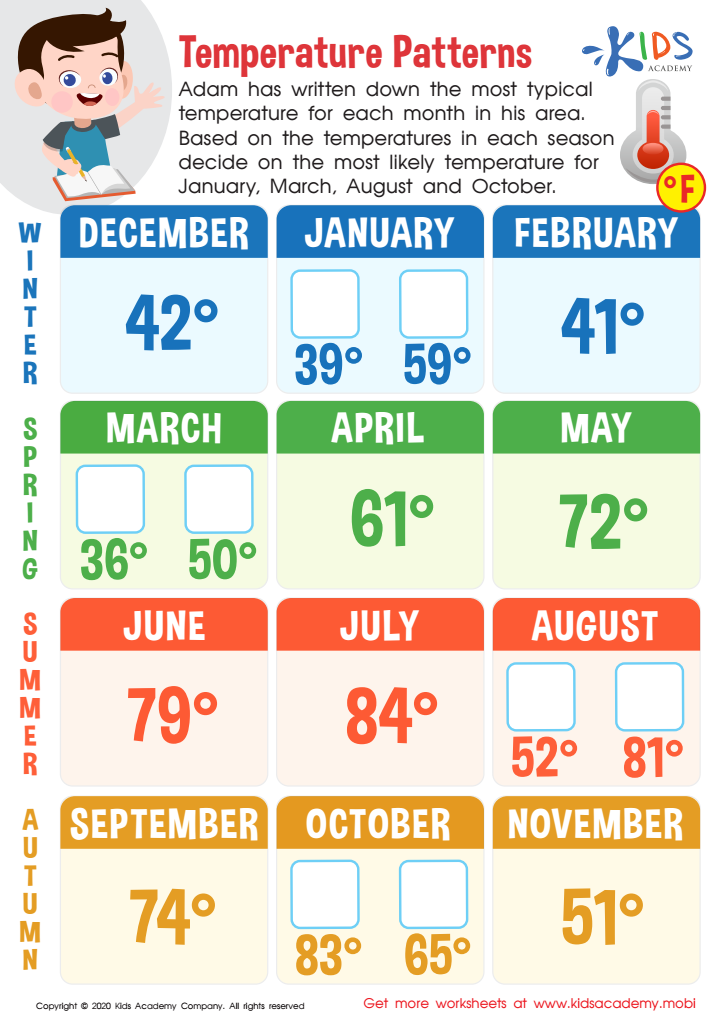
Temperature Patterns Worksheet
 Assign to My Students
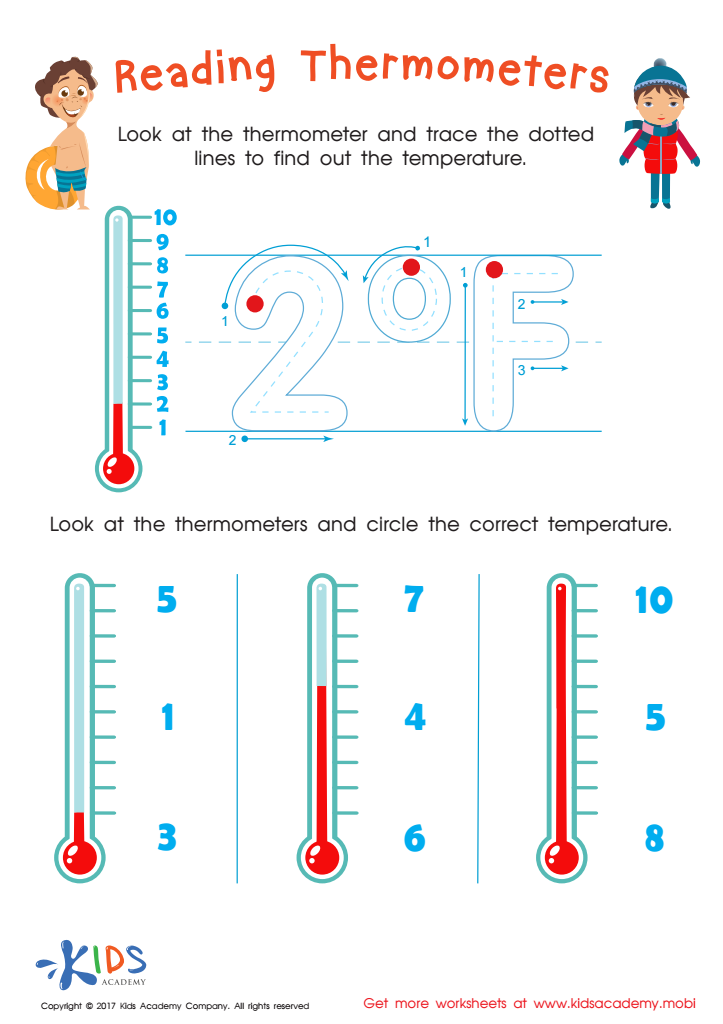
Reading Thermometers Printable
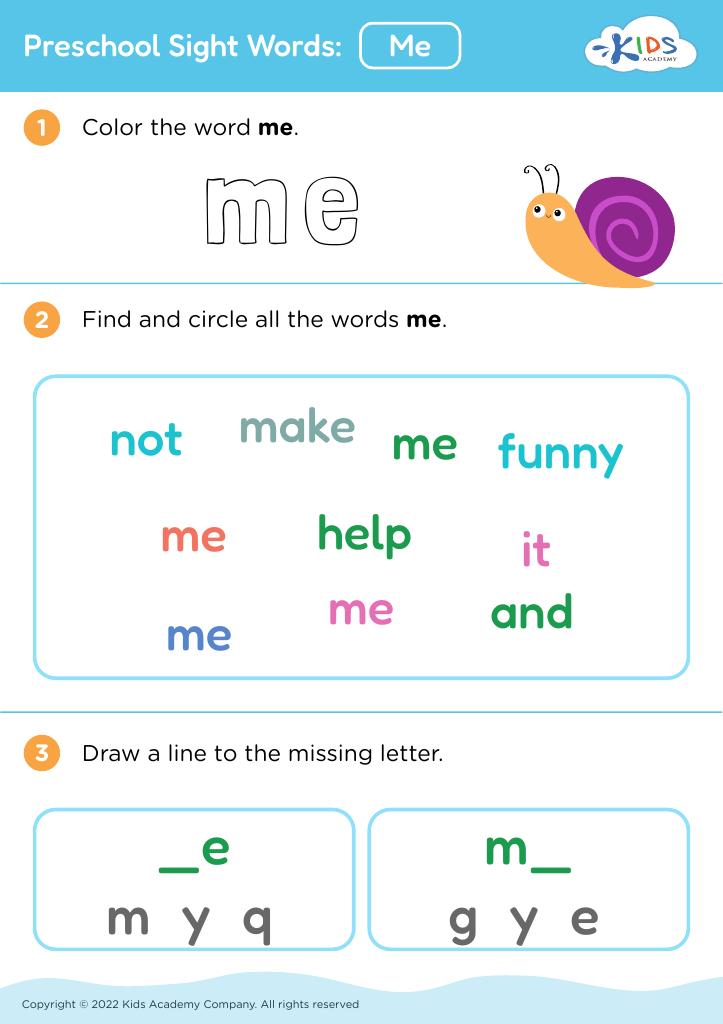


.jpg)




Reading thermometers are essential tools for parents and teachers of children aged 4-6, as they play a crucial role in early childhood education and development. At this formative stage, children are developing foundational skills in literacy and numeracy, and incorporating tools like thermometers exposes them to practical applications of mathematics and scientific concepts.
Understanding how to read a thermometer helps children grasp basic temperature concepts—important for fostering scientific curiosity. Learning to interpret temperature readings introduces young learners to numbers, increments, and the relationship between the physical world and data. It encourages critical thinking as children engage in activities like measuring how hot or cold things are, enhancing their observational skills and prompting discussions about weather, seasons, and appropriate clothing choices.
Moreover, using thermometers in everyday situations, such as cooking or outdoor activities, reinforces learning through play, making it more engaging. When parents and teachers collaborate to create these learning opportunities, it strengthens the child's home-to-school connection and promotes a comprehensive learning experience. Ultimately, mastering reading thermometers can foster a child's confidence and enthusiasm for science and numeracy, laying the groundwork for lifelong learning.








