Recognize shapes Worksheets for Ages 4-6
4 filtered results
-
From - To
Discover our engaging Recognize Shapes Worksheets designed specifically for children aged 4-6! These fun, interactive worksheets help young learners identify and distinguish various shapes, enhancing their spatial awareness and early math skills. Each worksheet features vibrant illustrations and exciting activities that make learning about shapes enjoyable and effective. Perfect for parents and teachers alike, our resources support preschool and kindergarten curricula and encourage continuous practice through age-appropriate challenges. Help your child develop foundational skills while exploring the colorful world of shapes. Download and print our worksheets today to inspire a love of learning in your little one!
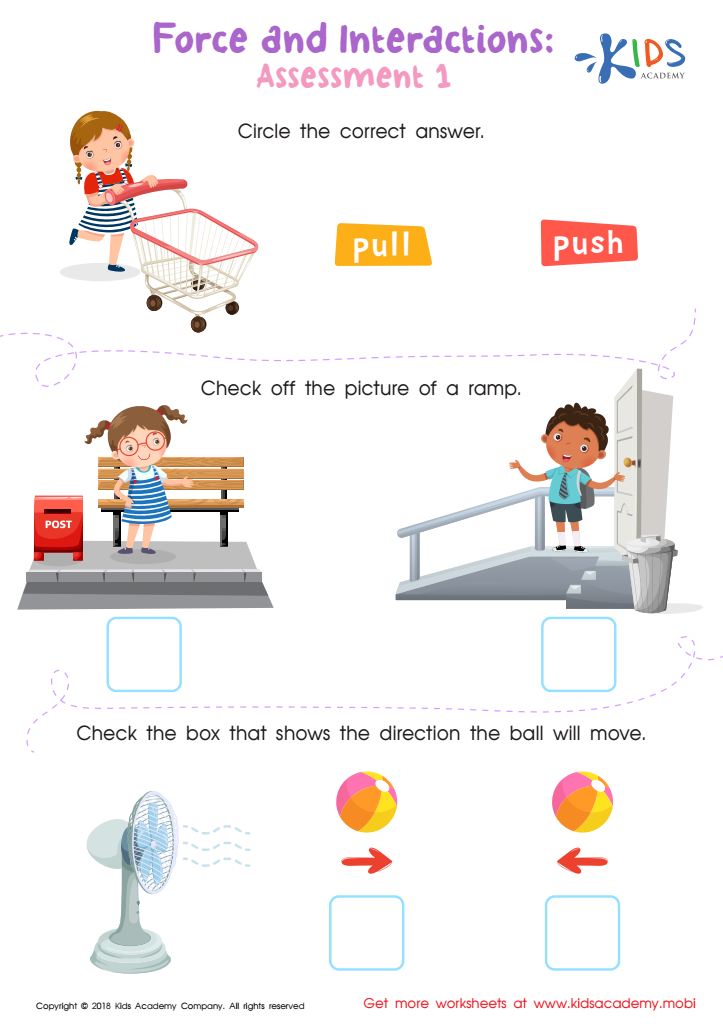
Force and Interactions: Assessment 1 Worksheet
 Assign to My Students
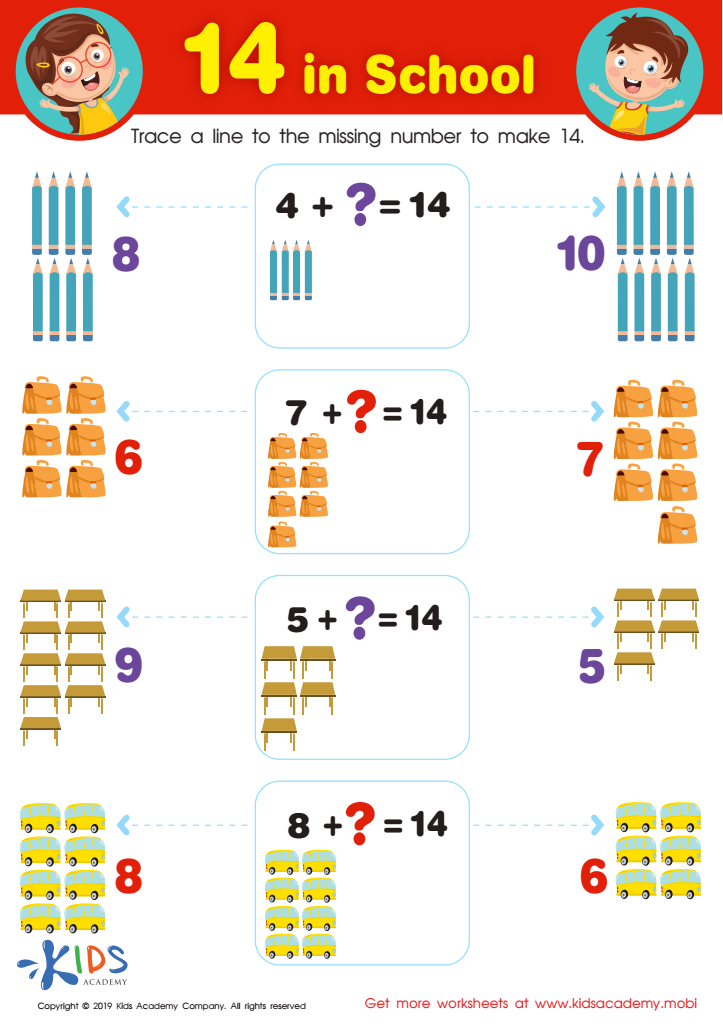
14 in School Worksheet








Recognizing shapes is a fundamental skill for young children aged 4-6, and it serves as a building block for many areas of learning and development. When parents and teachers prioritize shape recognition, they pave the way for enhanced cognitive development. Shapes are not just abstract concepts; they help children understand their environment and engage with it more effectively.
Learning to identify and distinguish shapes aids in the development of critical thinking and problem-solving skills. For instance, when children learn to categorize objects based on shape, they enhance their analytical abilities. Additionally, recognizing shapes is crucial for early math skills. It lays the groundwork for understanding geometry, which is essential as they progress through their education.
Moreover, activities centered around shapes can foster fine motor skills through hands-on experiences like drawing, cutting, or building with shape-based toys. These activities encourage creativity and imagination while boosting spatial awareness.
Furthermore, shape recognition can support language development, as children learn to articulate their observations and describe their environment. In essence, nurturing shape recognition in early education creates a holistic foundation for academic success and lifelong learning, making it a key focus for both parents and teachers.








