Shape comparison Worksheets for Ages 4-6
3 filtered results
-
From - To
Discover our engaging Shape Comparison Worksheets designed for children aged 4-6! These fun and interactive activities empower young learners to identify, compare, and differentiate various shapes, enhancing their cognitive skills and spatial awareness. Each worksheet is thoughtfully crafted to captivate young minds, using vibrant illustrations and simple instructions. Perfect for embarking on a creative learning journey at home or in the classroom, these resources support early math readiness and foster a strong foundation in geometry. Help your child build essential skills while having fun with shapes through our comprehensive collection of worksheets. Start the adventure in shape learning today!
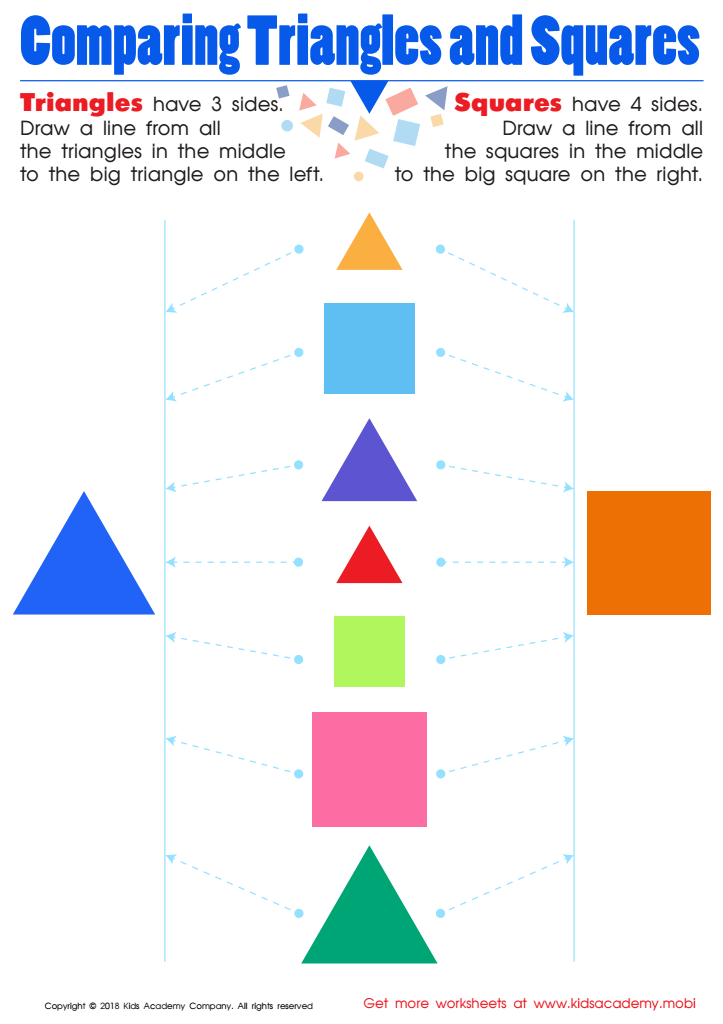
Comparing Triangles Squares Worksheet
 Assign to My Students
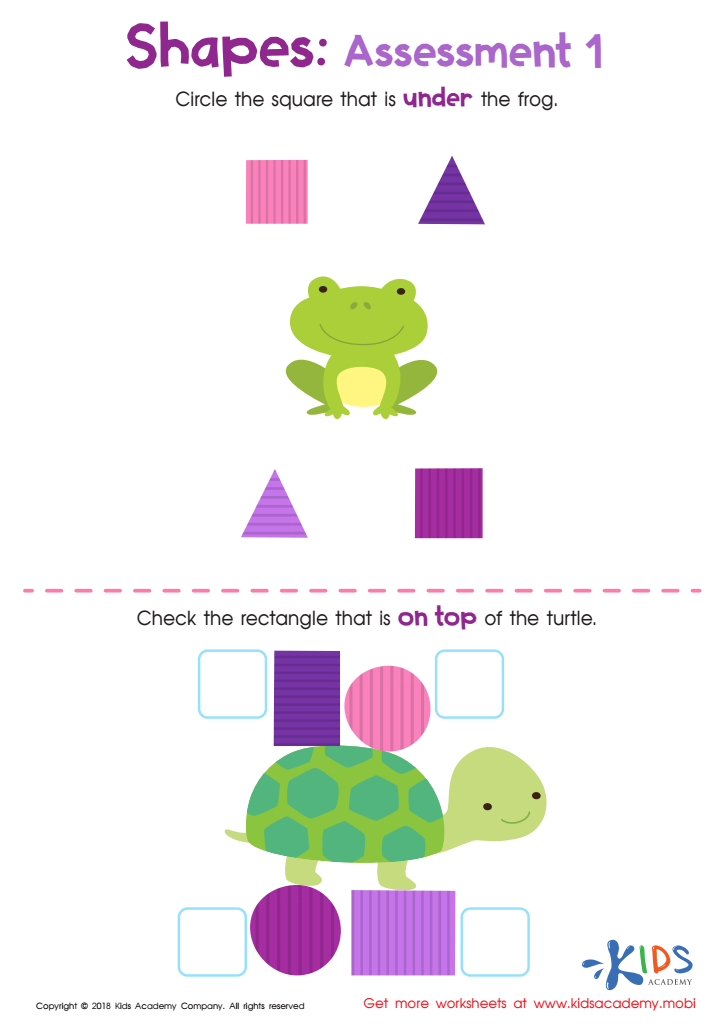
Geometry – Assessment 1 Worksheet
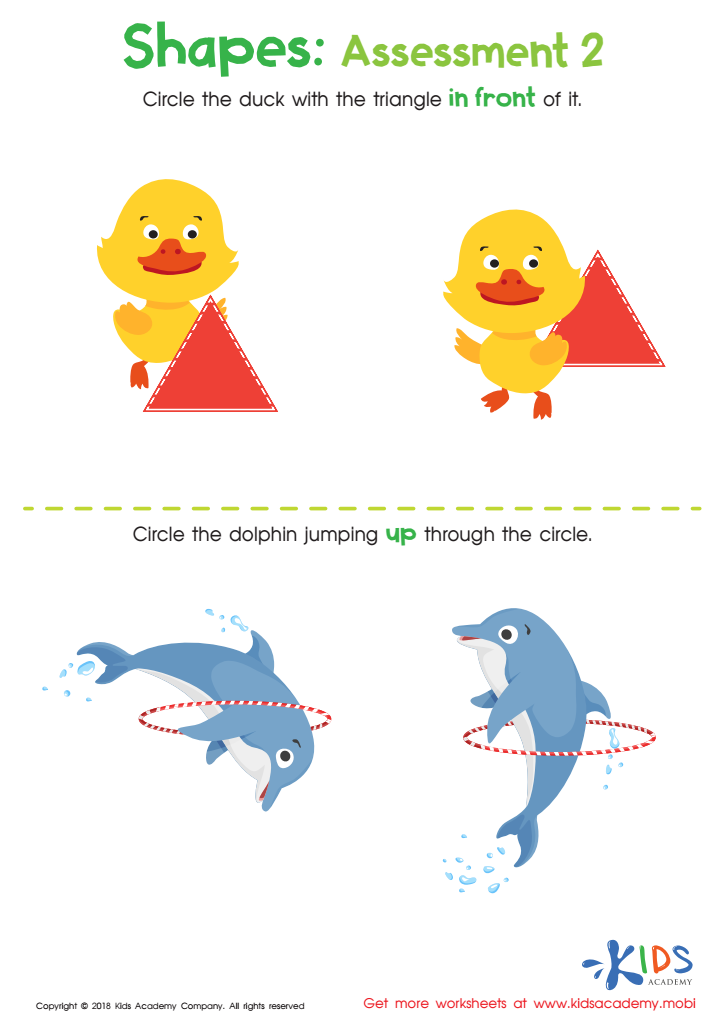
Geometry – Assessment 2 Worksheet


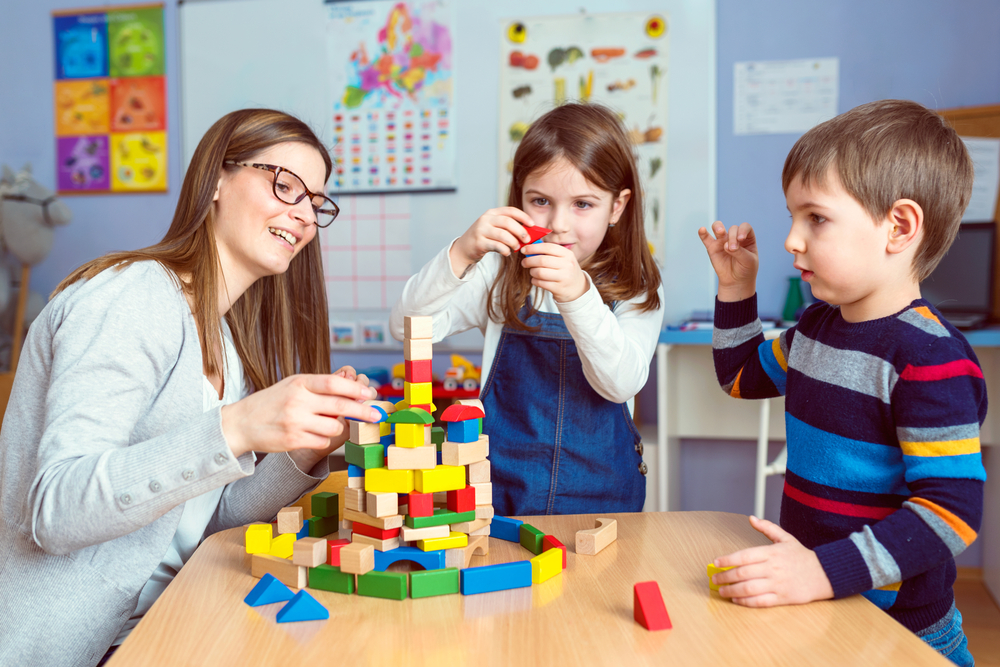



Shape comparison is a fundamental skill for children ages 4-6 and holds significant importance for both parents and teachers. At this developmental stage, children are naturally curious and eager to explore their environment, making it an ideal time to introduce concepts of geometry and spatial awareness. By engaging in shape comparison activities, children learn to recognize and differentiate between various shapes, developing critical observational skills.
Understanding shapes also lays the groundwork for more complex mathematical concepts later on, such as sorting, pattern recognition, and problem-solving. It boosts cognitive development as children learn to analyze characteristics, sizes, and attributes of shapes, enhancing their ability to think critically.
Moreover, shape comparison encourages children to communicate effectively. As they describe shapes, they practice language skills, which aids in overall literacy development. Collaborative activities can foster social skills and teamwork, promoting inclusion and cooperative learning.
For parents and teachers, emphasizing shape comparison reinforces curriculum goals while supporting a child's holistic growth. By providing a nurturing environment rich in experiences involving shape exploration, adults are paving the way for children to become confident learners in mathematics and beyond. Therefore, paying attention to shape comparison during these formative years is crucial for a child's lifelong learning journey.








