Simplifying Fractions Worksheets for Ages 4-6
4 filtered results
-
From - To
Discover our expertly crafted Simplifying Fractions Worksheets designed specifically for children aged 4-6. These engaging worksheets from Kids Academy make learning fun and interactive, helping young learners grasp the concept of fractions easily. Through colorful, appealing exercises, kids will practice simplifying fractions in a playful, hands-on way that keeps them motivated and excited to learn. Perfect for both classroom and at-home activities, our worksheets provide a strong foundation in math skills, setting the stage for future academic success. Explore our collection today and watch your child’s confidence grow with each completed worksheet!
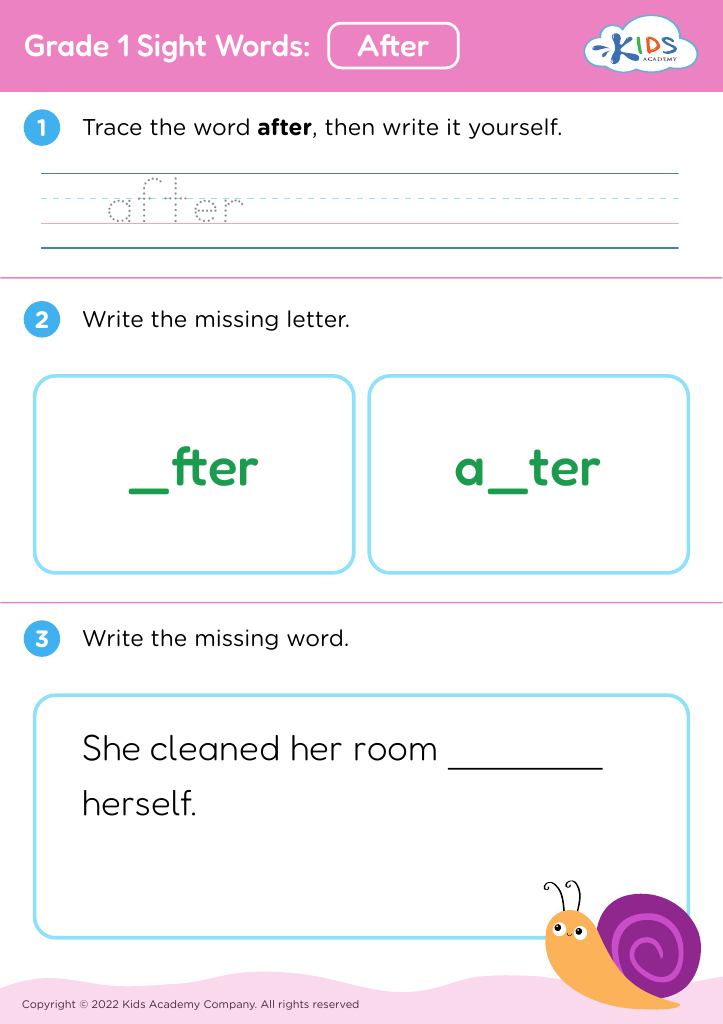
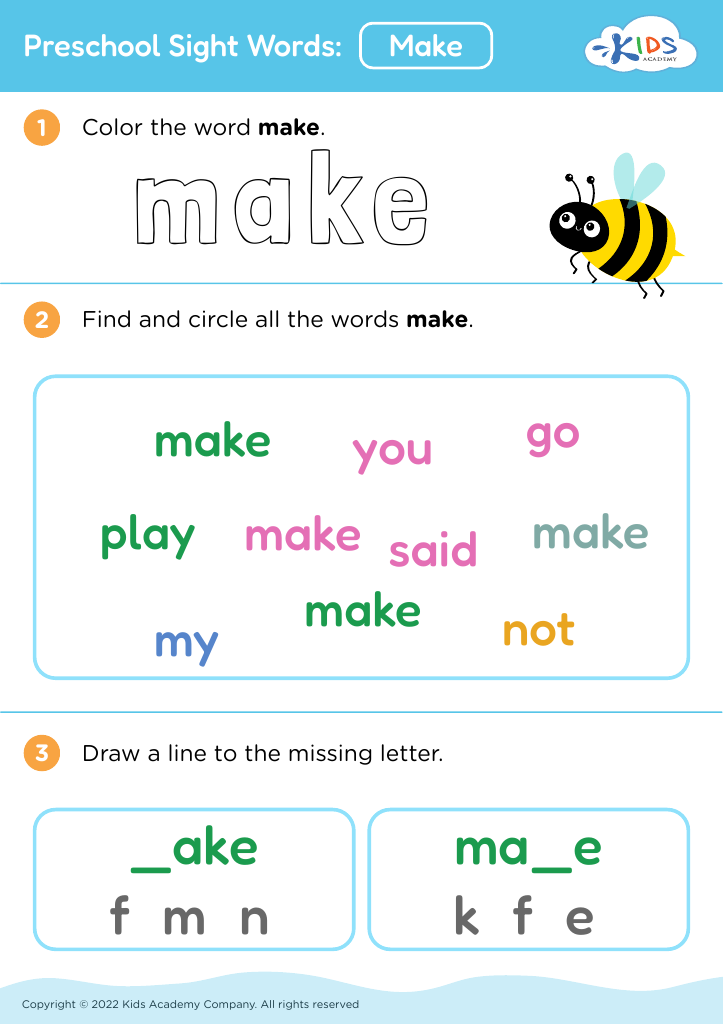
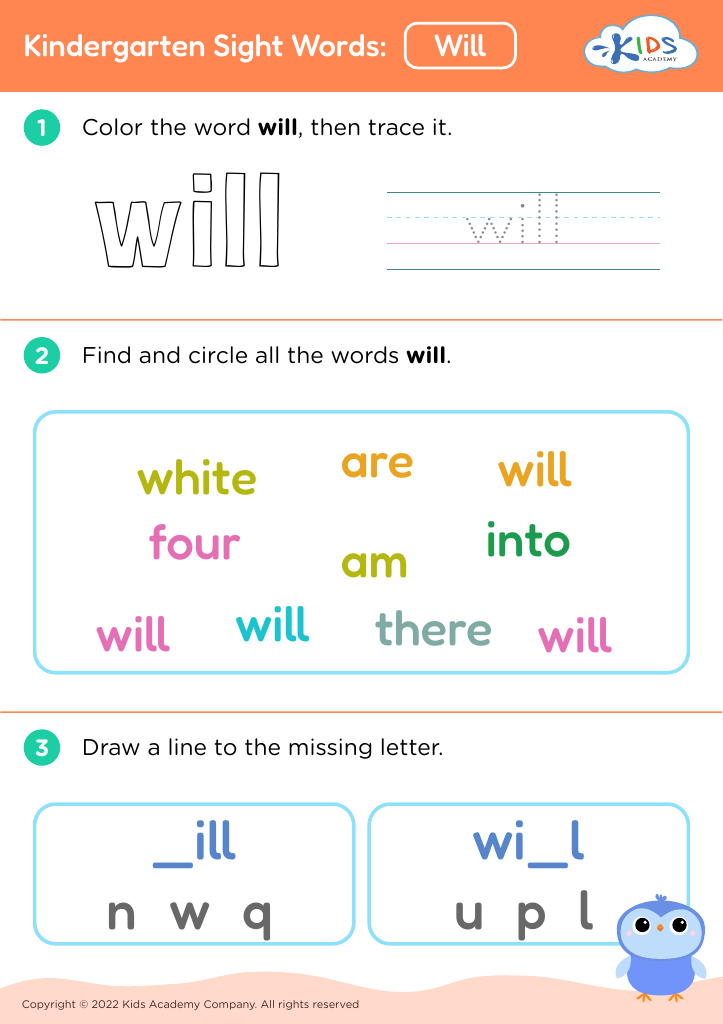
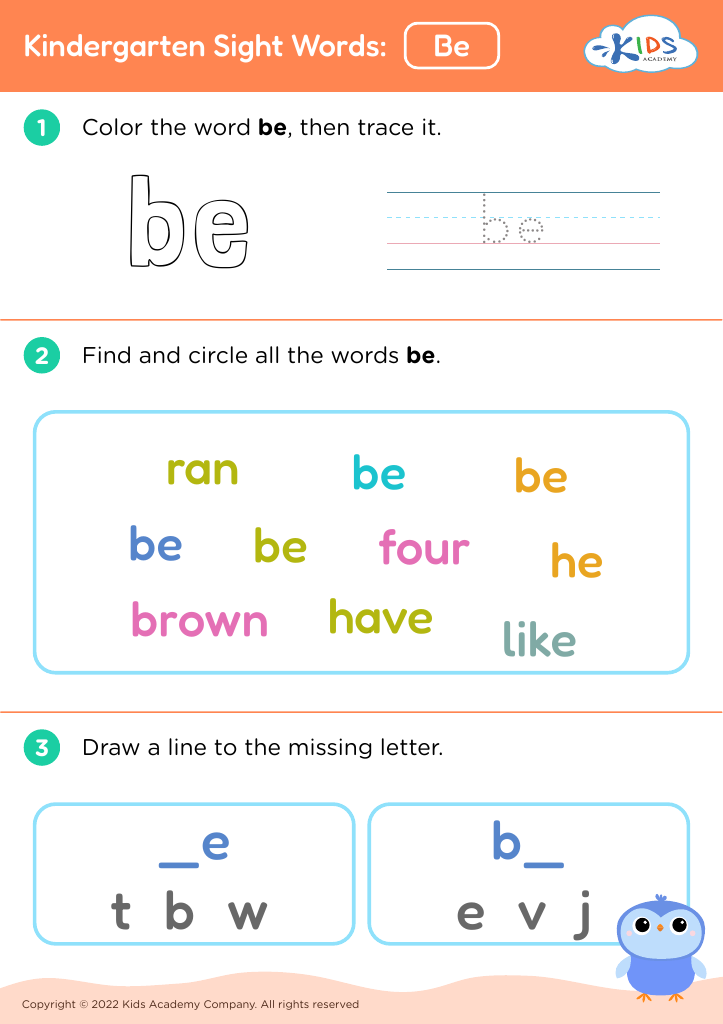







Simplifying fractions is a foundational math skill instrumental in nurturing young learners' numeracy. While children aged 4-6 are at a developmental stage where concrete understanding takes precedence, exposure to fundamental numerical concepts like simplifying fractions enriches cognitive development and math fluency.
Introducing 4-6-year-olds to simplifying fractions helps them grasp the idea of equivalent parts, a critical component in understanding whole-to-part relationships. This is essential for comprehending more complex mathematical operations later. For example, recognizing that (\frac{4}{8} = \frac{1}{2}) provides a concrete visual for equal distribution, reinforcing concepts vital in addition, subtraction, and eventually, algebra.
Simplifying fractions also enhances problem-solving skills, teaching children how to break down complex problems into simpler, more manageable steps. It encourages analytical thinking, patience, and promotes a sense of accomplishment as they master these mini-challenges.
For parents and teachers, reinforcing these ideas through playful, hands-on activities using familiar objects like food (e.g., pizza, apples) ensures that learning is contextually meaningful and engaging. This creates a positive, stress-free environment essential for early learning, making mathematics a joyful exploration rather than a daunting task. Early exposure paves the way for lifelong mathematical confidence and curiosity, benefitting children's overall academic trajectory.








