Spatial awareness Worksheets for Ages 4-6 - Page 2
36 filtered results
-
From - To
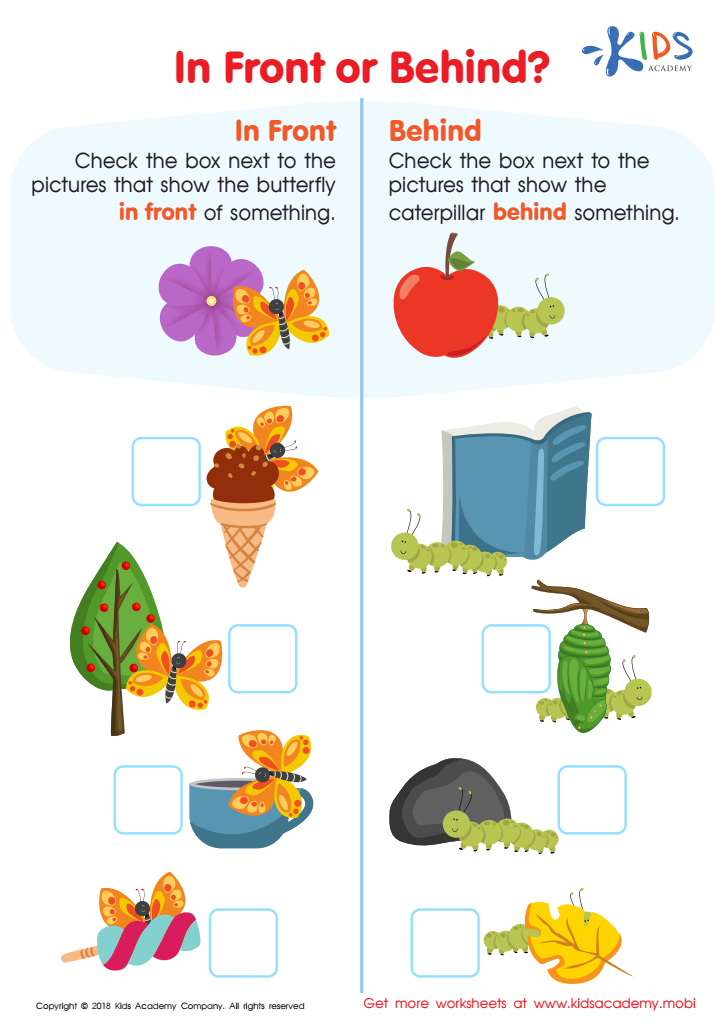
In Front or Behind Worksheet
 Assign to My Students
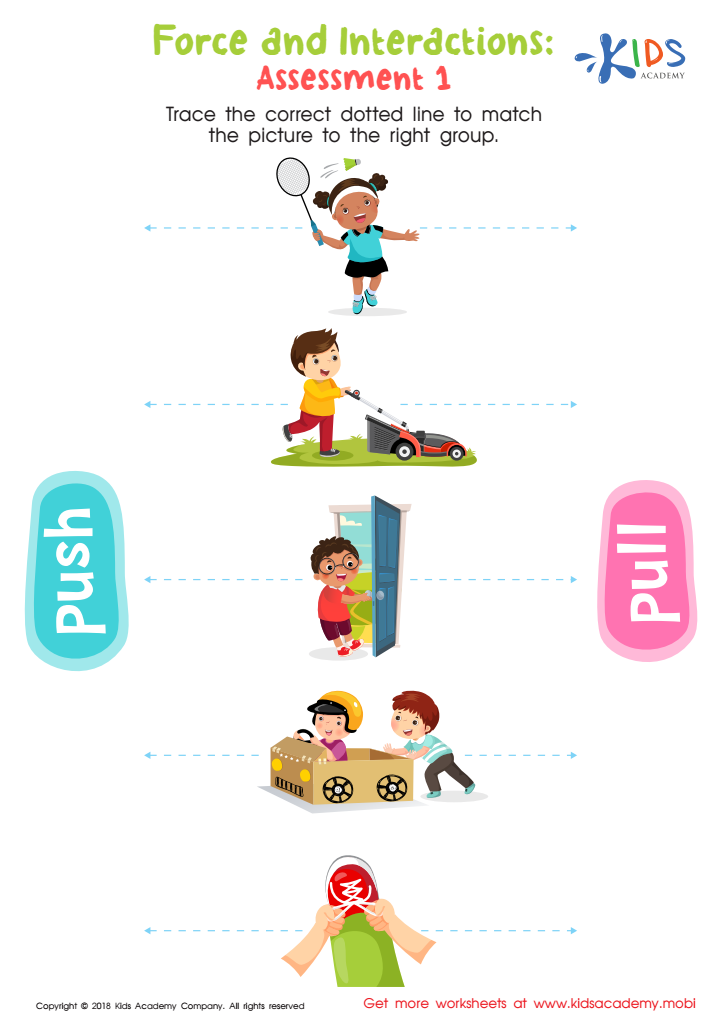
Force and Interactions: Assessment 2 Worksheet
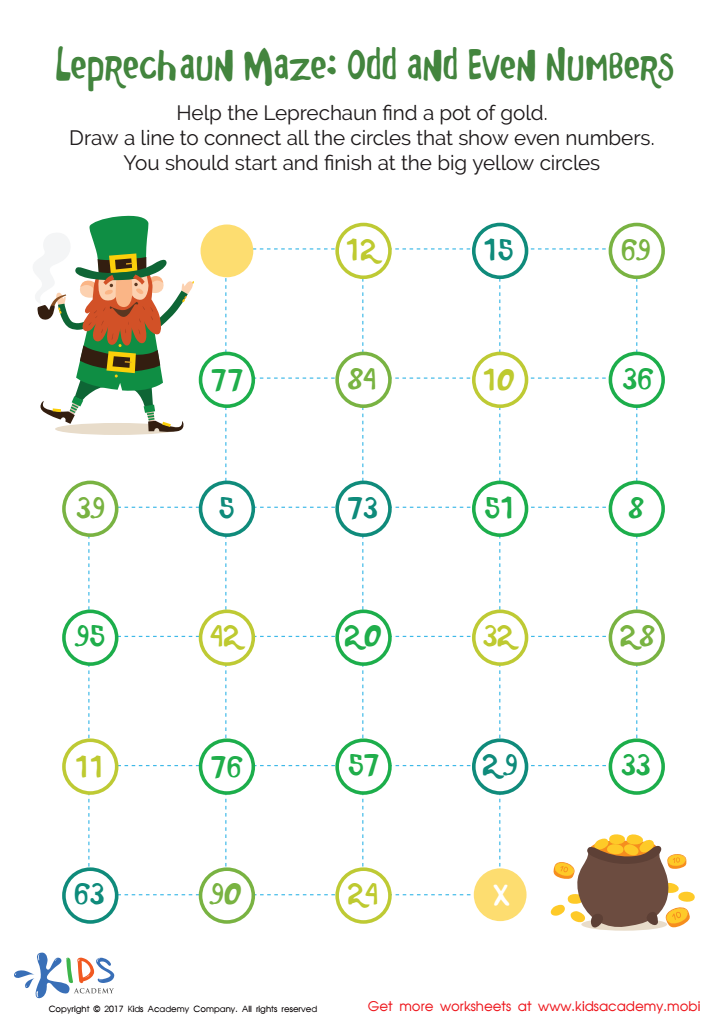
Leprechaun Maze Printable
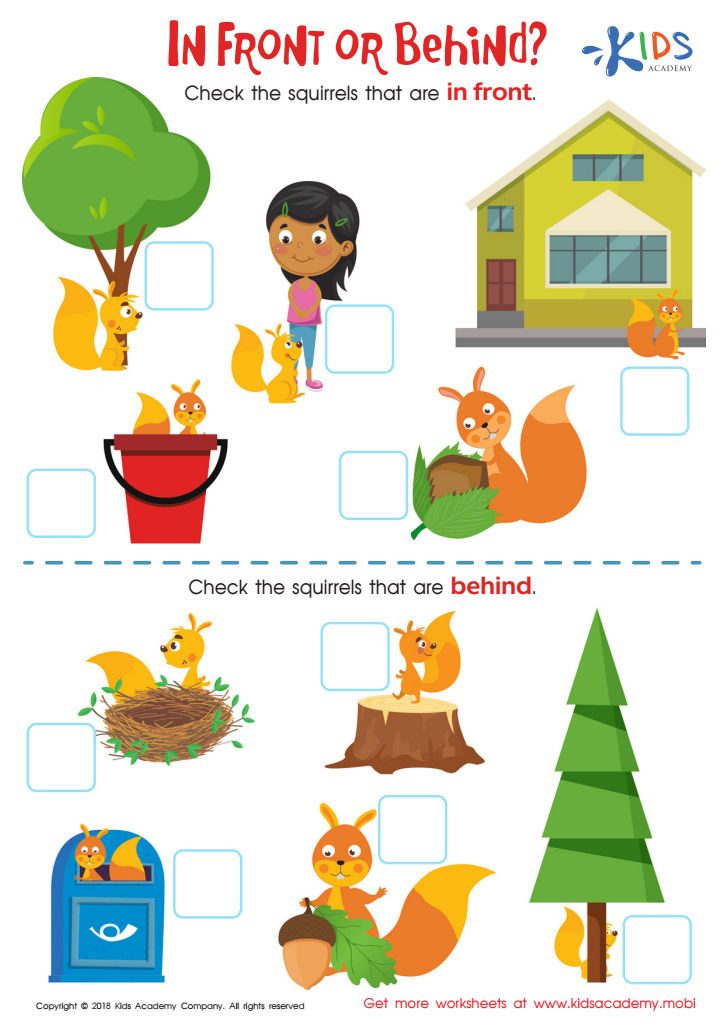
In Front or Behind: Part 2 Worksheet
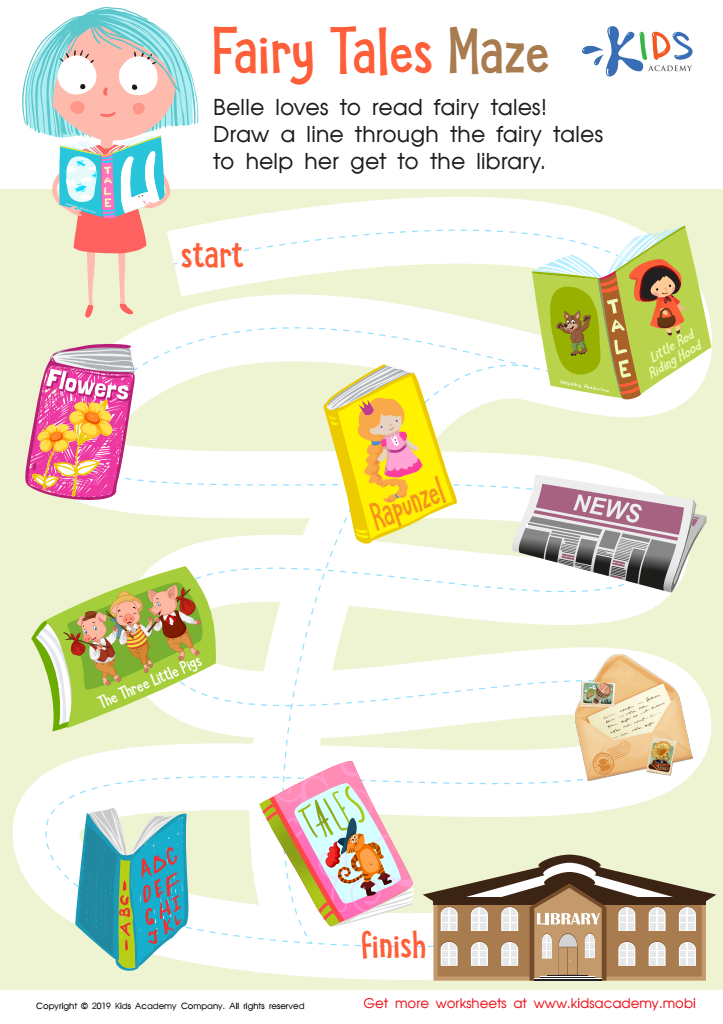
Fairy Tales Maze Worksheet
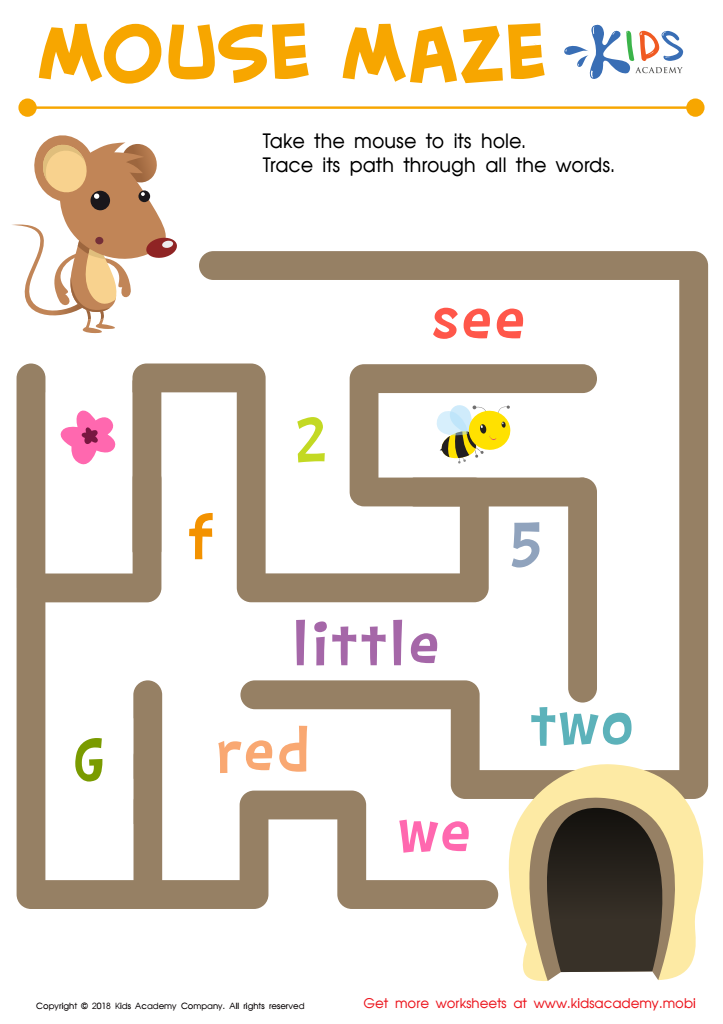
Find Words Mouse Maze Worksheet
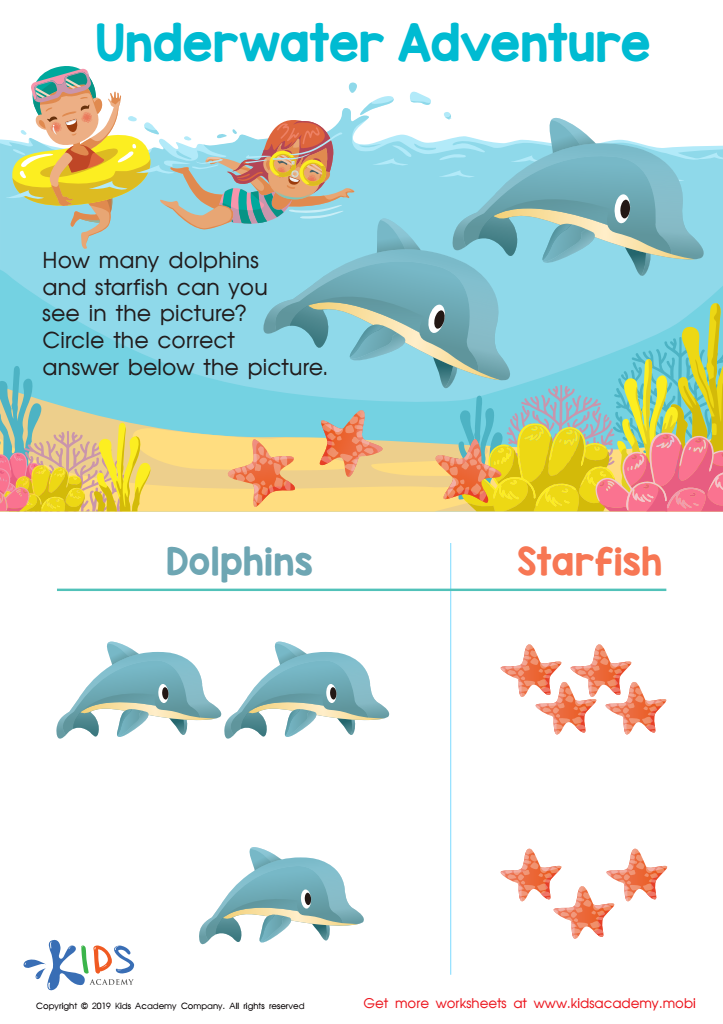
Underwater Adventure Worksheet
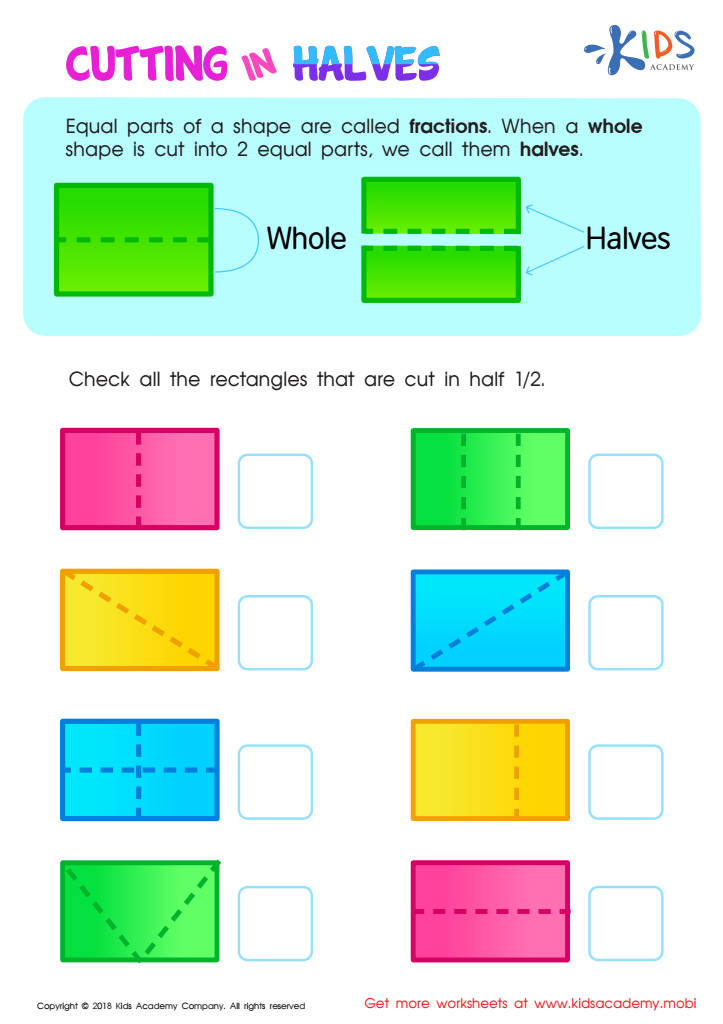
Cutting in Halves Worksheet
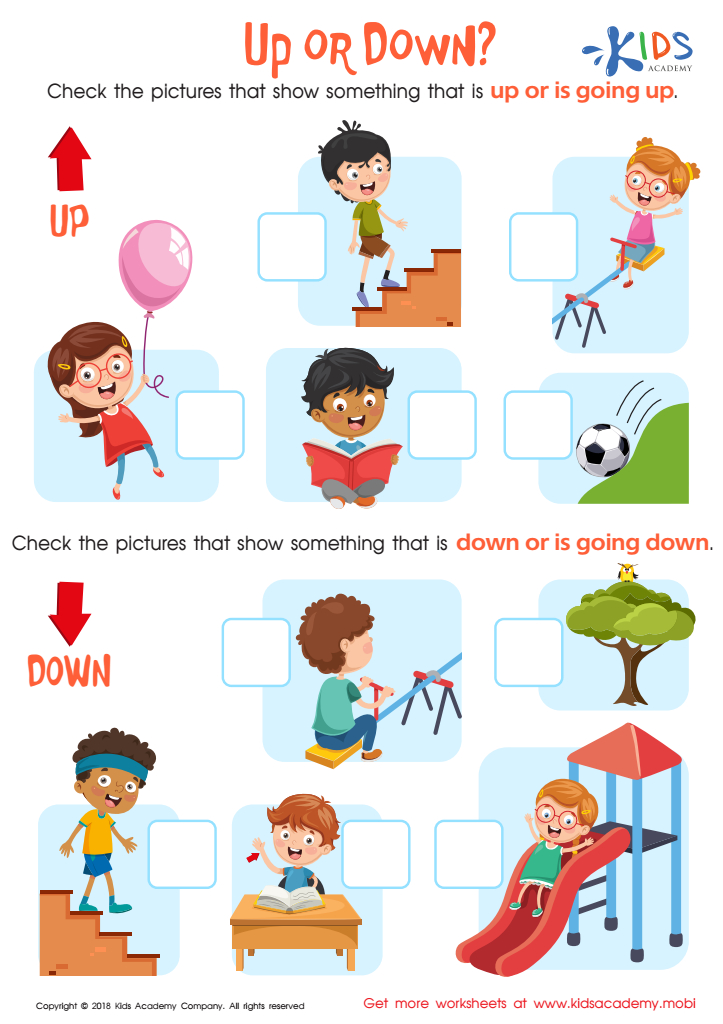
Up or Down Worksheet
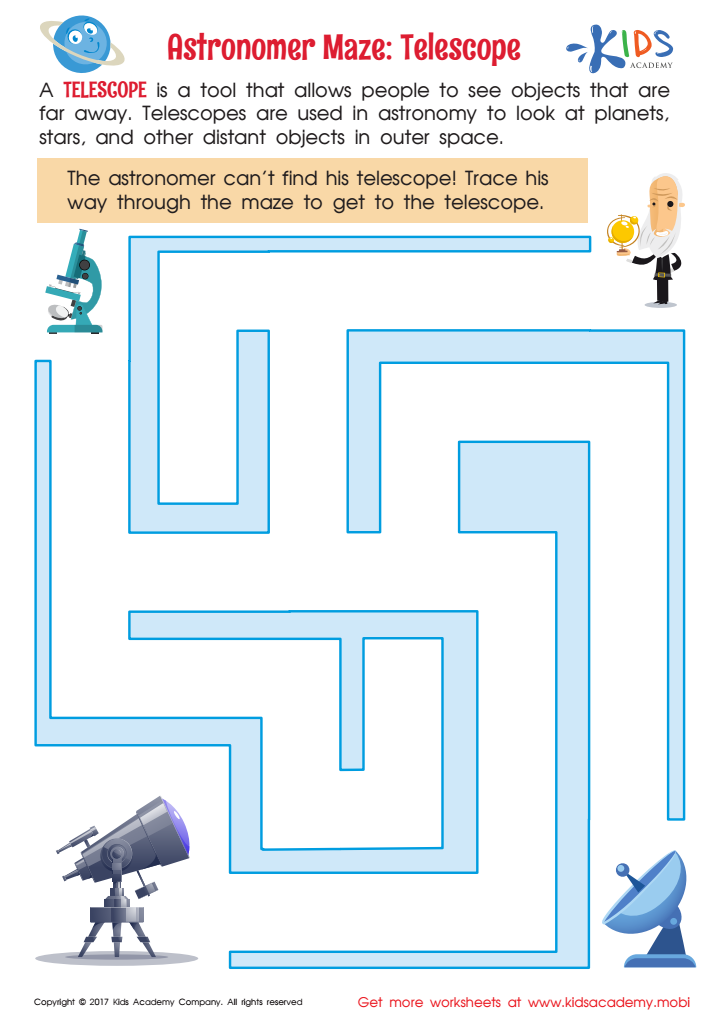
Astronomer Maze: Telescope Worksheet
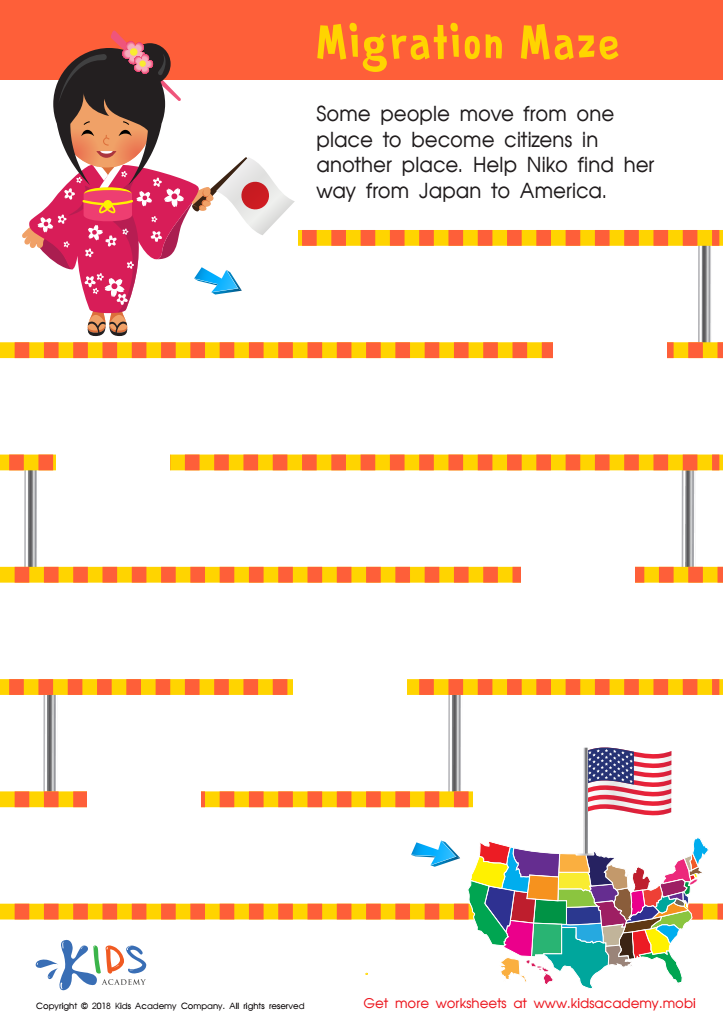
Migration Maze Worksheet
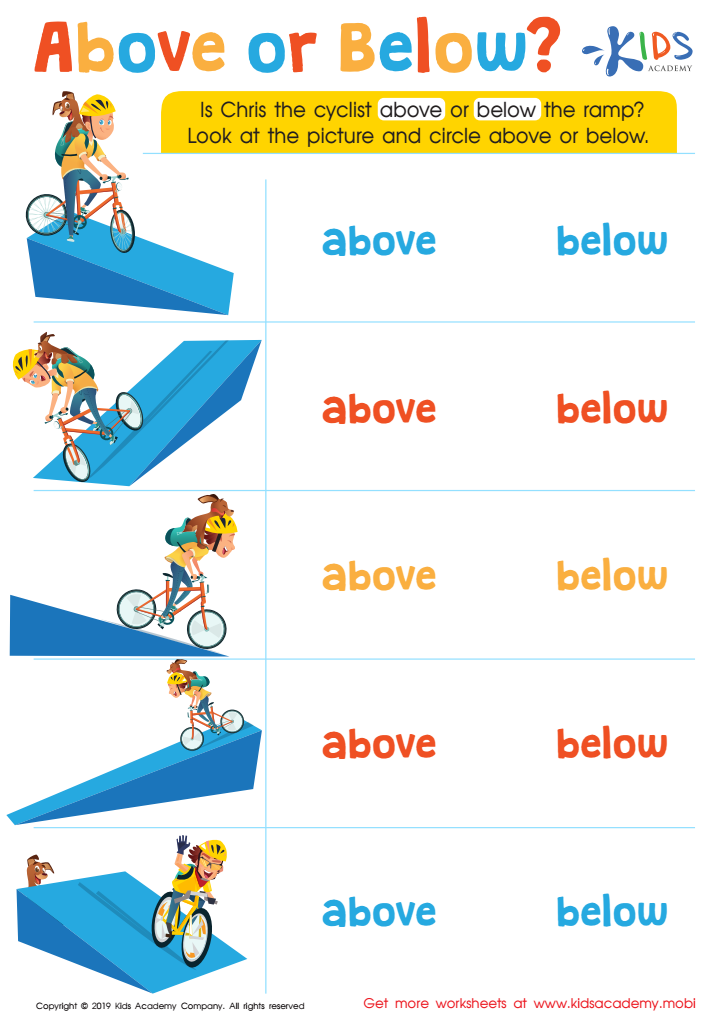
Above or Below? Worksheet








Spatial awareness is a critical developmental milestone for children aged 4-6, and it holds significant importance for both parents and teachers. This skill allows children to understand and navigate their physical environment, which lays the foundation for future learning in mathematics, science, and everyday tasks. By honing spatial awareness, children learn concepts such as direction, distance, and shape, which are essential for problem-solving and critical thinking.
For parents, fostering spatial awareness helps support their child's cognitive and social skills. Activities like puzzles, building blocks, and outdoor play not only enhance spatial reasoning but also promote fine motor skills and teamwork. These interactions create a supportive environment for exploration and learning.
Teachers, on the other hand, play a vital role in facilitating opportunities for spatial development through structured play and curriculum integration. When children engage in group activities that encourage navigation and movement, they boost their confidence and cooperation skills. Recognizing and nurturing spatial awareness can lead to improved academic performance as children progress in their education.
Ultimately, caring about spatial awareness is about equipping children with the necessary tools to thrive in various aspects of life, setting them up for a successful future.








