Understanding number value Worksheets for Ages 4-6
3 filtered results
-
From - To
Unlock your child's mathematical potential with our "Understanding Number Value Worksheets" designed for ages 4-6! These engaging and colorful worksheets introduce young learners to the foundational concepts of number recognition, counting, and the value of numbers. Using fun activities like counting objects, matching numbers, and identifying quantities, children will develop essential skills that prepare them for future mathematical learning. Each worksheet is crafted to foster critical thinking and problem-solving abilities while ensuring a fun and interactive learning experience. Perfect for home or classroom use, our worksheets make learning numbers enjoyable and effective. Start your child's journey to math mastery today!
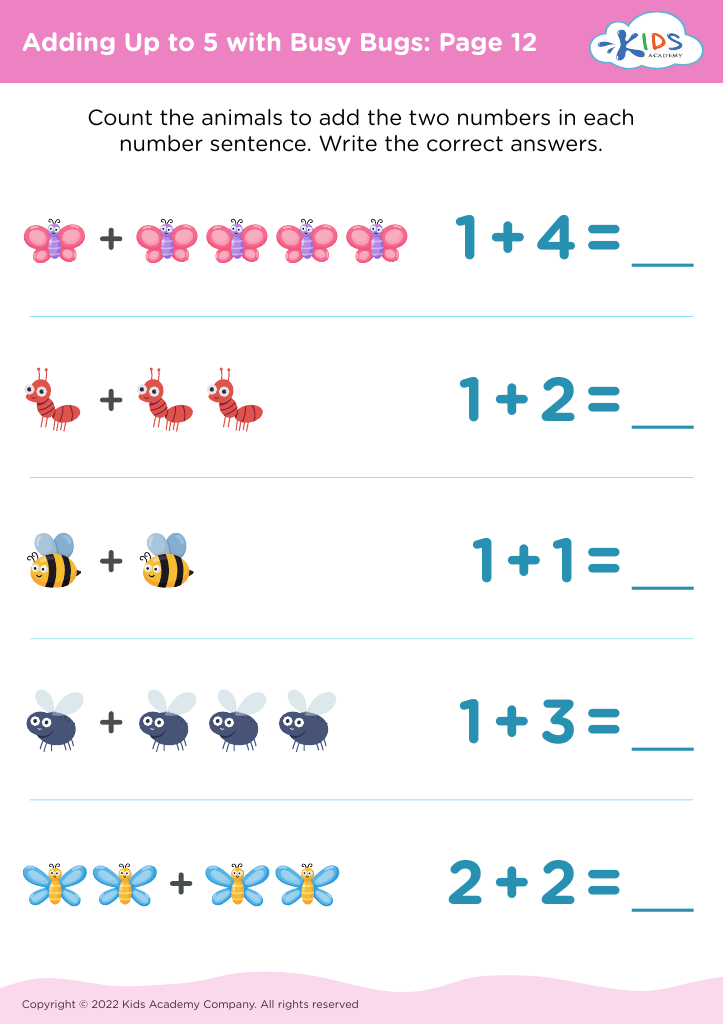
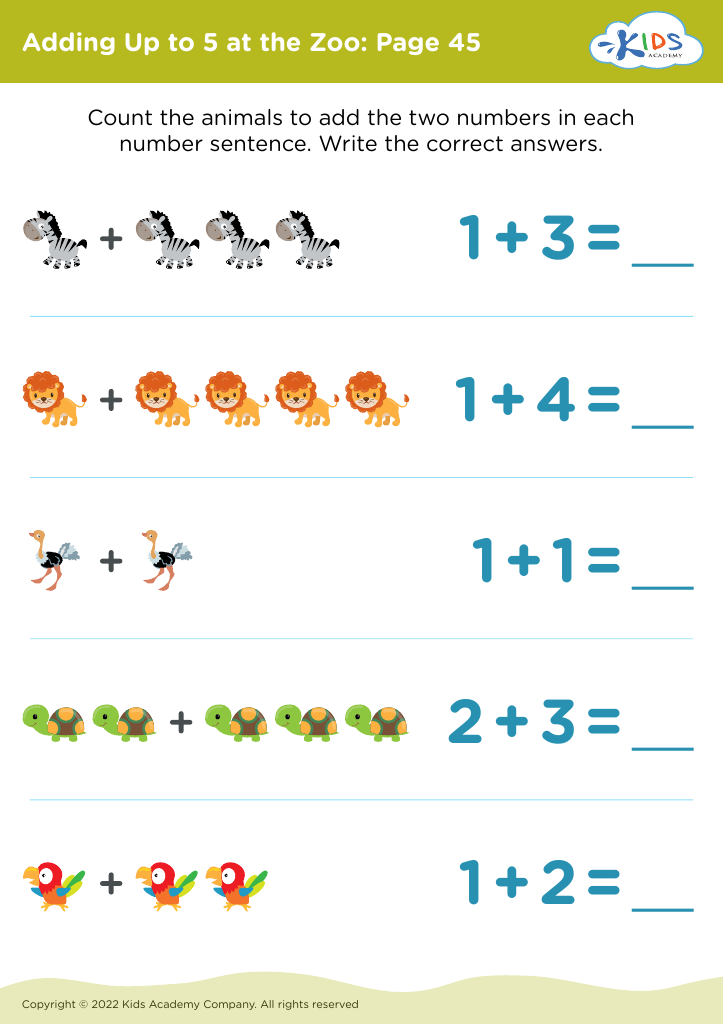
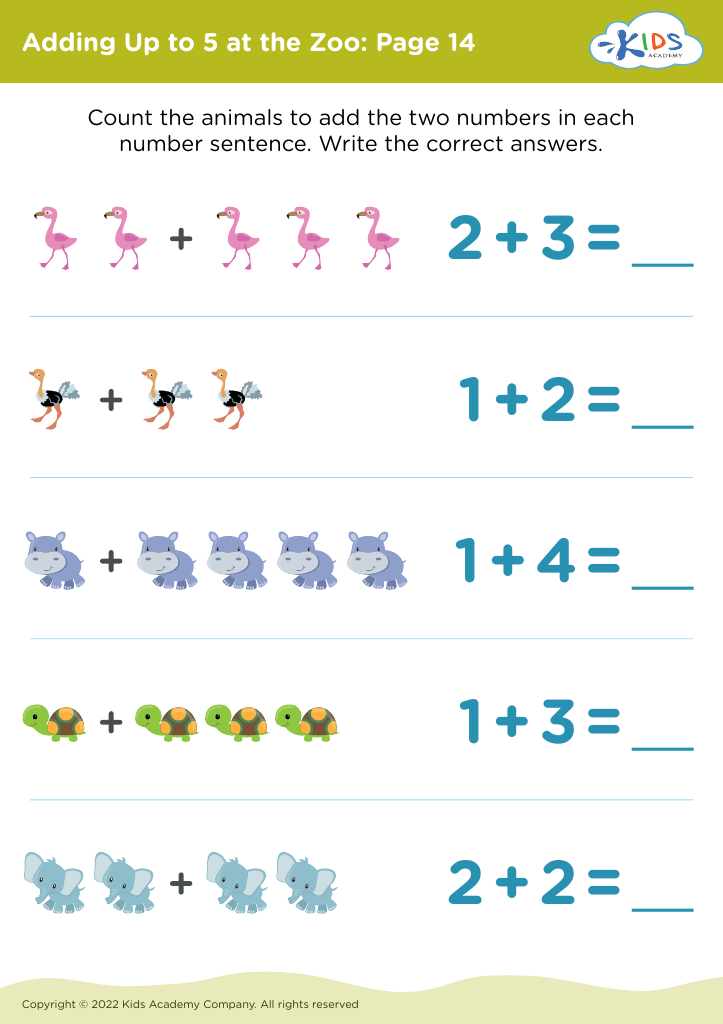








Understanding number value is crucial for children ages 4-6, as it lays the cornerstone for their future math skills. At this developmental stage, children transition from recognizing numbers to grasping their significance. This foundational knowledge enables them to comprehend concepts like counting, addition, and subtraction, which are essential for everyday problem-solving.
When parents and teachers encourage an understanding of number value, they help children develop a sense of quantitative reasoning. This comprehension not only aids in academic achievement but also fosters critical thinking skills that apply beyond mathematics. For instance, recognizing that "five" is greater than "three" helps children make comparisons and informed decisions in various contexts.
Furthermore, strong early numeracy skills instill confidence and a positive attitude toward math, reducing anxiety and resistance to the subject as they grow. Engaging in playful activities that incorporate number value—like counting objects, utilizing number games, or incorporating real-world scenarios—can make learning enjoyable and impactful.
Ultimately, a solid grasp of number value equips children with essential life skills, ensuring they are better prepared to tackle the numeracy demands of the future. Thus, fostering this understanding should be a priority for both parents and educators.








