Understanding shapes Worksheets for Ages 4-6
6 filtered results
-
From - To
Introduce your little ones to the exciting world of shapes with our engaging Understanding Shapes Worksheets designed specifically for ages 4 to 6. These worksheets offer a fun and interactive way for preschoolers and kindergartners to recognize, name, and differentiate various shapes. With a variety of activities, including tracing, coloring, and matching, children will develop essential visual and critical thinking skills. Our resources are perfect for at-home learning or as supplementary materials in the classroom. Start fostering your child’s creativity and cognitive abilities today with these teacher-approved, easy-to-use worksheets that make learning shapes a delightful experience!
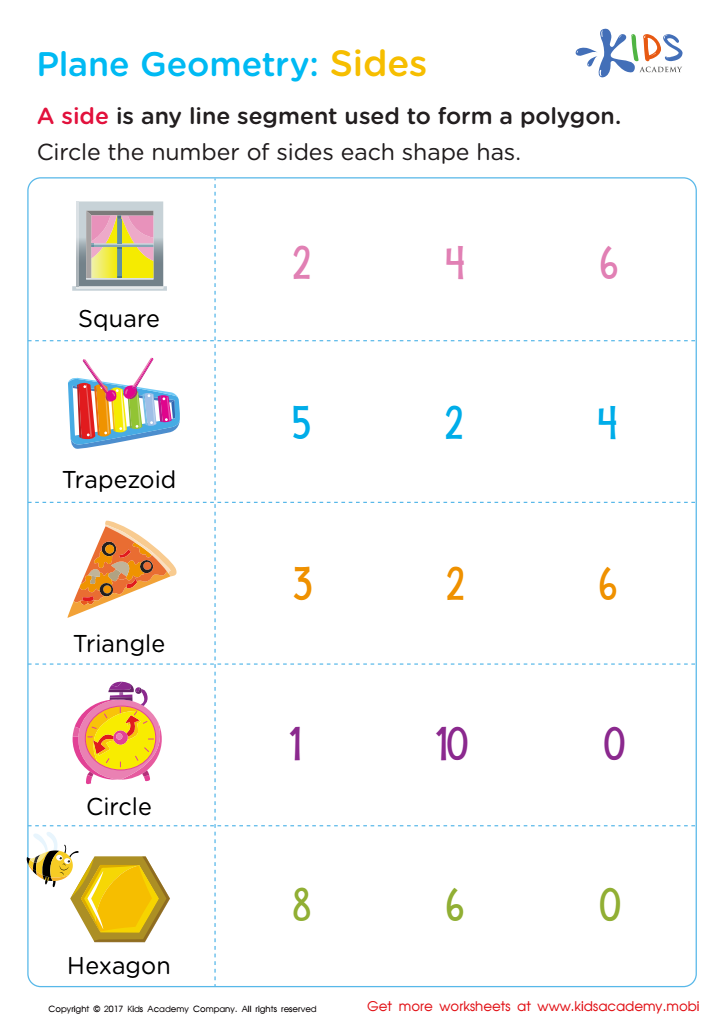
 Assign to My Students
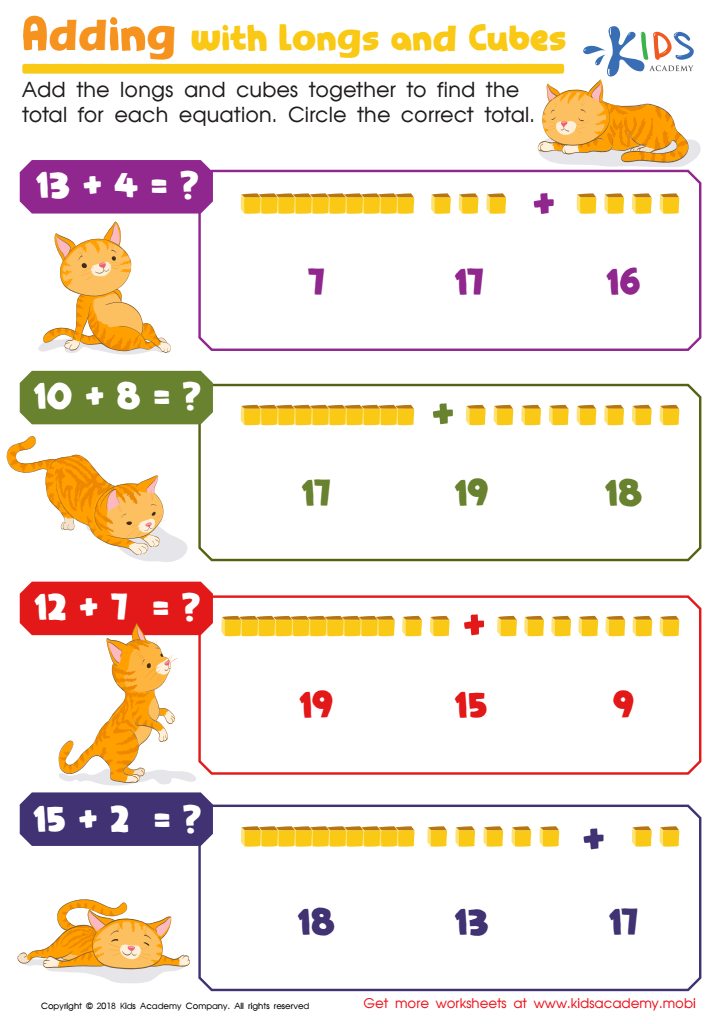
Adding With Longs and Cubes Worksheet
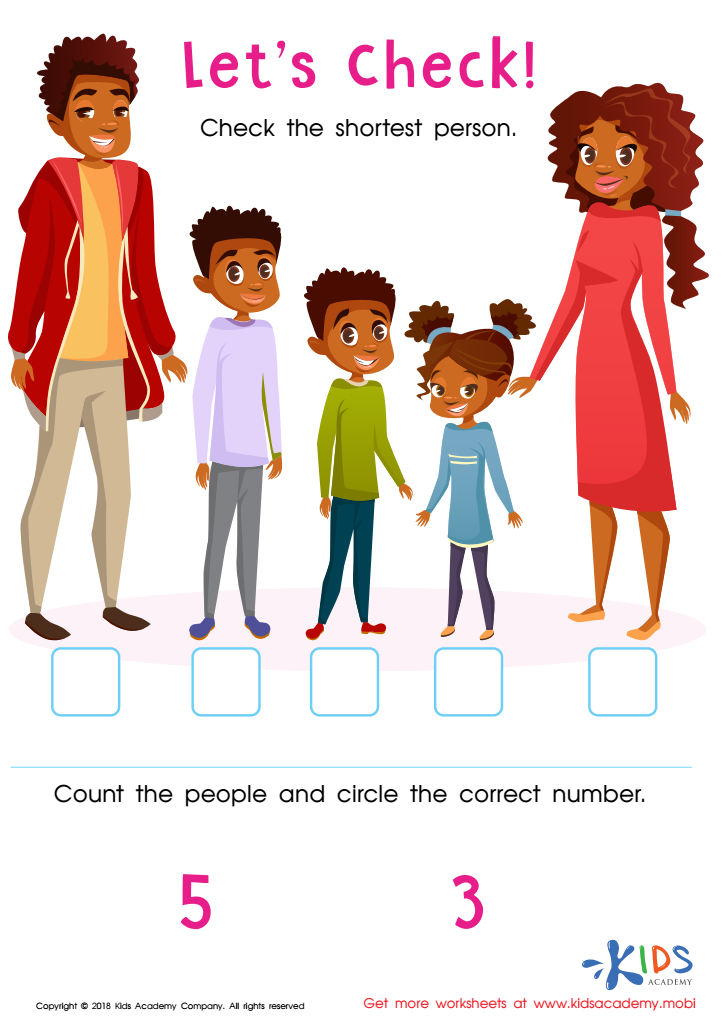
Let's Check! Assessment Worksheet
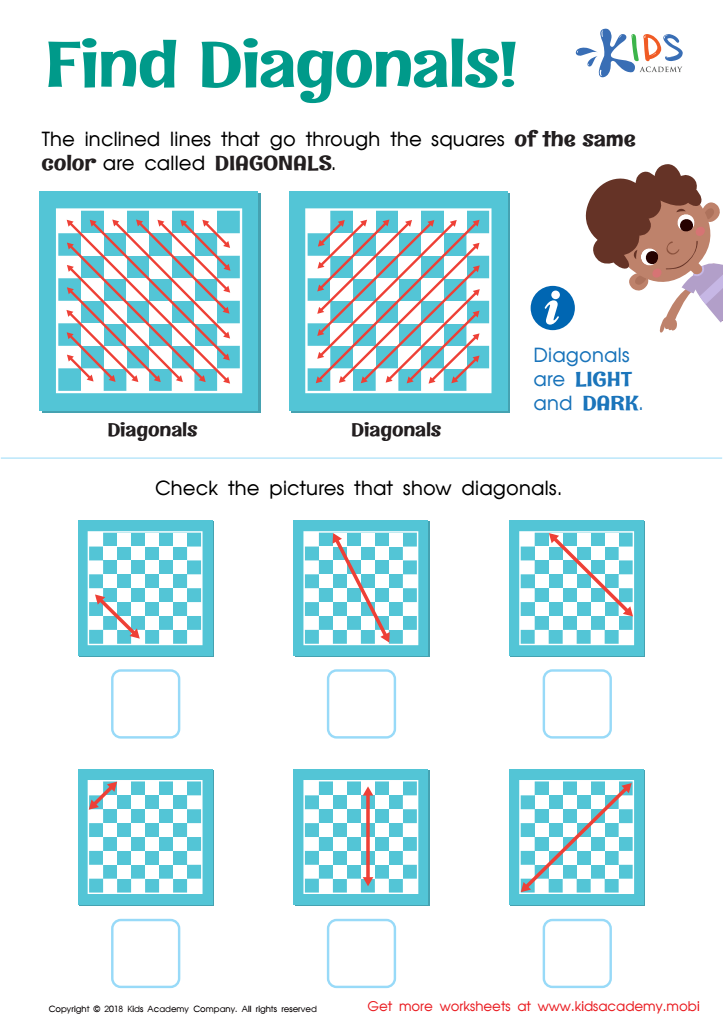
Find Diagonals Worksheet
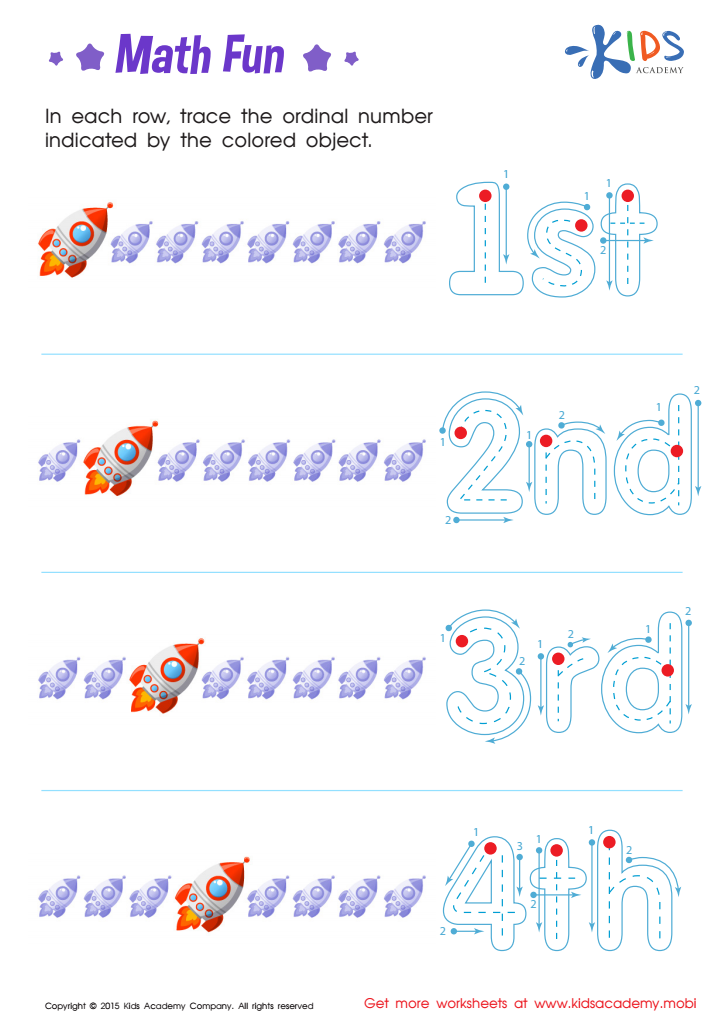
Ordinal Numbers: Math Fun Worksheet
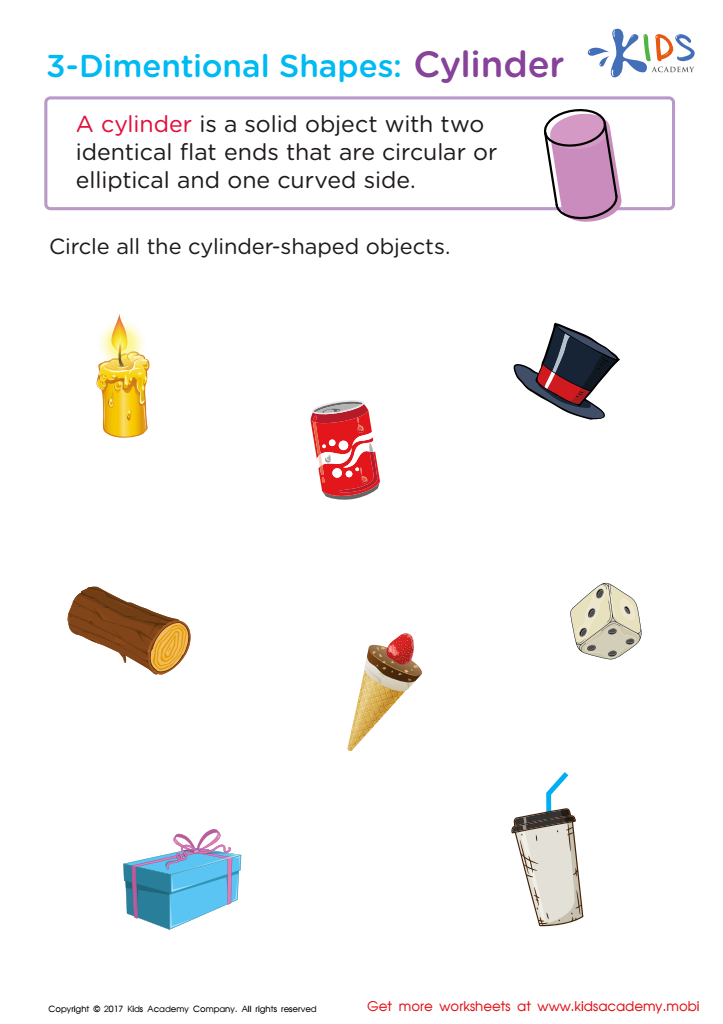
Three–Dimensional Shapes: Cylinder Worksheet




.jpg)



Understanding shapes is crucial for young children aged 4-6 as it lays the groundwork for various cognitive, social, and motor skills. At this formative stage, learning about shapes helps develop spatial awareness, enhancing children's ability to navigate their environment and understand relationships between objects. Recognizing shapes contributes to critical thinking and problem-solving skills as children learn to categorize and make connections in their world.
In math, familiarity with shapes is essential for concepts like geometry, measurement, and spatial reasoning, paving the way for more advanced mathematical understanding in later years. Engaging with shapes also fosters creativity and imagination, as children explore patterns and designs in art and play.
Moreover, when children engage with shapes through hands-on activities, they refine fine motor skills and practice coordination. This kinesthetic learning is instrumental in fostering confidence and encouraging curiosity. This experience also offers opportunities for parents and teachers to engage in meaningful conversations and joint activities, strengthening bonds and communication.
Ultimately, investing time in shape recognition not only supports academic achievement but also cultivates a strong foundation for lifelong learning, exploration, and critical thinking, helping children thrive in various aspects of their lives.








