Understanding symmetry Worksheets for Ages 4-6
11 filtered results
-
From - To
Unlock the world of symmetry with our engaging "Understanding Symmetry Worksheets" tailored for ages 4-6! Designed to enhance early math skills, these worksheets introduce young learners to the fundamentals of symmetry through enjoyable and hands-on activities. From matching symmetrical shapes, to creating their own symmetrical drawings, children will explore and understand the concept in a playful manner. Perfect for developing critical thinking and spatial awareness, these worksheets make learning fun and interactive. Ideal for supplementing classroom lessons or home practice, our symmetry worksheets pave the way for mathematical curiosity and success in your child's educational journey.
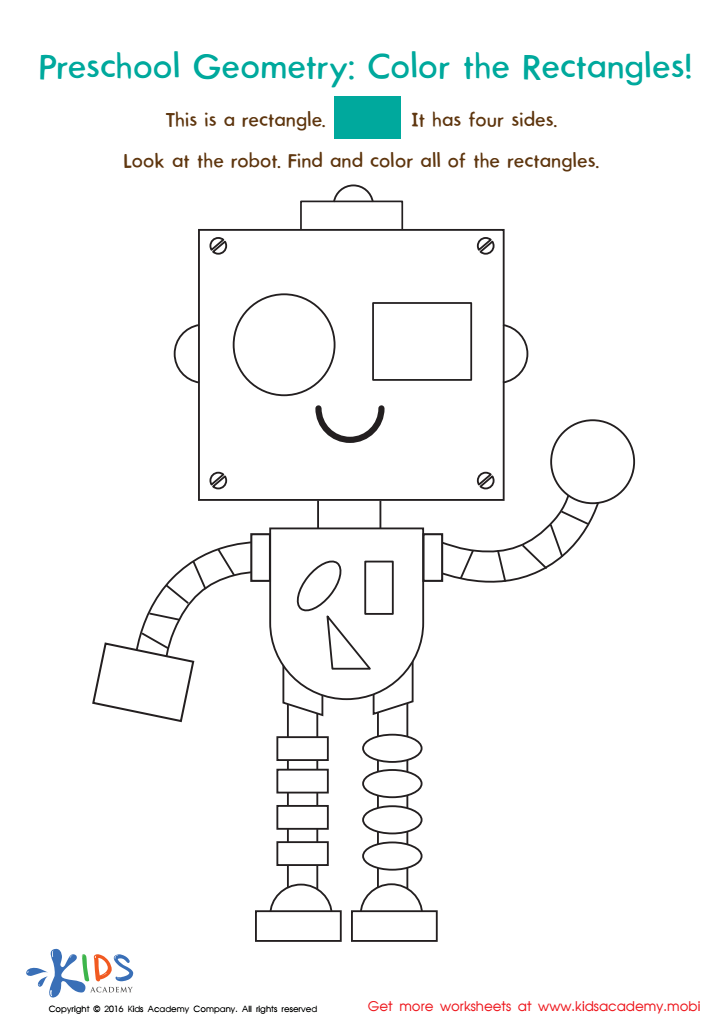
Geometry Worksheet
 Assign to My Students
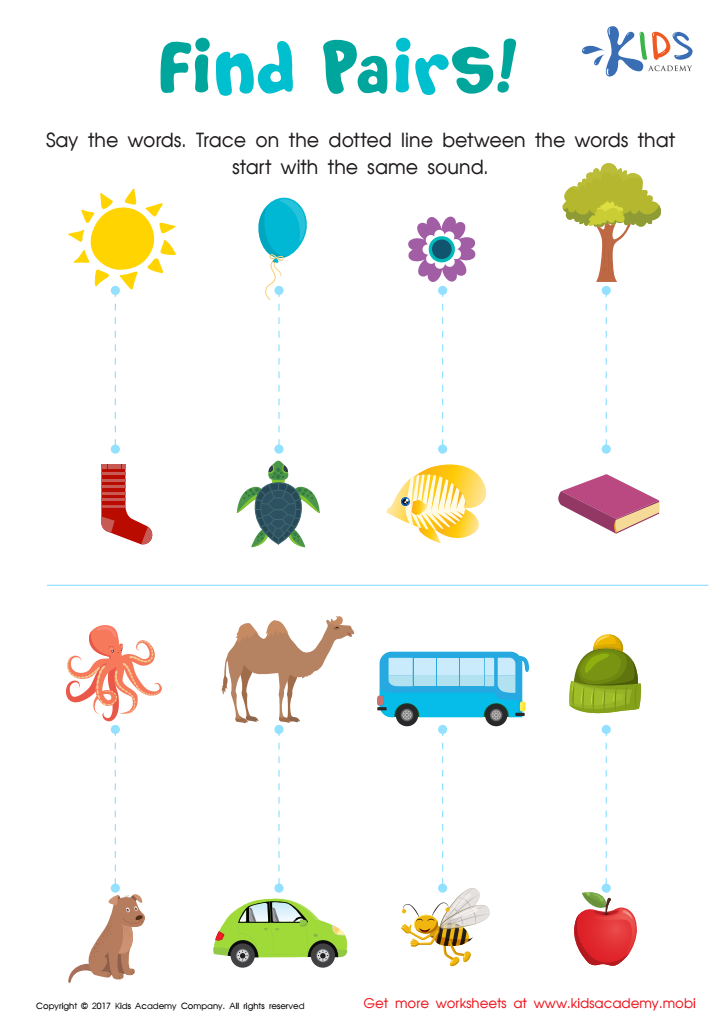
Beginning Sound: Find Pairs Worksheet
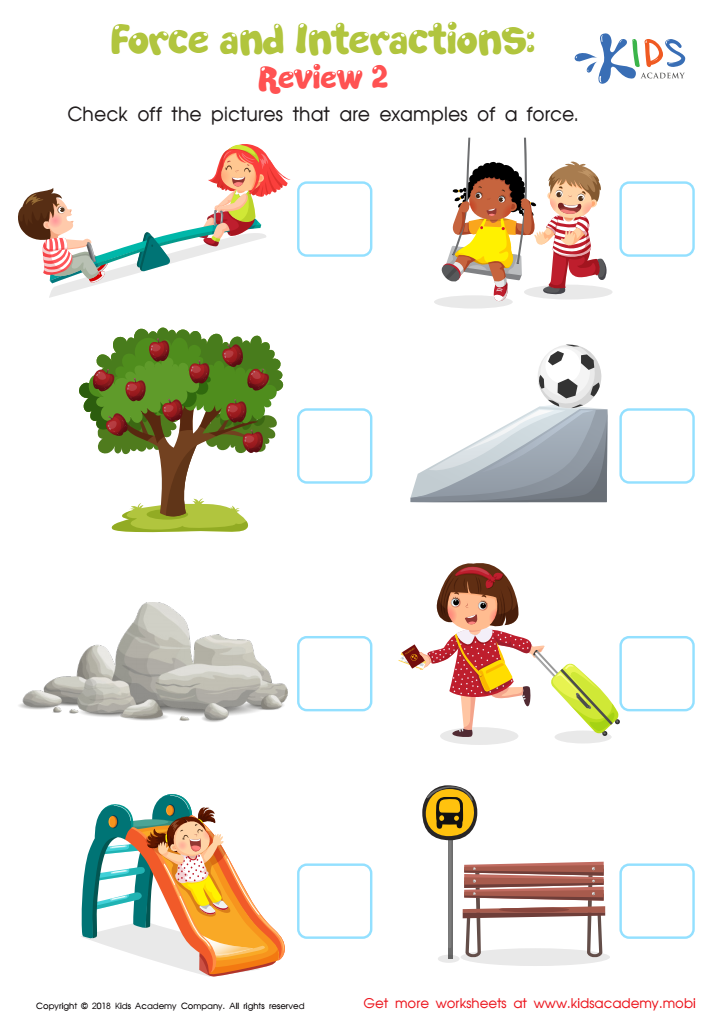
Force and Interactions: Review 2 Worksheet
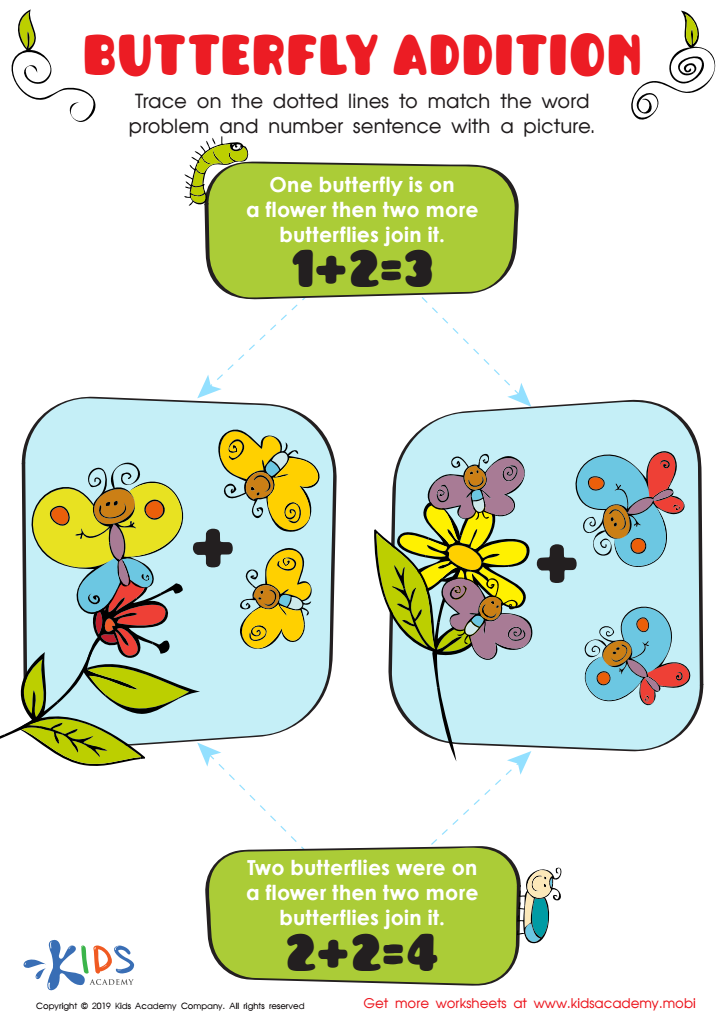
Butterfly Addition Worksheet
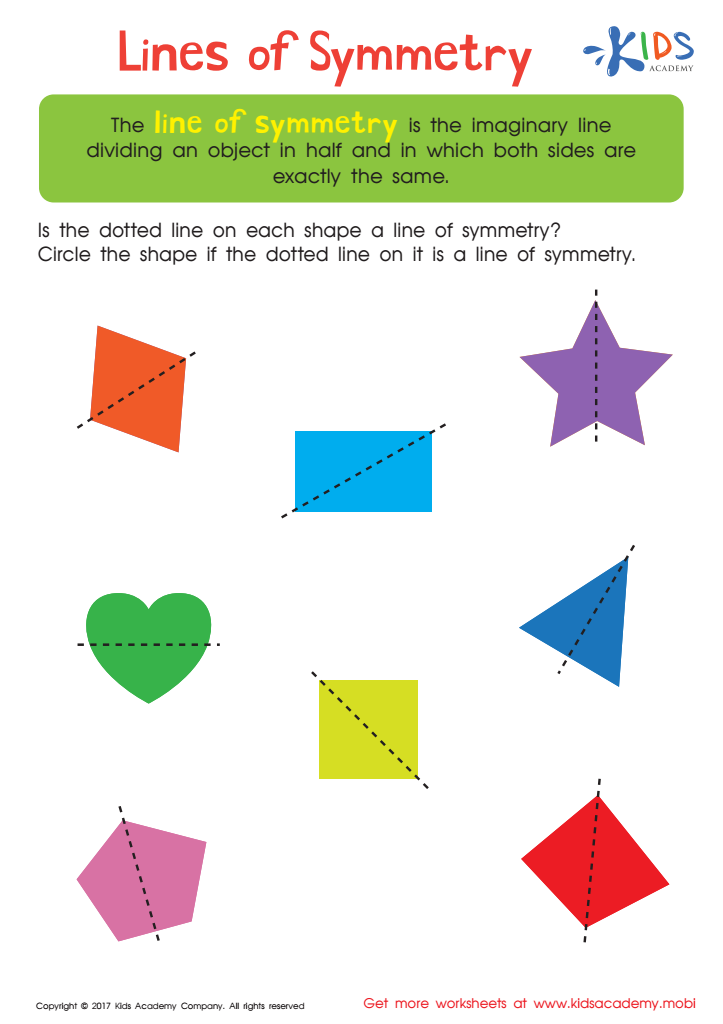
Lines of Symmetry Printable
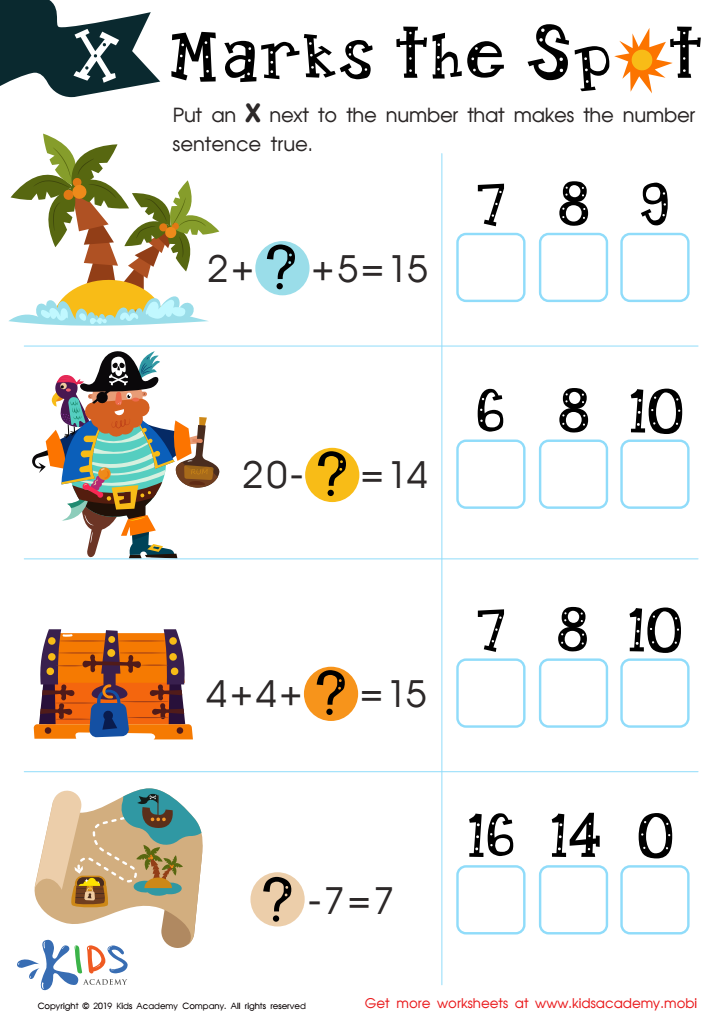
X Marks the Spot Worksheet
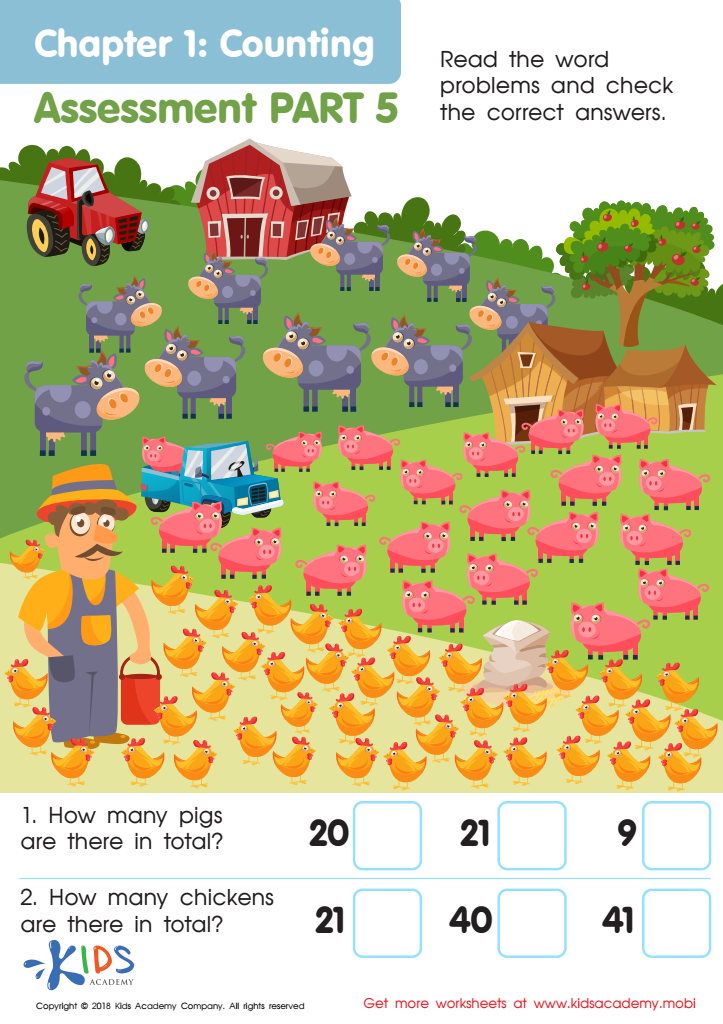
Counting: Assessment 5 Worksheet
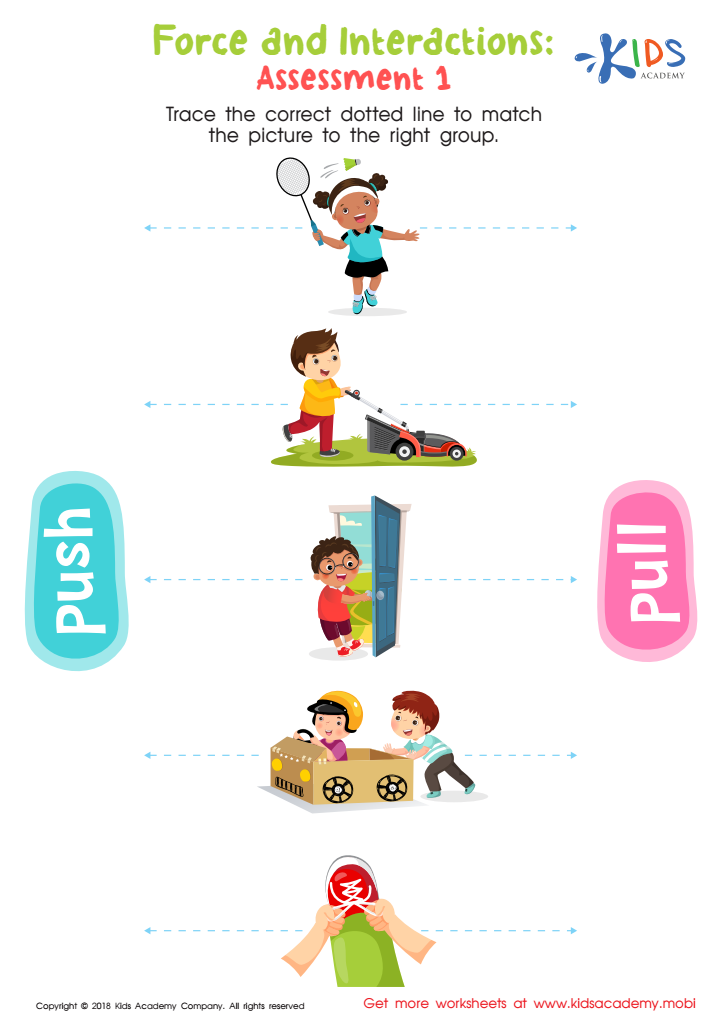
Force and Interactions: Assessment 2 Worksheet







Understanding symmetry is crucial for young children aged 4-6 because it lays the foundation for mathematical, artistic, and cognitive development. At this early age, children are naturally inclined to notice patterns and shapes in their environment, and symmetry is a basic and universal concept that helps them make sense of the world around them.
Symmetry enhances spatial awareness and visual perception, skills that are essential for recognizing patterns, shapes, and structures. When children identify and create symmetric objects, they exercise critical thinking and problem-solving skills. This forms a crucial part of early math education, setting the stage for more complex concepts like geometry and algebra.
Additionally, symmetry plays a critical role in developing fine motor skills and hand-eye coordination. Activities such as folding paper, drawing symmetric shapes, or arranging objects help to refine these abilities. This not only aids in academic tasks but also in daily activities like writing and tying shoelaces.
Moreover, an early appreciation of symmetry fosters creativity and artistic expression. Children who recognize and appreciate balanced designs are more likely to create visually appealing artwork, enhancing their self-expression.
Therefore, an understanding of symmetry offers a multitude of benefits—bolstering academic skills, fine motor development, and creative abilities—that provide a strong foundation for future learning and growth.








