Verb identification Worksheets for Ages 4-6
3 filtered results
-
From - To
Introduce the young learners in your life to the concept of verbs with our specially designed Verb Identification Worksheets for Ages 4-6. These engaging worksheets help children effortlessly spot and identify action words while building essential language skills. Featuring colorful illustrations and playful activities, our worksheets make learning dynamic and fun. Perfect for kindergarten and early graders, these resources enhance reading comprehension and vocabulary. Empower your kids to master verbs at an early age with activities that spark joy and curiosity, available at Kids Academy's comprehensive free printable collection. Make the first steps in language arts exciting and memorable!
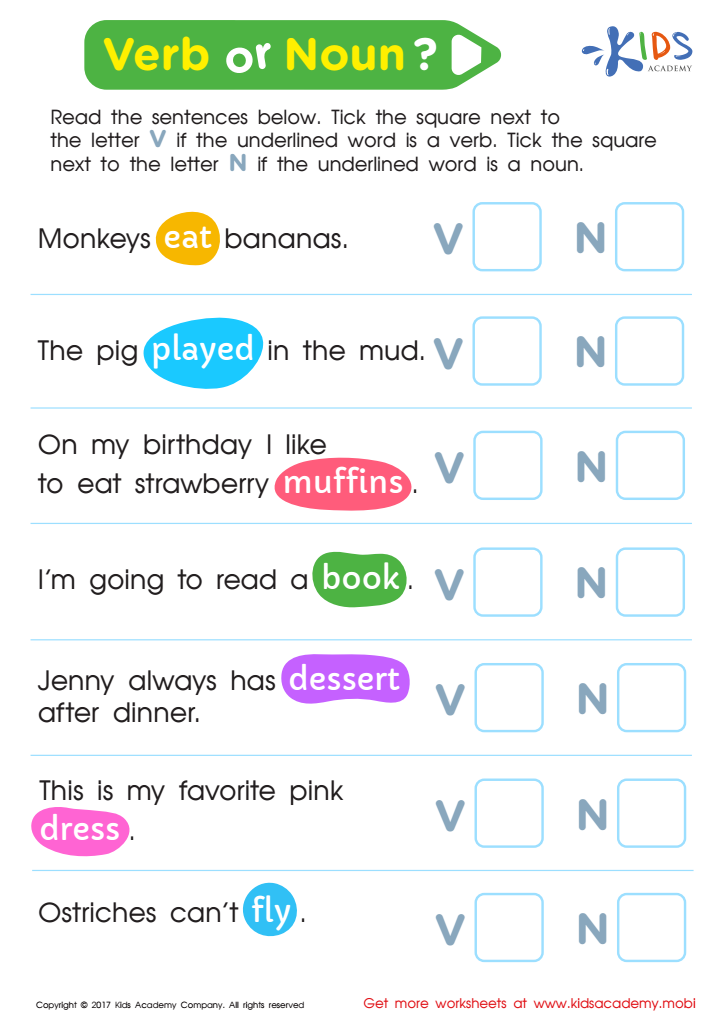
Verb or Noun Worksheet
 Assign to My Students
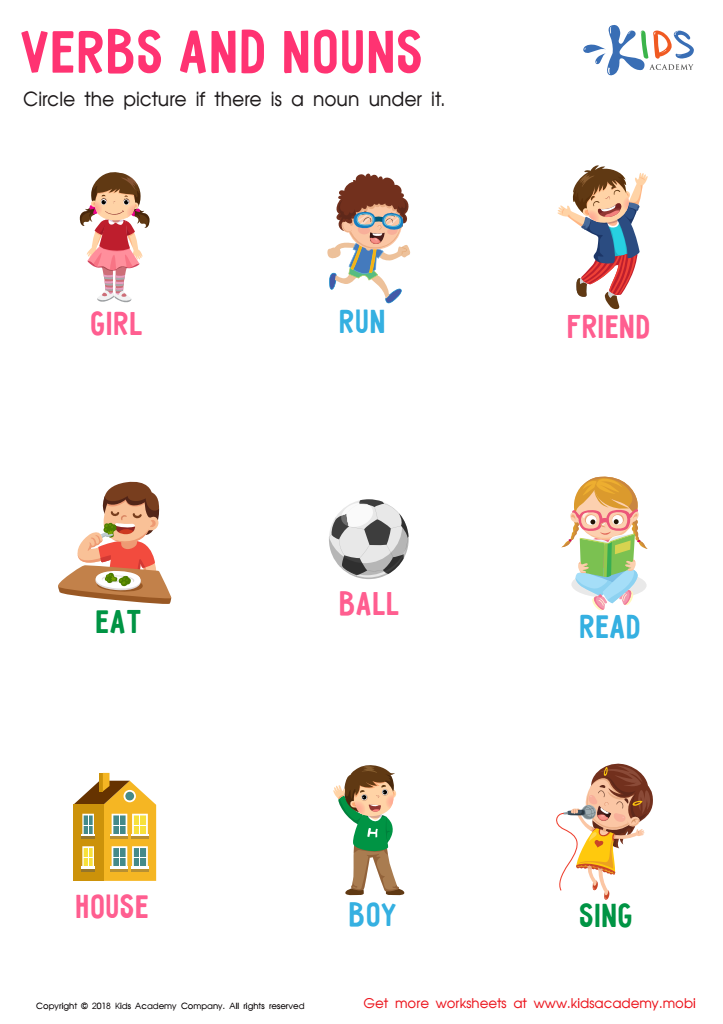
Verbs and Nouns Worksheet
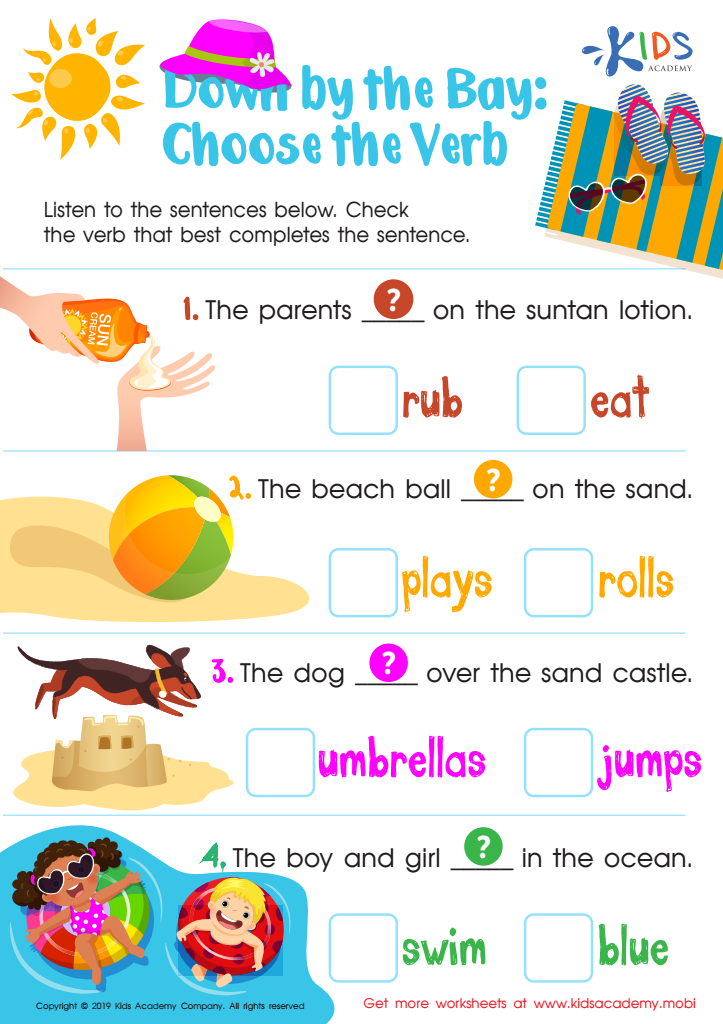
Down by the Bay: Choose the Verb Worksheet







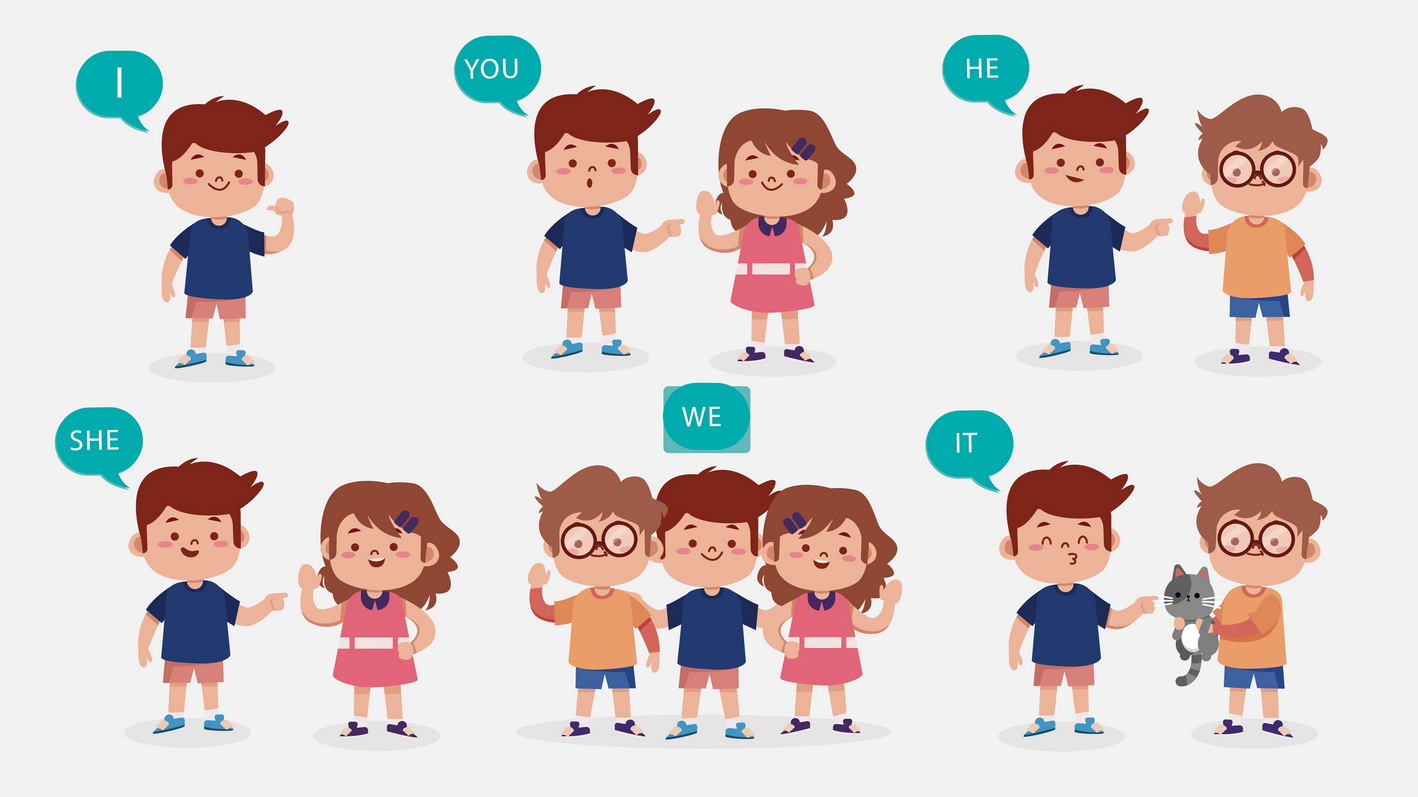
Verb identification holds significant importance for children ages 4-6, as it lays the foundation for crucial language and cognitive skills. At this stage, children are naturally curious and capable of absorbing new concepts rapidly. Recognizing verbs, or action words, enhances their speaking, listening, reading, and writing abilities, allowing for clearer and more dynamic communication.
Understanding verbs helps children structure sentences properly, fostering grammar development. For instance, they learn that sentences often consist of a subject and a verb, gaining an understanding of how thoughts and actions are conveyed. This clarity in language aids in expressing their needs, sharing experiences, and interacting socially, directly affecting their emotional and social development.
Moreover, verb identification is linked to improved reading comprehension skills. When children can pinpoint actions in a story, they better grasp the narrative's flow and meaning. This skill also contributes to vocabulary expansion, as children become familiar with a range of actions and interactions, both in everyday conversations and in literature.
For teachers and parents, encouraging verb recognition nurtures a child's enthusiasm for language, sets the stage for academic success, and supports overall cognitive development. Books, games, and interactive activities centered around verbs can make learning engaging and enjoyable, ensuring foundational skills are built in a fun, intuitive manner.








