Visual-spatial skills Worksheets for Ages 4-6
3 filtered results
-
From - To
Enhance your child's development with our engaging Visual-Spatial Skills Worksheets for ages 4-6! Designed to foster critical thinking and problem-solving, these worksheets help young learners recognize shapes, understand spatial relationships, and improve observation skills. Fun and interactive activities, like puzzles and matching games, promote creativity and confidence in children. Ideal for preschool and kindergarten, these resources support early math concepts and encourage visual comprehension. Each worksheet is carefully crafted to align with developmental milestones, ensuring your child enjoys a playful learning experience. Explore our collection today to nurture your child's visual-spatial abilities and set them on a path for future success!
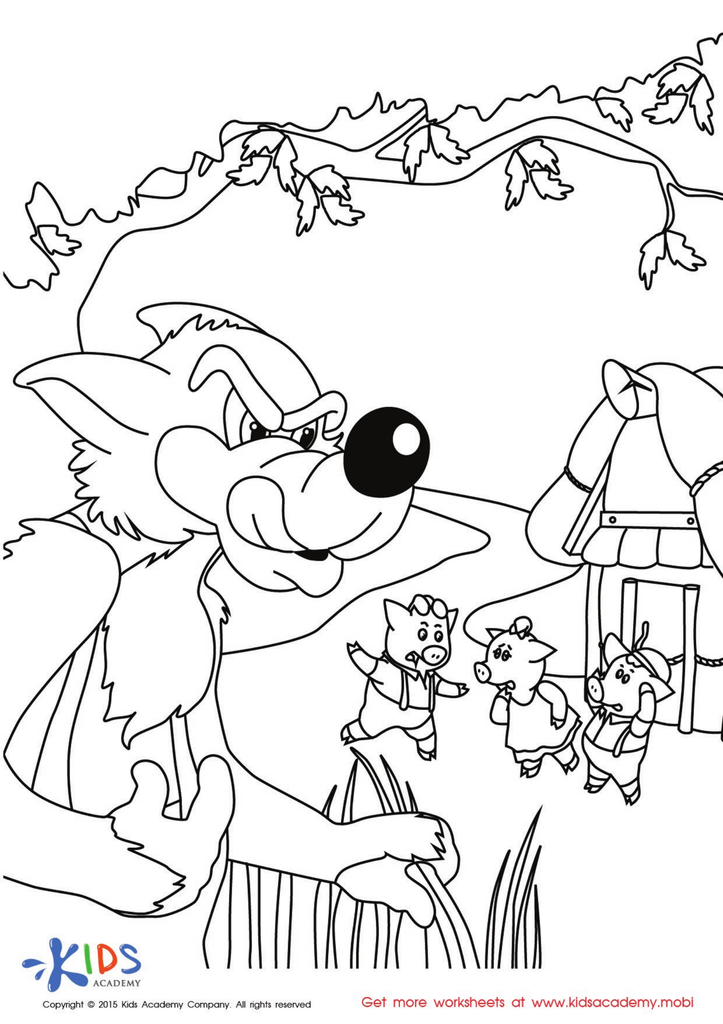
The Story of the Three Little Pigs Coloring Worksheet
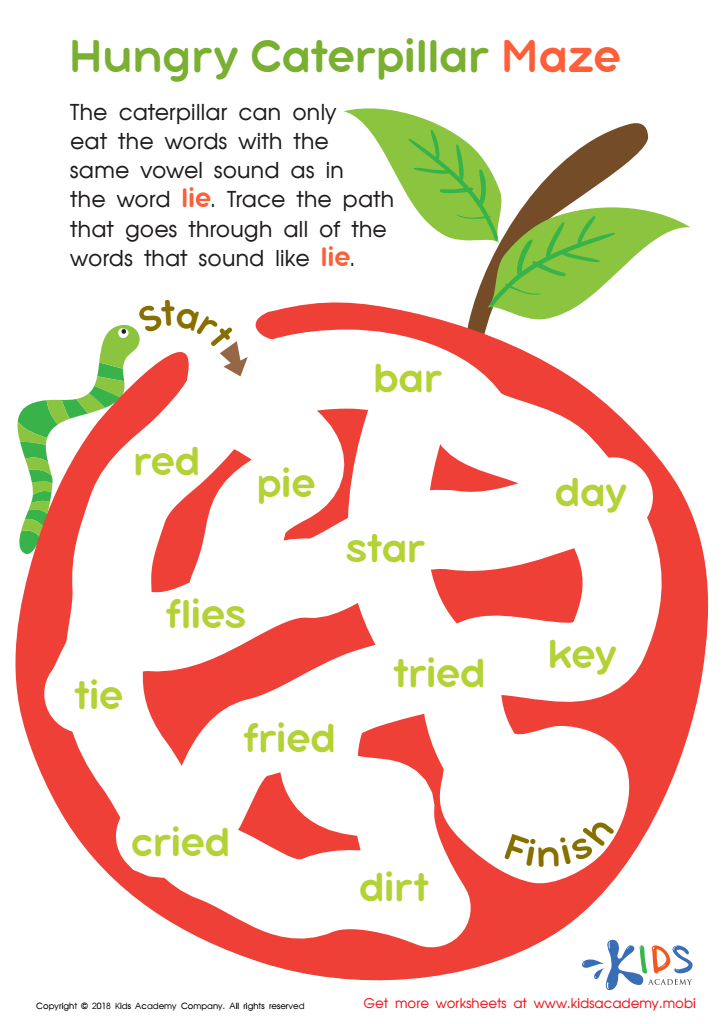
Hungry Caterpillar Maze Worksheet
 Assign to My Students
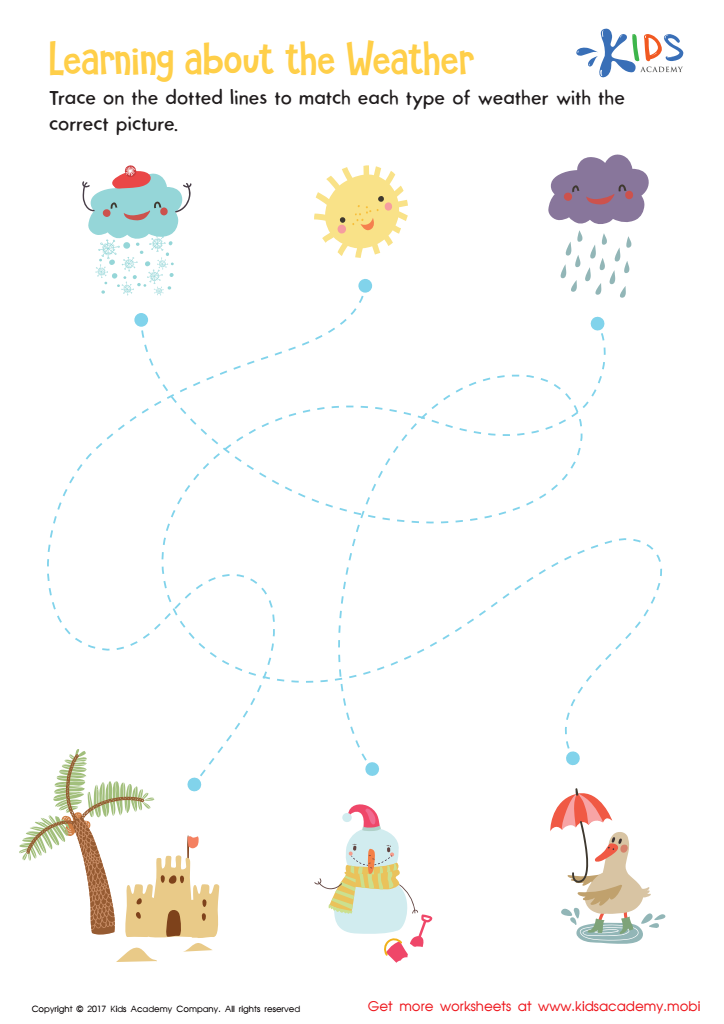








Visual-spatial skills, crucial for children aged 4-6, significantly impact their overall development and future learning capabilities. These skills enable children to understand and interpret visual information, grasp spatial relationships, and solve problems involving space and positioning. For parents and teachers, nurturing visual-spatial skills can lay a strong foundation for academic success, particularly in subjects like mathematics, science, and art.
At this early age, children naturally explore their environment, and cultivating their visual-spatial abilities can enhance their creativity, critical thinking, and motor skills. Engaging in activities like puzzles, building blocks, and drawing encourages children to manipulate and visualize objects, promoting cognitive development.
Furthermore, strong visual-spatial skills can lead to better problem-solving abilities. As children learn to navigate their world, they become adept at interpreting maps, understanding directions, and even writing and reading. This foundational skill contributes to higher levels of confidence and independence in children.
In sum, by prioritizing visual-spatial skill development, parents and teachers are investing in the holistic growth of children, equipping them with essential tools for learning and helping them navigate the increasingly complex world around them.








