
Basic Addition Skills Addition Facts Worksheets for Ages 4-6
4 filtered results
Difficulty Level
Grade
Age
-
From - To
Subject
Activity
Standards
Discover our engaging Basic Addition Skills worksheets designed specifically for children ages 4-6! These printable addition facts worksheets introduce foundational math concepts through fun and interactive activities. Perfect for early learners, they help develop crucial skills such as number recognition, counting, and simple addition. Each worksheet features colorful illustrations and age-appropriate challenges that foster a love for math while building confidence. Encourage your child’s academic growth with our carefully crafted resources, ensuring they grasp the essentials of addition in an enjoyable way. Visit our site to access these versatile worksheets and watch your little mathematician thrive!
Favorites
With answer key
Interactive
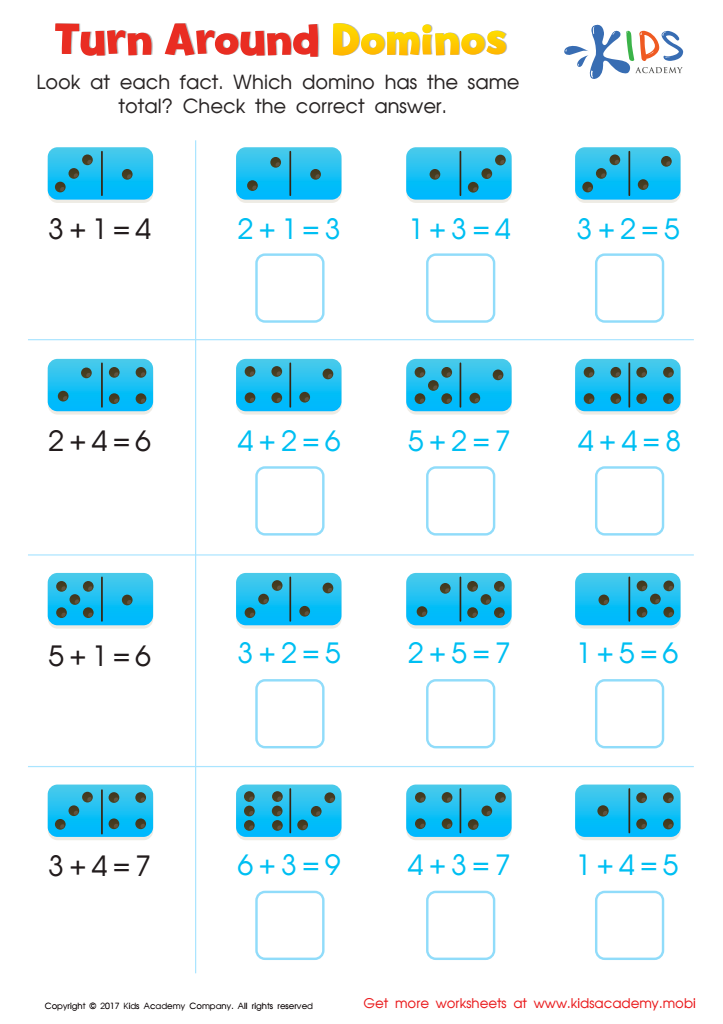
Turn Around Dominos Worksheet
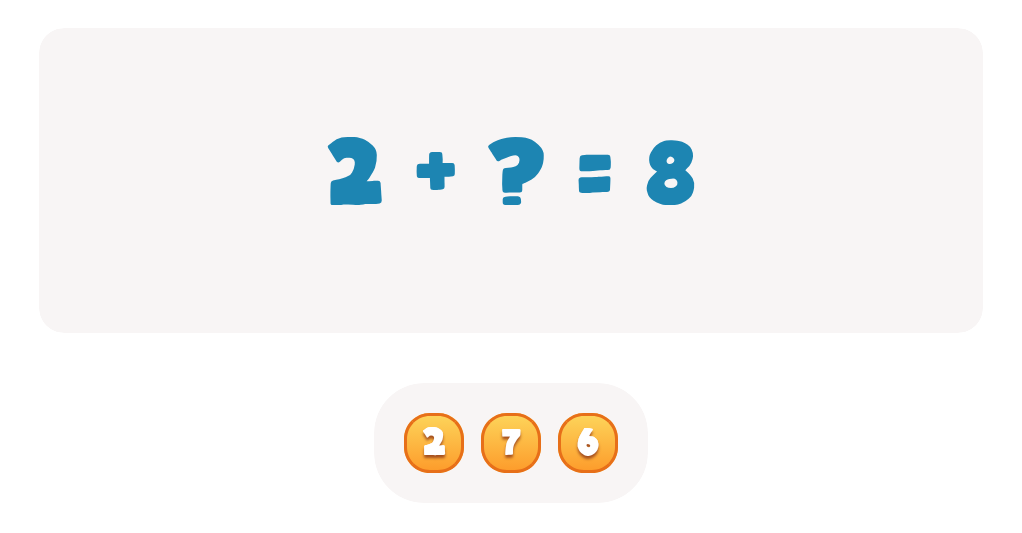
Encourage your child to flex their mental muscles with this math worksheet. Look through the left side's dominos and their values and then check the three boxes on the right. Ask your child if any of the right box's dominos are similar. This requires focus and careful observation.
 Assign to My Students
Turn Around Dominos Worksheet
Worksheet
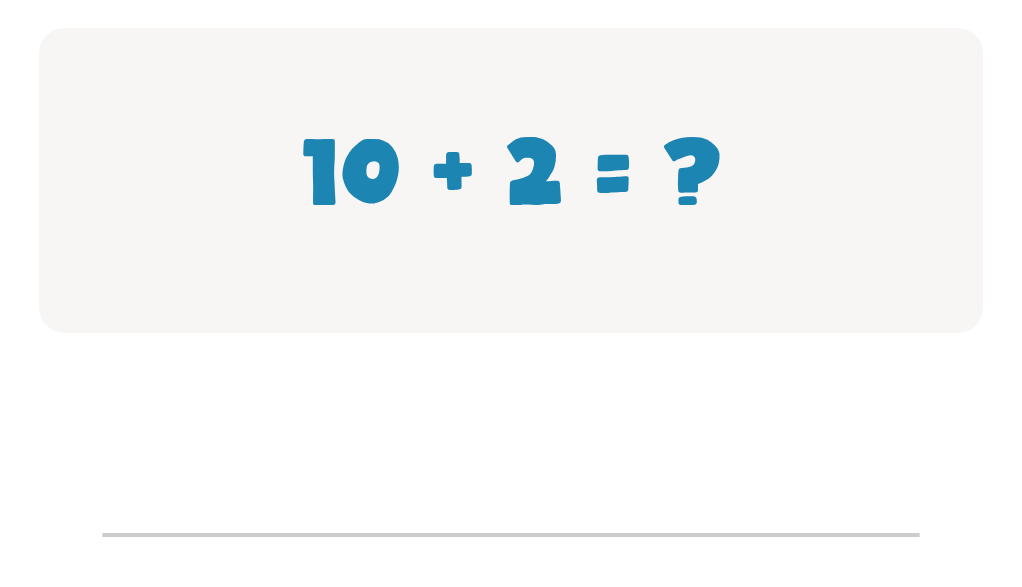

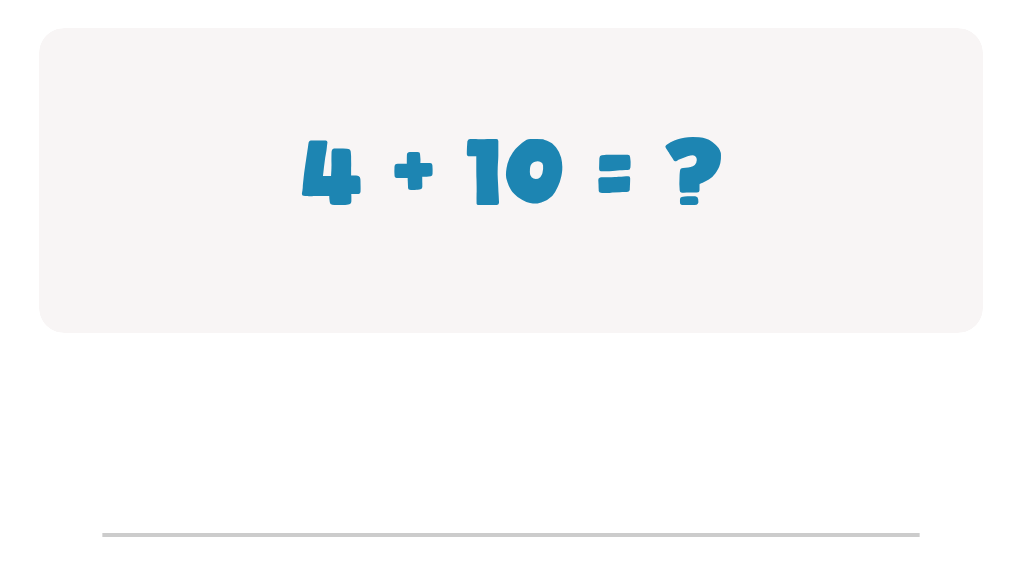
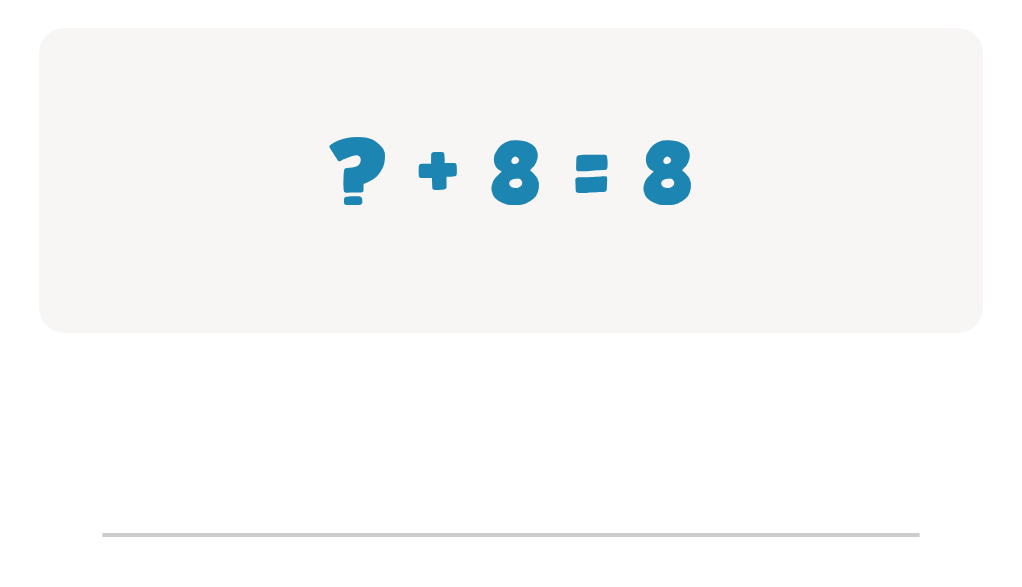

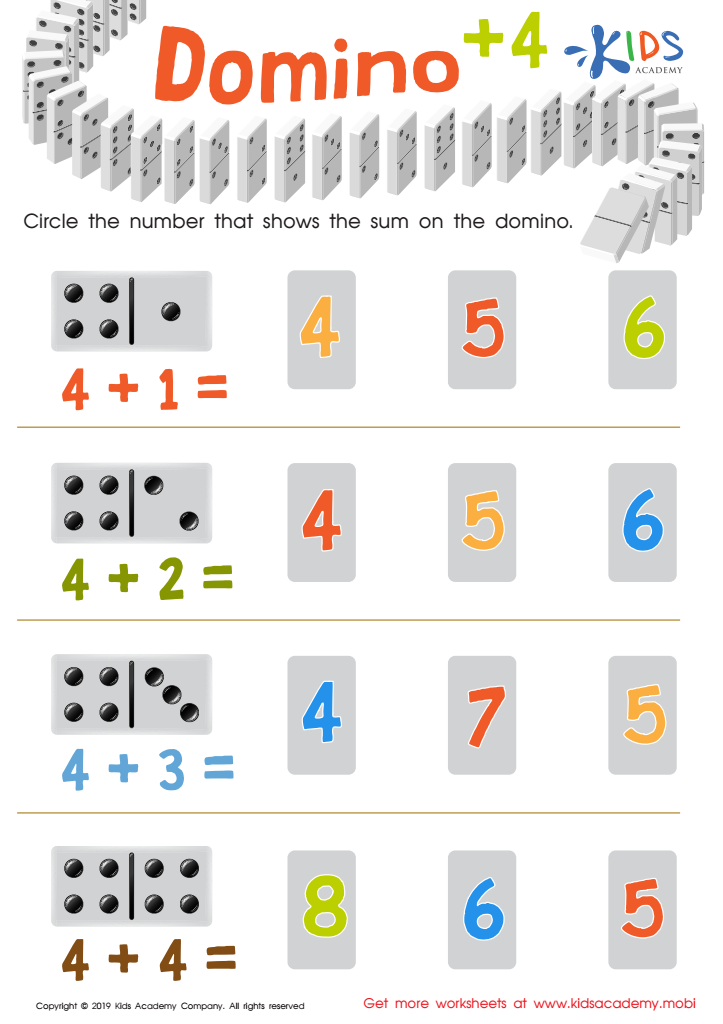
Domino +4 Worksheet
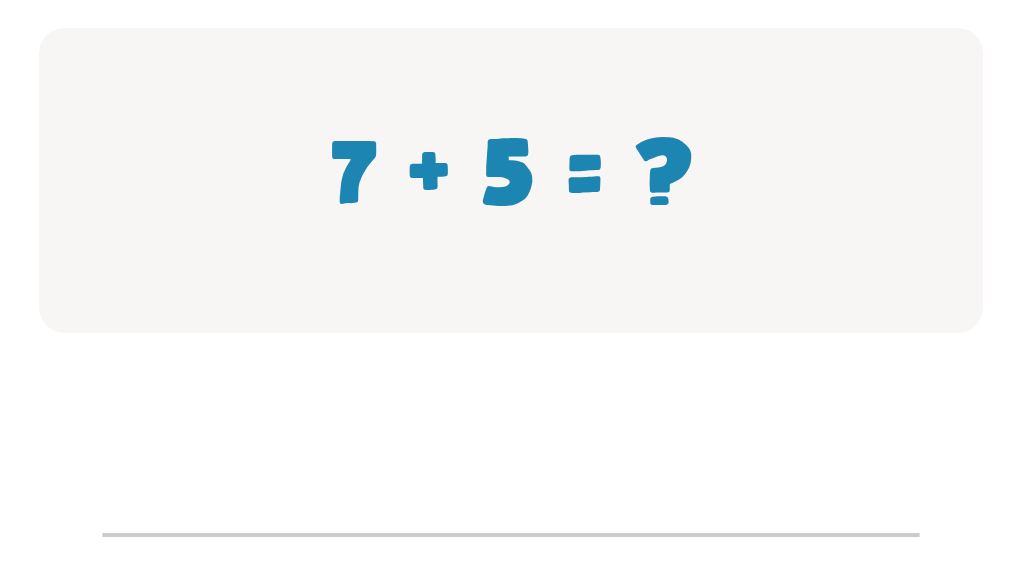
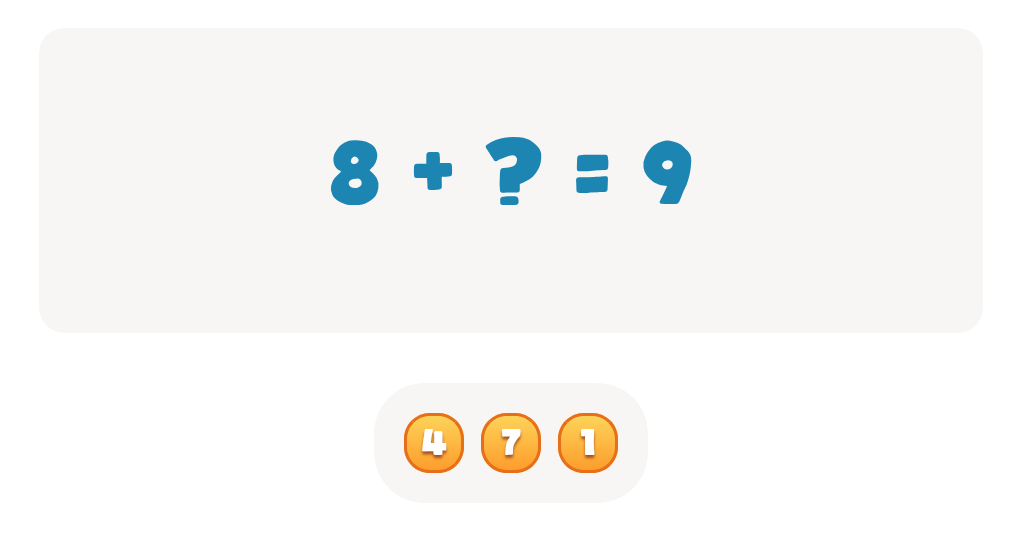
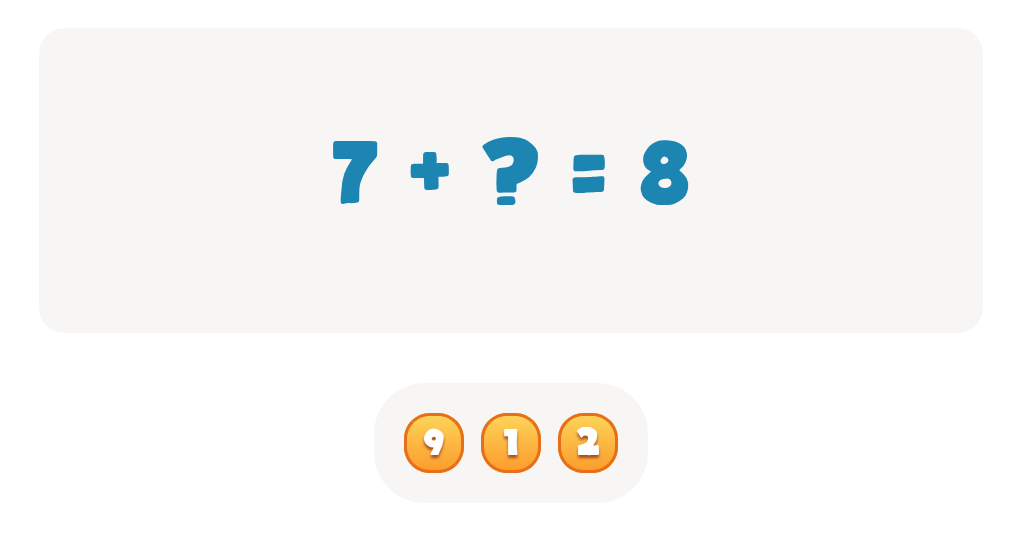
Ask your kids if they know what a domino is. Explain, then move on to solving the four simple equations on this printout, adding a number to 4. Help them find the sum and circle the number.
Domino +4 Worksheet
Worksheet
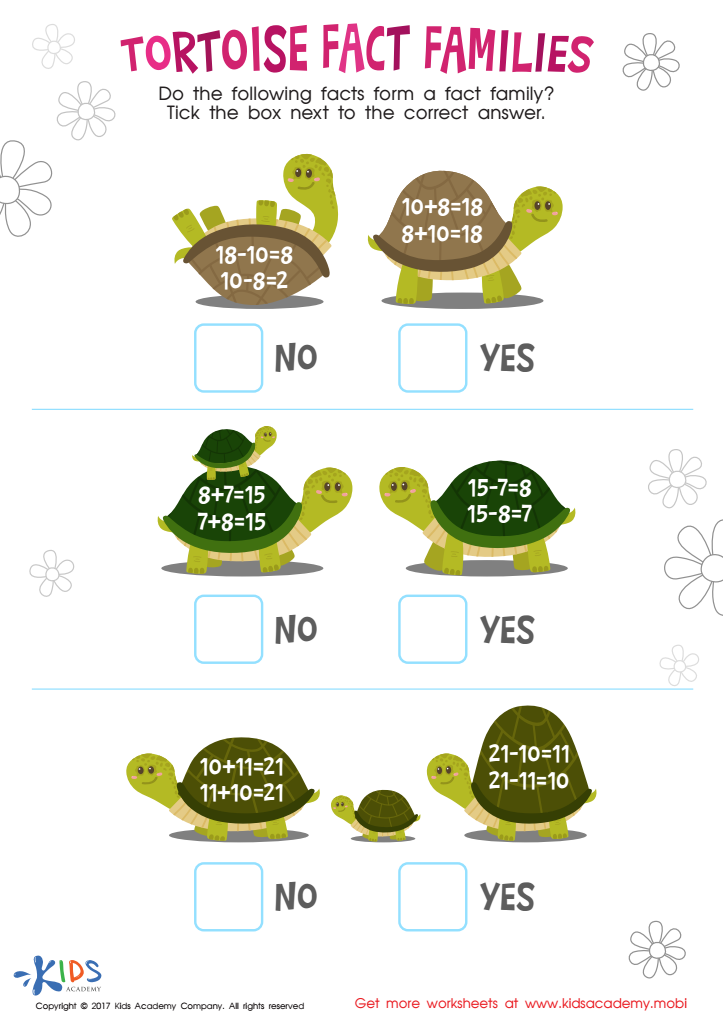
Tortoise Fact Families Printable
With 1st grade add & subtract tortoises, kids can improve their math understanding and skills. Enjoy fun, hands-on practice with fact families and strengthen logical reasoning and critical thinking!
Tortoise Fact Families Printable
Worksheet
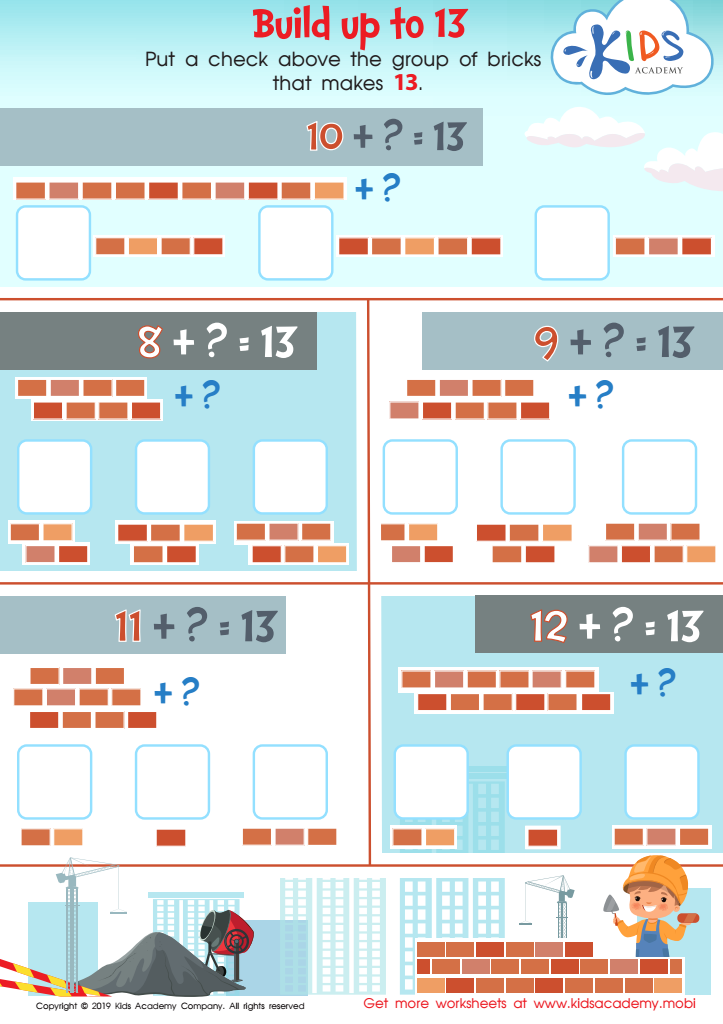
Build up to 13 Worksheet
Help your kids master addition and subtraction with this worksheet! It'll help clear up any confusion they may have with adding different numbers. Have them add up the simple equations and mark the group of bricks that makes 13. It's a great way for them to get familiar with the basics.
Build up to 13 Worksheet
Worksheet
Join Kids Academy for Free
Who is primarily going to use this learning content?








Basic addition skills are foundational for a child's mathematical understanding and overall academic success. For ages 4-6, children are at a critical developmental stage where their brains are highly receptive to learning new concepts. Mastering addition facts—such as knowing that 2 + 3 equals 5—builds confidence and encourages a positive attitude towards math.
Parents and teachers should care about promoting these skills for several reasons. First, basic addition fosters essential cognitive skills such as problem-solving and logical reasoning. Early exposure to addition also enhances a child’s ability to grasp more complex mathematical concepts later on, ensuring a smoother educational journey.
Furthermore, strong addition skills are often closely linked to everyday activities, such as counting toys or sharing snacks, which makes learning engaging and relevant. By helping children master these facts early, adults can lay the groundwork for future success in math and other subjects, facilitating comprehensive learning experiences.
Additionally, fostering these skills promotes a sense of accomplishment and encourages children to explore further mathematical concepts with enthusiasm. Ultimately, prioritizing basic addition skills can significantly influence a child's academic trajectory and instill lifelong learning and confidence in mathematics.








