
Cognitive Development Addition Facts Worksheets for Ages 4-6
3 filtered results
Difficulty Level
Grade
Age
-
From - To
Subject
Activity
Standards
Explore our engaging "Cognitive Development Addition Facts Worksheets" designed specifically for children ages 4-6. These worksheets foster essential cognitive skills while introducing foundational math concepts. Suitable for early learners, they focus on number recognition, basic addition, and problem-solving. By integrating fun activities with educational content, our worksheets encourage children to learn through play. As children complete these exercises, they enhance critical thinking, boost their confidence in math, and develop a love for learning. Perfect for parents and educators, our resources pave the way for building strong math foundations in young minds. Stimulate cognitive growth while mastering addition facts today!
Favorites
With answer key
Interactive
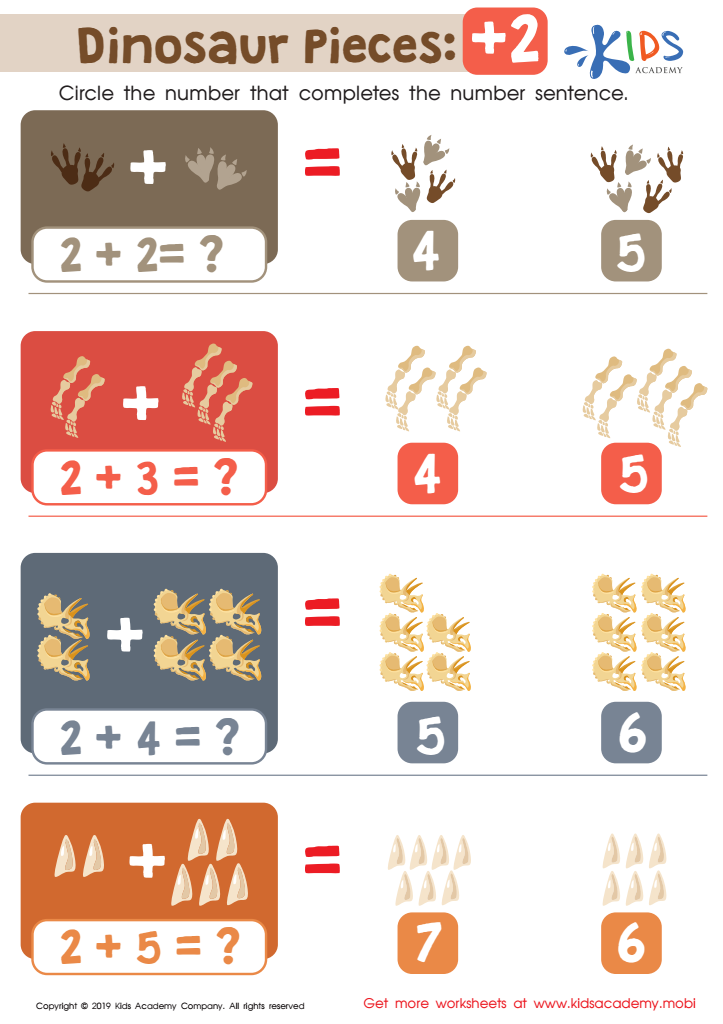
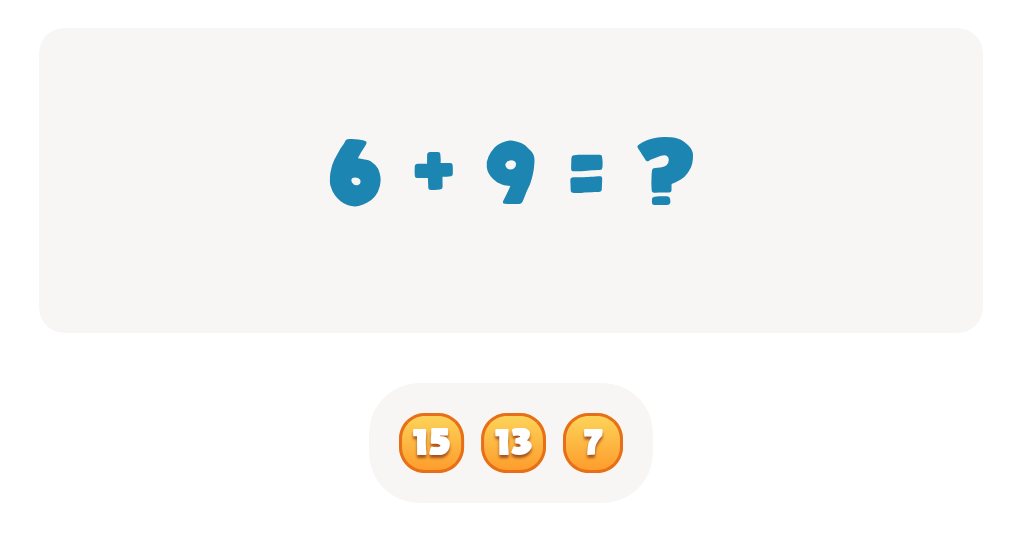
Dinosaur Pieces: +2 Worksheet
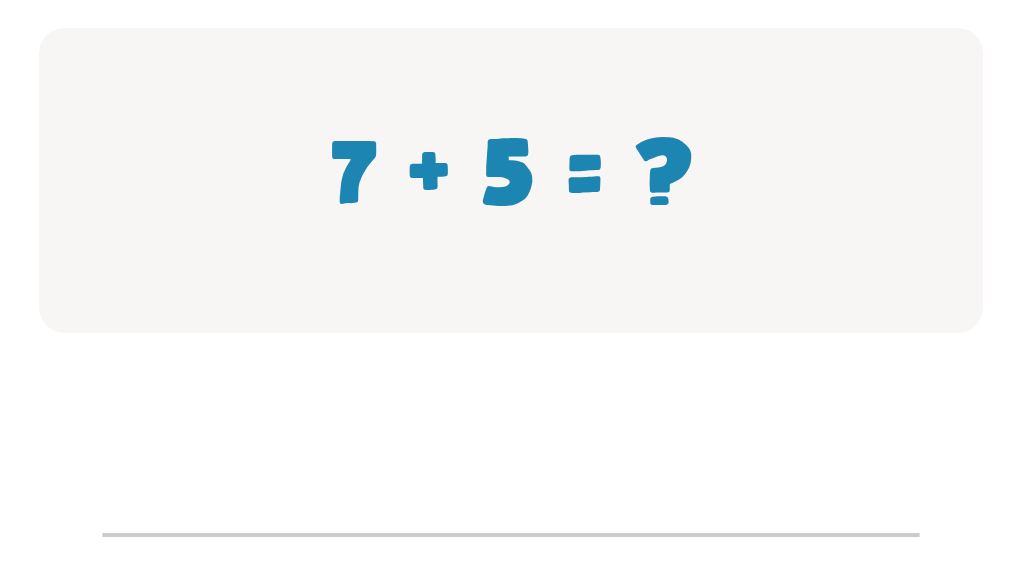
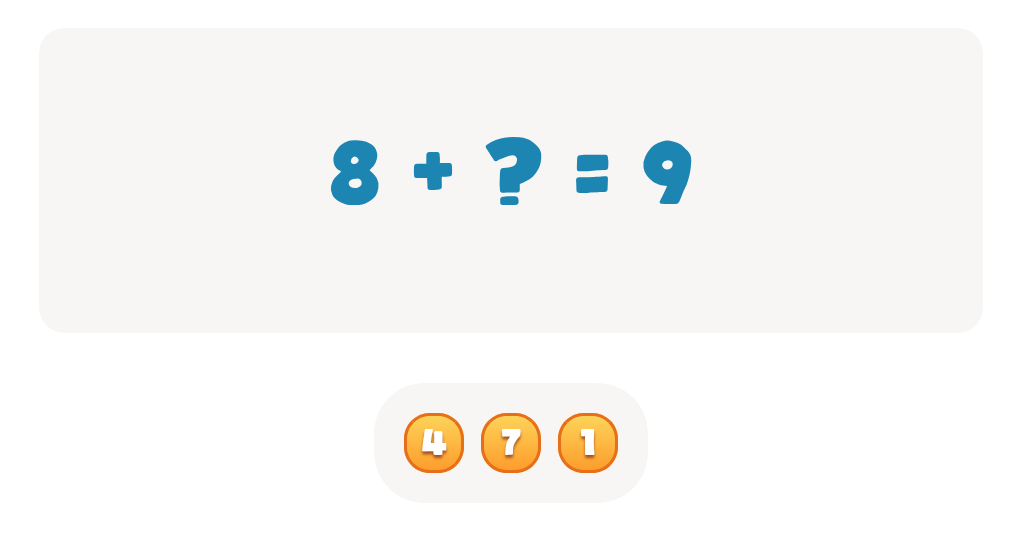
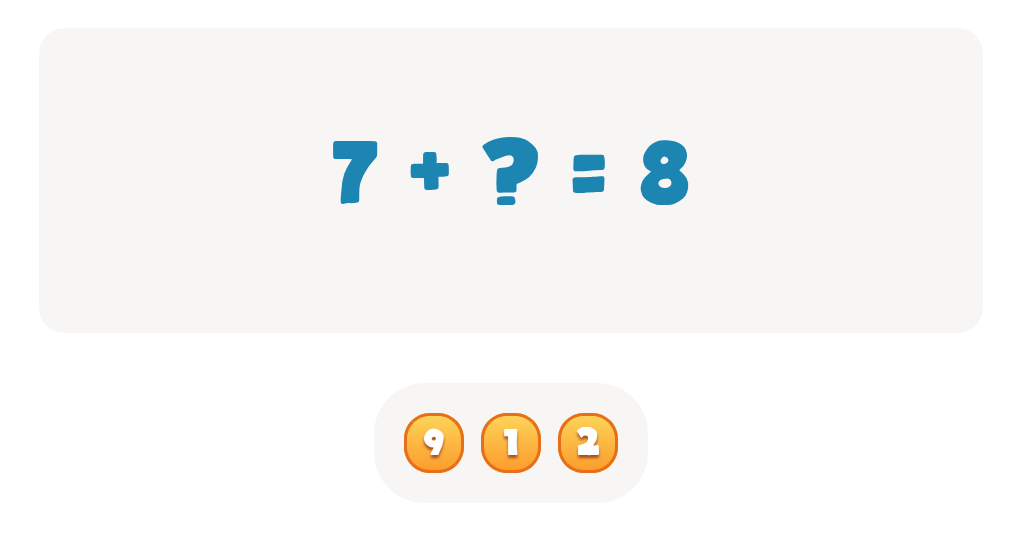
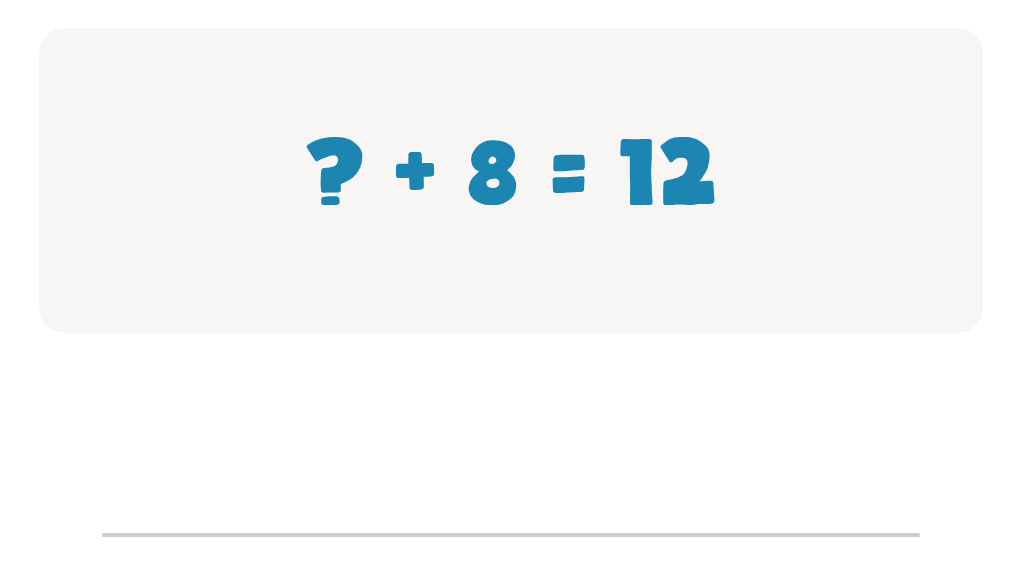
Kids love dinosaurs! See if your kids can solve these three equations featuring the mysterious creatures. Download the PDF and have them circle the number that completes each equation. Dinosaurs are extinct, not seen for thousands of years, but they can still help kids work on their math skills!
 Assign to My Students
Dinosaur Pieces: +2 Worksheet
Worksheet



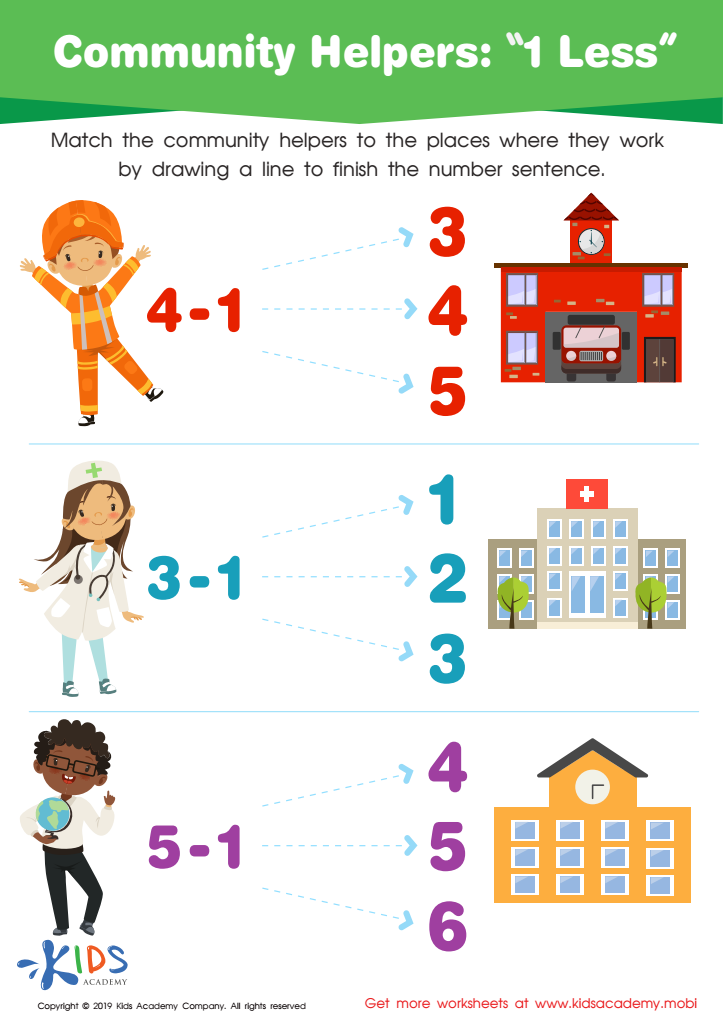
Community Helpers: 1 less Worksheet
Look at this worksheet with your child and ask them to identify the different community helpers. Match them to the places where they work by drawing a line to finish the number sentence. This helps them identify the people that help keep the community organized and running smoothly. Examples of community helpers include doctors, police officers, firefighters, teachers, etc.
Community Helpers: 1 less Worksheet
Worksheet
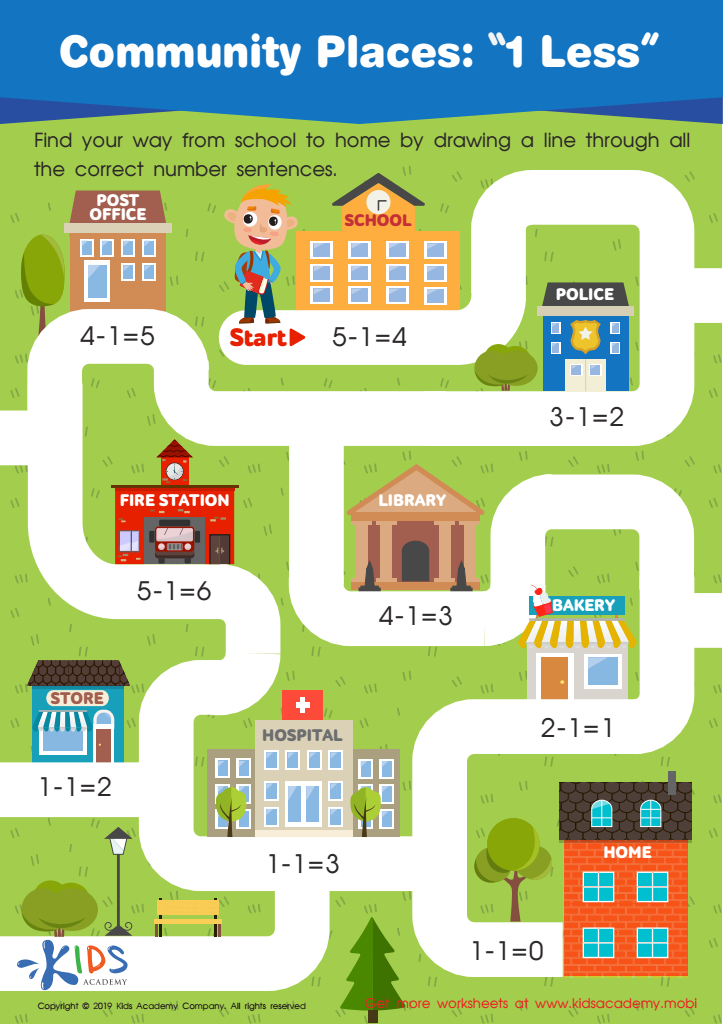
Community Places: 1 Less Worksheet
Have your kindergarteners draw a line through the correct number sentences as they find their way home from school. Ask them to identify the people, places, and buildings in their community and the jobs they do.
Community Places: 1 Less Worksheet
Worksheet
Join Kids Academy for Free
Who is primarily going to use this learning content?








Cognitive development during early childhood is crucial, particularly in the ages of 4-6, as children are laying the foundation for their understanding of mathematics. Learning addition facts at this stage nurtures critical thinking and problem-solving skills. When parents and teachers focus on these essential math concepts, they help enrich a child’s cognitive abilities, fostering a positive attitude toward learning.
Mastering addition facts promotes number sense, which is fundamental for future mathematical success. Children who grasp basic addition can tackle more complex mathematical operations and subjects later in their academic careers. Furthermore, these skills enhance memory and logical reasoning, promoting overall cognitive growth.
Additionally, engaging with addition facts through fun activities reinforces learning and builds confidence. This joyful approach not only helps children understand the concept of numbers and operations but also enriches their social interactions and cooperative learning experiences with peers.
Parents and teachers play a pivotal role in facilitating this learning journey. Their encouragement and guidance can motivate children to engage with mathematics, ensuring they see it as a valuable and approachable subject. Investing in the mastery of addition facts can lead to a brighter future, paving the way for lifelong learning and critical thinking.








