Cognitive Development Addition & Subtraction Worksheets for Ages 4-6 - Page 5
109 filtered results
-
From - To
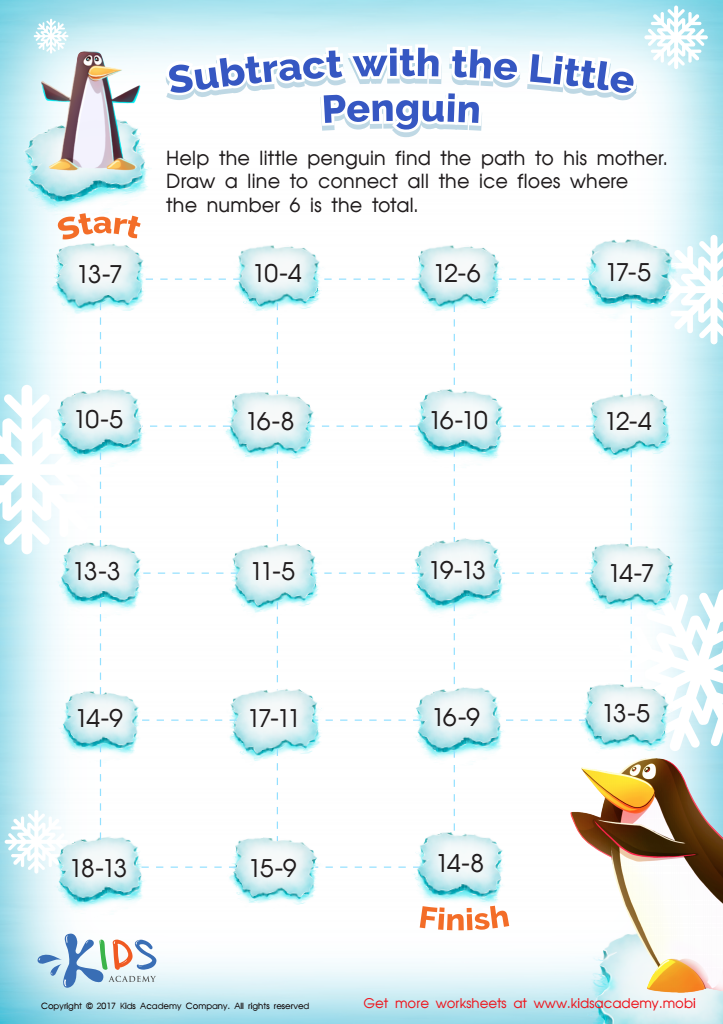
Subtract With The Little Penguin Substraction Worksheet
 Assign to My Students
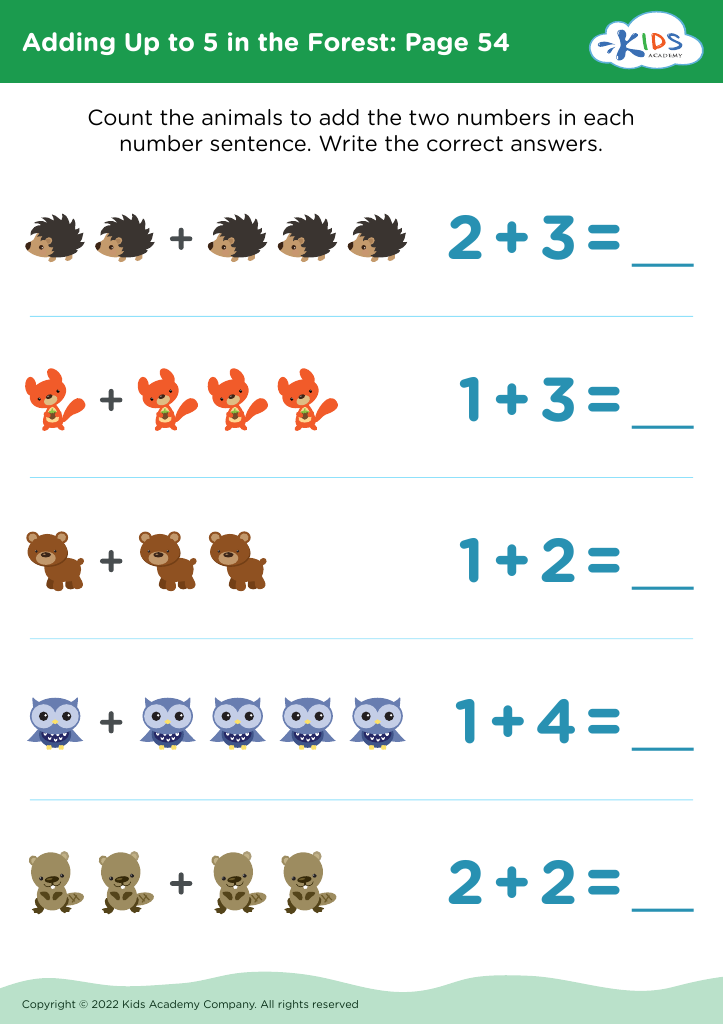
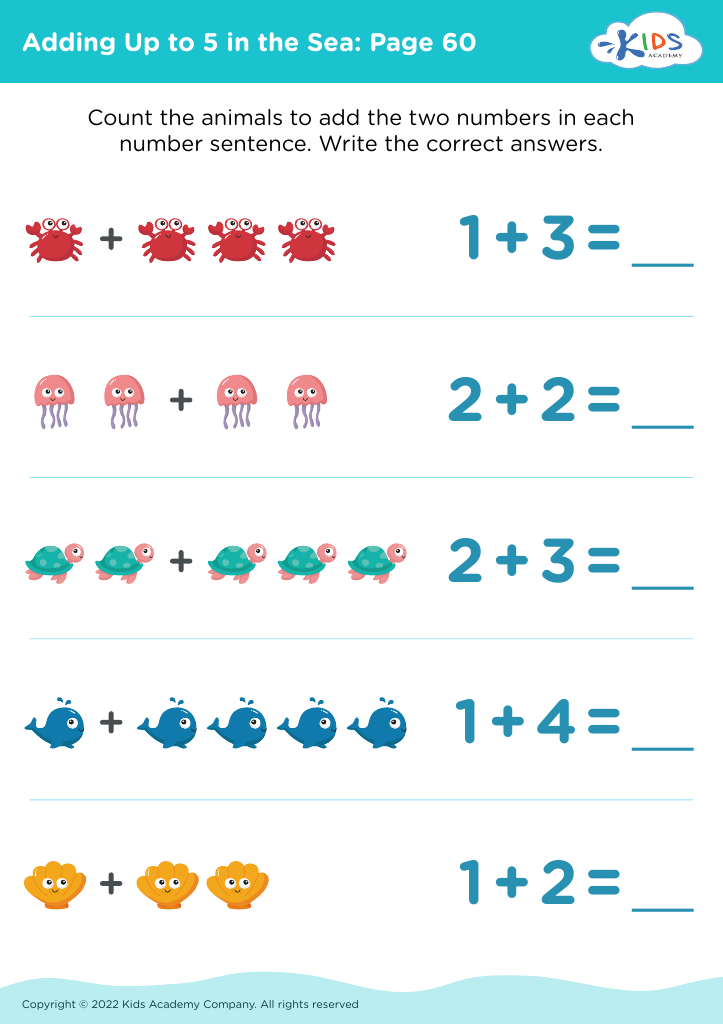
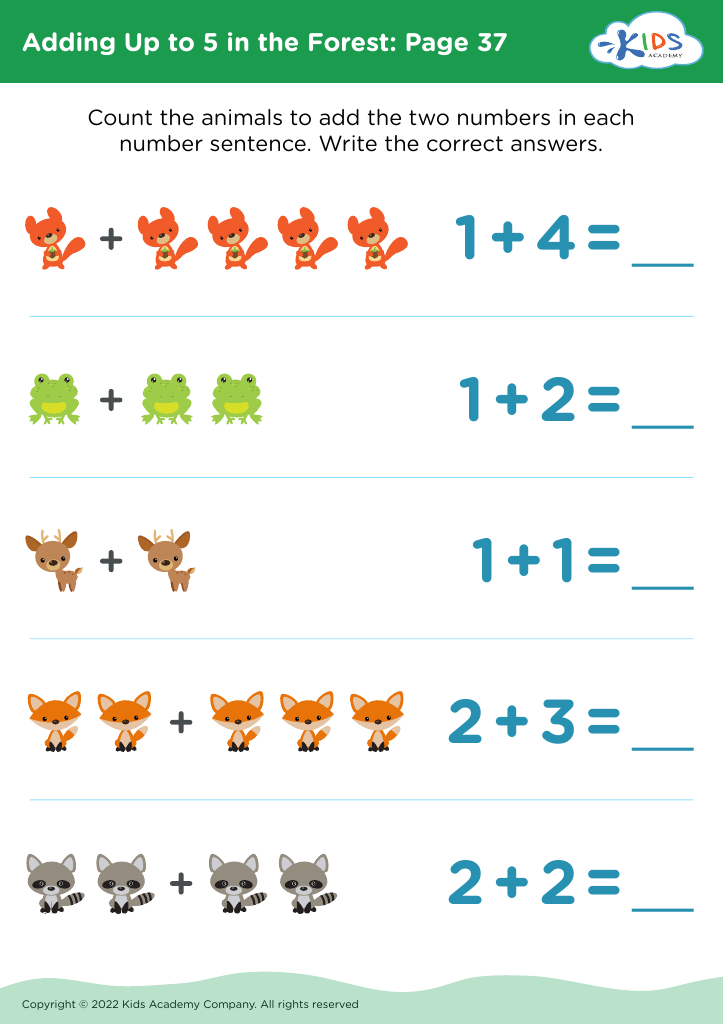
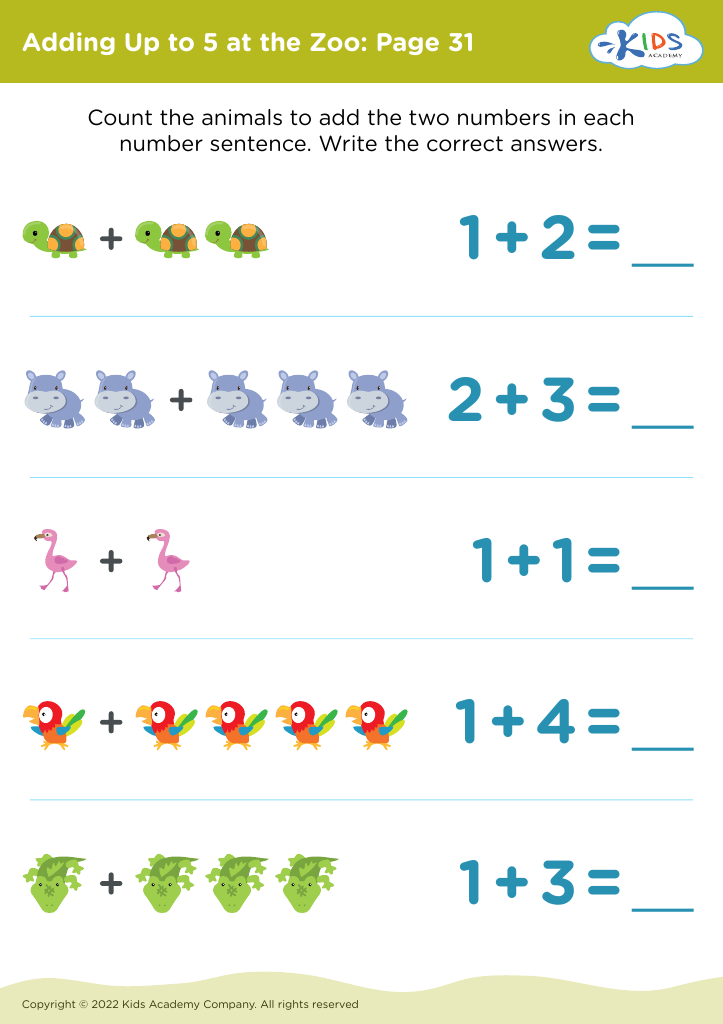
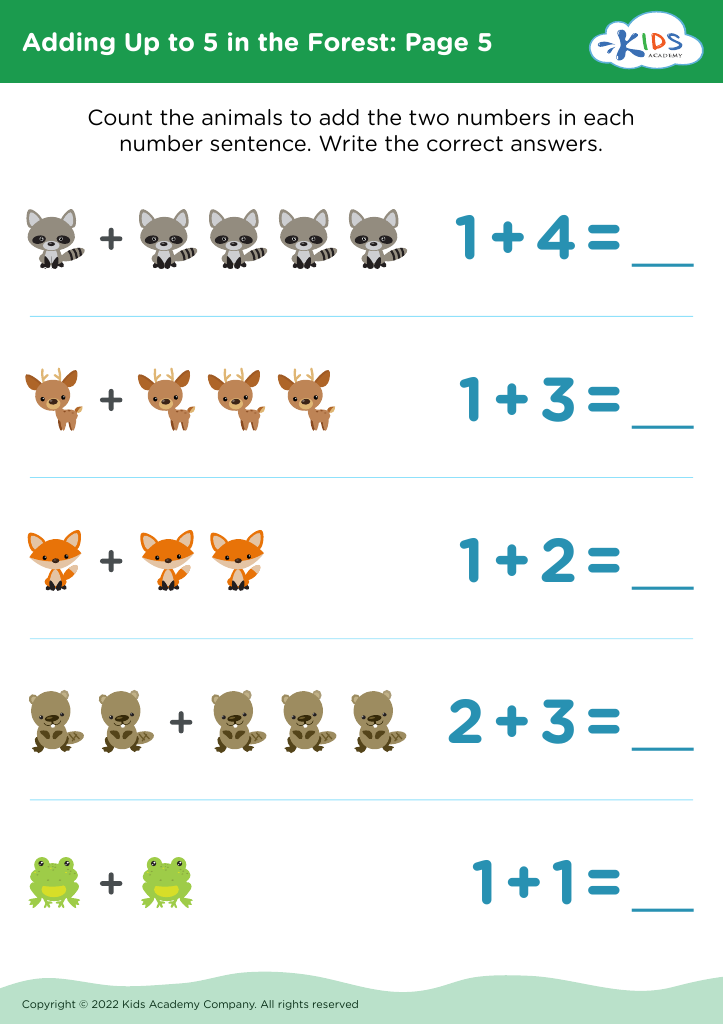
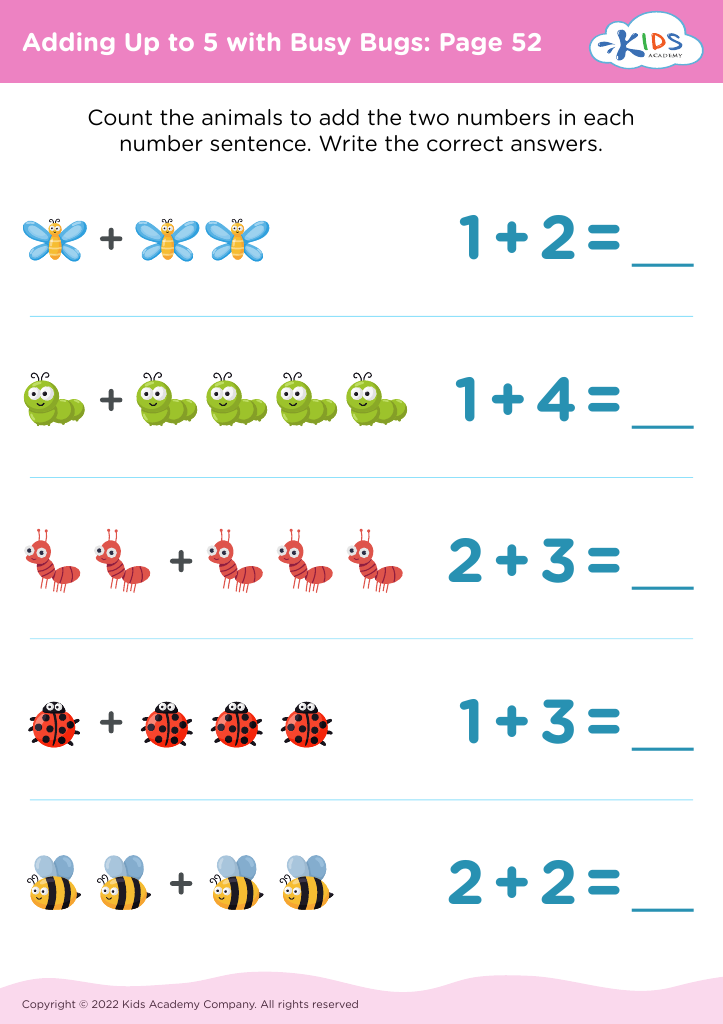
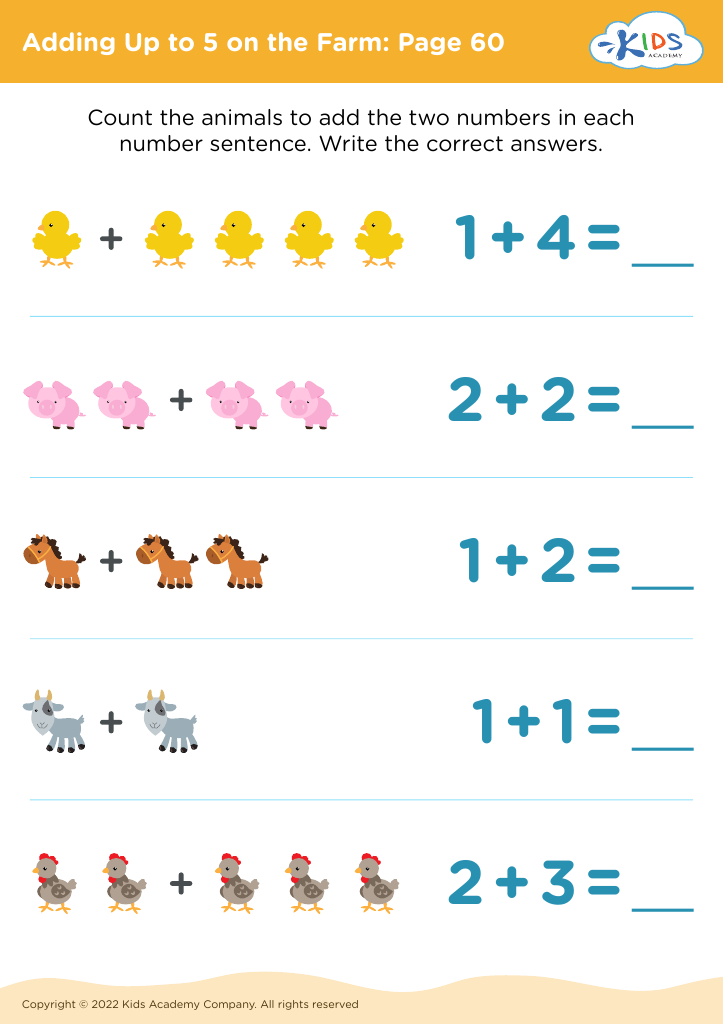
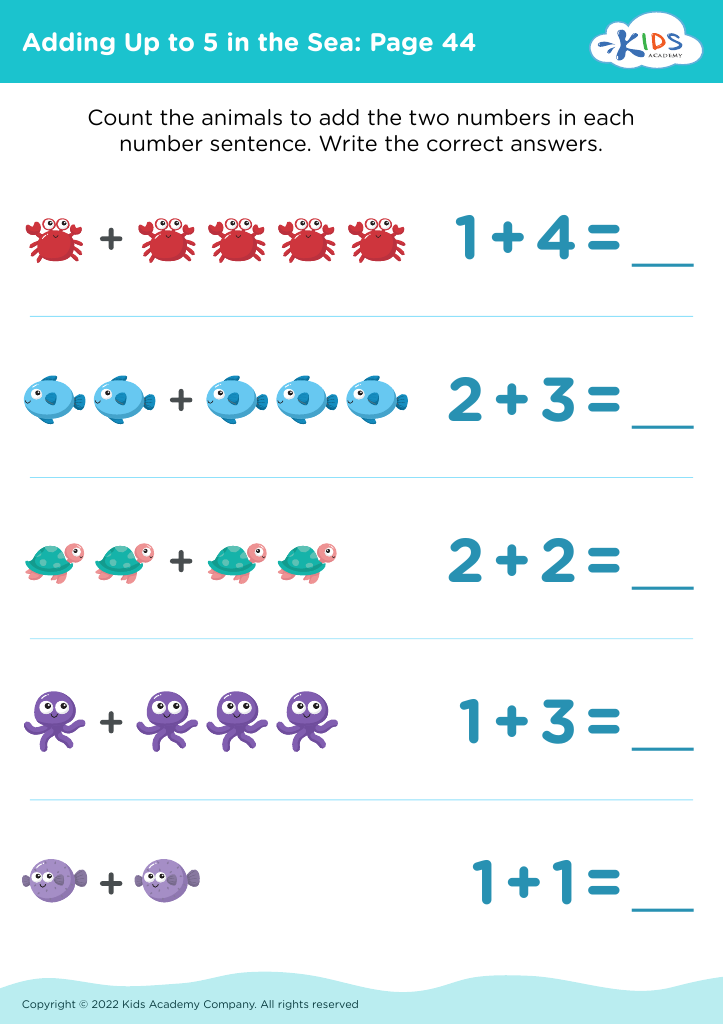








Cognitive development in early childhood, especially regarding addition and subtraction for ages 4-6, is crucial for laying the foundation of mathematical understanding. During these formative years, children learn to process information, develop reasoning skills, and enhance their problem-solving abilities. Mastery of basic arithmetic not only fosters numerical fluency but also promotes cognitive skills such as critical thinking and logical reasoning.
Understanding addition and subtraction aids children in making sense of their environment through quantifying objects, comparing quantities, and recognizing patterns. Teachers and parents play a vital role in facilitating this learning by creating engaging environments filled with real-life math experiences, such as counting fruits during grocery shopping or sharing toys.
Moreover, developing a strong grasp of these concepts supports future academic success, as children progress to more complex mathematical operations. Encouraging exploration and practice of addition and subtraction boosts confidence, helps develop resilience in learning, and lays a foundation for a positive attitude towards mathematics.
Ultimately, nurturing cognitive development in this area equips children with essential life skills, fostering a growth mindset and a love for learning that extends beyond the classroom. Engaging actively in this process is vital for parents and teachers, as they help shape competent, confident learners.








