Enhances concentration Addition & Subtraction Worksheets for Ages 4-6
4 filtered results
-
From - To
Boost your child's learning experience with our "Enhances Concentration Addition & Subtraction Worksheets" designed specifically for ages 4-6. These engaging worksheets are crafted to help young learners develop foundational math skills while simultaneously improving their focus and concentration. Packed with colorful illustrations and interactive exercises, each worksheet provides a fun way for kids to practice addition and subtraction. As children solve problems, they will enhance their cognitive abilities and increase their confidence in math. Perfect for both classroom and homeschool use, our worksheets are a fantastic resource for building essential skills that will last a lifetime. Explore our collection today!
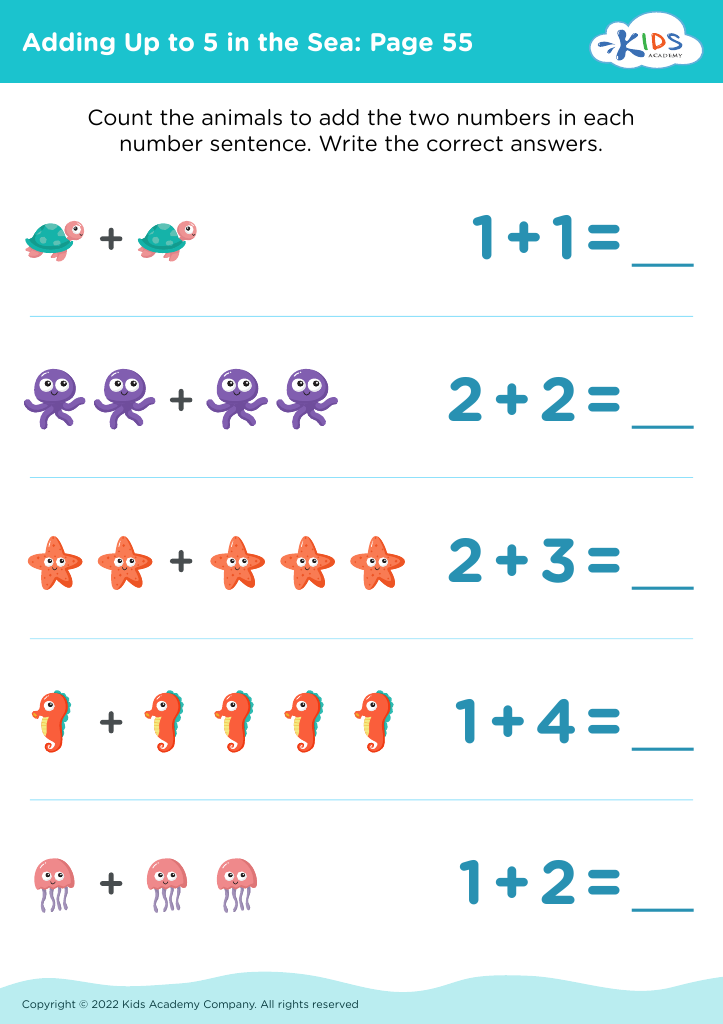
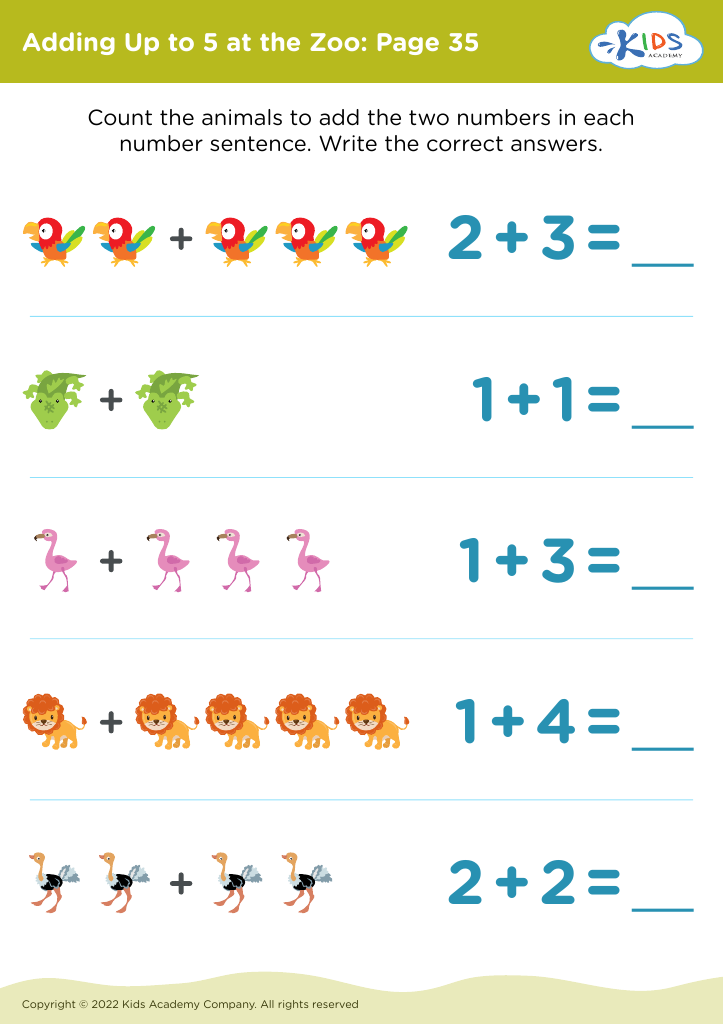
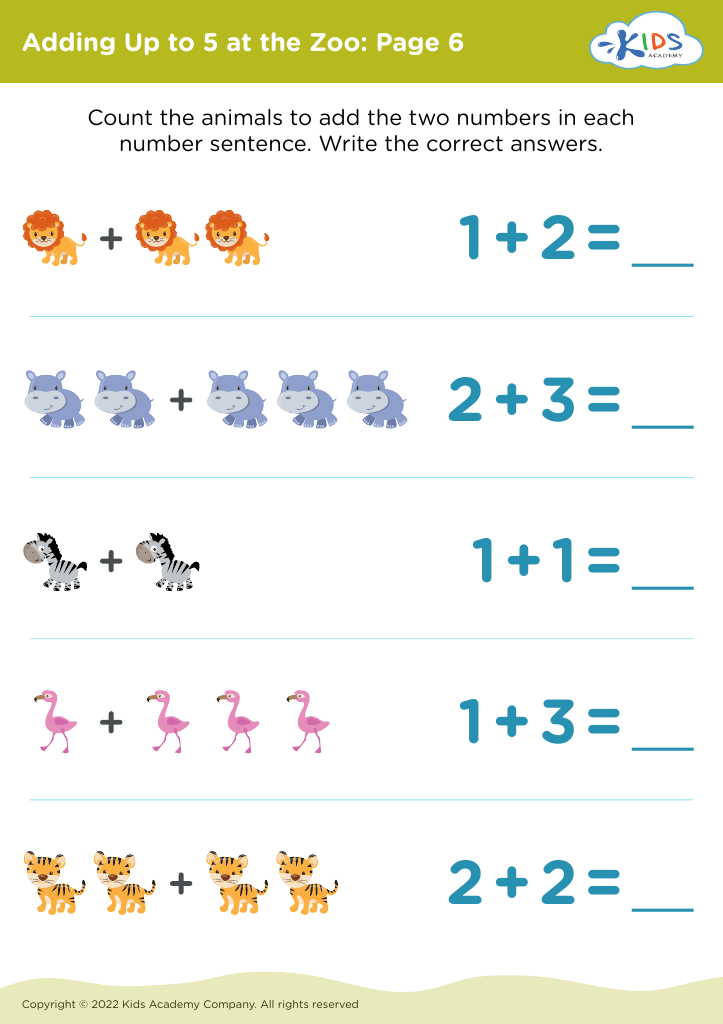
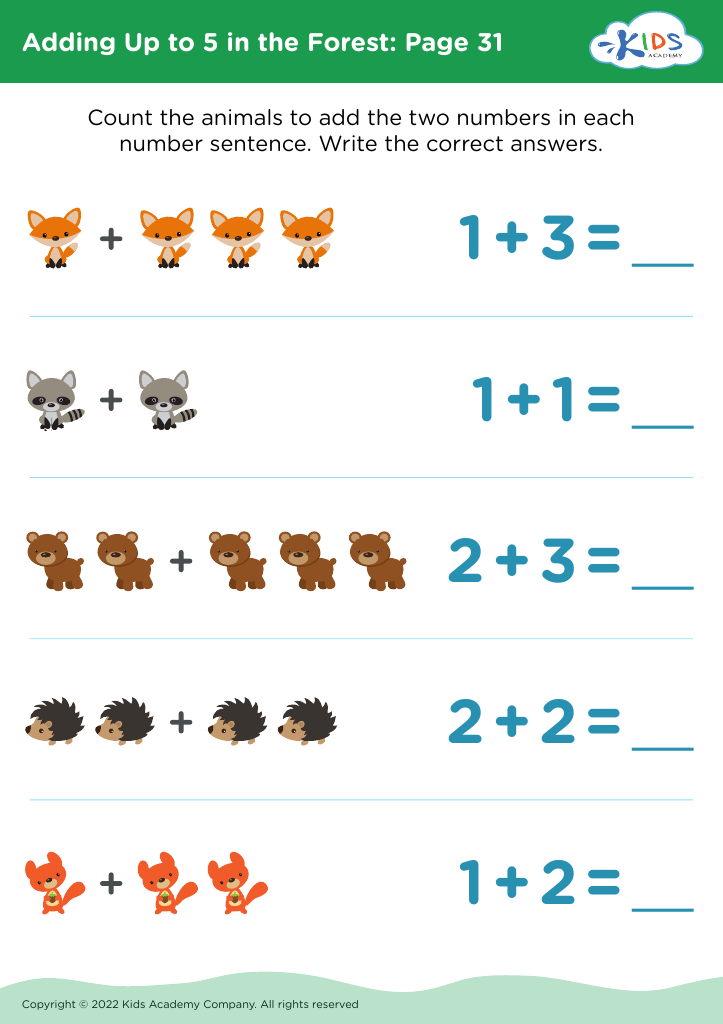








Enhancing concentration in early education is crucial for children aged 4-6, particularly in skills like addition and subtraction. This foundational period in a child’s development lays the groundwork for essential cognitive abilities, influencing their approach to learning throughout their educational journey.
When parents and teachers invest time in nurturing concentration skills during math activities, they equip children with the ability to focus on tasks and improve their problem-solving capabilities. Engaging in addition and subtraction helps develop not only numerical understanding but also critical thinking and perseverance. Concentration techniques, such as using interactive games and hands-on materials, stimulate curiosity and motivation, making learning enjoyable.
Moreover, children who learn to concentrate during these formative years are more likely to develop self-discipline and attention span, skills imperative for success in higher academic pursuits. They also gain confidence as they master basic math concepts, leading to a positive attitude toward learning.
Ultimately, fostering concentration in young learners is an investment in their future education, promoting a solid foundation in math that supports their overall cognitive development. For parents and teachers, reinforcing these skills today ensures children are better prepared for tomorrow’s challenges—both academically and in everyday life.








