Fine motor skills (writing) Addition & Subtraction Worksheets for Ages 4-6 - Page 2
34 filtered results
-
From - To
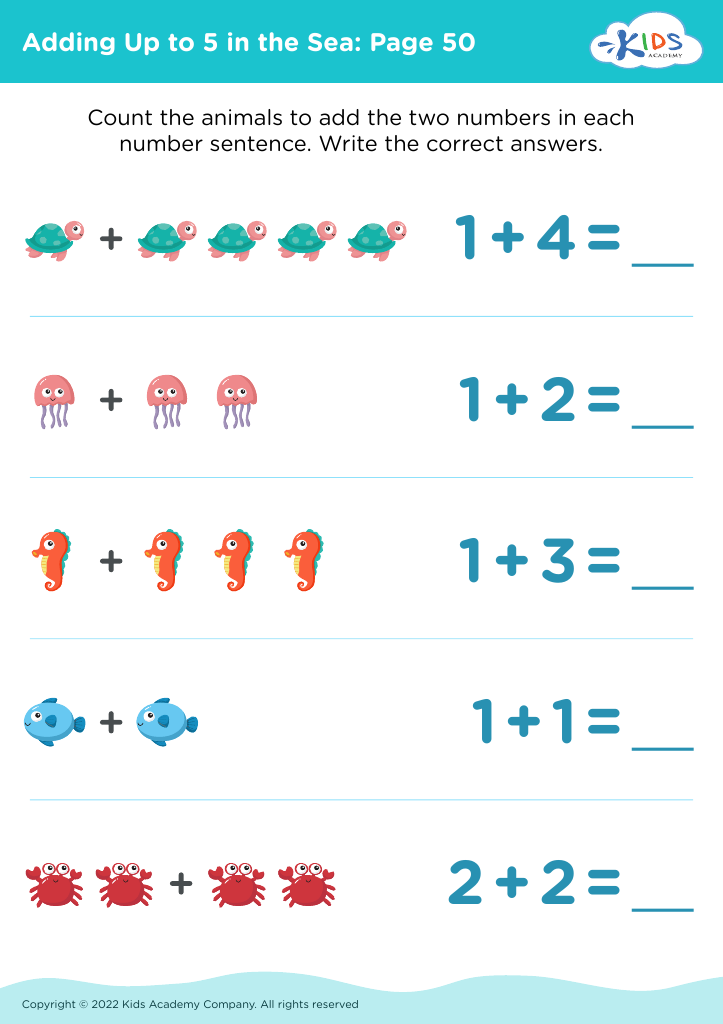
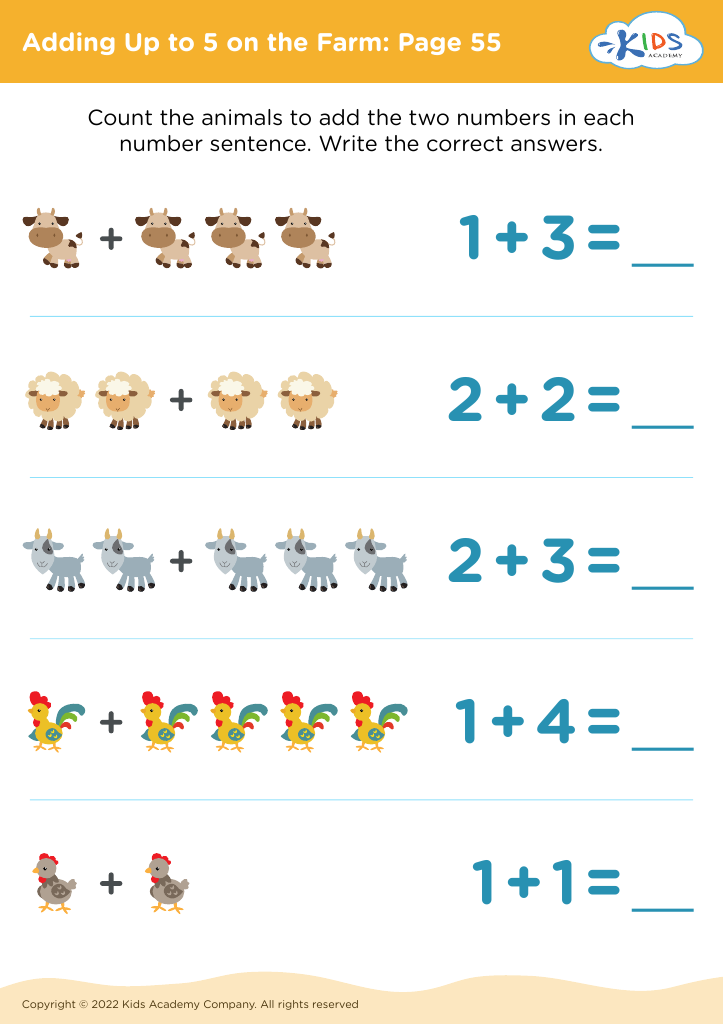
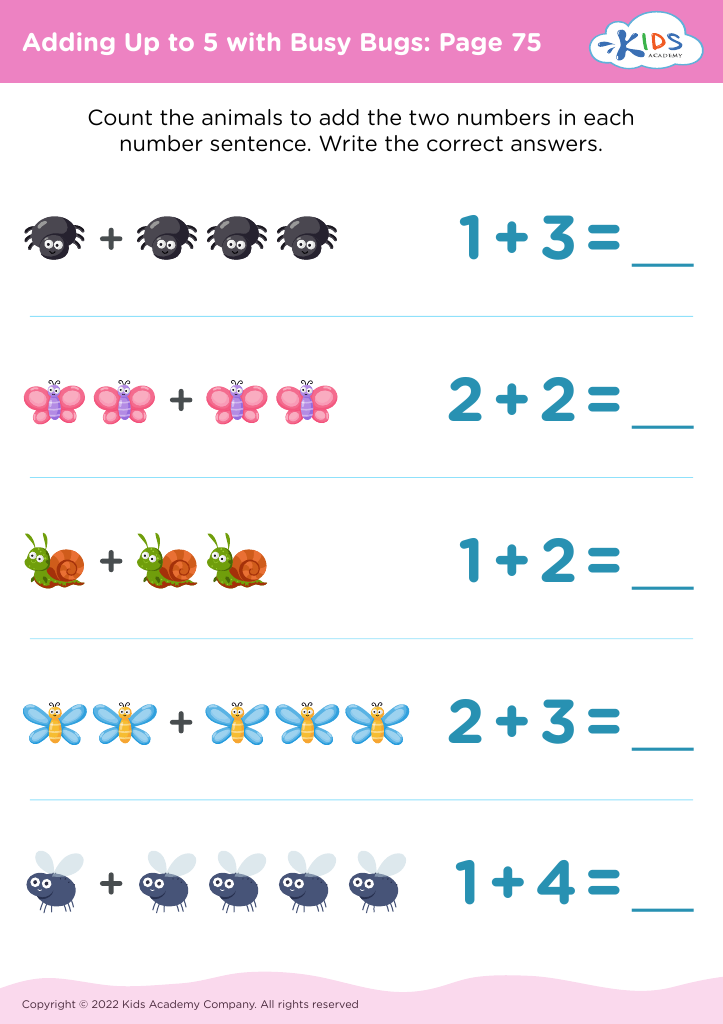
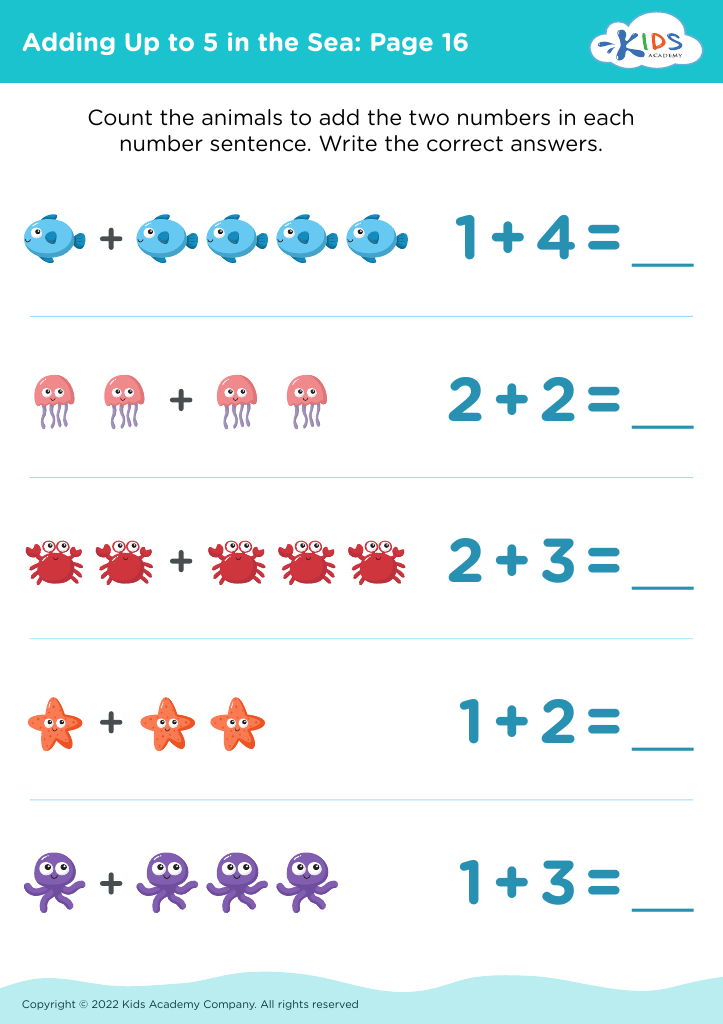
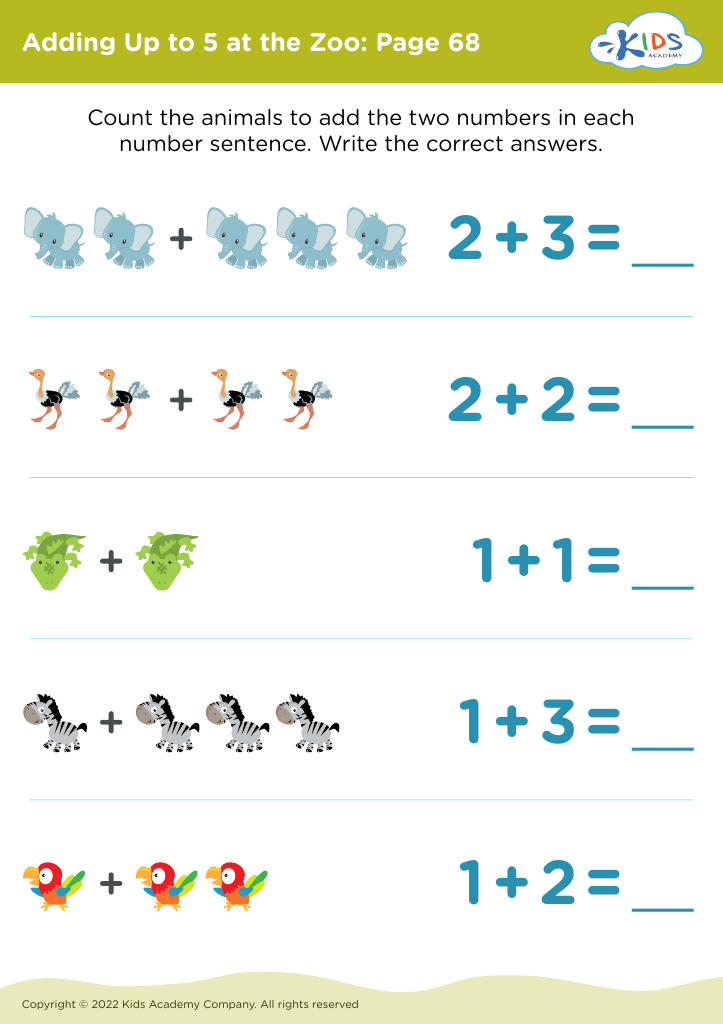
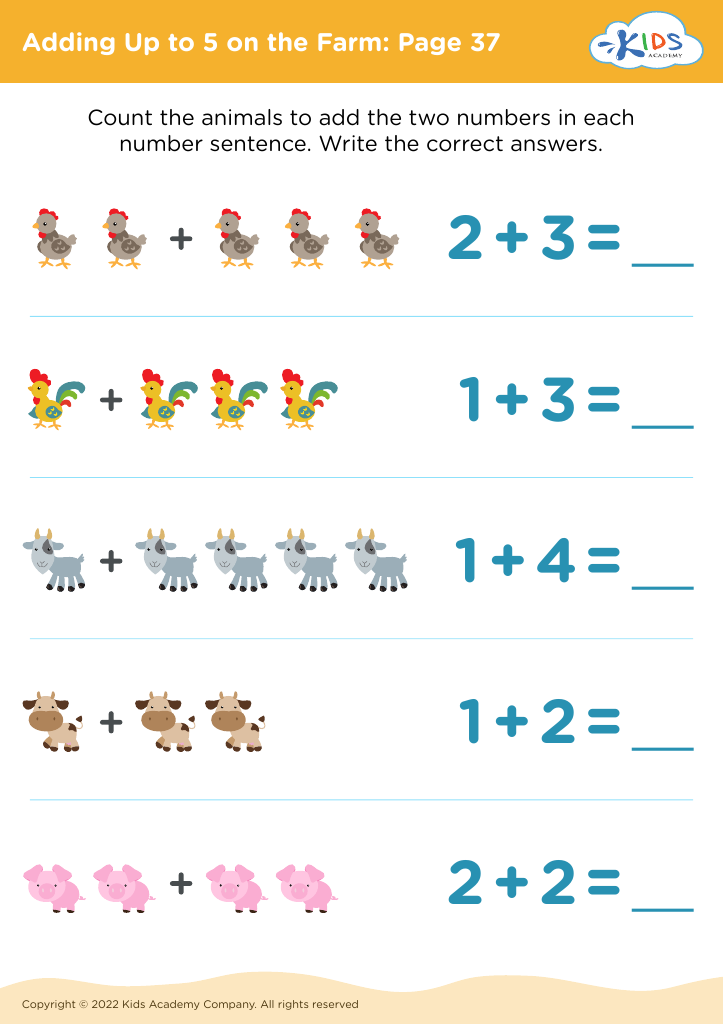
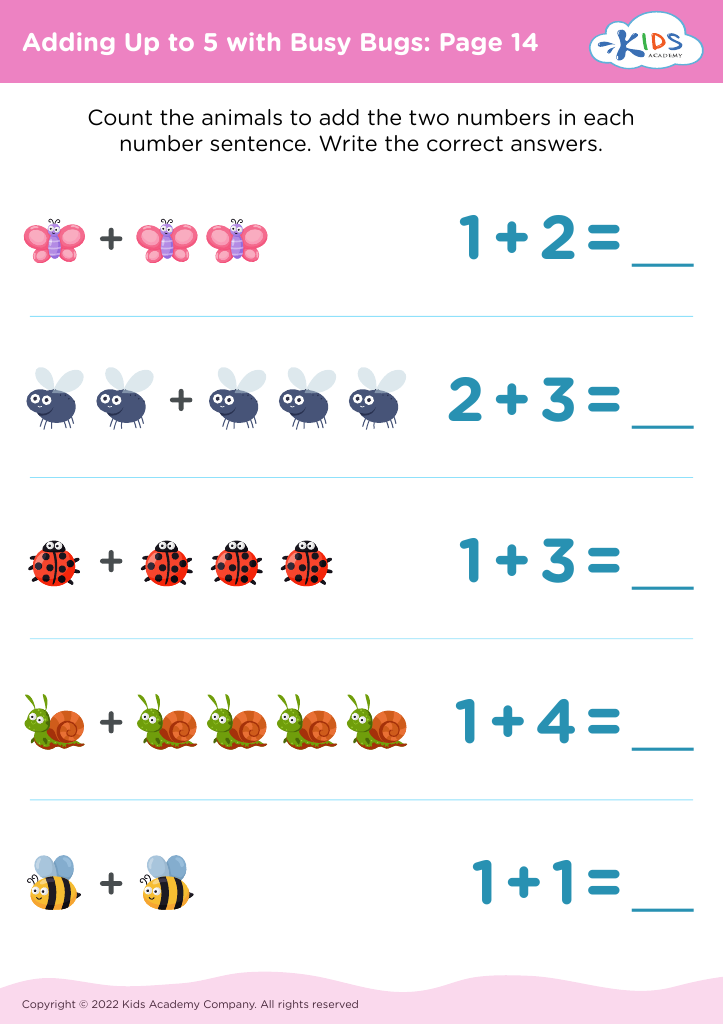
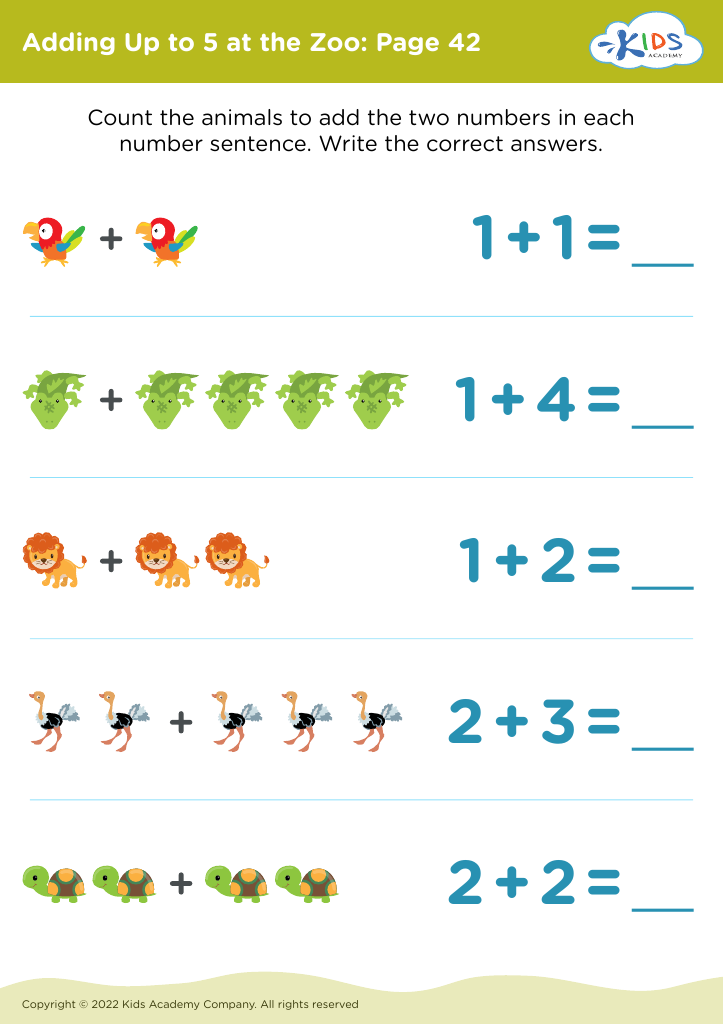
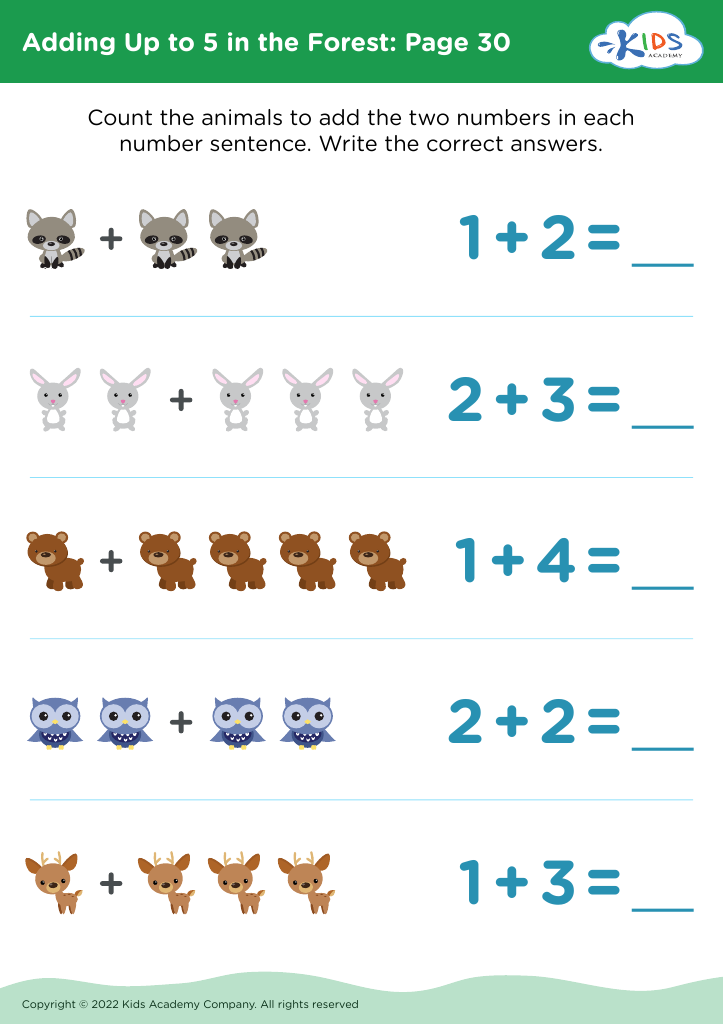
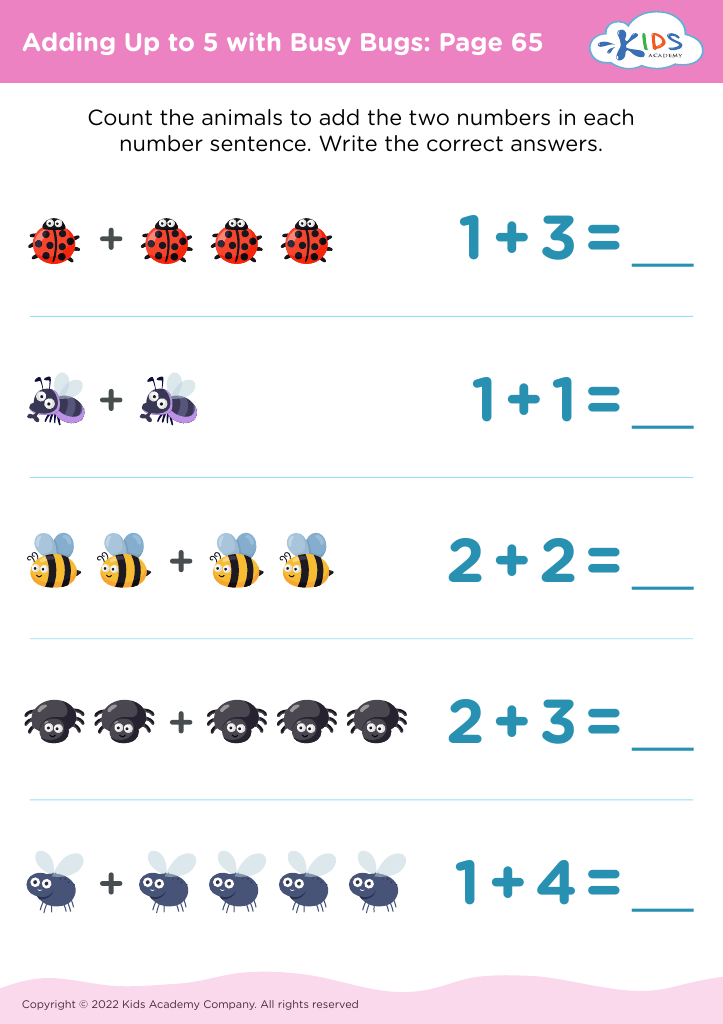


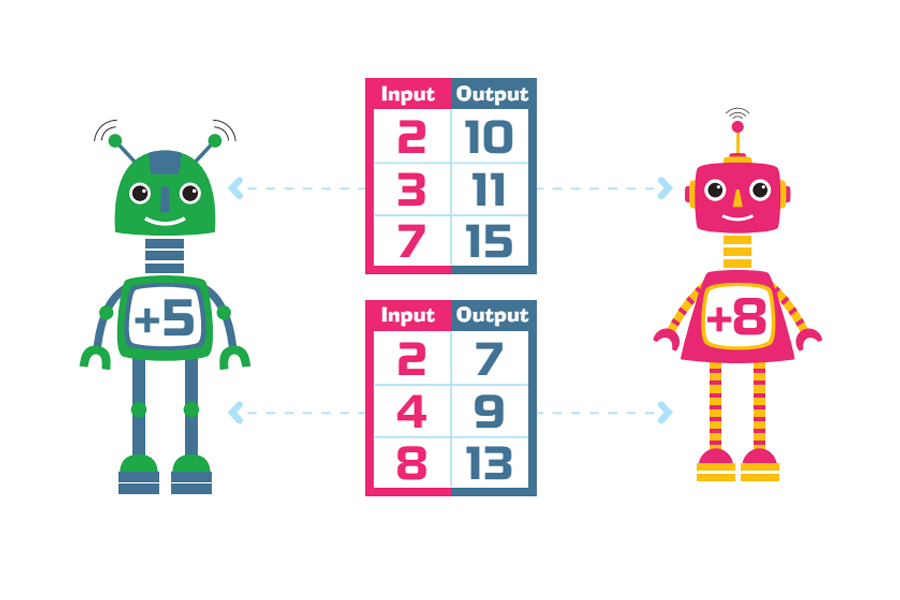





Fine motor skills play a crucial role in a child's early development, particularly in the context of writing and basic math skills such as addition and subtraction. For children aged 4-6, proficient fine motor skills enable them to hold crayons, pencils, and other tools, fostering their ability to form letters and numbers legibly. Developing these skills enhances a child's confidence and encourages a positive attitude towards learning.
When children learn to write, they not only learn to communicate but also practice skills like concentration, hand-eye coordination, and spatial awareness. These skills are foundational for understanding mathematics. Mastering basic addition and subtraction requires dexterity to manipulate small objects like counters or blocks, which additionally reinforces mathematical concepts through hands-on activities.
Moreover, parents and teachers who prioritize fine motor skill development provide children with varied opportunities to engage in activities such as arts and crafts, puzzles, or simple cooking activities. These practices enhance cognitive functions and introduce essential problem-solving skills.
By nurturing fine motor skills alongside math concepts during this critical developmental period, parents and teachers lay the groundwork for future academic success and significantly impact a child's lifelong learning journey. This combined approach fosters a holistic growth experience, preparing children for the challenges ahead.








