Fine Motor Skills Addition & Subtraction Worksheets for Ages 4-6 - Page 2
47 filtered results
-
From - To
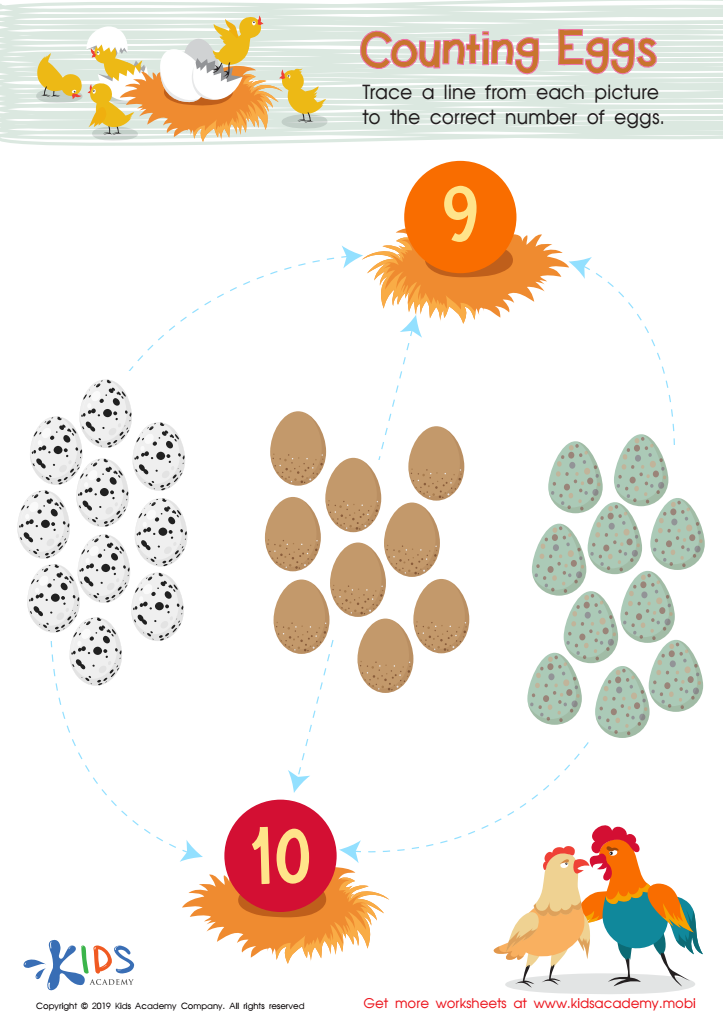
Counting Eggs Worksheet
 Assign to My Students
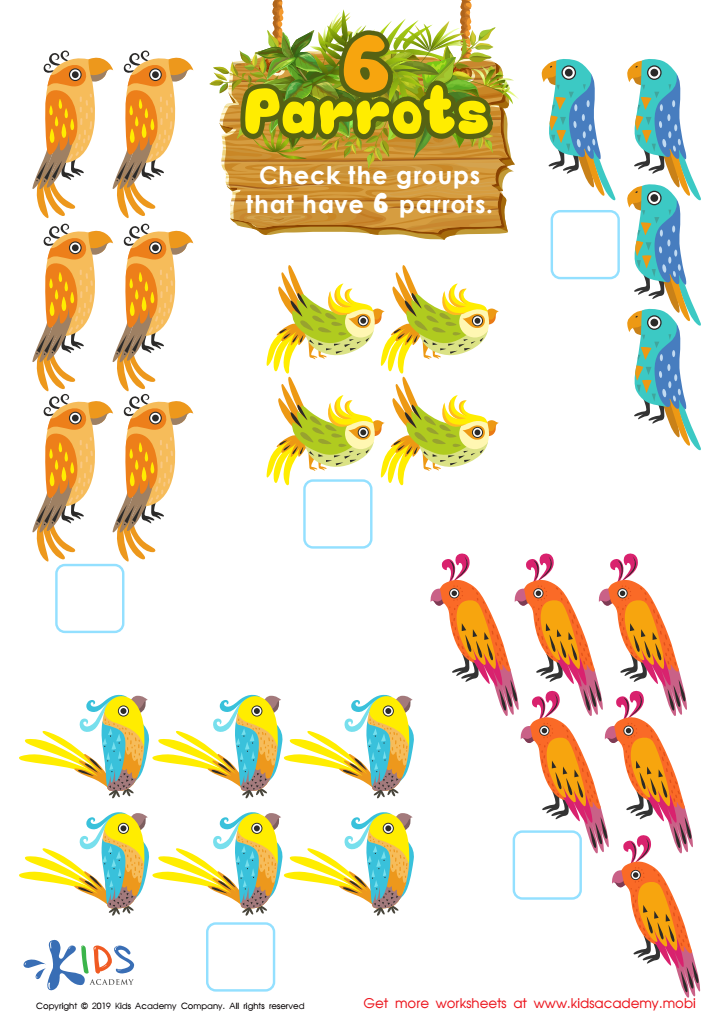
6 Parrots Worksheet
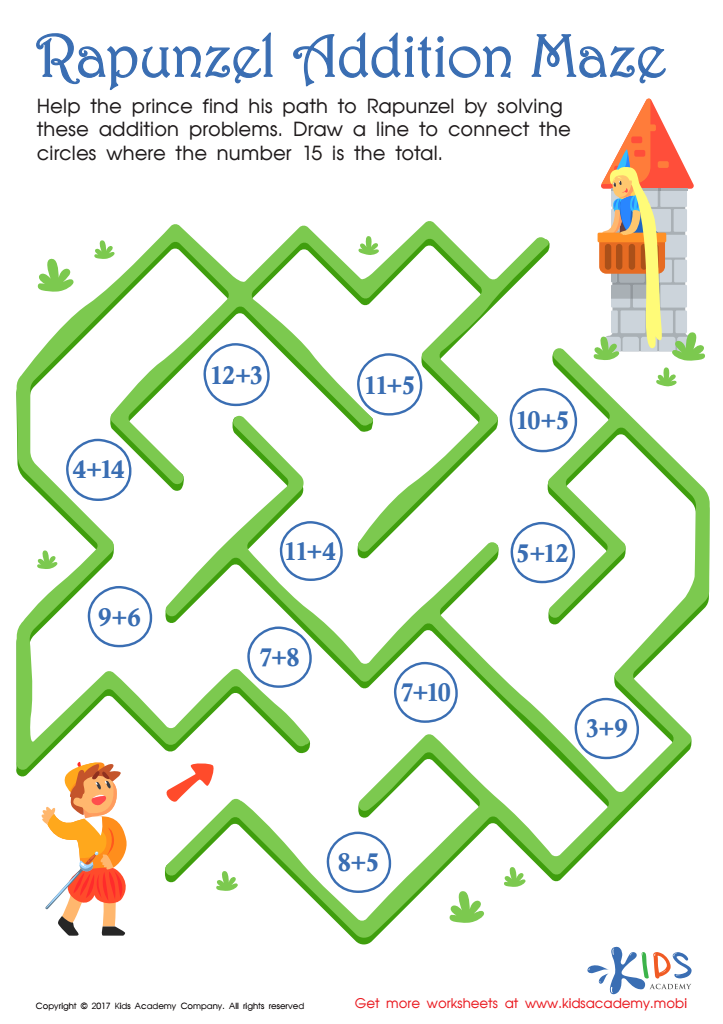
Rapunzel Addition Maze Worksheet

Math Matching Game: Monsterв's Socks Worksheet

Line up the Tigers Worksheet
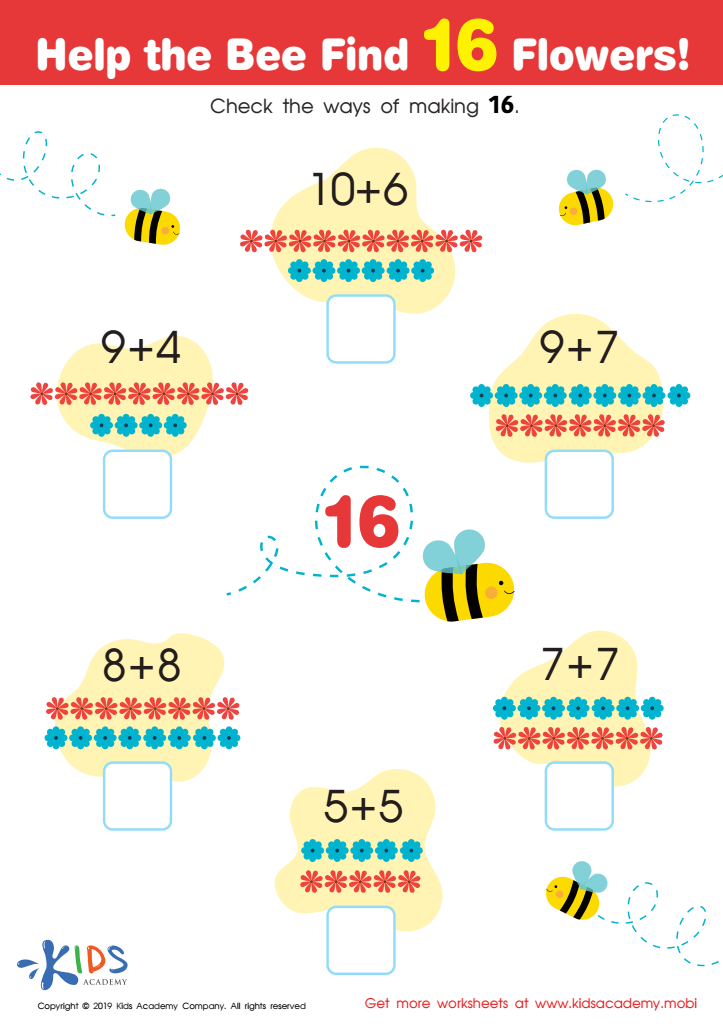
Help the Bee Find 16 Flowers Worksheet
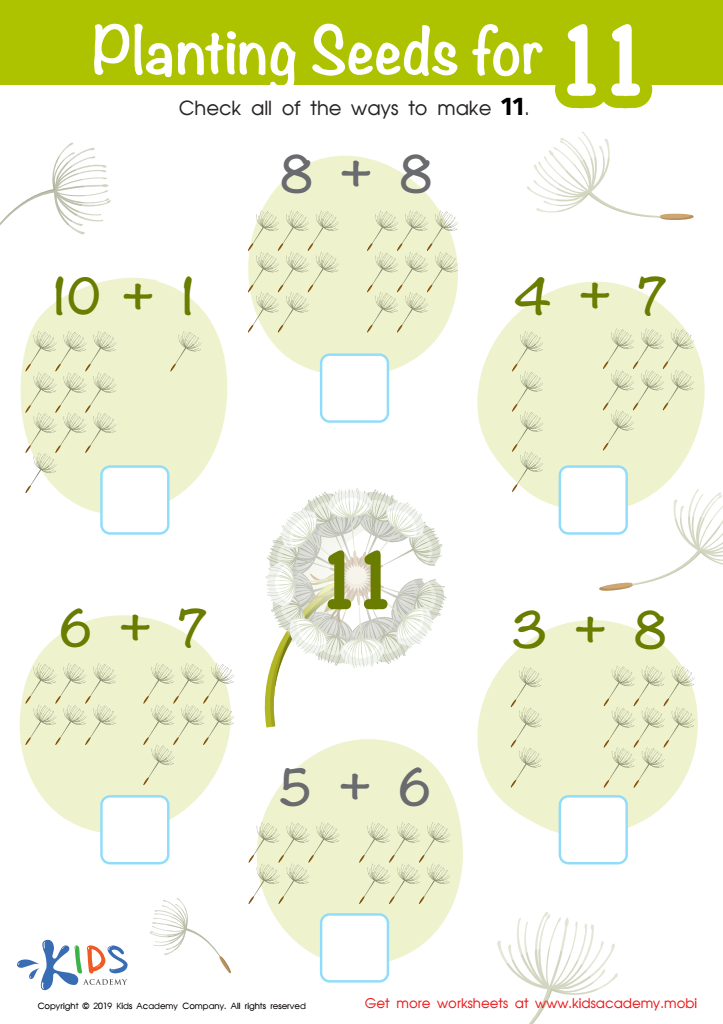
Planting Seeds for 11 Worksheet
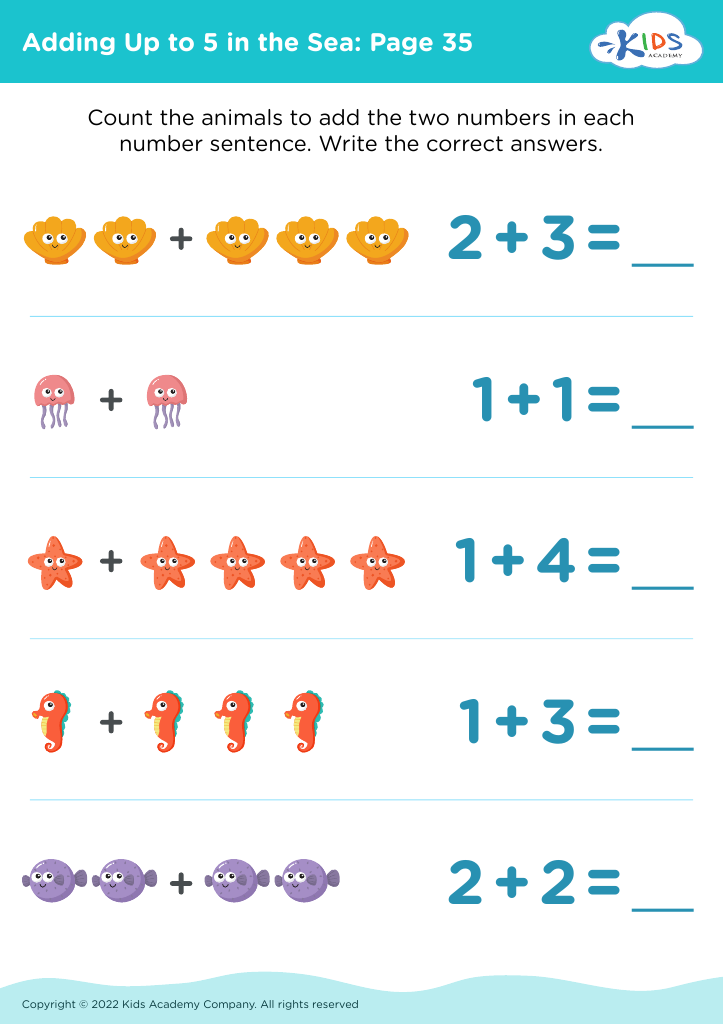
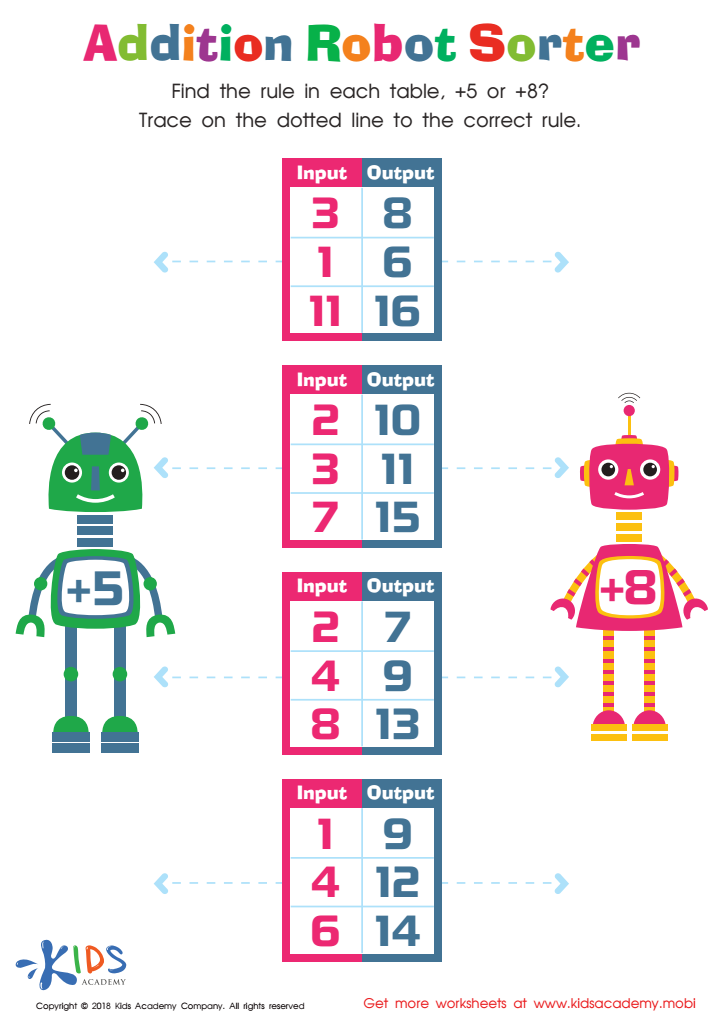
Addition Robot Sorter Worksheet
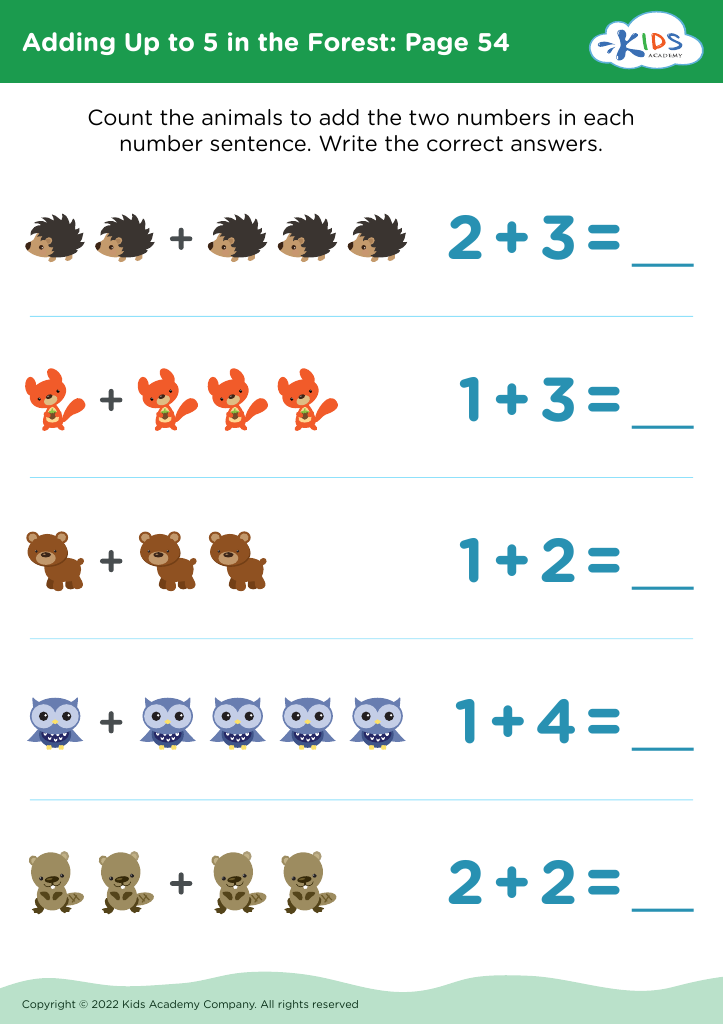
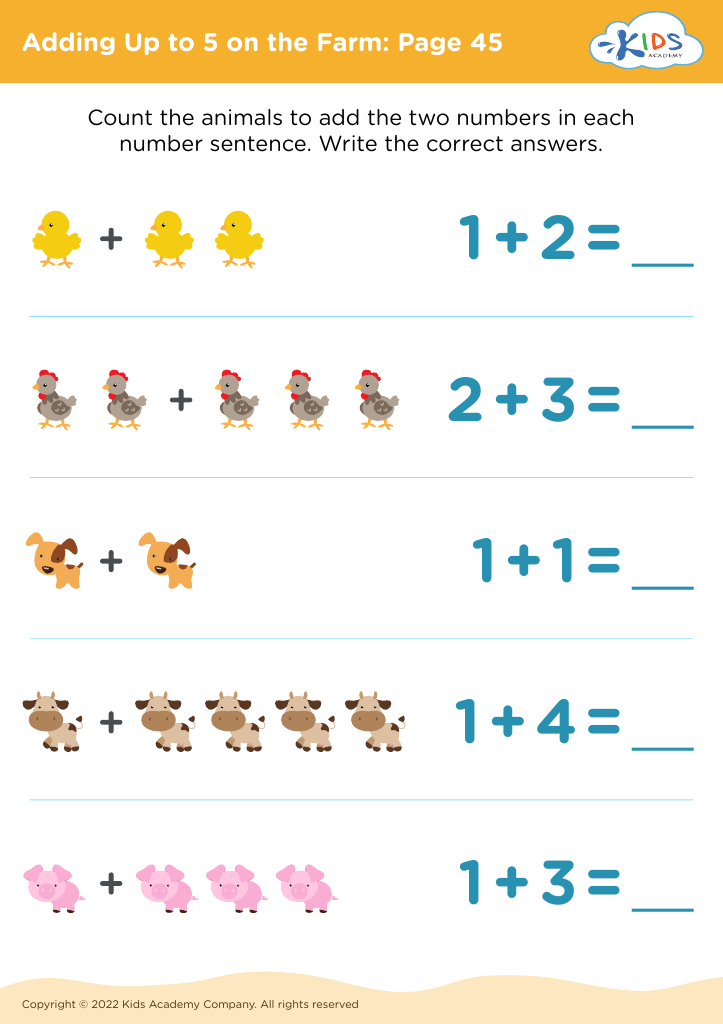
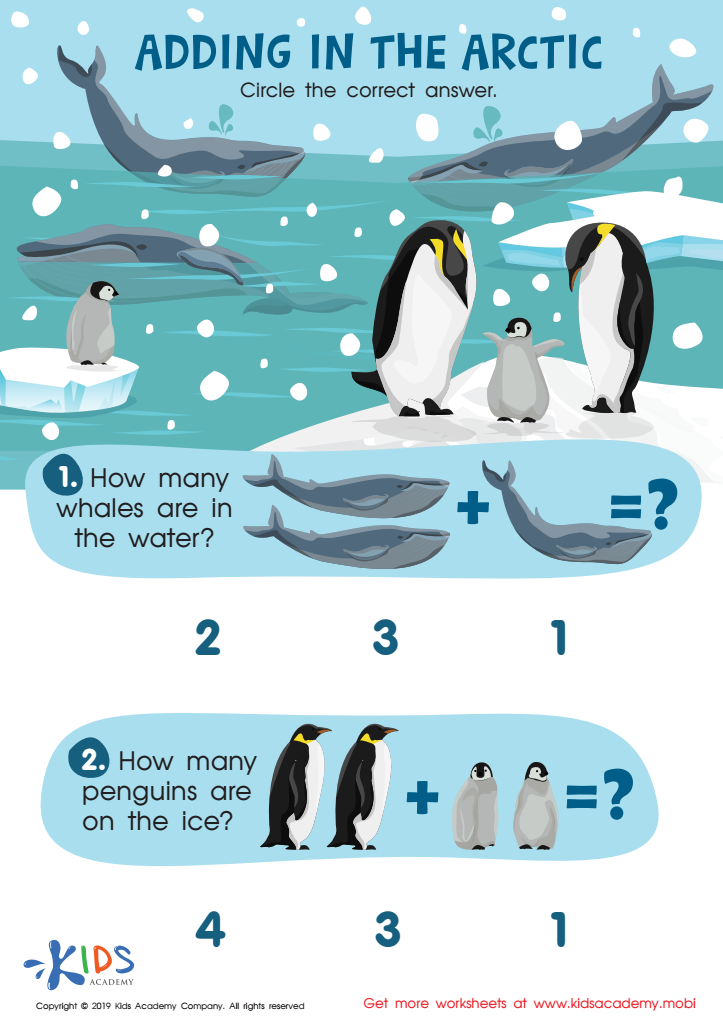
Adding in the Arctic Worksheet

Math Matching Pairs Game: Monsterв's Socks Worksheet
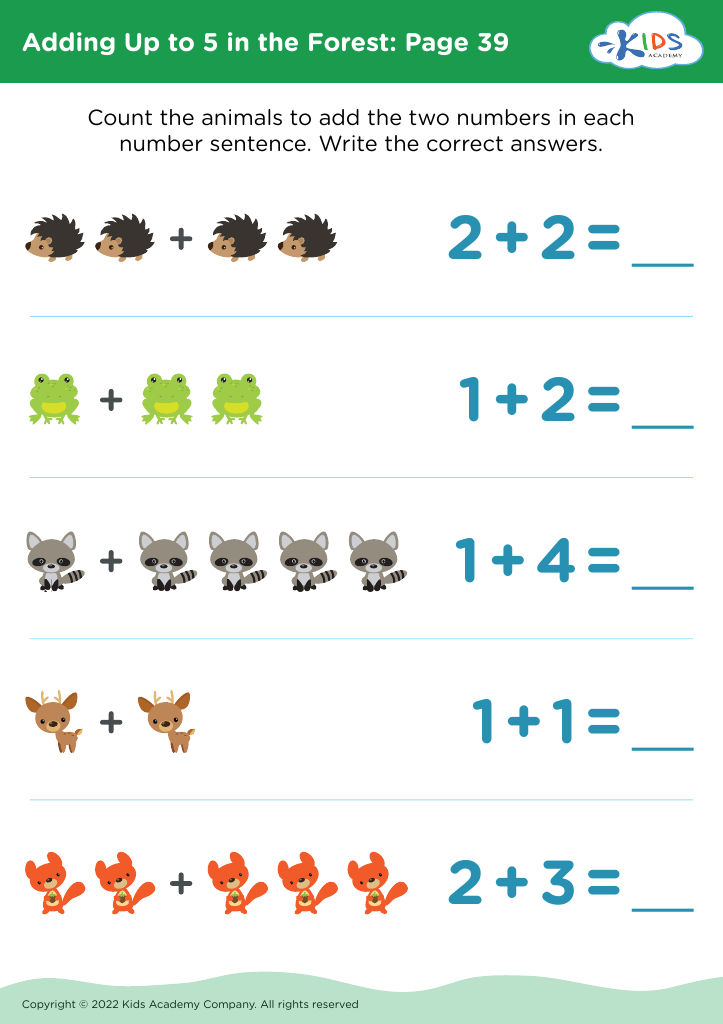
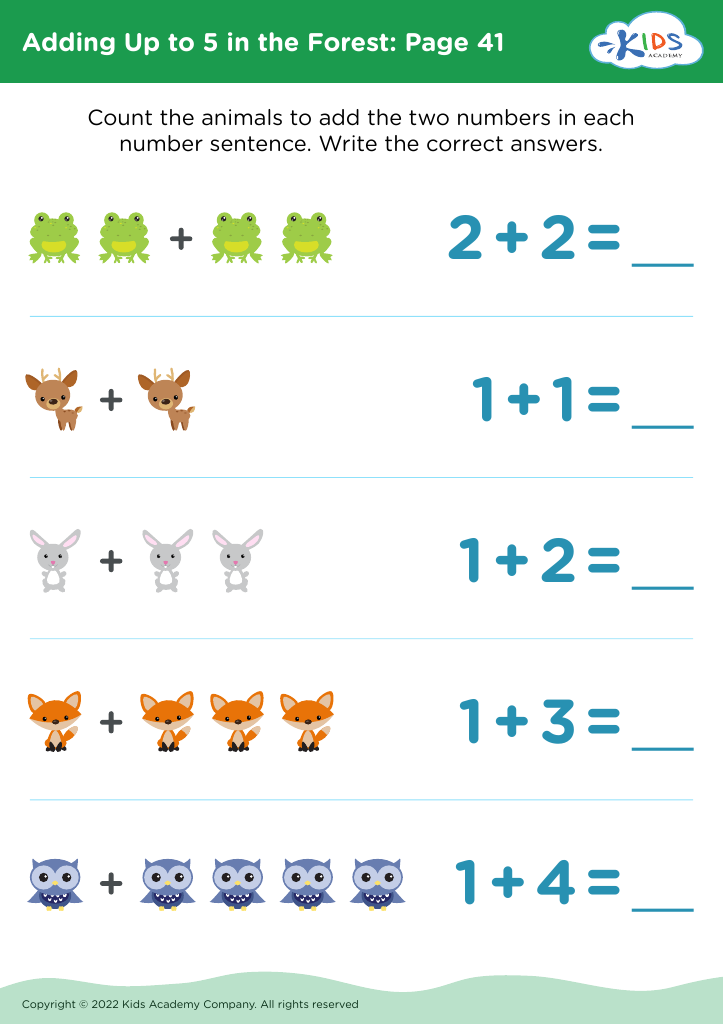
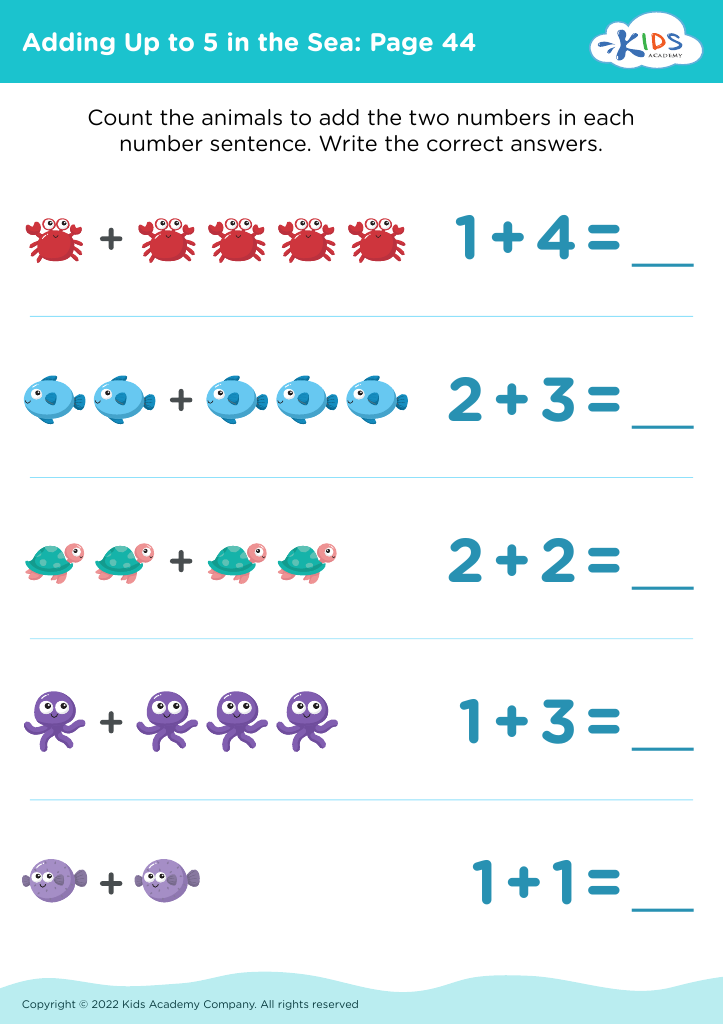








Fine motor skills are essential for young children as they form the foundation for various academic and everyday tasks. When it comes to addition and subtraction for children aged 4-6, these skills play a critical role. Fine motor skills involve the control of small muscles in the hands and fingers, which are essential for manipulating objects, writing, and performing tasks requiring precision.
At this developmental stage, incorporating fine motor activities into math lessons can enhance children's understanding of basic addition and subtraction concepts. For instance, using manipulatives like small blocks or beads not only makes math engaging but also improves dexterity. Activities like threading beads to count or using fingers to represent numbers strengthen their grasp of mathematical operations.
Furthermore, fine motor skills bolster children’s confidence and independence. As they master tasks involving hand-eye coordination, they feel a sense of achievement, encouraging them to tackle more complex concepts as they progress toward advanced math skills.
Overall, supporting fine motor skills during early math learning lays a crucial groundwork for a child's academic success, making it imperative for parents and teachers to prioritize and integrate these activities into educational practice. Nurturing both fine motor skills and math understanding ultimately promotes holistic development for young learners.








