Understanding numbers Addition & Subtraction Worksheets for Ages 4-6
4 filtered results
-
From - To
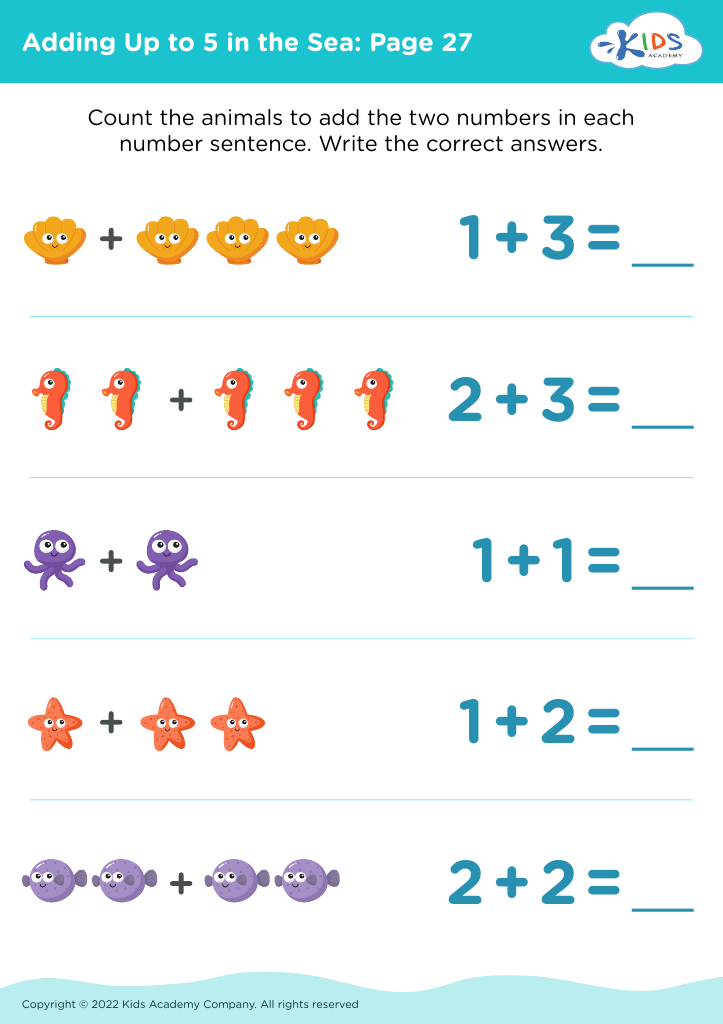
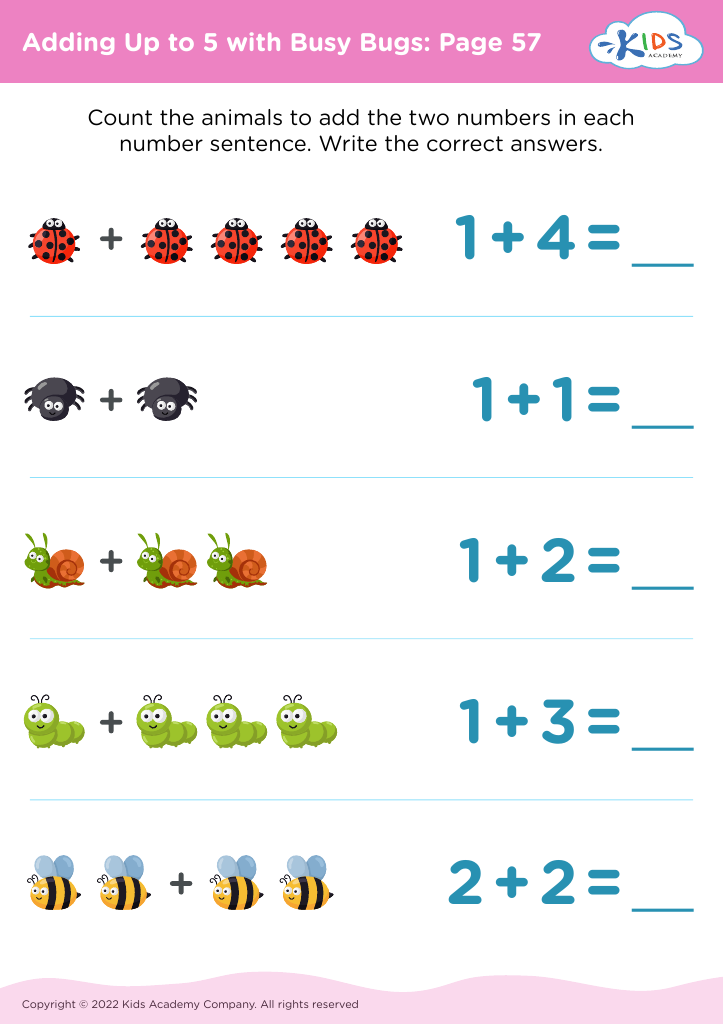
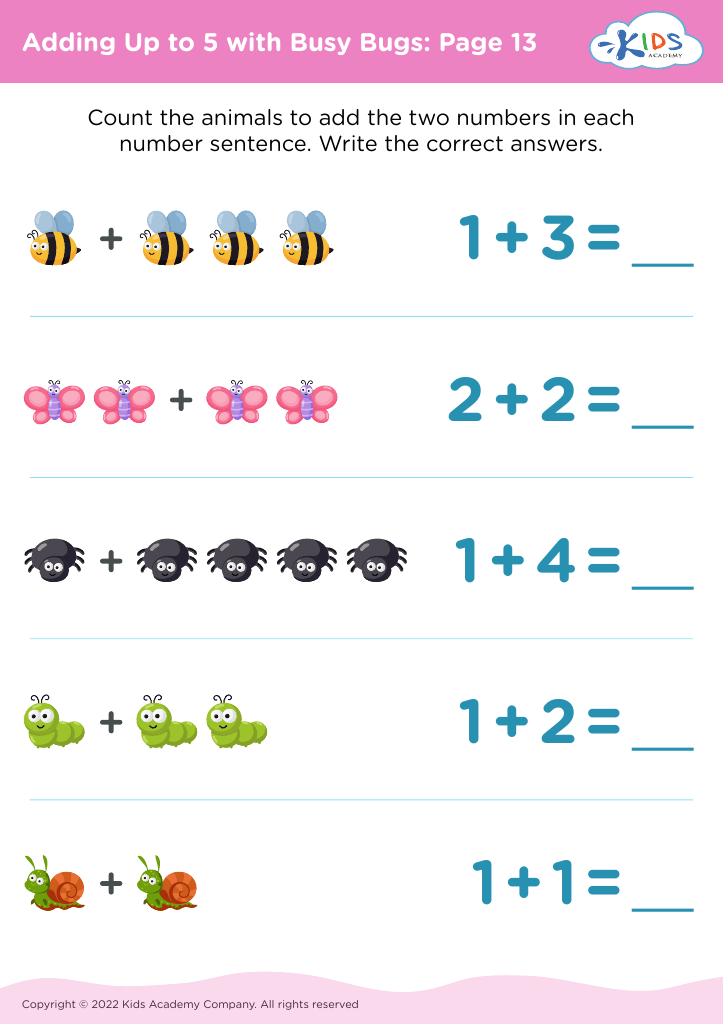
Boost your child's early math skills with our "Understanding Numbers: Addition & Subtraction Worksheets for Ages 4-6." Thoughtfully designed to engage young learners, these fun and interactive worksheets make mastering addition and subtraction enjoyable. Each activity provides clear instructions and colorful visuals to help kids confidently grasp basic math concepts while improving problem-solving skills. Perfect for home or classroom use, our resources include diverse exercises to ensure continuous learning and development. Explore our collection and watch your child develop a strong foundation in math, setting the stage for future academic success. Start learning and have fun today!
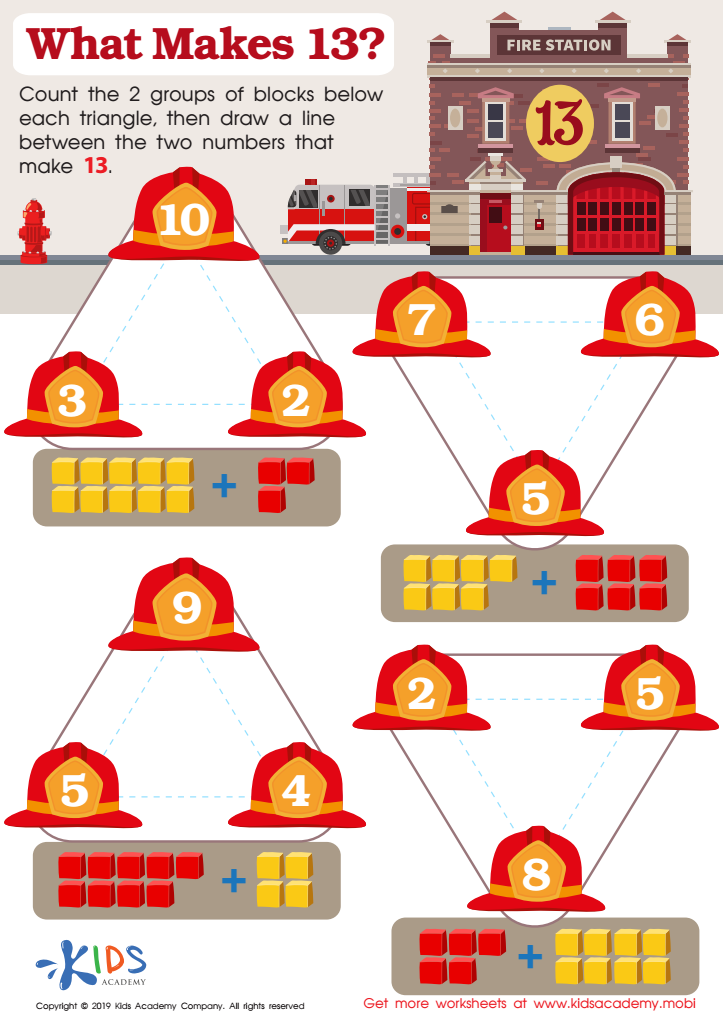
What Makes 13 Worksheet
 Assign to My Students








Understanding numbers, addition, and subtraction is crucial for children aged 4-6 as these foundational skills set the stage for future academic success and everyday problem-solving abilities. At this developmental stage, children are naturally curious and absorb information rapidly. Learning basic arithmetic fosters cognitive development and enhances their ability to use logical reasoning.
Parents and teachers play an essential role in cultivating these skills by integrating fun activities and practical examples into everyday interactions. Simple tasks such as counting toys, sharing snacks, or playing educational games can make learning enjoyable and relatable. This early engagement not only builds confidence but also encourages a positive attitude towards learning.
Moreover, proficiency in basic arithmetic is linked to better performance in various subjects, including science, art, and physical education. Understanding numbers and basic mathematical operations helps children grasp patterns, make predictions, and understand sequences, all of which are necessary skills in everyday life.
Early mathematical literacy also aids in developing critical thinking and decision-making capabilities. By making learning interactive and supportive, parents and teachers can ensure that children develop a strong numerical foundation, setting them up for future academic and personal success.








