Understanding numerical values Addition & Subtraction Worksheets for Ages 4-6
4 filtered results
-
From - To
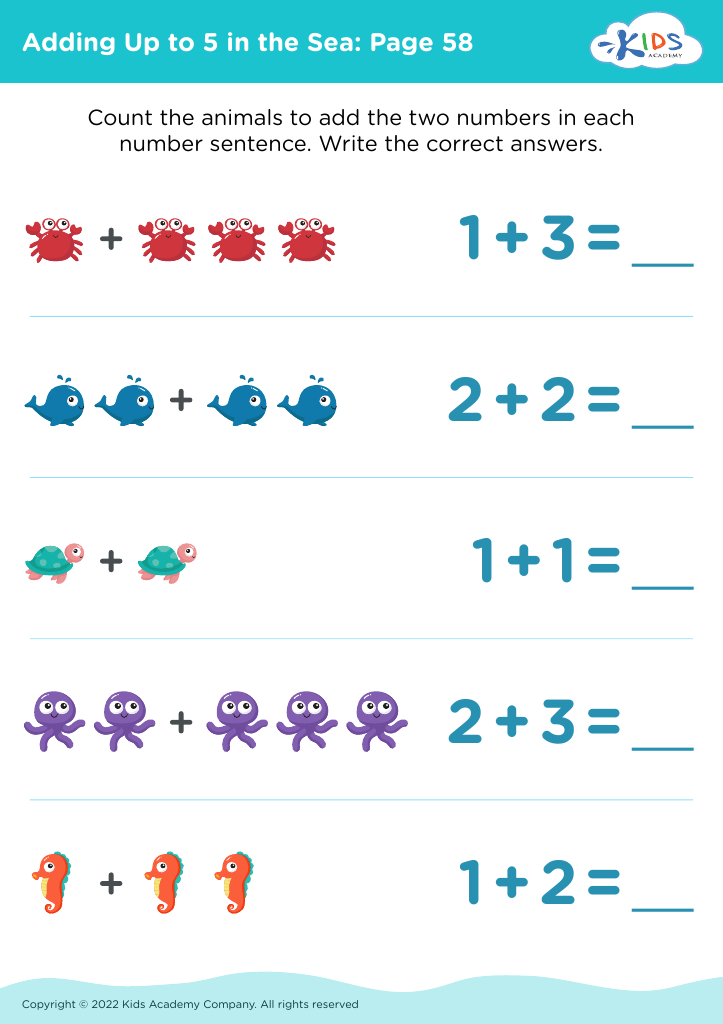
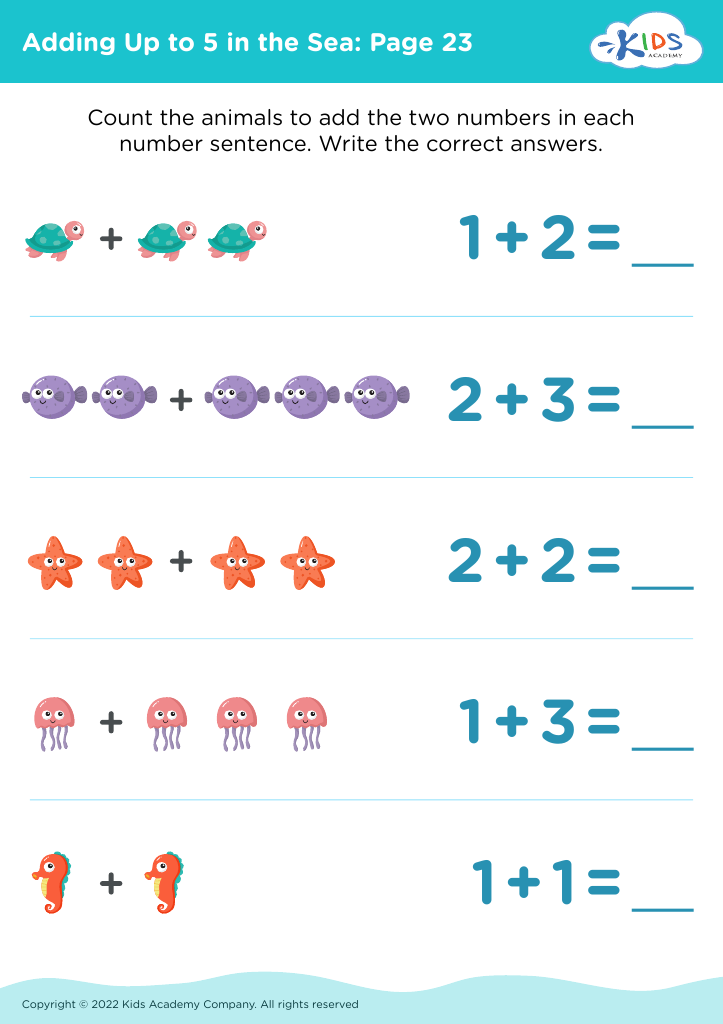
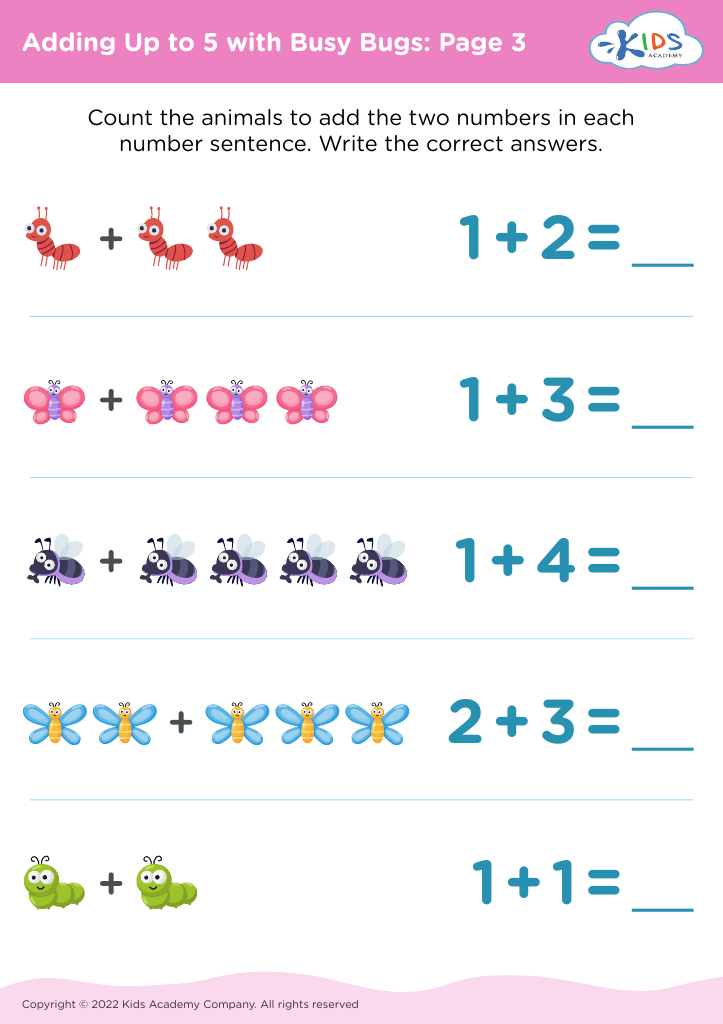
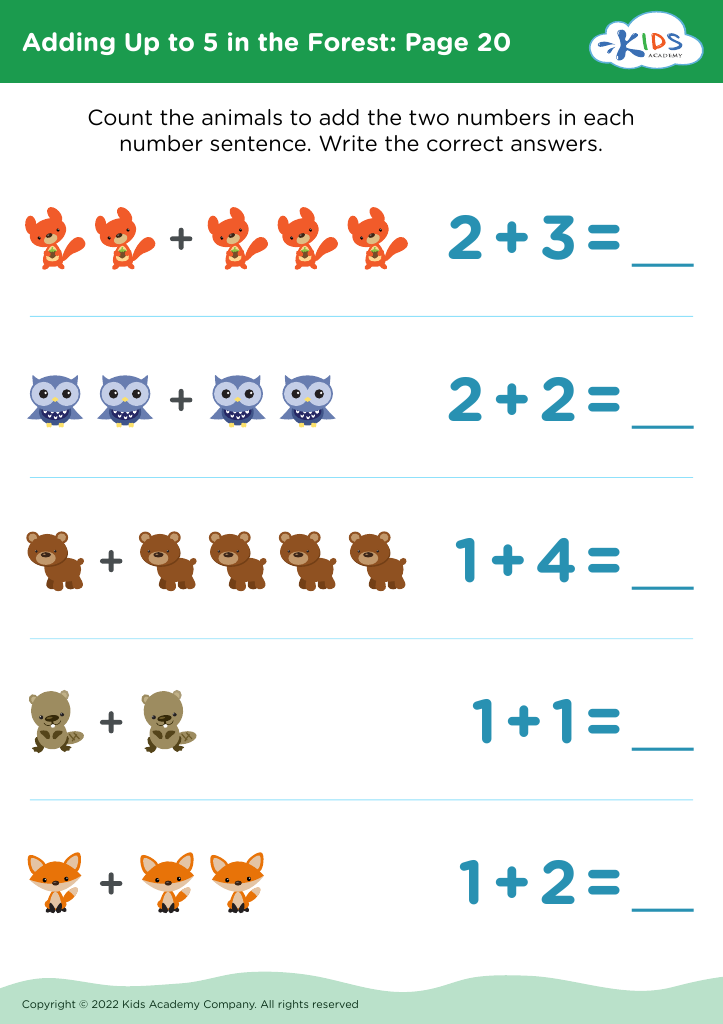
Discover our engaging "Understanding Numerical Values" Addition and Subtraction Worksheets tailored for young learners aged 4-6. These worksheets help instill fundamental math skills by introducing the concepts of addition and subtraction through fun activities that reinforce numerical understanding. Each worksheet is designed to captivate children's interest while providing clear visuals and interactive exercises to enhance learning. Ideal for both classroom and home settings, our resources foster critical thinking and problem-solving skills. Encourage your child’s growth in math with our user-friendly worksheets, making learning numbers enjoyable and effective. Start your child’s journey towards math confidence today!








Understanding numerical values, addition, and subtraction is foundational for children aged 4 to 6, making it essential for parents and teachers to emphasize this learning stage. At this age, children are developing their cognitive abilities, and grasping mathematical concepts like numbers and operations sets the groundwork for future academic success.
Firstly, numerical understanding enhances critical thinking and problem-solving skills. Recognizing and manipulating numbers encourages kids to think logically and increase their confidence when tackling challenges. Moreover, mathematics is deeply rooted in daily life—whether it’s counting items during play, sharing snacks, or understanding time—which helps children make real-world connections.
Furthermore, early math skills foster a positive attitude towards learning. Engaging activities, like simple addition and subtraction games, make learning enjoyable, instilling a love for math that can last a lifetime. Additionally, as the classroom becomes more diverse, fluency in these concepts can aid in bridging gaps, providing a sense of achievement for all learners.
In summary, focusing on numerical values and simple operations equips young children with critical skills for life, enhances their cognitive abilities, and promotes a positive learning experience, which together underline the importance of prioritizing mathematical understanding in early education.








