Fine motor development Addition Worksheets for Ages 4-6
3 filtered results
-
From - To
Enhance your child's fine motor skills while introducing them to the fundamentals of addition with our engaging worksheets designed for ages 4-6. These specialized activities combine essential math concepts with exciting hands-on tasks that refine coordination and precision. From tracing numbers to connecting dots, each worksheet promotes dexterity while making learning enjoyable. Our carefully crafted exercises ensure young learners build confidence in both their math abilities and motor skills, laying a solid foundation for future success. Explore our collection today and watch your child flourish as they practice addition and fine motor techniques simultaneously! Perfect for home or classroom use.
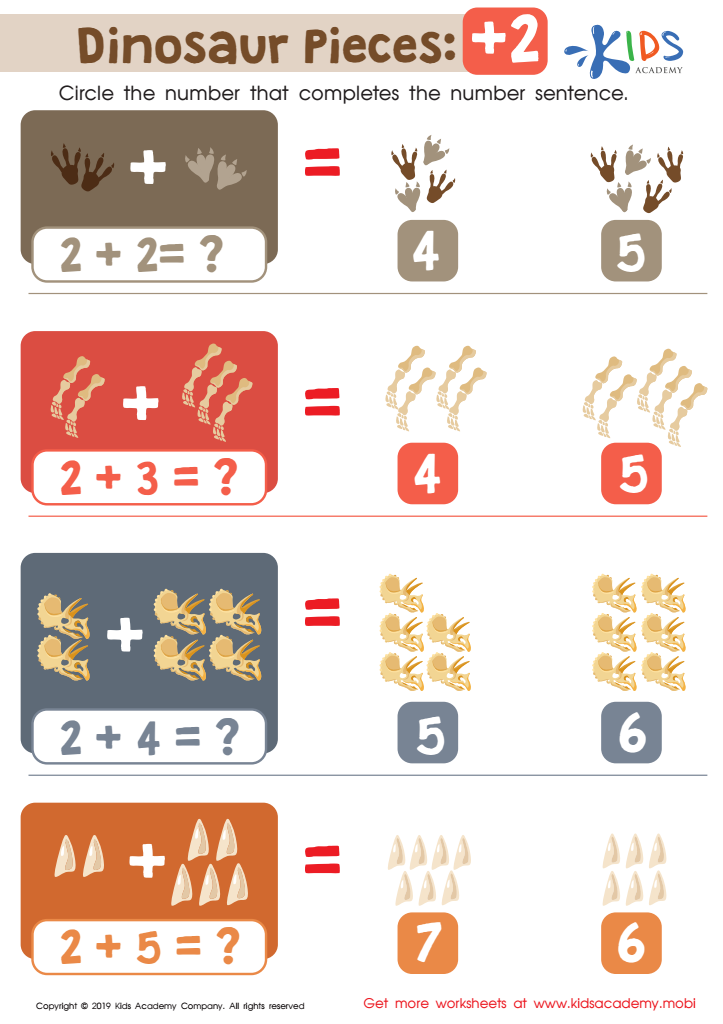
Dinosaur Pieces: +2 Worksheet
 Assign to My Students






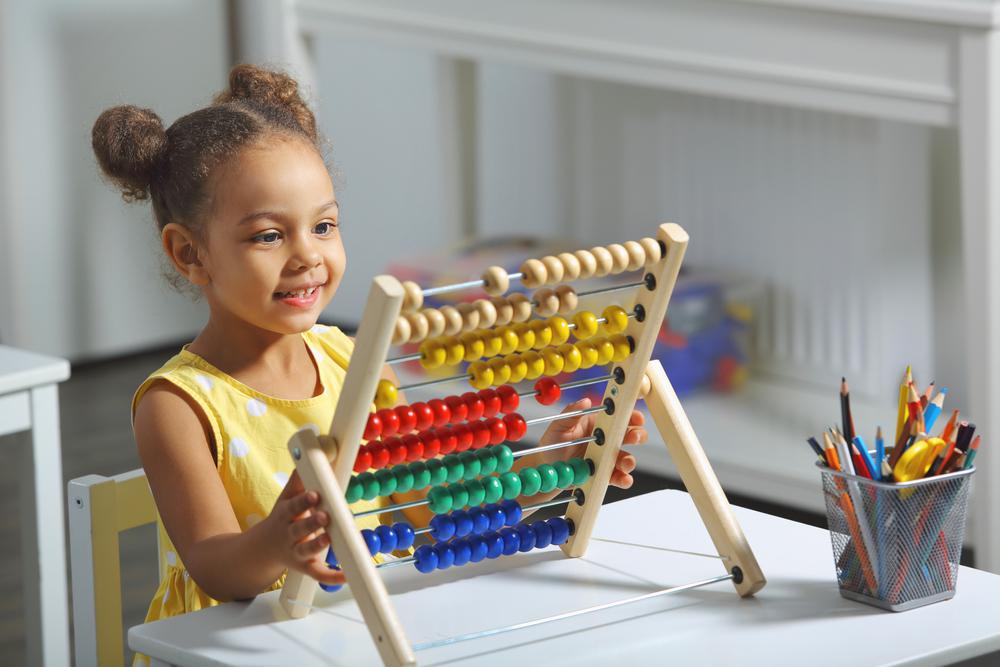

Fine motor development is crucial for children aged 4-6 as it lays the foundation for essential skills they'll use throughout life. During this period, children are mastering tasks that require precise hand-eye coordination and dexterity, such as writing, drawing, buttoning clothes, and using scissors. These abilities are not merely about practicality; they greatly influence a child’s academic performance, self-esteem, and independence.
Parents and teachers should be concerned about fine motor skills because deficits can lead to frustration and a lack of confidence in classroom settings. Children with strong fine motor skills are better prepared to engage in learning activities, partake in arts and crafts, and participate in tasks requiring focus and control. Additionally, promoting fine motor development can be an exciting and interactive process, involving activities like playdough manipulation, threading beads, or engaging in puzzles, thereby enhancing children’s creativity and problem-solving skills.
By prioritizing fine motor development, caregivers create a supportive environment that fosters confidence and readiness for academic challenges, enhancing children’s overall social and emotional growth. Investing early in this area helps ensure children develop the competency required for effective learning as they progress through their educational journey.








