
Fine motor skills (drawing lines) Addition Worksheets for Ages 4-6
3 filtered results
Difficulty Level
Grade
Age
-
From - To
Subject
Activity
Standards
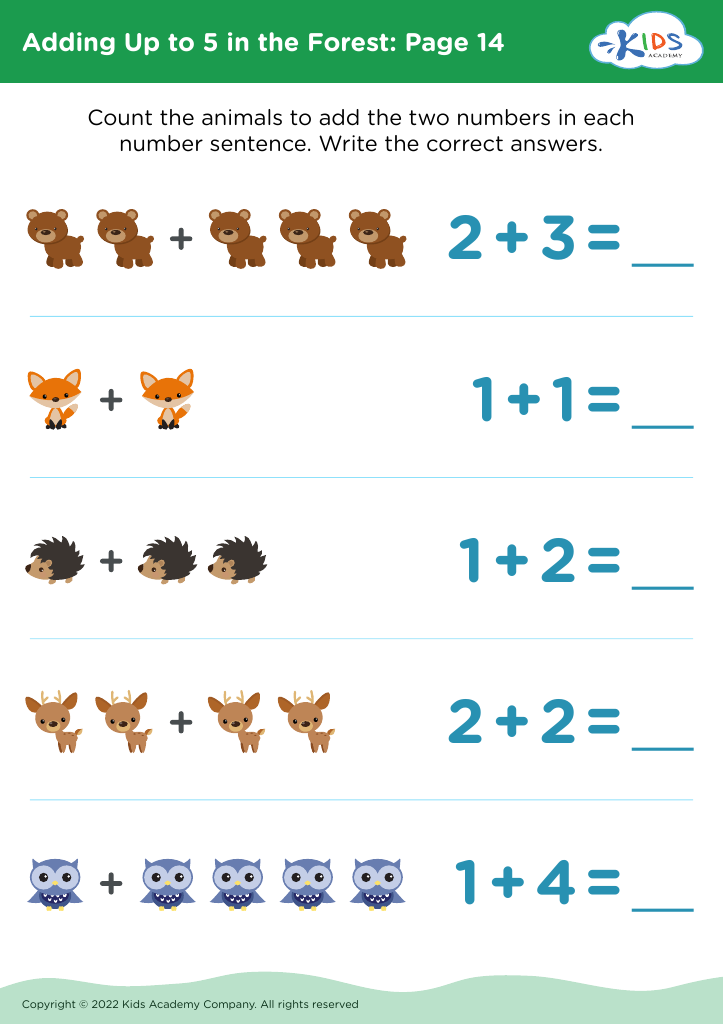
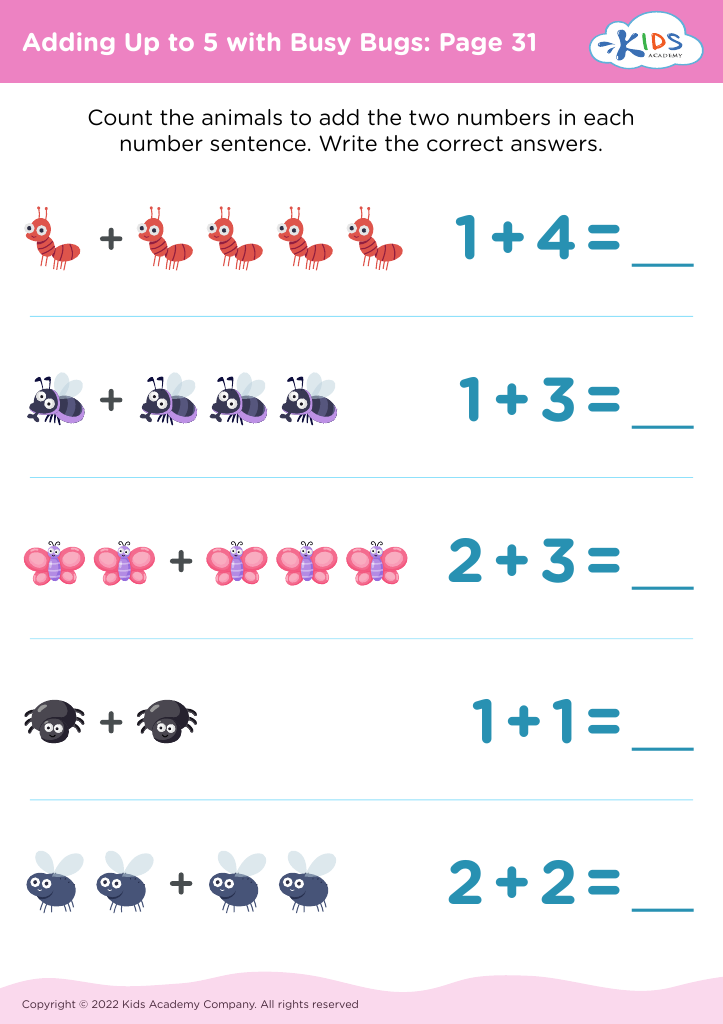
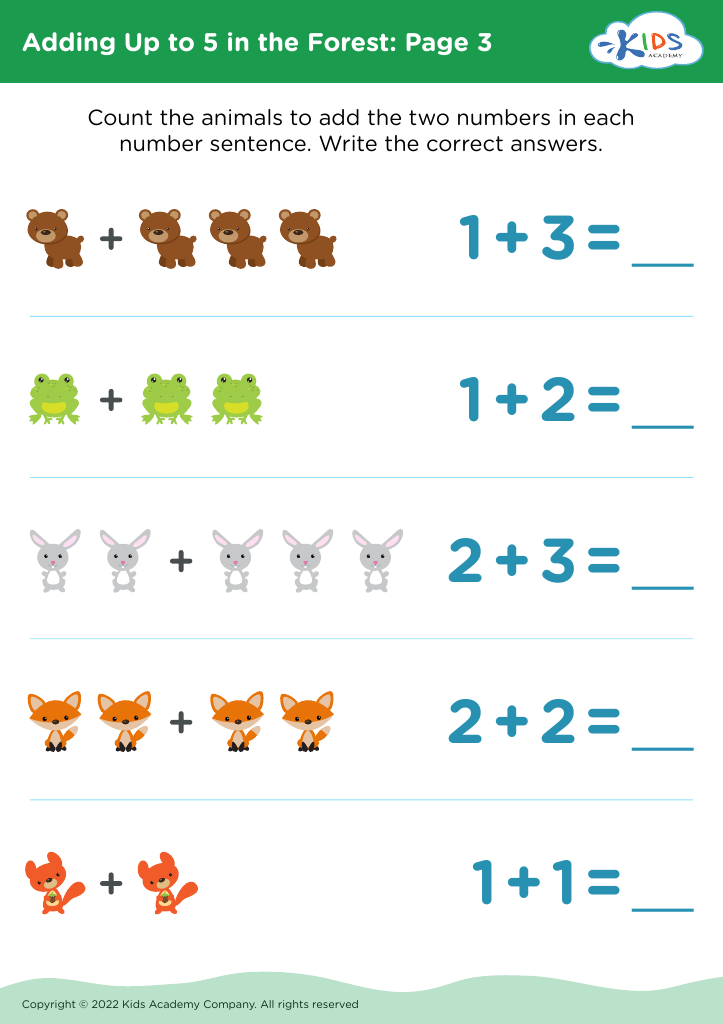
Enhance your child's fine motor skills with our engaging drawing lines addition worksheets designed specifically for ages 4-6. These worksheets offer a fun way for young learners to develop hand-eye coordination and control while enjoying early math concepts. As children trace and draw lines, they'll not only improve their writing abilities but also build a foundational understanding of addition. Our colorful, interactive activities make learning enjoyable, motivating kids to practice essential skills effortlessly. Perfect for classroom settings or at-home learning environments, these addition worksheets ensure a holistic developmental approach, merging art, math, and fine motor skill enhancement in one captivating package.
Favorites
With answer key
Interactive
Join Kids Academy for Free
Who is primarily going to use this learning content?








Fine motor skills are crucial for children's development, particularly for those aged 4-6, as they lay the foundation for essential tasks in handwriting, art, and daily activities. Drawing lines, a fundamental fine motor activity, fosters hand-eye coordination, dexterity, and hand strength. These skills are not only important for physical tasks but also play a significant role in cognitive development. When children practice drawing lines, they enhance their ability to control writing instruments, which leads to improved handwriting and later academic success.
Additionally, incorporating early math concepts like addition into fine motor activities can make learning engaging and interactive. For instance, children can practice creating and counting shapes while drawing lines, thereby reinforcing their understanding of numbers. This multi-sensory approach caters to different learning styles and keeps children motivated.
Parents and teachers who prioritize the development of fine motor skills provide children with the tools they need for success in both academic and social settings. By nurturing these skills, we help children become more confident learners, which sets the stage for a positive educational journey and lifelong learning. Ultimately, fostering fine motor skills in early childhood is an investment in a child’s future abilities and self-esteem.








