Improving counting skills Comparing Numbers Worksheets for Ages 4-6
3 filtered results
-
From - To
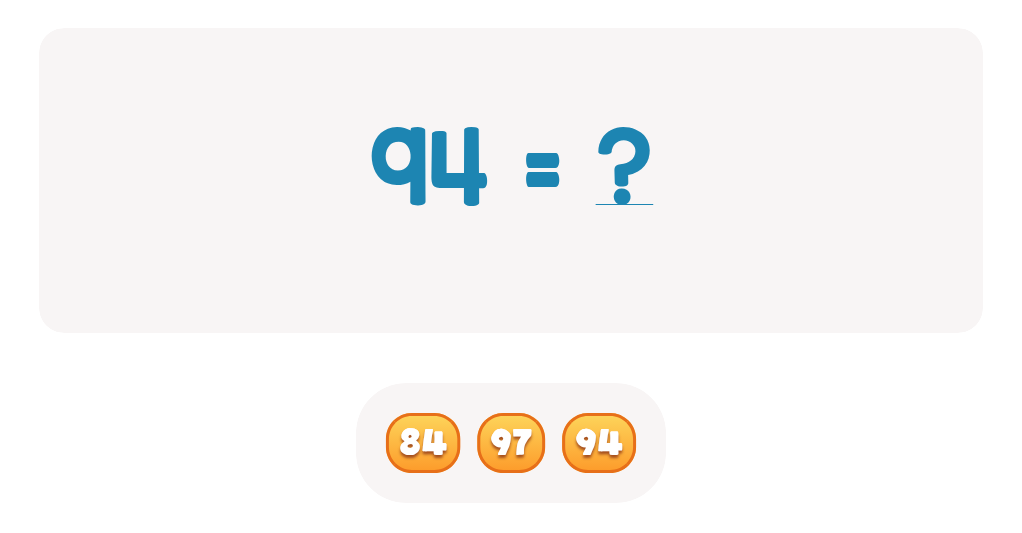
Boost your child’s confidence in mathematics with our "Improving Counting Skills: Comparing Numbers Worksheets" designed for children ages 4-6. These engaging worksheets provide a fun and interactive approach to learning essential counting and comparison skills. Suited for early learners, the activities encourage recognition of greater than, less than, and equal foundations, fostering a solid understanding of number relationships. Perfect for home or classroom use, these resources will captivate young minds as they practice counting, identifying numerals, and comparing quantities. Enhance your child’s numerical abilities and set them up for success in math with our thoughtfully crafted worksheets!
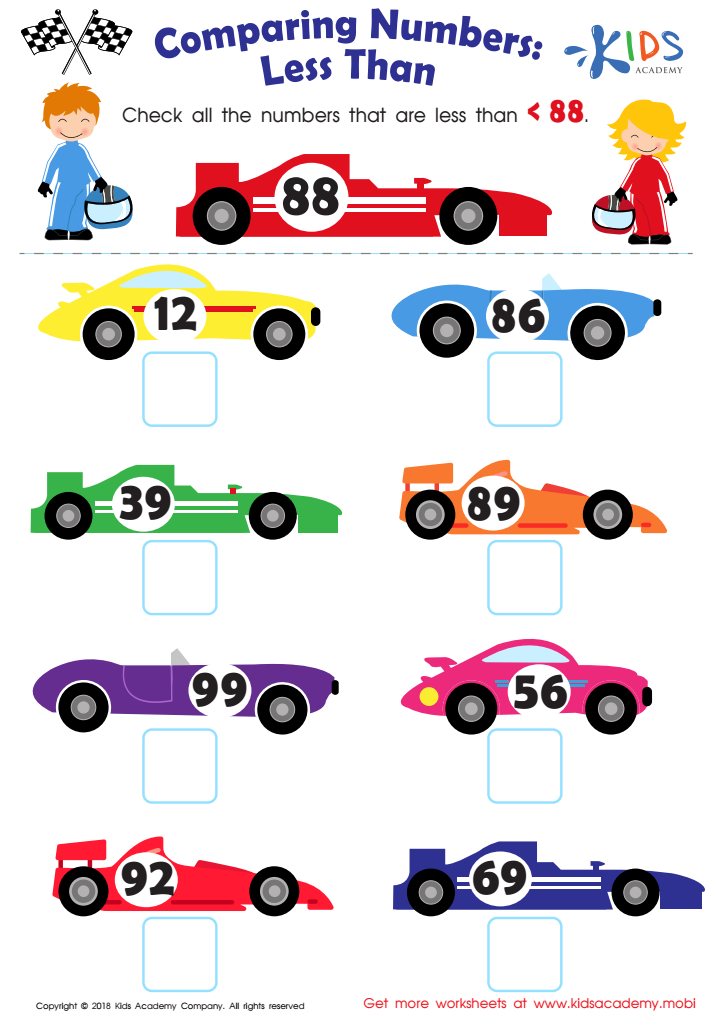
Less Than Worksheet
 Assign to My Students
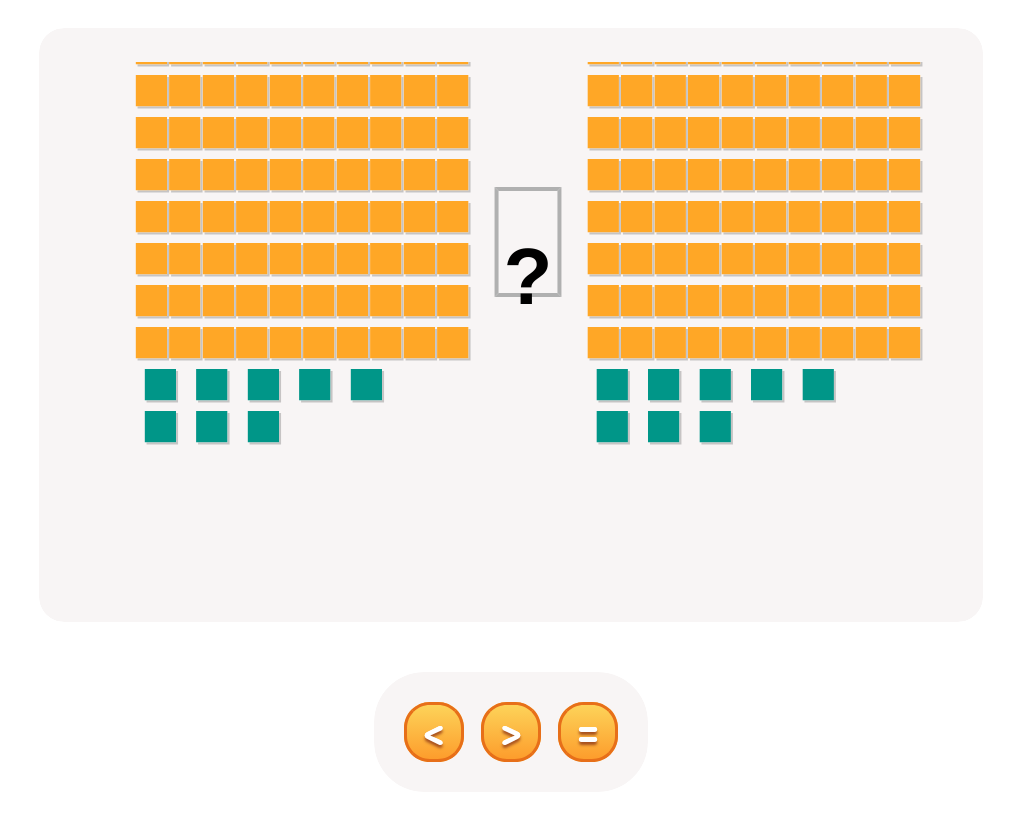

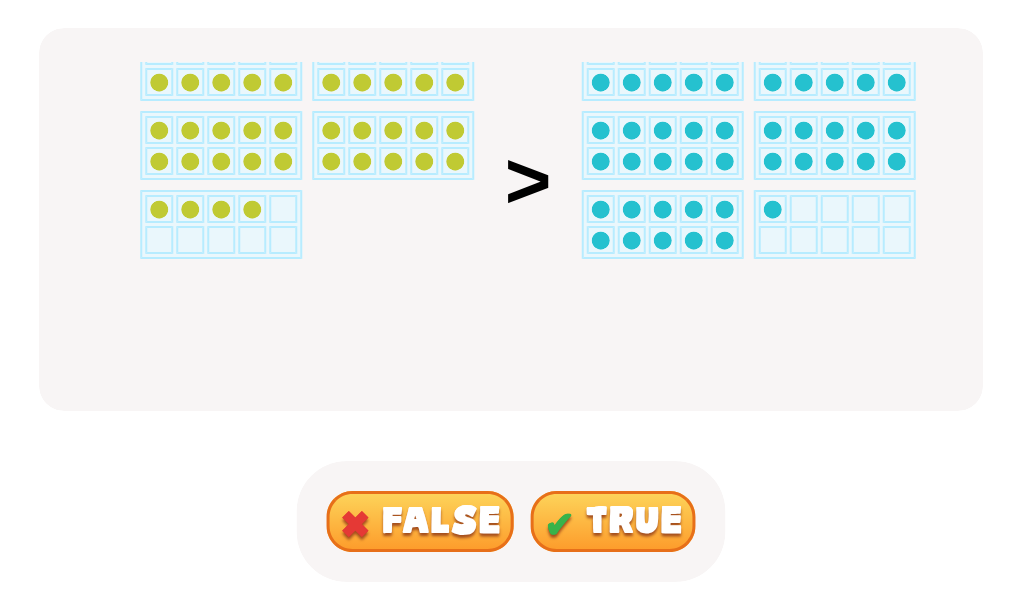
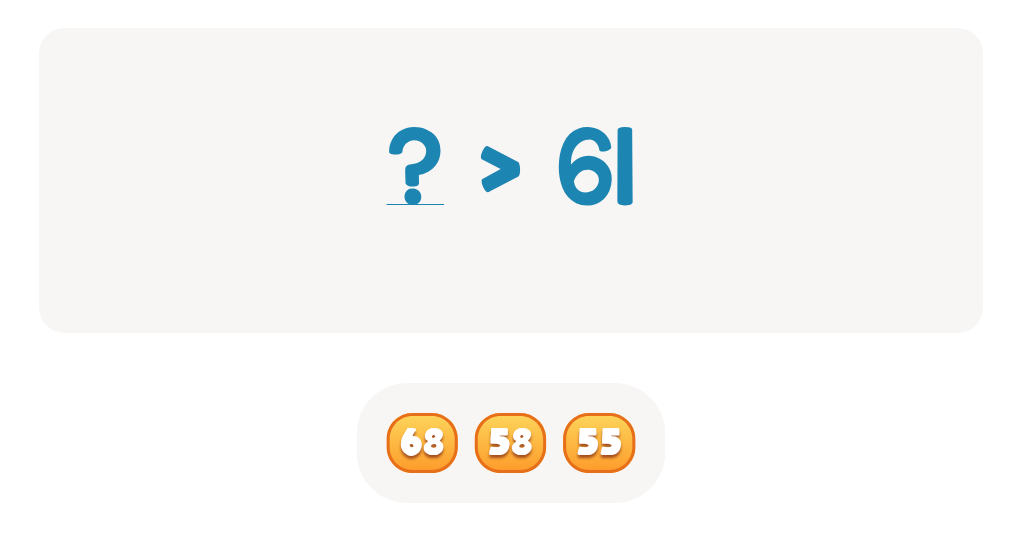
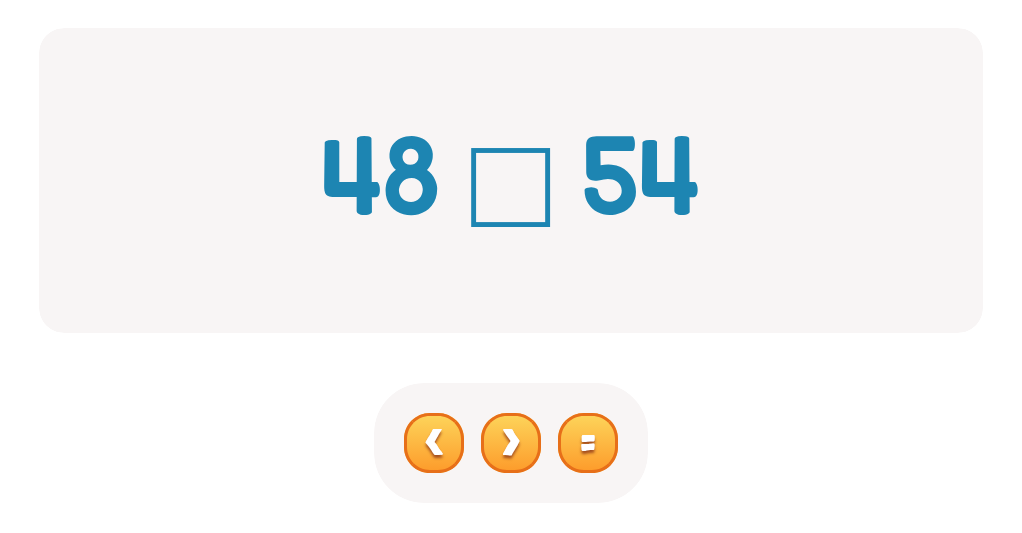
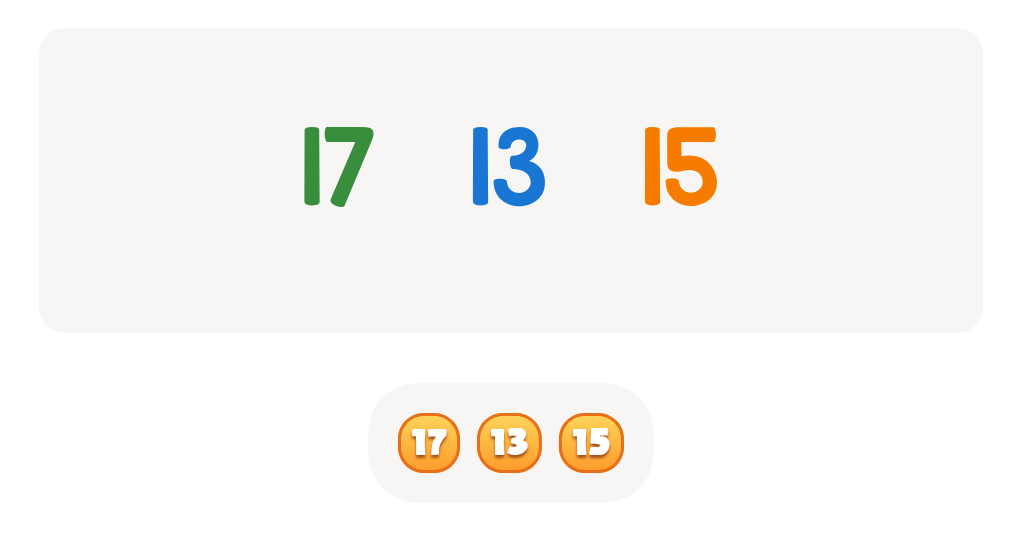
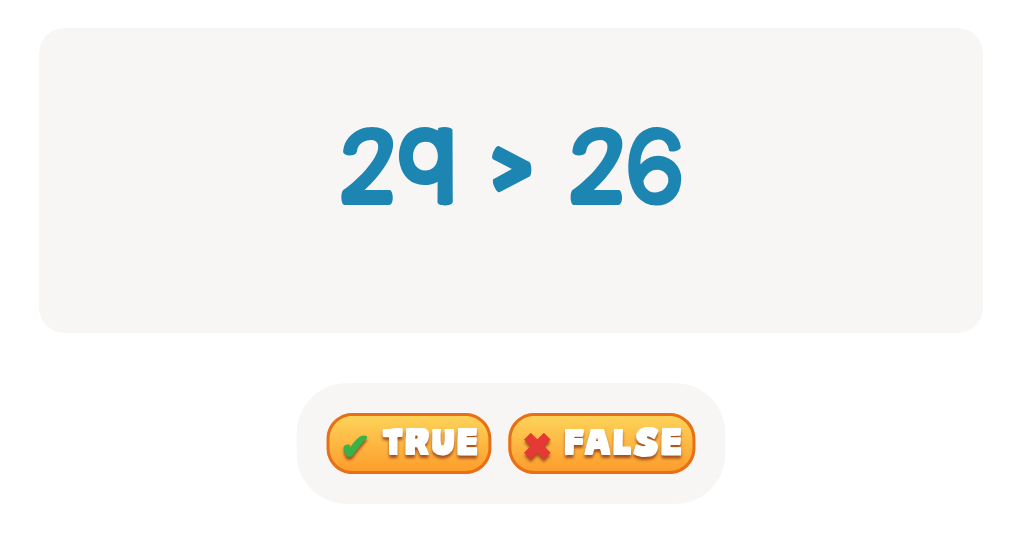
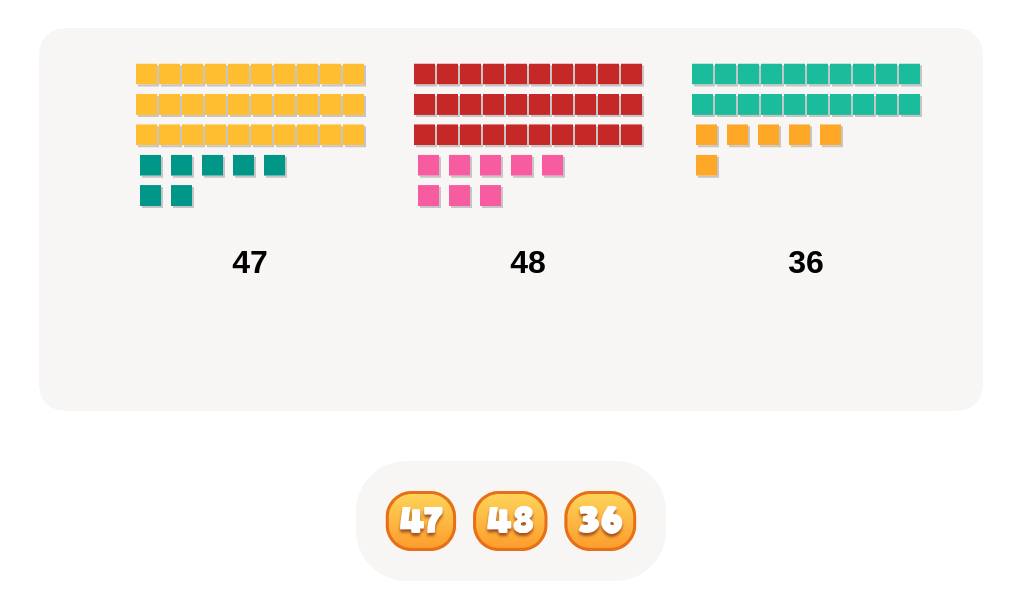
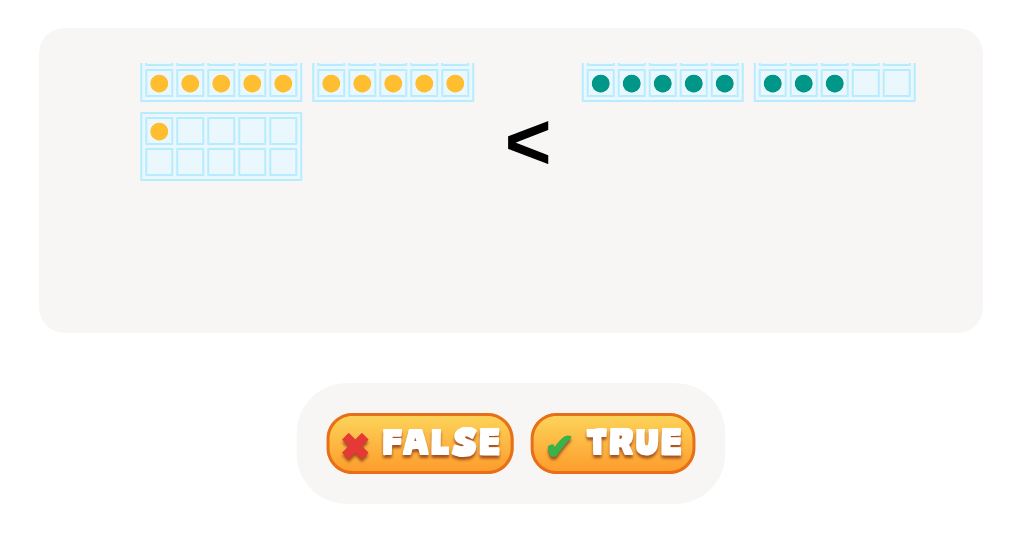
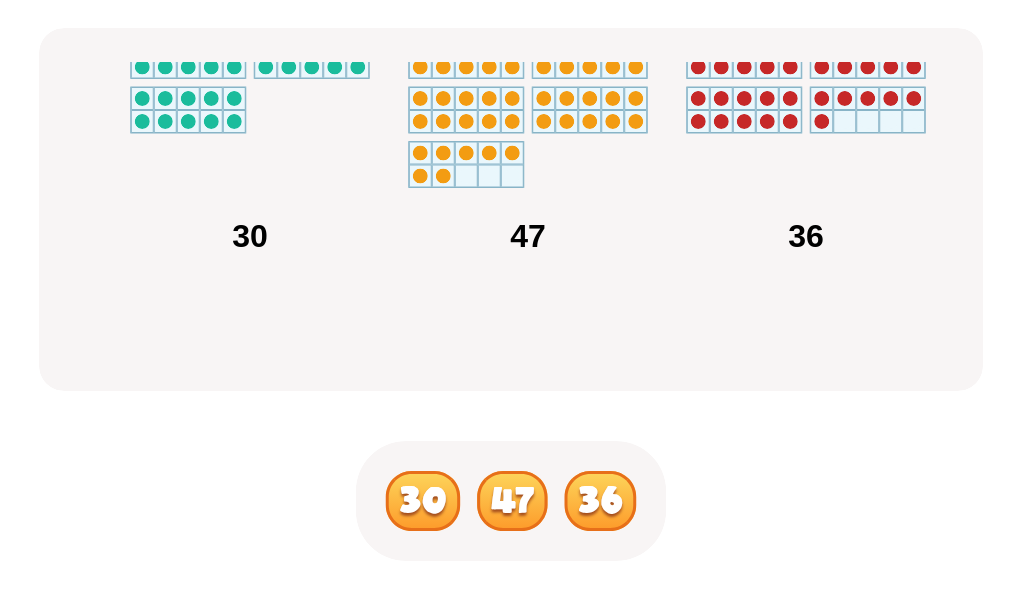
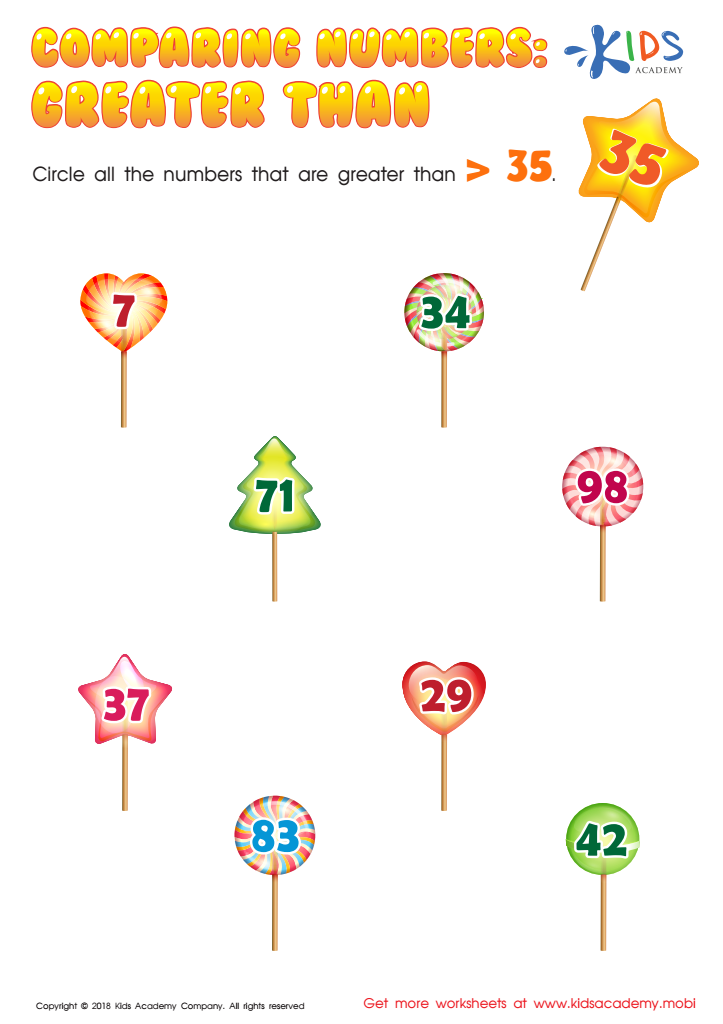
Greater Than Worksheet
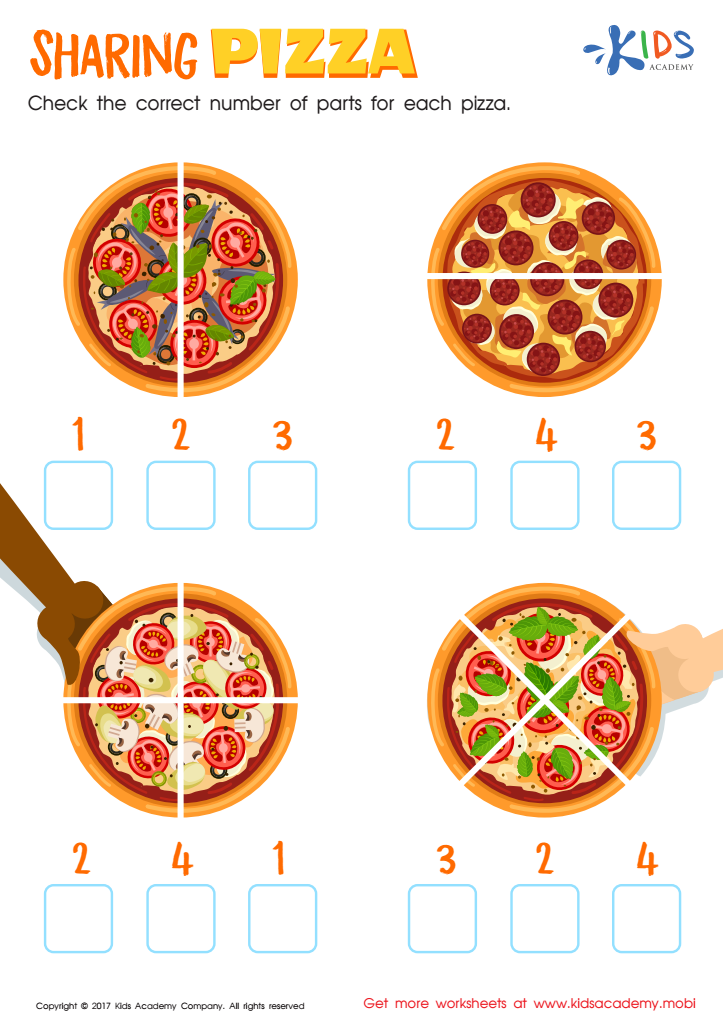
Sharing Pizza Worksheet







Improving counting skills and the ability to compare numbers is crucial for children aged 4-6 as these foundational skills set the stage for future mathematical understanding. At this age, children are naturally curious about numbers and engaging with them enhances cognitive development. Mastery of counting helps children understand quantity, which is pivotal not only in mathematics but also in everyday activities such as sharing, measuring, and organizing.
By focusing on counting and comparing numbers, parents and teachers provide children with essential tools to critically evaluate relationships between quantities, fostering analytical thinking. Recognizing which number is larger or smaller cultivates a sense of order and helps children develop problem-solving skills.
Additionally, strengthening these skills promotes confidence in children, making them more willing to engage with math as they progress in their education. A solid understanding of counting and number comparison also encourages good habits in number recognition and literacy that will benefit children in various subjects beyond math.
Ultimately, caring about these skills paves the way for successful math experiences in school, nurtures a positive attitude towards learning, and lays the groundwork for future academic achievement.