Spatial reasoning Geometry Worksheets for Ages 4-6
4 filtered results
-
From - To
Unlock your child's potential with our Spatial Reasoning Geometry Worksheets designed for ages 4-6! These engaging and interactive resources help children understand shapes, sizes, and spatial relationships through fun activities. Each worksheet encourages critical thinking and problem-solving skills, offering a solid foundation in geometry. From identifying shapes to comparing sizes, kids will enjoy hands-on learning that improves their cognitive abilities. Our worksheets are perfect for pre-school and kindergarten readiness, promoting early math skills in a playful manner. Explore our collection today and watch your young learners develop confidence in geometry while having a blast! Ideal for home and classroom use.
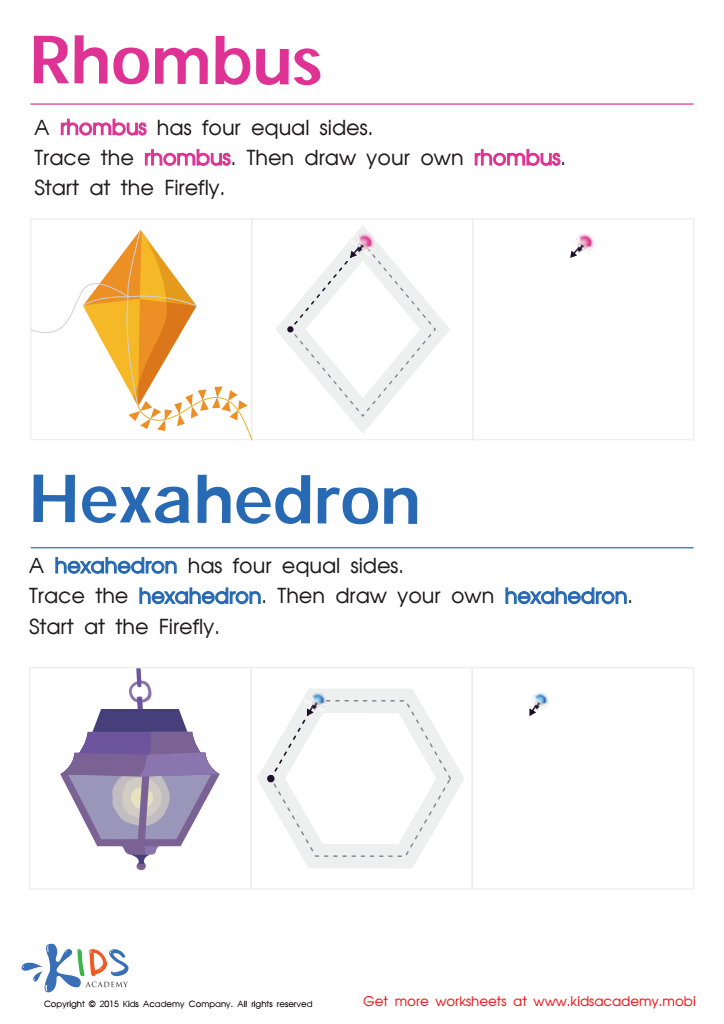
Draw a Rhombus And a Hexahedron Printable
 Assign to My Students











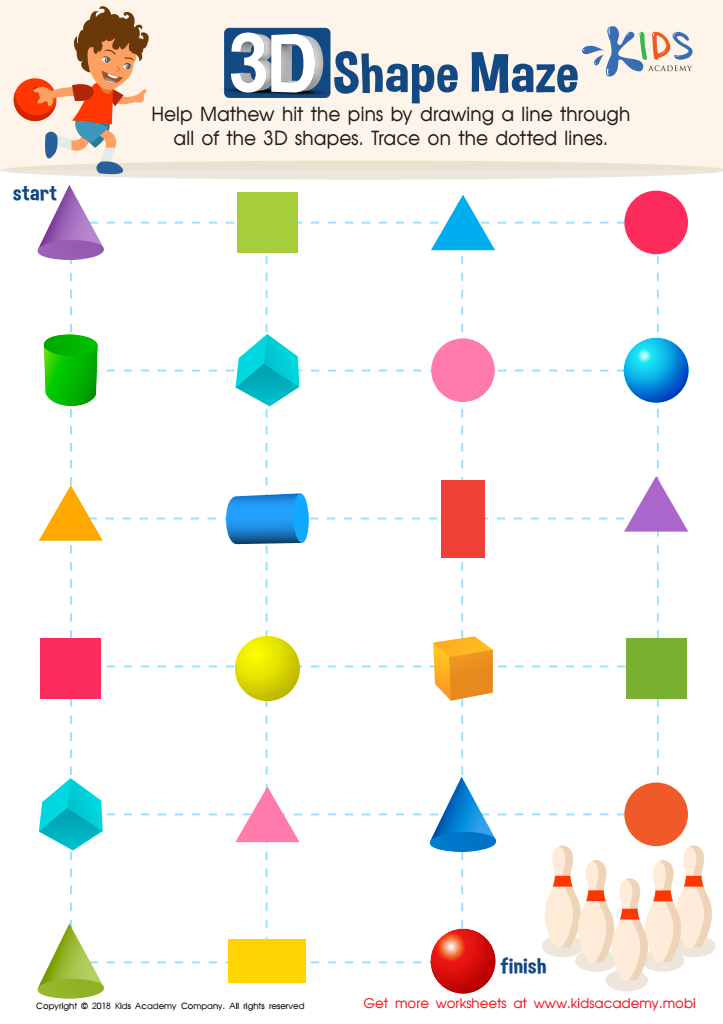
Shapes Maze Geometry Worksheet
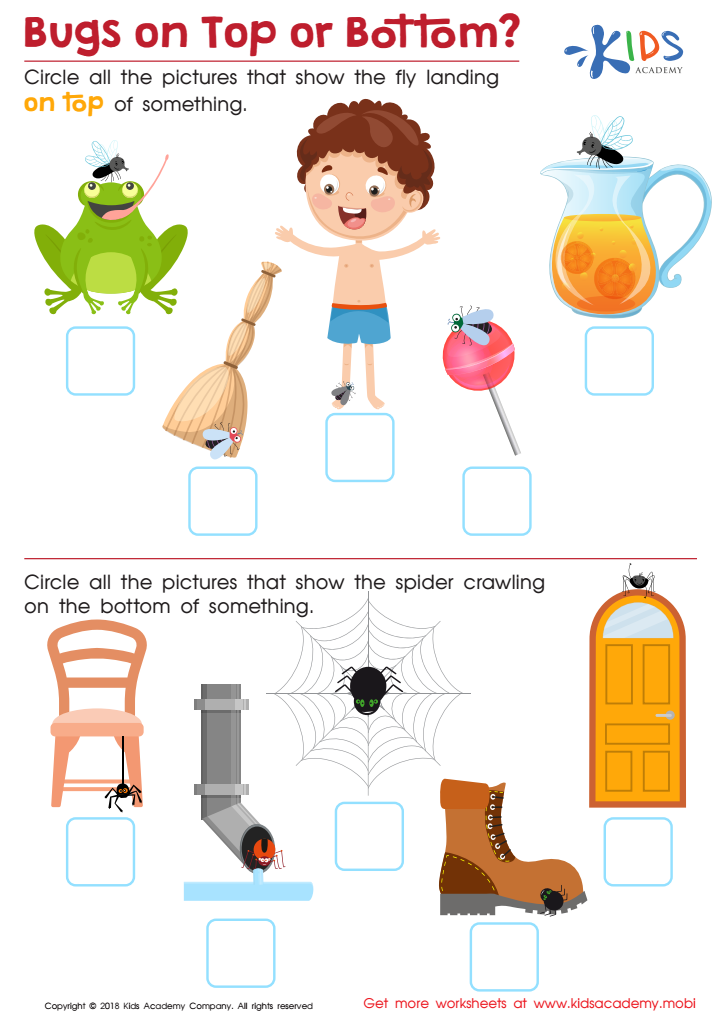
Bugs on Top or Bottom? Worksheet
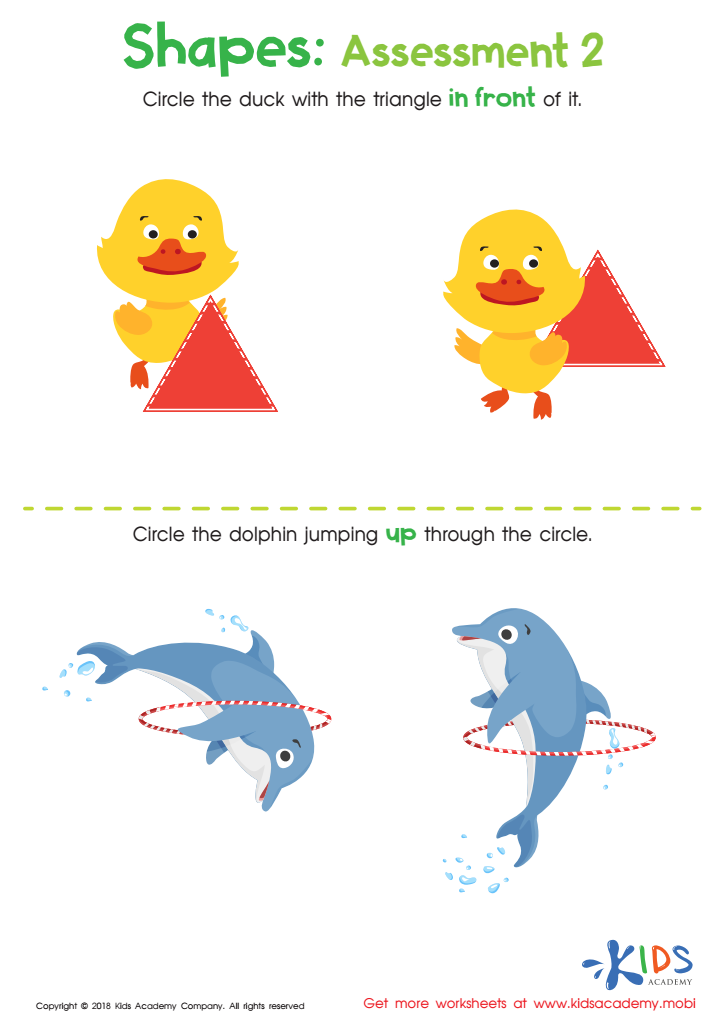
Geometry – Assessment 2 Worksheet








Spatial reasoning is a crucial skill for young children, particularly in the context of geometry, as it lays the foundation for effective problem-solving and critical thinking. For children ages 4-6, developing spatial reasoning helps them understand their physical environment, visualize objects in different orientations, and manipulate shapes mentally.
Parents and teachers should prioritize spatial reasoning activities because these skills are linked to later success in mathematics and science. Engaging in tasks such as building with blocks, solving simple puzzles, or playing with shape sorters enhances a child's ability to recognize patterns and relationships between objects.
Additionally, spatial reasoning fosters creativity and imagination as children explore and comprehend their surroundings. It encourages exploration and inquiry, which are essential aspects of early learning. By integrating spatial reasoning into everyday activities—like cooking, where measuring and spatial arrangements are involved—parents and teachers can enhance children's learning experiences.
Ultimately, strong spatial reasoning skills contribute to a child’s confidence and competence in both academic and real-world scenarios. Investing in these skills early on equips children with the tools they need to navigate their future learning, making it essential for parents and teachers to care about and support spatial reasoning development in young learners.








