
Sequencing Skills Numbers Worksheets for Ages 4-6
5 filtered results
Difficulty Level
Grade
Age
-
From - To
Subject
Activity
Standards
Explore our engaging Sequencing Skills Numbers Worksheets designed specifically for children aged 4-6! These worksheets provide a fun and interactive way for young learners to enhance their number recognition and sequencing abilities. Through colorful activities and relatable visuals, children will learn to arrange numbers in the correct order while developing essential math skills. Perfect for early education at home or in the classroom, our worksheets promote critical thinking and cognitive development. With varying levels of difficulty, these resources ensure that each child can progress at their own pace. Start your child's educational journey with our exciting sequencing skills worksheets today!
Favorites
With answer key
Interactive
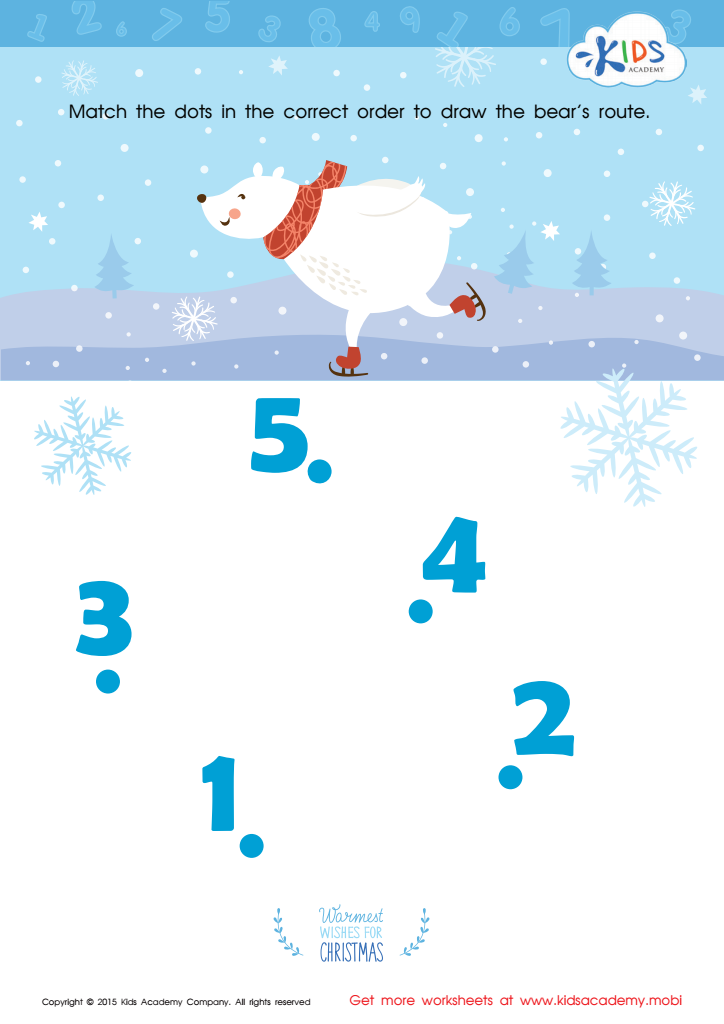
Drawing the Bear's Route by Number Worksheet
This winter-themed math worksheet is perfect for counting practice. Have fun learning and celebrating the season with your kindergartener as they trace and recognize numbers. It also helps develop fine motor muscles. For more fun, check out the math worksheets on Kids Academy.
 Assign to My Students
Drawing the Bear's Route by Number Worksheet
Worksheet
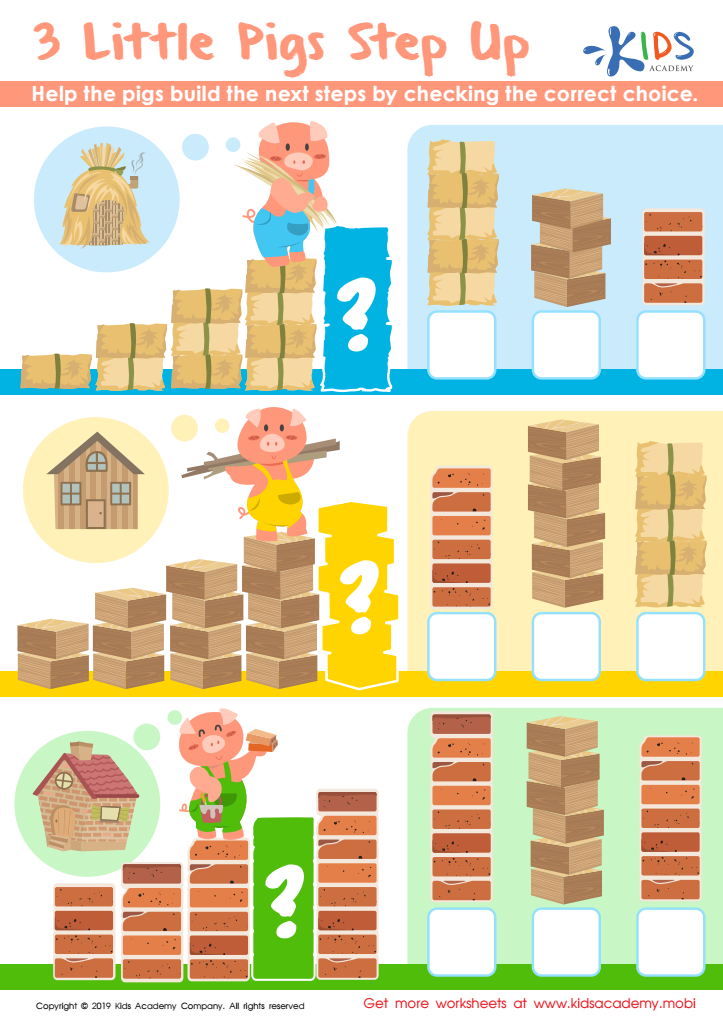
3 Little Pigs Step Up Worksheet
Test your kids' knowledge of the three little pigs' story. Ask them to tell you the important parts and then look at the pictures in this worksheet. Can they identify what's going on? They'll need to count the materials and help build the next steps by choosing the right option.
3 Little Pigs Step Up Worksheet
Worksheet
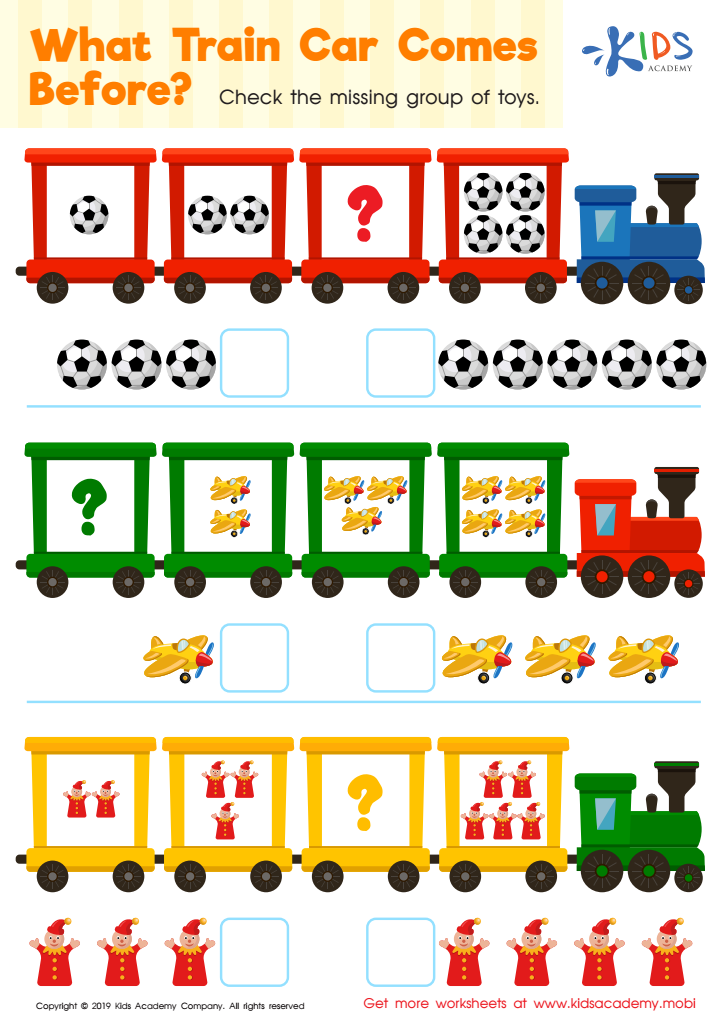
What Train Car Comes Before? Worksheet
Download this worksheet with your kids and have them identify the colorful objects pictured. Count the toys in the three trains together, then check the missing group of toys from the options provided. Have fun! (80 words)
What Train Car Comes Before? Worksheet
Worksheet
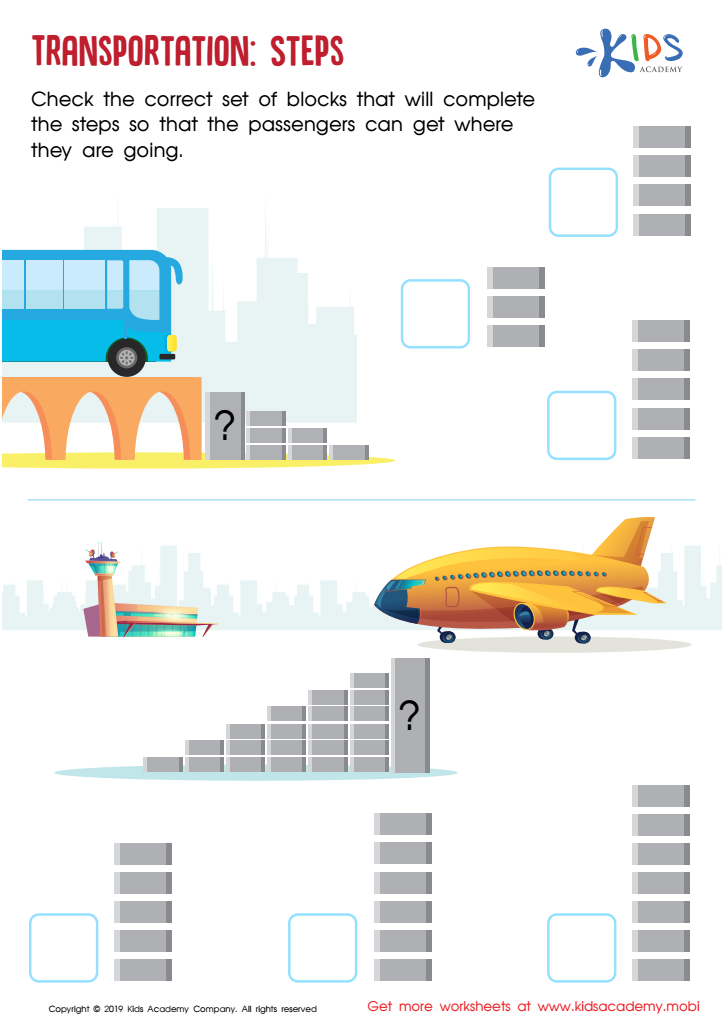
Transportation: Steps Worksheet
Trips are important to all - transportation and its modes have made travelling easier and quicker. Ask your kids to identify the transport in the picture then help them check the right blocks so passengers can reach their destination.
Transportation: Steps Worksheet
Worksheet
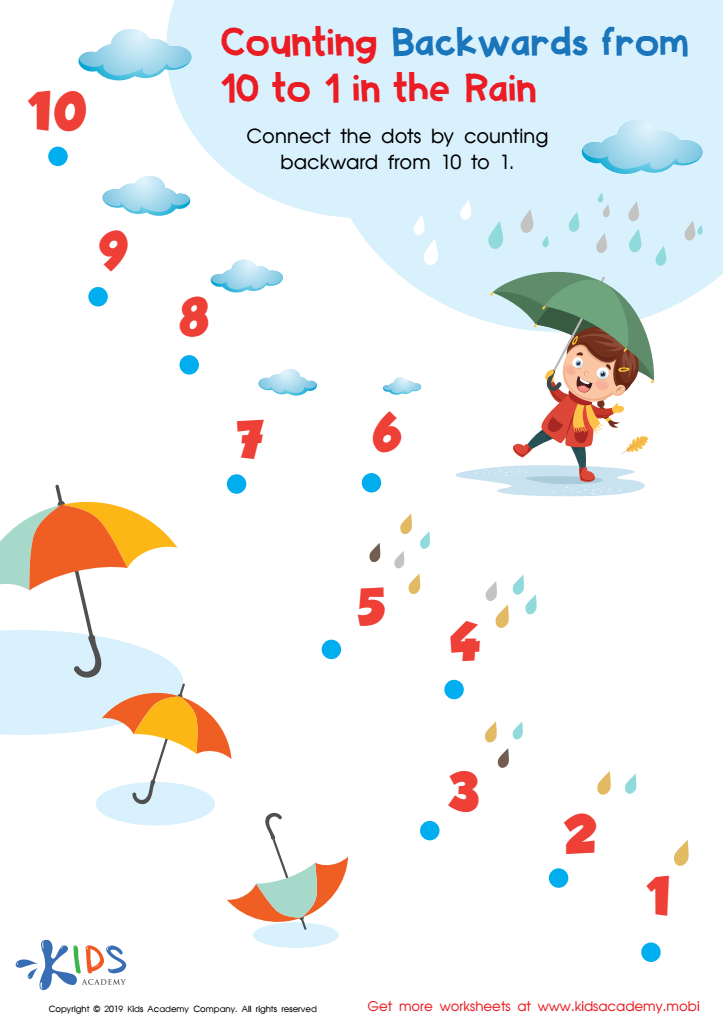
Counting Backwards from 10 to 1 in the Rain Worksheet
A rainy day can be fun - have your kids tell you their favorite activities! Then, look at the worksheet and ask them to identify the items. Count the numbers together, then help connect the dots from 10 to 1. It's an easy and fun way to spend time on a rainy day!
Counting Backwards from 10 to 1 in the Rain Worksheet
Worksheet
Join Kids Academy for Free
Who is primarily going to use this learning content?








Sequencing skills are crucial for children aged 4-6, as they form the foundation for logical thought, problem-solving, and later mathematical concepts. When young learners develop strong sequencing abilities, they enhance their capacity to arrange numbers in a meaningful order, understand the concept of patterns, and grasp the sequential nature of various processes in everyday life.
For parents and teachers, prioritizing sequencing skills in this age group means fostering critical cognitive connections that facilitate future learning. Effective sequencing allows children to engage with math more confidently, supporting skills such as addition, subtraction, and even storytelling. It lays the groundwork for understanding timelines, following instructions, and solving everyday problems.
Moreover, engaging children in sequencing activities helps fine-tune their memory and attention spans, skills that are important for success both in and out of the classroom. By integrating playful games and hands-on activities focused on numbers, educators can create an enjoyable learning environment that promotes these essential skills.
In summary, sequencing skills in young learners are vital not only for early mathematics but also for cultivating logical reasoning and problem-solving abilities, setting the stage for lifelong learning and success.








