Developing fine motor skills Math Worksheets for Ages 4-6
3 filtered results
-
From - To
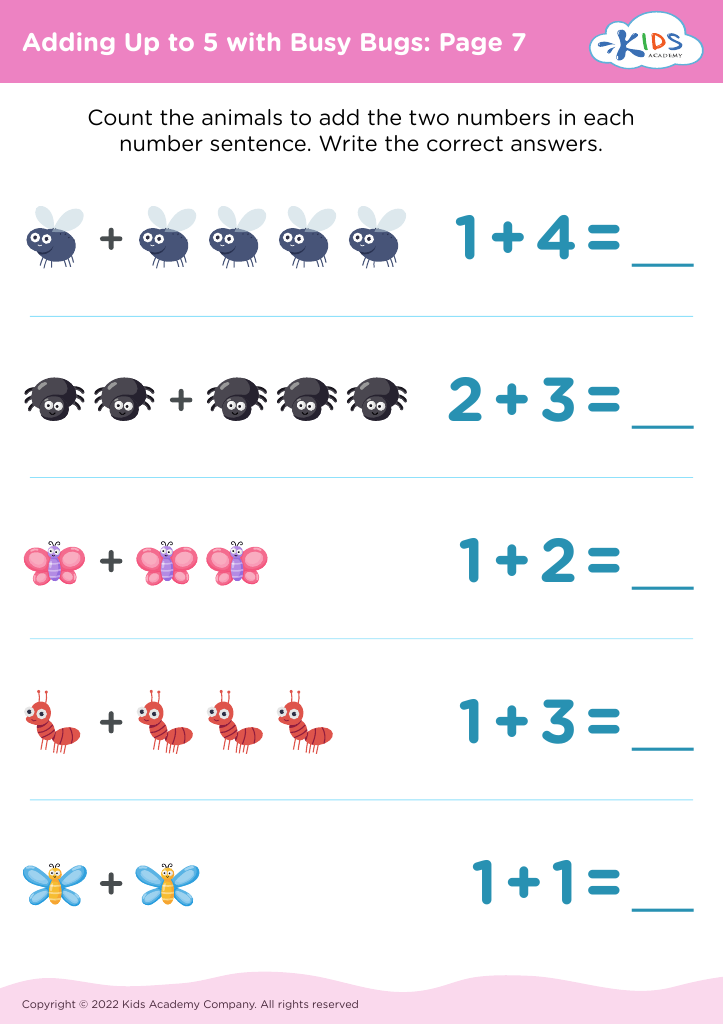
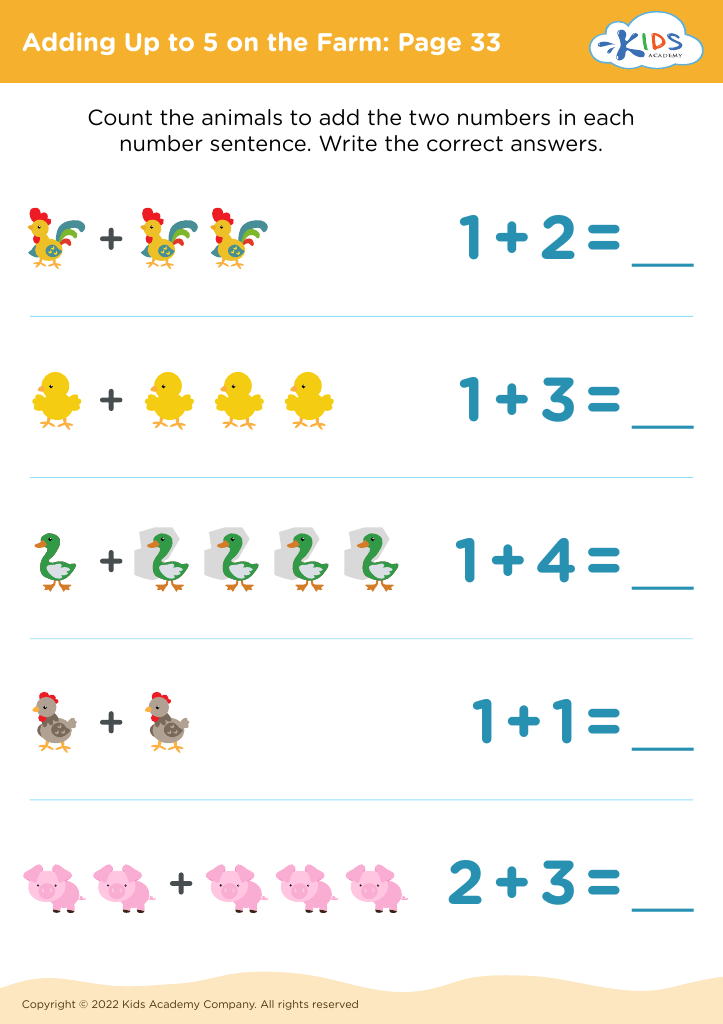
Unlock your child's potential with our engaging "Developing Fine Motor Skills Math Worksheets" designed for ages 4-6! Tailored to enhance fine motor skills while introducing foundational math concepts, these interactive worksheets make learning enjoyable. Children will practice sorting, tracing, and writing numbers, boosting their dexterity and confidence. Each activity is crafted to support essential skills such as hand-eye coordination and pencil grip, ensuring a fun and educational experience. Perfect for both at-home learning and classroom use, our resources provide endless opportunities for playful exploration and skill development. Give your little learners a head start in math and motor skills today!
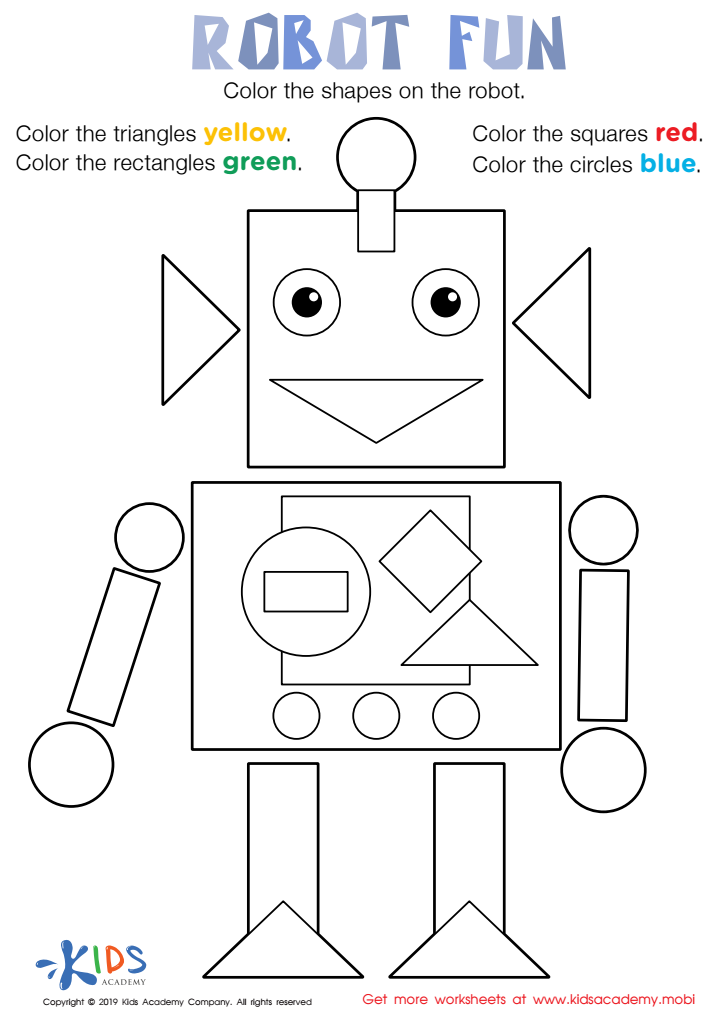
Robot Fun Worksheet
 Assign to My Students





%20(1).jpg)

Developing fine motor skills is crucial for young children, particularly in the context of mathematics for ages 4-6. During this developmental phase, children are refining their hand-eye coordination and dexterity, which are essential for tasks such as writing numbers, manipulating objects, and using tools like scissors or math manipulatives. Strong fine motor skills enable children to grasp concepts more effectively and engage confidently with hands-on learning activities, which are integral in early math education.
Furthermore, fine motor development lays the groundwork for problem-solving skills. When children grasp, sort, or build with small objects, they are not just enhancing their dexterity but also practicing critical thinking and spatial awareness. This interactive learning helps solidify mathematical concepts such as counting, sorting, and understanding shapes.
Teachers and parents should also recognize that fine motor skills contribute to a child's self-esteem and independence. As children master these skills, they gain confidence in their ability to tackle academic challenges, fostering a lifelong love of learning. By prioritizing fine motor skill development within the framework of early math instruction, parents and teachers create a rich environment where children thrive as both learners and competent individuals.








