Enhancing fine motor skills Math Worksheets for Ages 4-6
3 filtered results
-
From - To
Unlock your child's potential with our "Enhancing Fine Motor Skills Math Worksheets" designed specifically for ages 4-6. These engaging and fun worksheets help young learners develop essential fine motor skills while reinforcing foundational math concepts. Each activity is thoughtfully crafted to promote hand-eye coordination, dexterity, and precision through tracing, cutting, and coloring exercises. As children grasp basic math ideas, they also enhance their ability to manipulate tools and materials effectively. Perfect for home or classroom use, our worksheets provide a delightful learning experience that nurtures both mathematical understanding and essential motor skills for lifelong learning. Explore our resources and watch your child thrive!
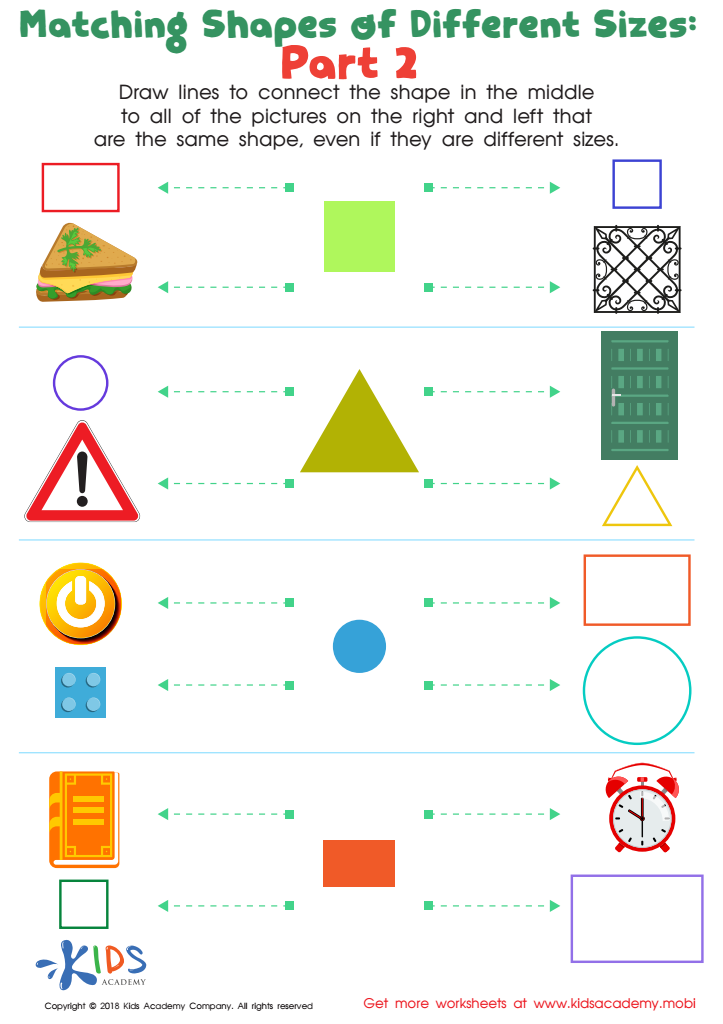
Geometry: Part 2 Worksheet
 Assign to My Students
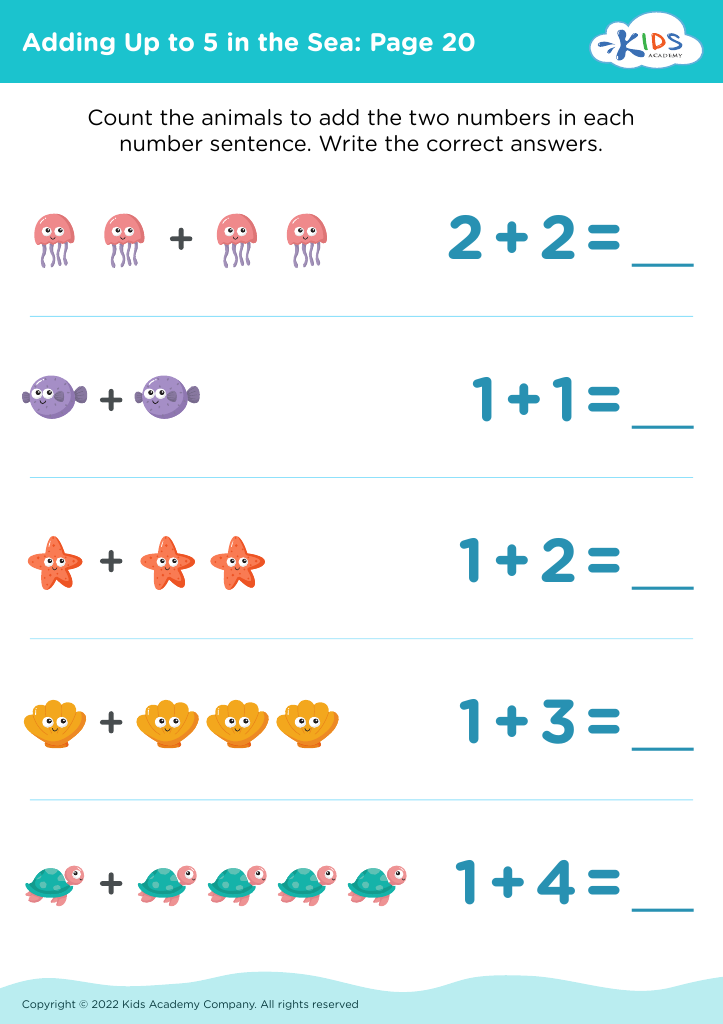
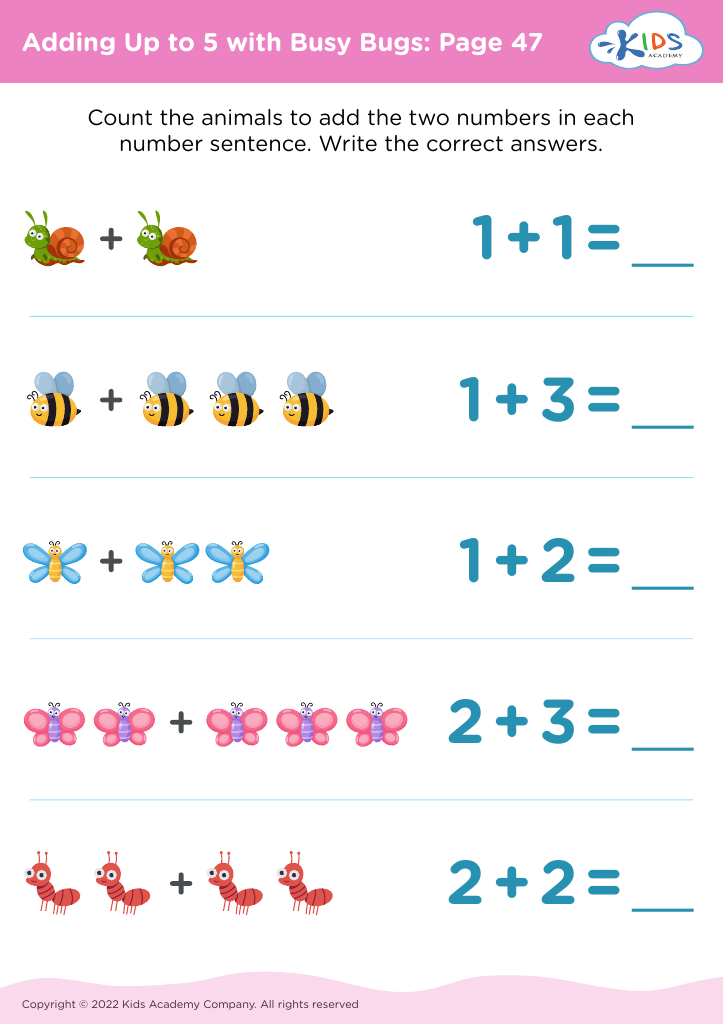








Enhancing fine motor skills in young children, particularly in the context of math education for ages 4-6, is crucial for several reasons. Fine motor skills, which involve the use of small muscles in the hands and fingers, are essential for tasks like writing, drawing, and manipulating objects. These skills lay the foundation for mathematical learning and problem-solving. When children can grip pencils correctly and manipulate objects, they are better equipped to engage in hands-on math activities, which are fundamental at this age.
Moreover, improving fine motor skills directly impacts a child's ability to perform math-related tasks, such as counting with manipulatives, drawing shapes, and understanding spatial concepts. Activities that strengthen these skills—like threading beads, cutting with scissors, or playing with clay—can make math both fun and engaging.
Parents and teachers who focus on enhancing fine motor skills help foster a love for learning and confidence in young learners. This foundational stage in a child's education ultimately influences their academic trajectory, encouraging a positive attitude toward math and enhancing creativity and critical thinking. In summary, nurturing fine motor development helps children thrive academically while also promoting essential life skills.








