Number identification Math Worksheets for Ages 4-6
8 filtered results
-
From - To
Our Number Identification Math Worksheets for ages 4-6 are designed to make learning fun and engaging for young minds. These printable worksheets help children recognize and identify numbers through diverse activities such as matching, tracing, and counting. Developed by educational experts, each sheet aims to foster foundational math skills, boost cognitive development, and encourage a love for learning. Perfect for home or classroom use, our worksheets provide a solid foundation in number recognition, paving the way for future math success. Equip your child with essential early math skills by exploring our enriching and interactive number identification worksheets today!
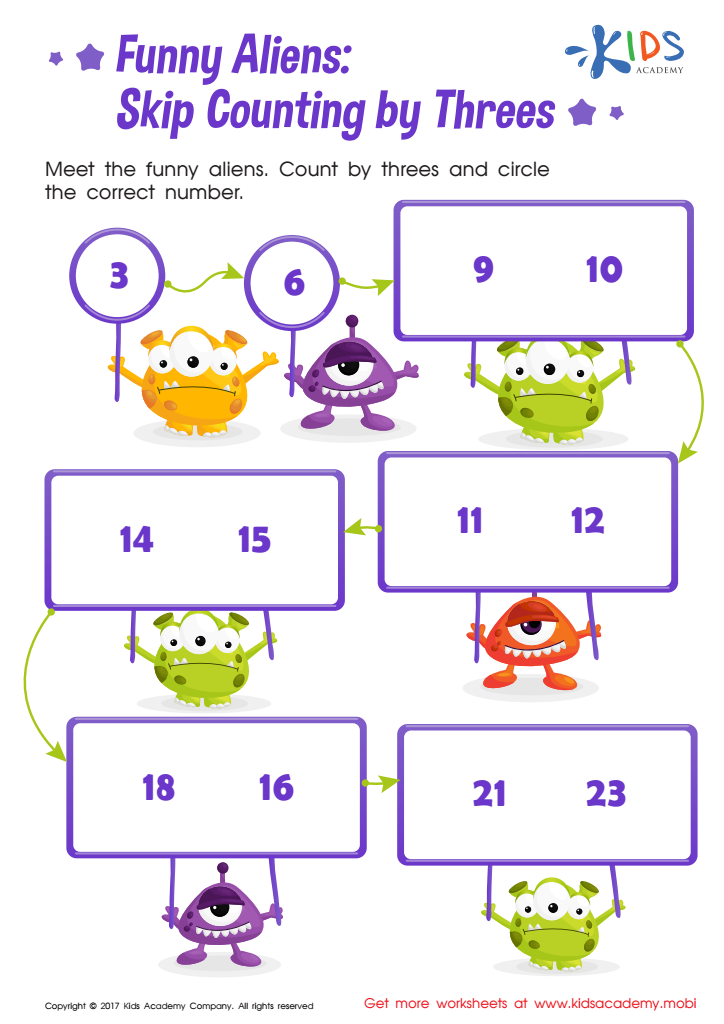
Skip Counting by 3s: Funny Aliens Printable
 Assign to My Students
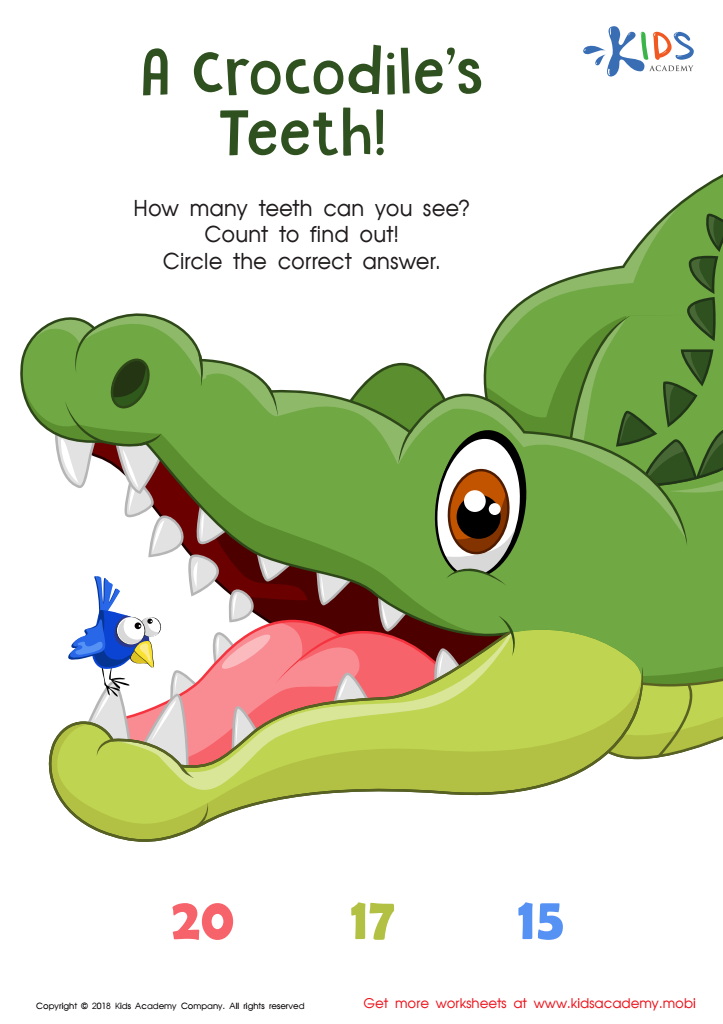
A Crocodile's Teeth Worksheet
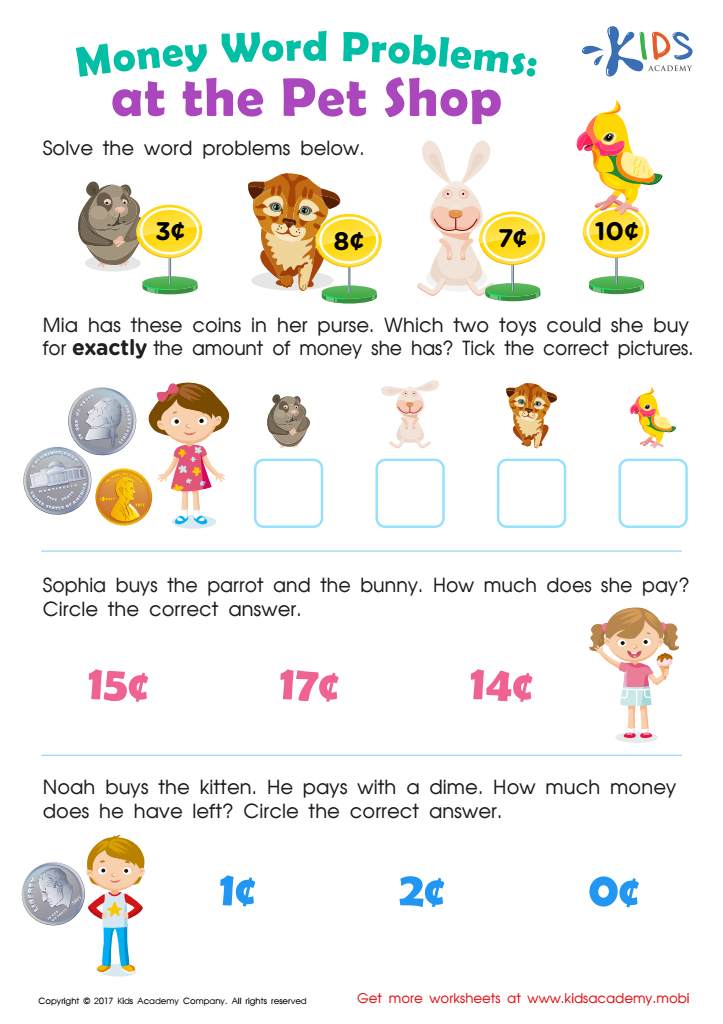
Pet Shop Worksheet
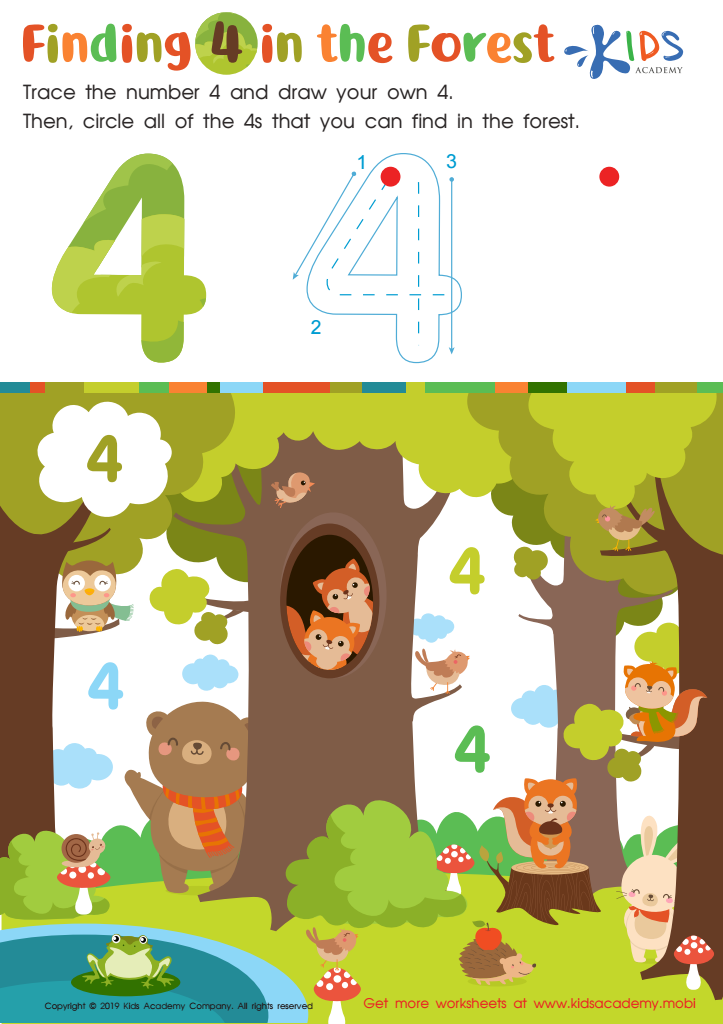
Finding 4 in the Forest Worksheet
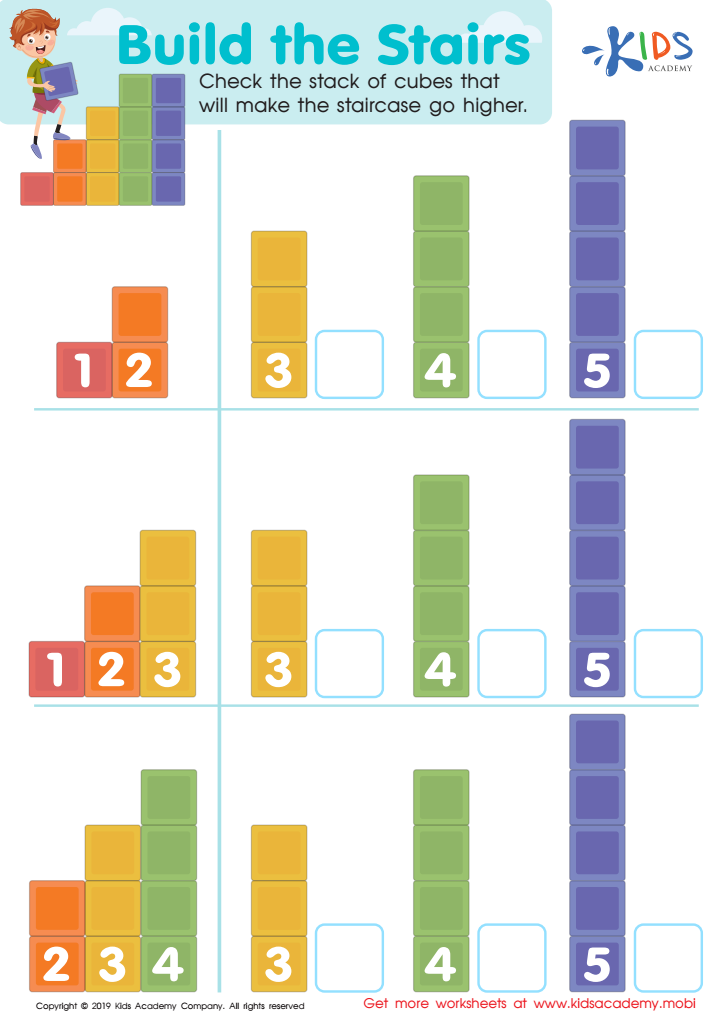
Build the Stairs Worksheet
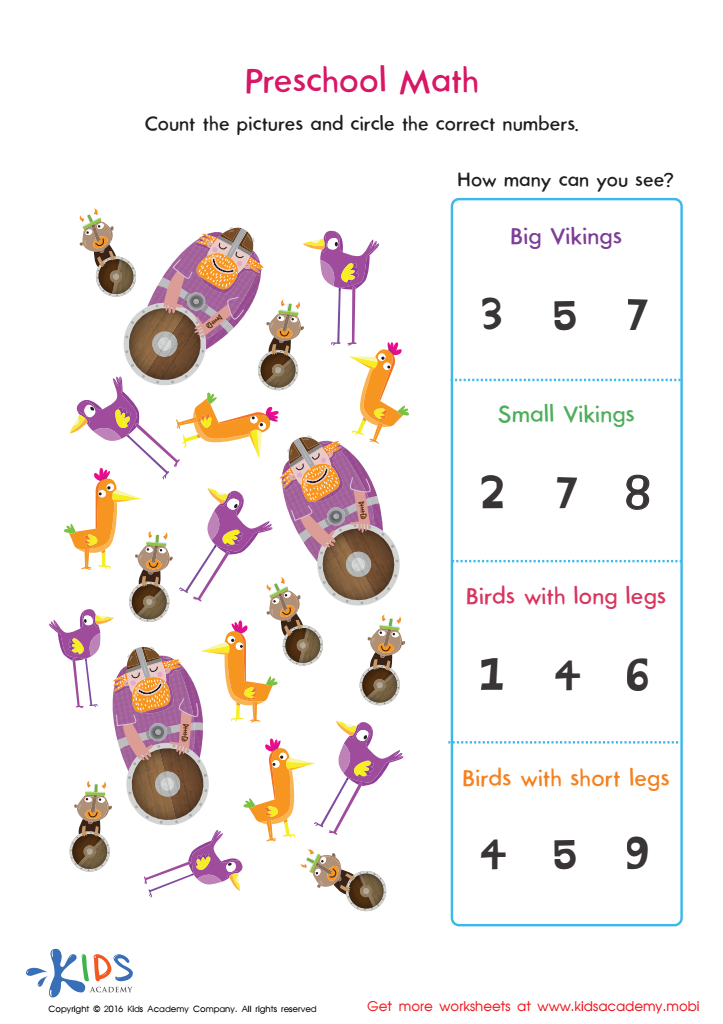
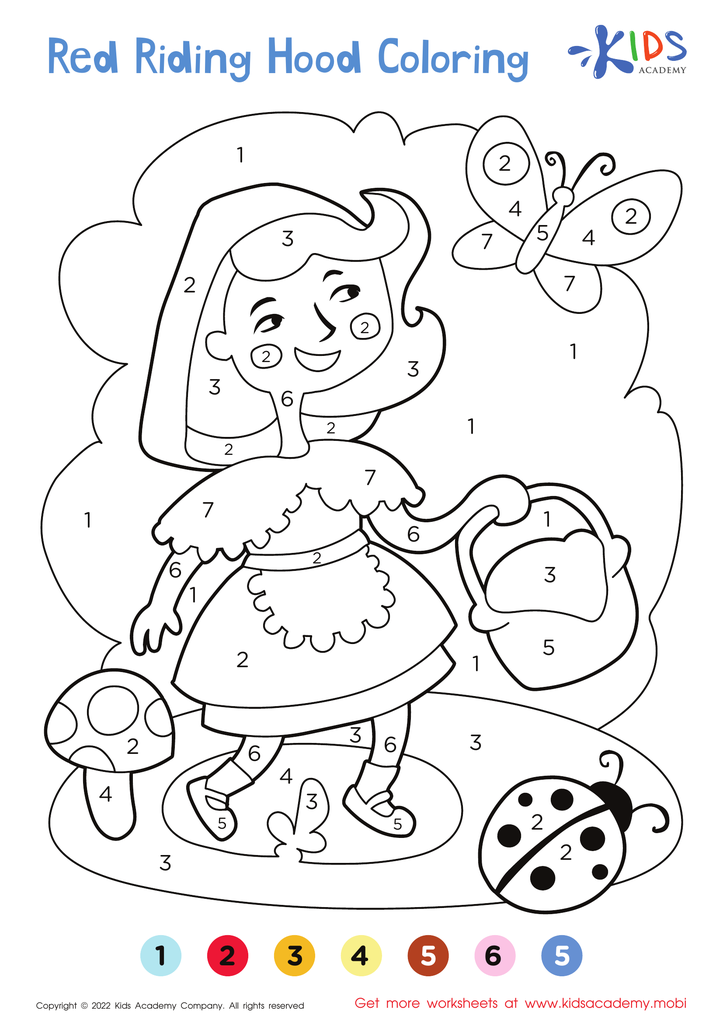
Little Red Riding Hood – Coloring by Numbers




%20(1).jpg)


Number identification is a crucial foundational skill for children ages 4-6, playing a vital role in their early mathematical development and overall cognitive growth. At this stage, young learners are naturally curious and absorb information rapidly. Number identification helps them understand and recognize numerals, which is essential for performing basic math operations like counting, addition, and subtraction. Mastery of these skills is a cornerstone for later, more complex mathematical concepts.
Fostering strong number identification skills early prepares children for future academic success. Children familiar with numbers can navigate daily tasks with greater ease, from telling time to handling money. Early proficiency in number recognition builds their confidence and enthusiasm in math, reducing anxiety and resistance to learning new concepts as they progress through school.
By focusing on number identification, parents and teachers also support children in developing fine motor skills through activities that involve writing numbers, and enhance memory and cognitive associations through visual and auditory recognition exercises.
Involving children in interactive, playful, and hands-on number identification activities, such as counting games, puzzles, and chants, can significantly enhance their engagement and learning. This solid foundation ensures children view math as accessible and enjoyable, paving the way for sustained interest and academic achievement.








