Number Sequencing Math Worksheets for Ages 4-6 - Page 2
27 filtered results
-
From - To
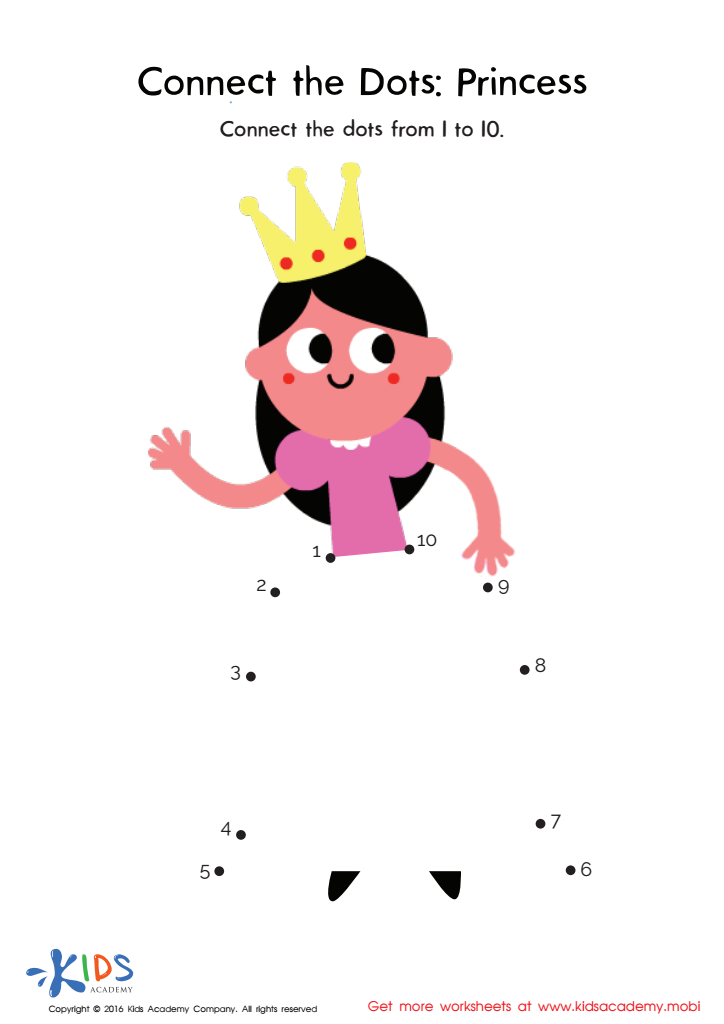
Princess Connect Dots Worksheet
 Assign to My Students
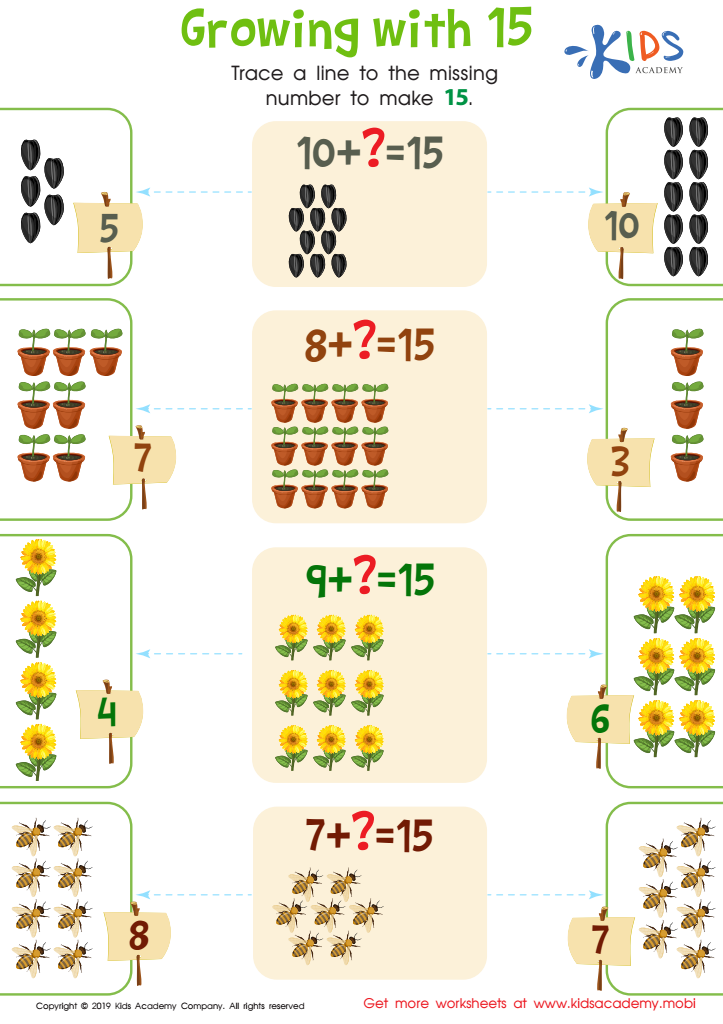
Growing with 15 Worksheet
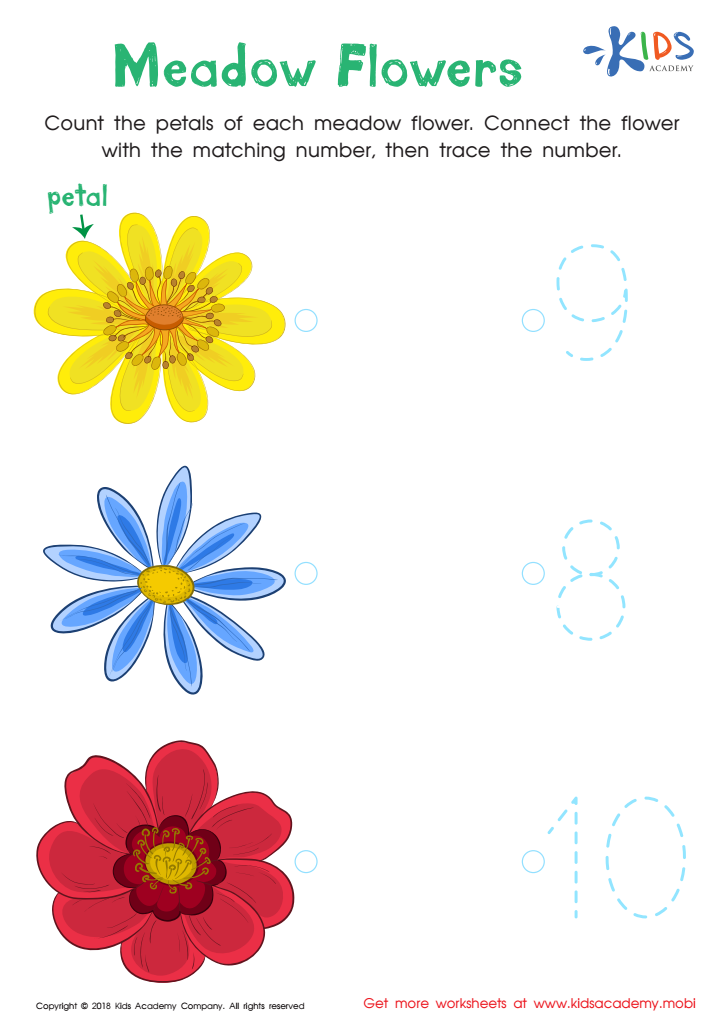
Kindergarten Number Tracing: Medow Flowers Worksheet








Number sequencing is a foundational skill in early math development that plays a crucial role in cognitive and academic growth for children aged 4-6. Understanding number sequences helps children to recognize patterns, which can enhance their problem-solving and critical thinking abilities.
For parents and teachers, fostering sequencing skills can support a child’s confidence in math, as it lays the groundwork for more complex mathematical concepts such as addition and subtraction. Early mastery of number sequences encourages numerical fluency, making later math learning less daunting for children.
Additionally, number sequencing aids in developing fine motor skills through engaging activities such as counting exercises, number lines, and puzzles. These activities promote hand-eye coordination, enhance focus, and encourage teamwork during group play.
Moreover, sequencing enhances language development as children learn to articulate numbers in a specific order. Recognizing and reproducing sequences naturally integrates math with reading and verbal skills.
In conclusion, emphasizing number sequencing from an early age not only builds strong mathematical foundations but also cultivates critical cognitive skills, fostering a lifelong love for learning in young children. This ultimately leads to greater academic success in various subjects as they progress through school.








