Observation skills Math Worksheets for Ages 4-6
3 filtered results
-
From - To
Enhance your child's early learning experience with our engaging Observation Skills Math Worksheets for Ages 4-6! Designed to promote critical thinking and attention to detail, these worksheets encourage young learners to observe patterns, shapes, and numbers in a fun and interactive way. Each activity fosters essential math skills while developing visual discrimination and analytical abilities. Tailored to suit the needs of preschoolers and kindergartners, our worksheets are a perfect blend of education and enjoyment. Explore our carefully crafted resources to support your child's mathematical journey and help them build a strong foundation for future learning! Download and start today!
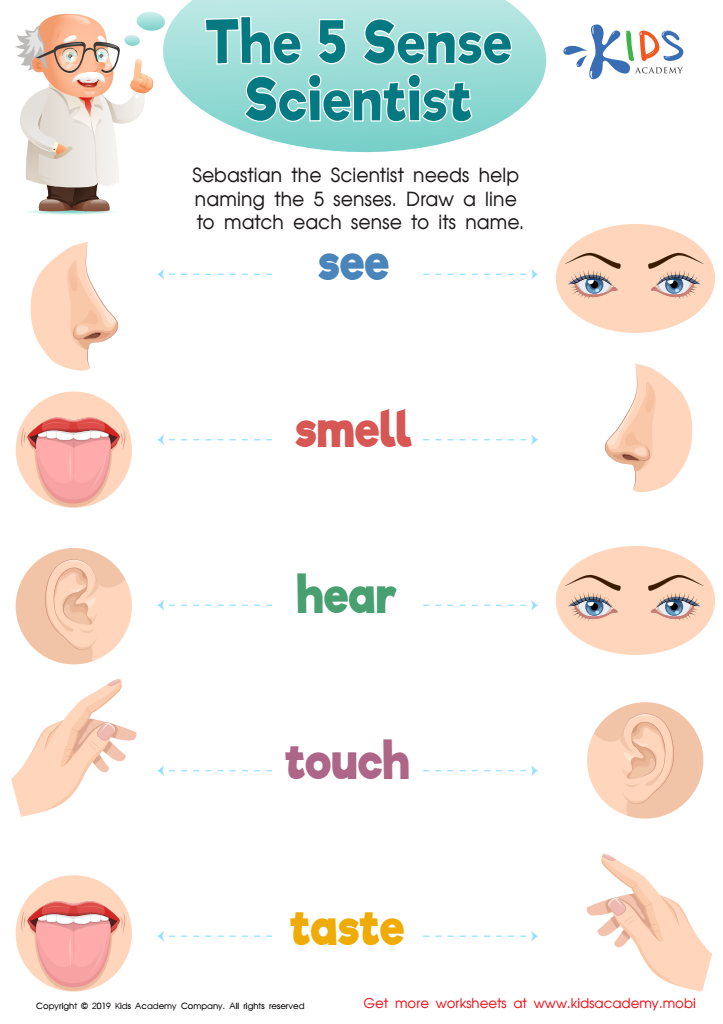
The 5 Sense Scientist Worksheet
 Assign to My Students
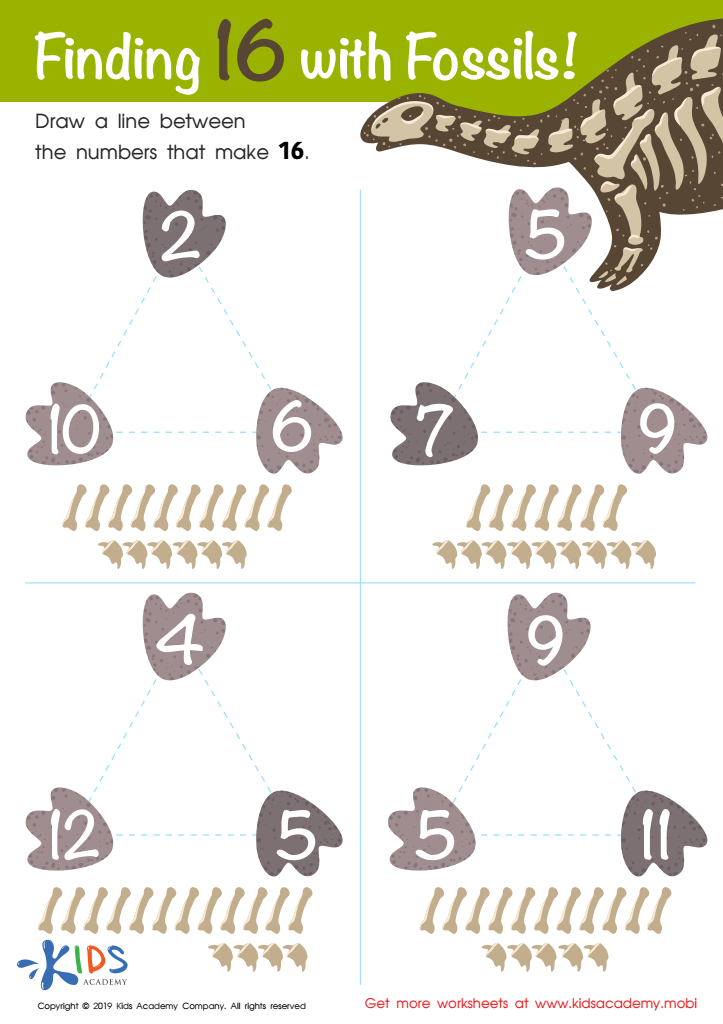
Finding 16 With Fossils Worksheet
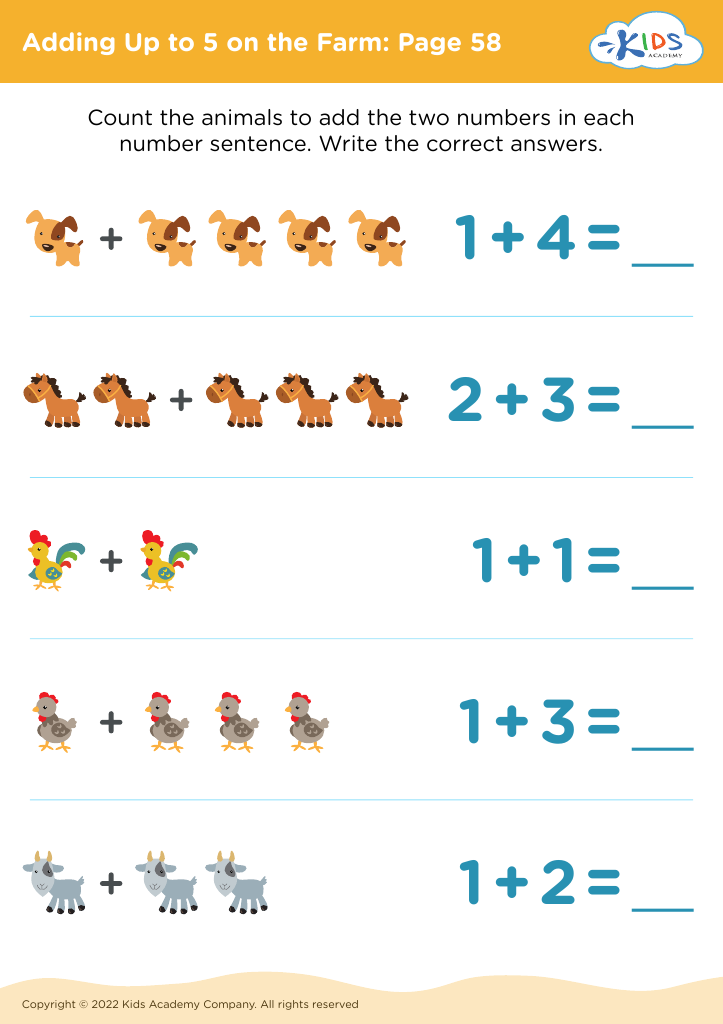








Observation skills in math for children aged 4 to 6 are crucial for several reasons. First, these skills lay a foundational understanding of mathematical concepts through visual and tactile experiences. Young learners often grasp abstract ideas better when they can observe and interact with their environment. For instance, recognizing patterns in nature or counting objects during play enhances their ability to understand numbers and relationships.
Second, improving observation skills fosters critical thinking. When children learn to notice details, such as sizes, shapes, and quantities, they develop the ability to analyze and make connections, essential skills for problem-solving in later stages of education.
Moreover, engaging in observational activities can be fun and encourages a love for learning. When teachers and parents incorporate math into daily life—whether through sorting toys, measuring ingredients during cooking, or discussing patterns in clothing—they show children that math is accessible and relevant.
Lastly, cultivating strong observation skills early prepares children for formal math education. It primes their brains for more complex concepts, ultimately setting the stage for academic success. Therefore, both parents and teachers should prioritize observational math activities to enrich children’s learning experiences and mathematical thinking.








