Enhance your child's understanding of sequencing with our engaging math worksheets designed for ages 4-6. These worksheets foster essential skills that lay the foundation for effective problem-solving and critical thinking. Children will learn to arrange numbers, solve simple patterns, and comprehend the importance of order in everyday math scenarios. Each worksheet is crafted to be both educational and enjoyable, ensuring your little learners develop confidence as they master sequential thinking. Explore our collection to provide your child with the practice they need to excel in math while having fun! Perfect for homeschooling, classrooms, or supplementary learning at home.

Check out this FREE Trial Lesson on Math for age 4-6!

Counting to 5

Favorites
With answer key
Interactive
  • 4-6
  • Sequencing Skills
  • Math
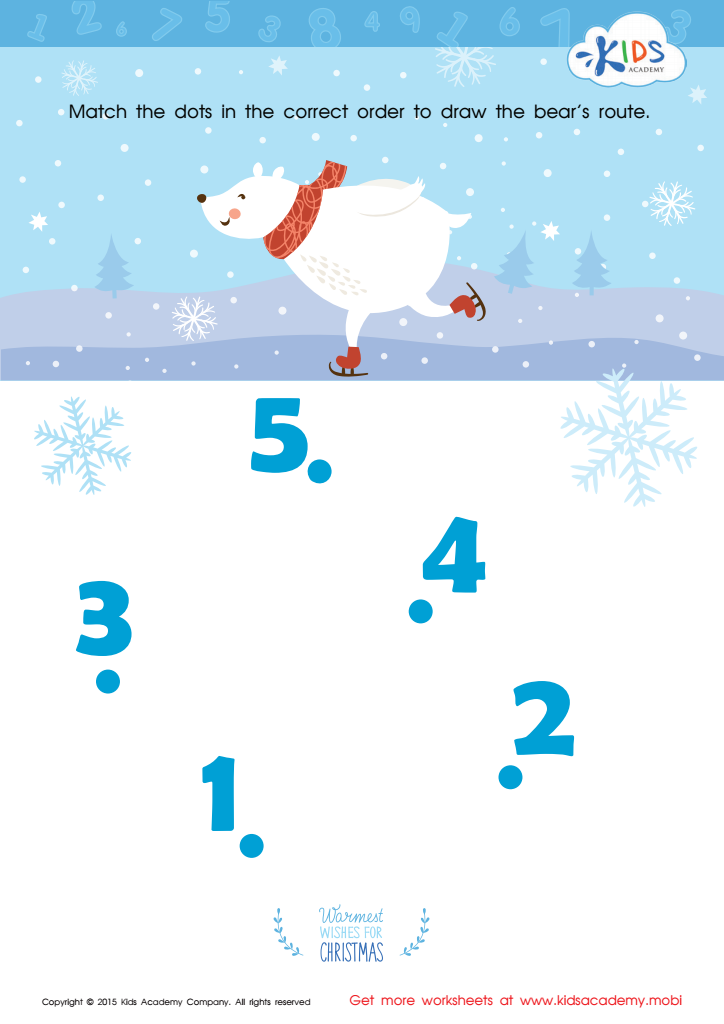
Math PDF Worksheet: Drawing the Bear’s Route by Number

Drawing the Bear's Route by Number Worksheet

This winter-themed math worksheet is perfect for counting practice. Have fun learning and celebrating the season with your kindergartener as they trace and recognize numbers. It also helps develop fine motor muscles. For more fun, check out the math worksheets on Kids Academy.
Drawing the Bear's Route by Number Worksheet
Worksheet
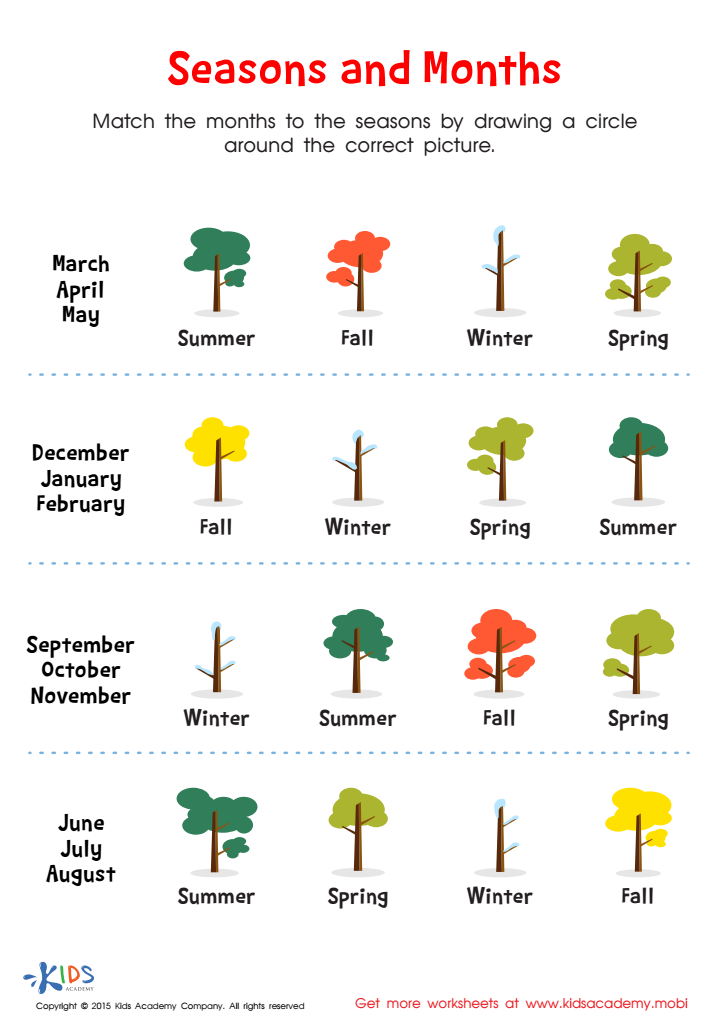
Seasons and Months Printable

Seasons and Months Worksheet

Help your child explore the world around them with this fun seasons and months printable worksheet. It'll help them understand the months of the year and the seasons connected to them, teaching valuable science knowledge and skills. Plus, engaging in conversations about the current month and season will extend their learning!
Seasons and Months Worksheet
Worksheet
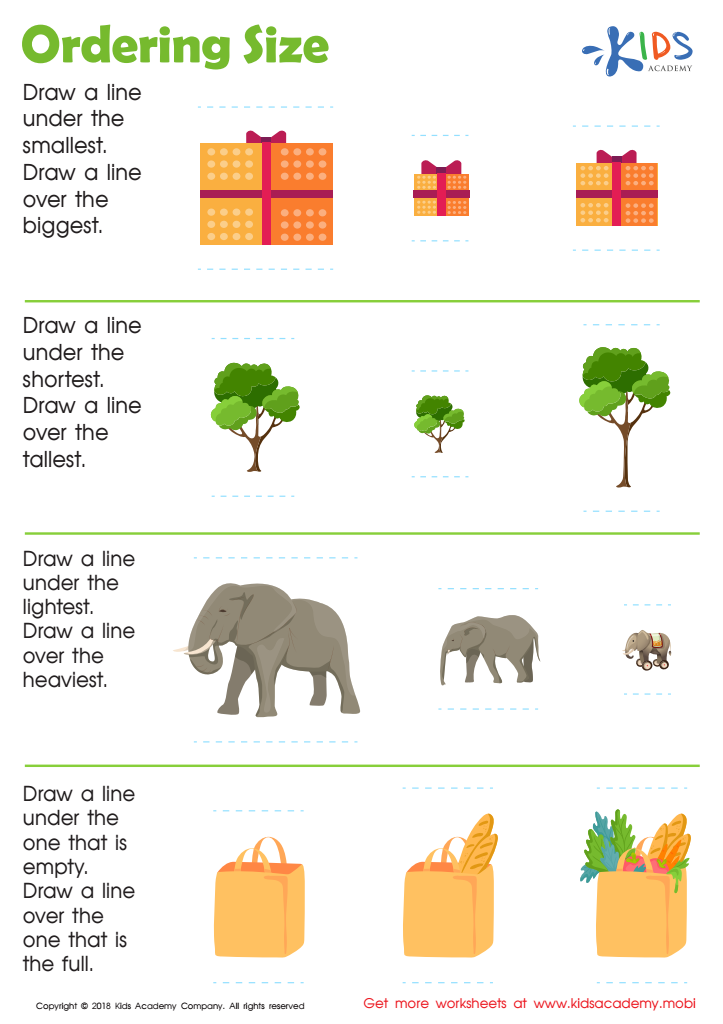
Ordering Size Worksheet

Ordering Size Worksheet

This worksheet helps students practice mathematical vocabulary related to size and quantity. Children look at pictures and draw a line to the objects that are taller, shorter, big, small, light, heavy, empty or full. The teacher can quickly check students' understanding of these measurement terms and then ask for examples of their own.
Ordering Size Worksheet
Worksheet
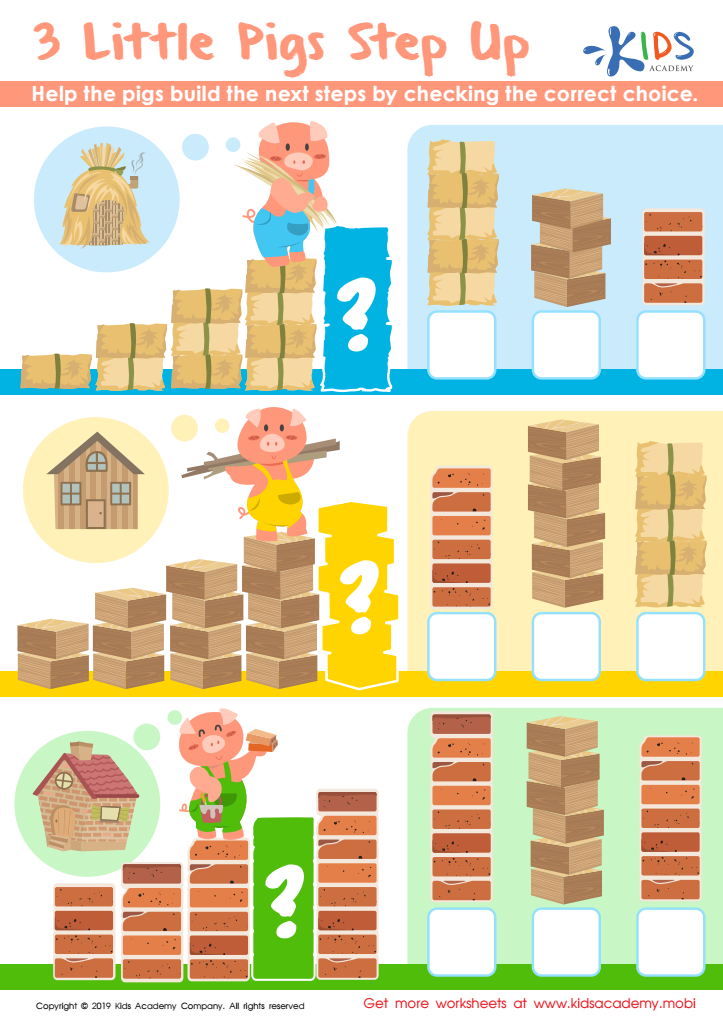
3 Little Pigs Step Up Worksheet

3 Little Pigs Step Up Worksheet

Test your kids' knowledge of the three little pigs' story. Ask them to tell you the important parts and then look at the pictures in this worksheet. Can they identify what's going on? They'll need to count the materials and help build the next steps by choosing the right option.
3 Little Pigs Step Up Worksheet
Worksheet
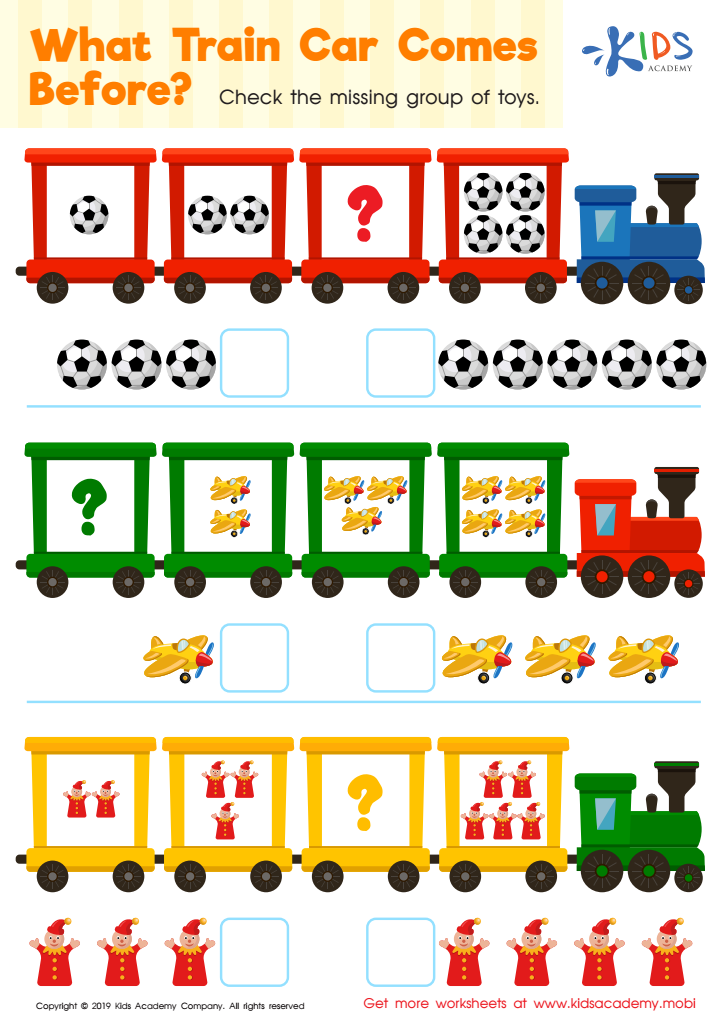
What Train Car Comes Before? Worksheet


What Train Car Comes Before? Worksheet

Download this worksheet with your kids and have them identify the colorful objects pictured. Count the toys in the three trains together, then check the missing group of toys from the options provided. Have fun! (80 words)
What Train Car Comes Before? Worksheet
Worksheet
Transportation: Steps Worksheet

Transportation: Steps Worksheet

Trips are important to all - transportation and its modes have made travelling easier and quicker. Ask your kids to identify the transport in the picture then help them check the right blocks so passengers can reach their destination.
Transportation: Steps Worksheet
Worksheet
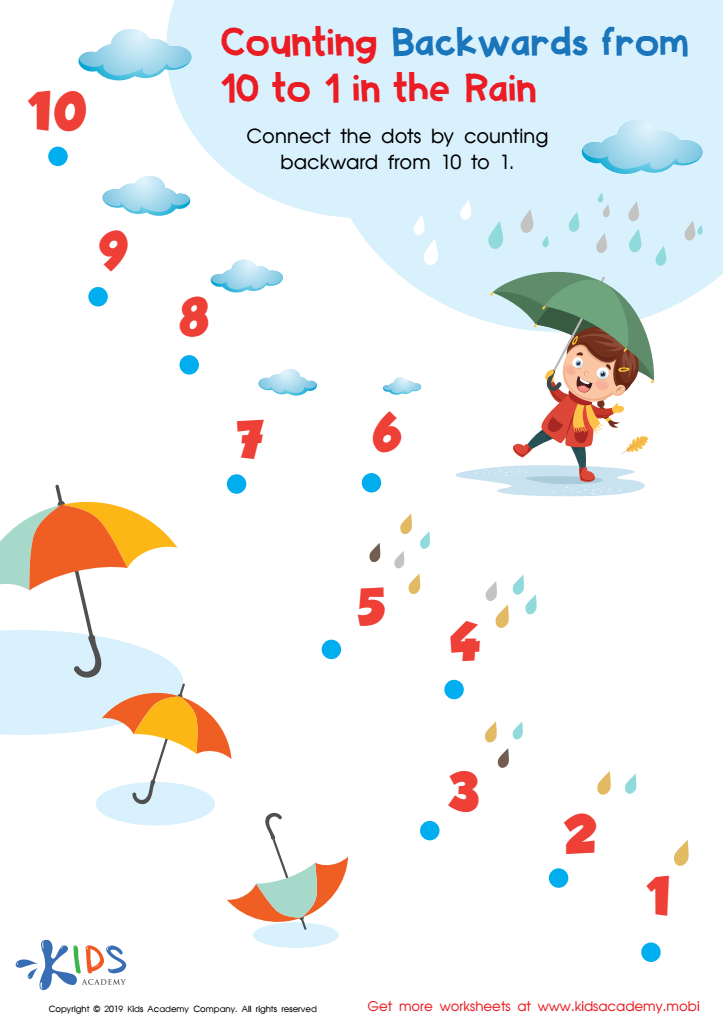
Counting Backwards from 10 to 1 in the Rain Worksheet


Counting Backwards from 10 to 1 in the Rain Worksheet

A rainy day can be fun - have your kids tell you their favorite activities! Then, look at the worksheet and ask them to identify the items. Count the numbers together, then help connect the dots from 10 to 1. It's an easy and fun way to spend time on a rainy day!
Counting Backwards from 10 to 1 in the Rain Worksheet

Worksheet


Sequencing skills are foundational math skills that play a crucial role in young children's cognitive development, especially for ages 4-6. Understanding sequencing enables children to recognize patterns, arrange numbers, and follow steps in a logical order, which are essential elements in early math learning. This age group is critical, as the brain is highly adaptable and primed for acquiring new skills.

When parents and teachers emphasize sequencing, they support the development of problem-solving skills, critical thinking, and numerical literacy. Children learn to break down complex tasks into manageable steps, fostering independence and confidence in their abilities. Additionally, sequencing enhances their capacity to understand concepts like addition and subtraction more effectively, as they begin to see numbers in relation to one another.

For educators, incorporating sequencing activities into the classroom not only aligns with curriculum standards but also makes learning engaging and interactive. Parents can reinforce these skills at home through games, routines, and storytelling. Ultimately, nurturing sequencing skills sets the stage for future academic success and equips children with essential life skills, enabling them to navigate challenges both in school and beyond.