Sorting abilities Math Worksheets for Ages 4-6
3 filtered results
-
From - To
Ignite young minds with our Sorting Abilities Math Worksheets for ages 4-6. Designed to strengthen foundational math skills, these engaging worksheets focus on crucial sorting exercises. Your child will learn to classify objects by size, shape, color, and more, fostering critical thinking and attention to detail. These fun, visually appealing activities make early math concepts accessible and enjoyable, preparing young learners for future academic success. Perfect for classroom or at-home use, our worksheets are excellent resources for teachers, parents, and students aiming for structured, effective, and enjoyable mathematics practice. Explore our diverse collection today!
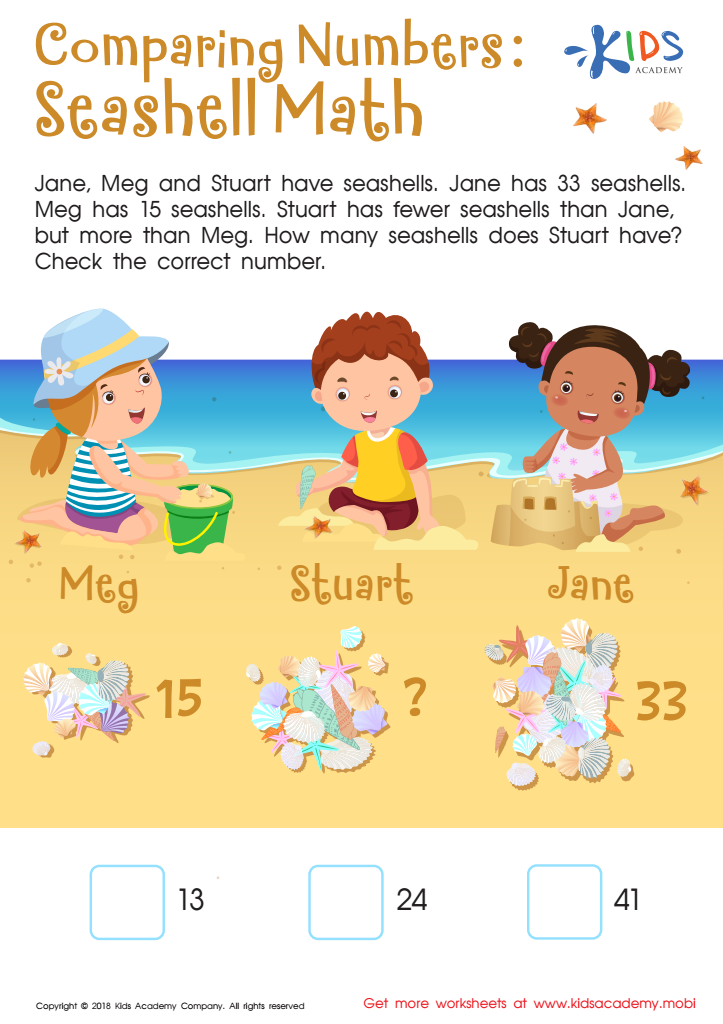
Seashell Collectors Worksheet
 Assign to My Students
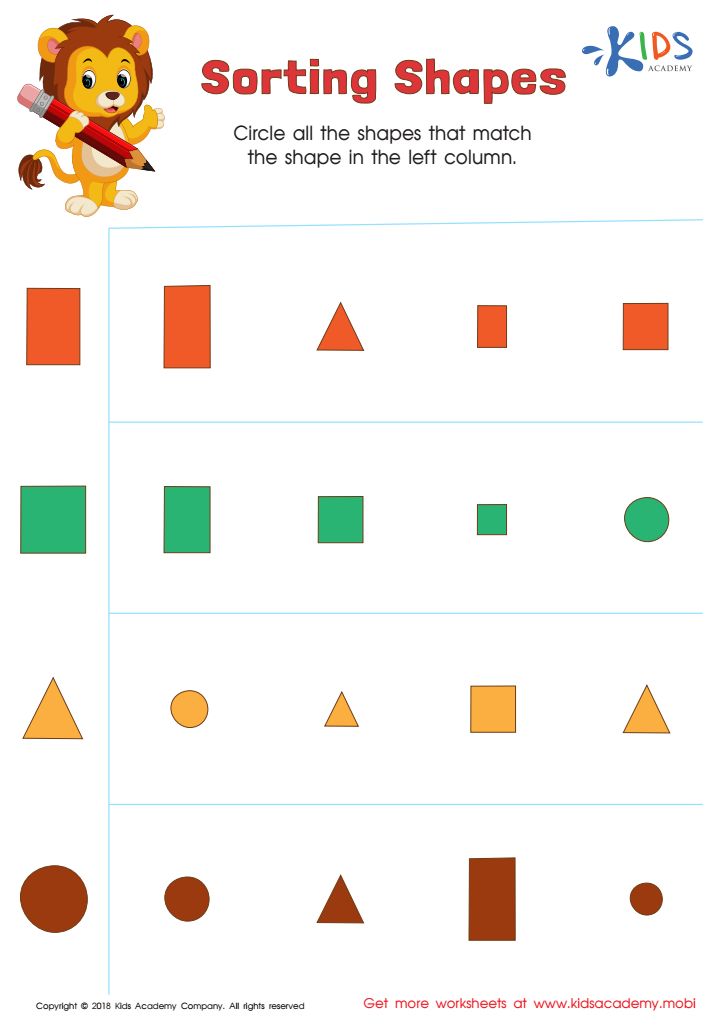
Sorting Shapes - Part 2 Worksheet
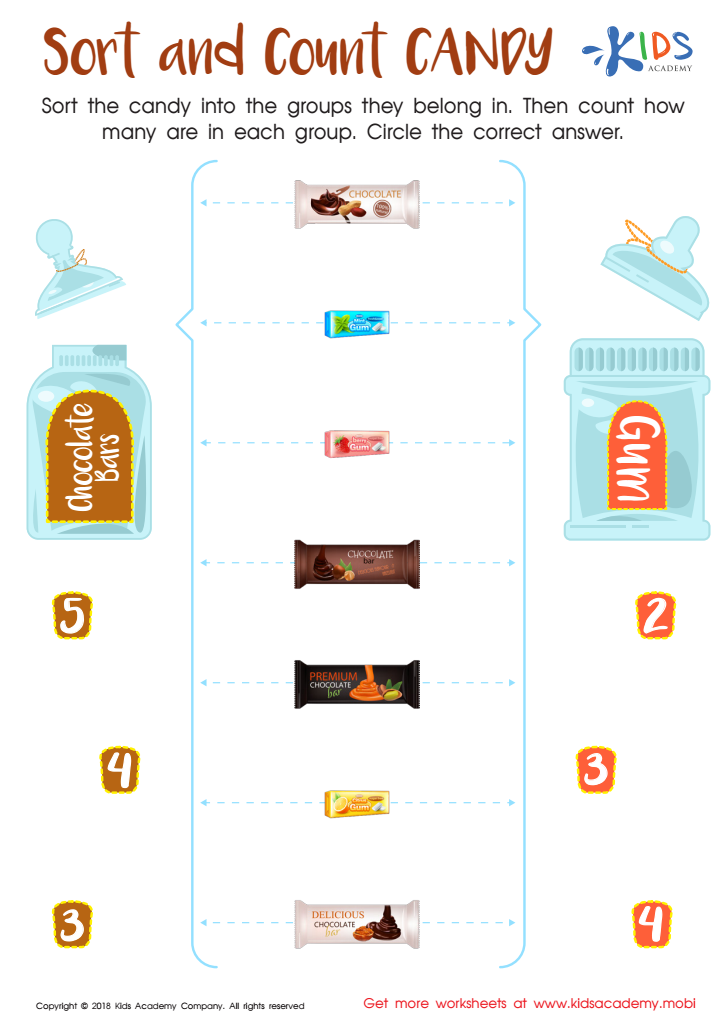
Sort and Count Candy Worksheet


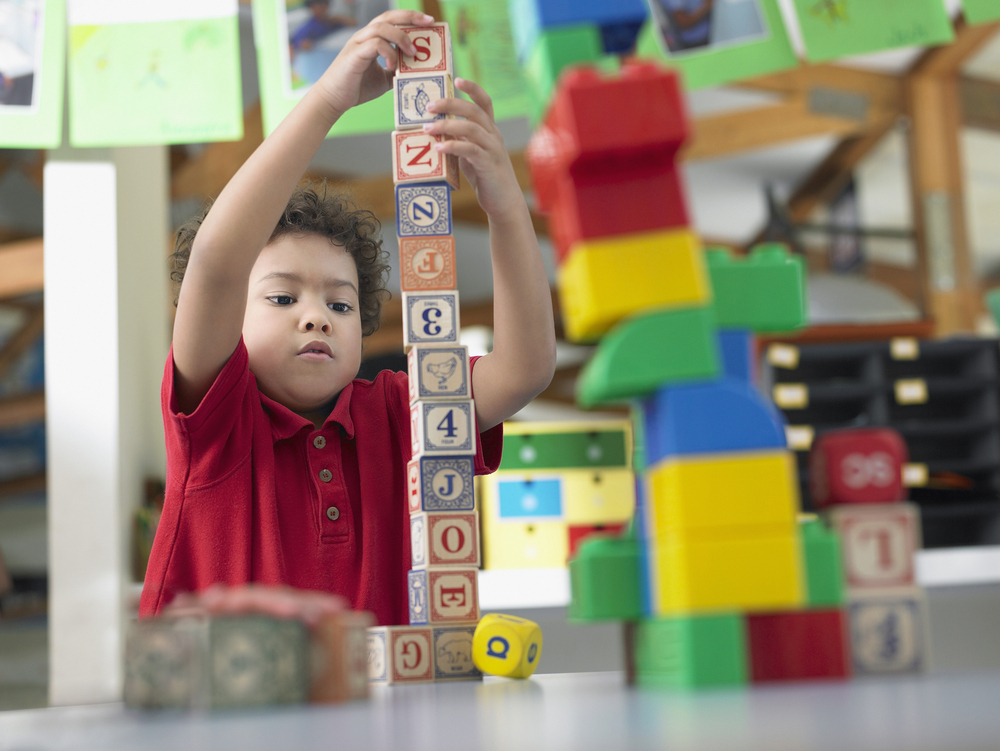




Sorting is a foundational cognitive skill that significantly benefits children in the 4-6 age group, playing a crucial role in their overall cognitive and social development. For parents and teachers, fostering these abilities is vital for several reasons:
1. Foundational Math Skills: Sorting helps children understand categorization and grouping, essential precursors to more complex mathematical concepts. By sorting objects by size, shape, color, or quantity, children begin to grasp patterns, relationships, and order, which are fundamental in learning arithmetic, algebra, and geometry later on.
2. Language Development: Sorting activities encourage children to describe the attributes and categories of objects. This process enhances their vocabulary and language skills. When they verbalize distinctions like “big” or “yellow,” they’re also refining their descriptive and comparative language abilities.
3. Critical Thinking and Problem-Solving: Sorting requires children to make decisions and solve problems, which hones their critical thinking skills. They need to classify and reclassify objects based on different criteria, promoting flexible thinking and cognitive processing.
4. Organizational Skills: Sorting helps children develop organizational skills as they learn to group objects into categories. This can translate into organized thinking and better management of tasks and belongings, both in academic settings and in daily life.
5. Social Interaction: Sorting activities often involve working with others, which can improve social skills such as cooperation, communication, and sharing.








