Understanding numerical values Math Worksheets for Ages 4-6
4 filtered results
-
From - To
Unlock the world of numbers for your little one with our "Understanding Numerical Values Math Worksheets for Ages 4-6." Carefully crafted to blend fun with learning, these engaging worksheets foster foundational math skills. Perfect for preschoolers and kindergarteners, they help children grasp number concepts, identify numerical values, and develop counting proficiency through colorful and interactive activities. Each worksheet is designed to boost confidence and ensure mastery of numeric fundamentals. Begin your child's exciting math journey today and lay a strong foundation for future success in mathematics. Explore a wide range of printable worksheets tailored to bring math to life.
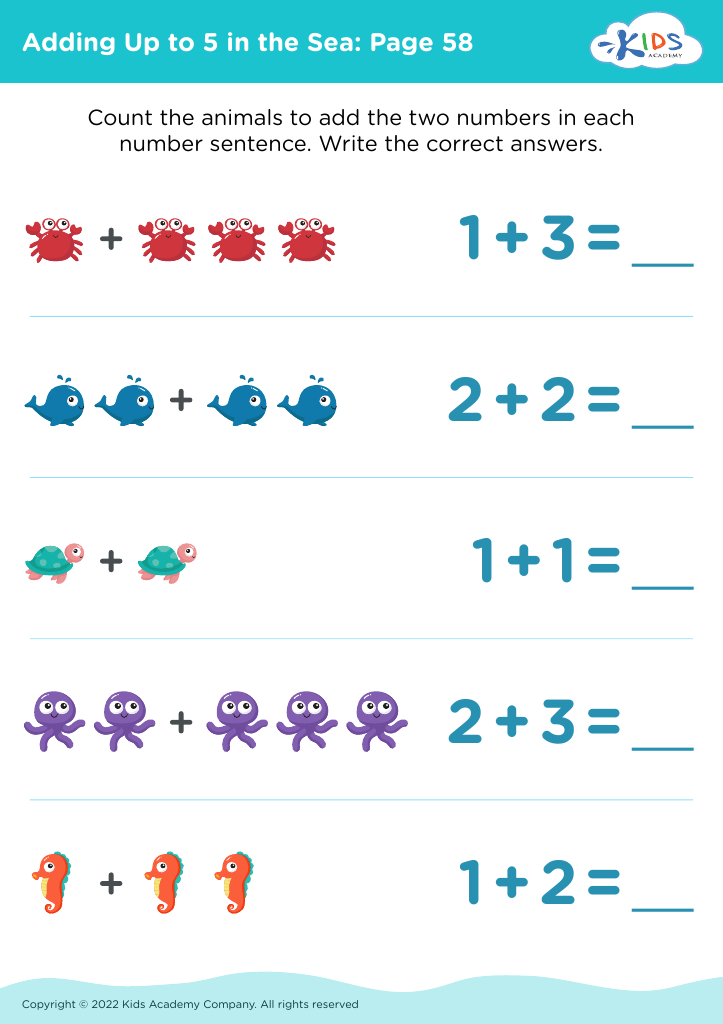
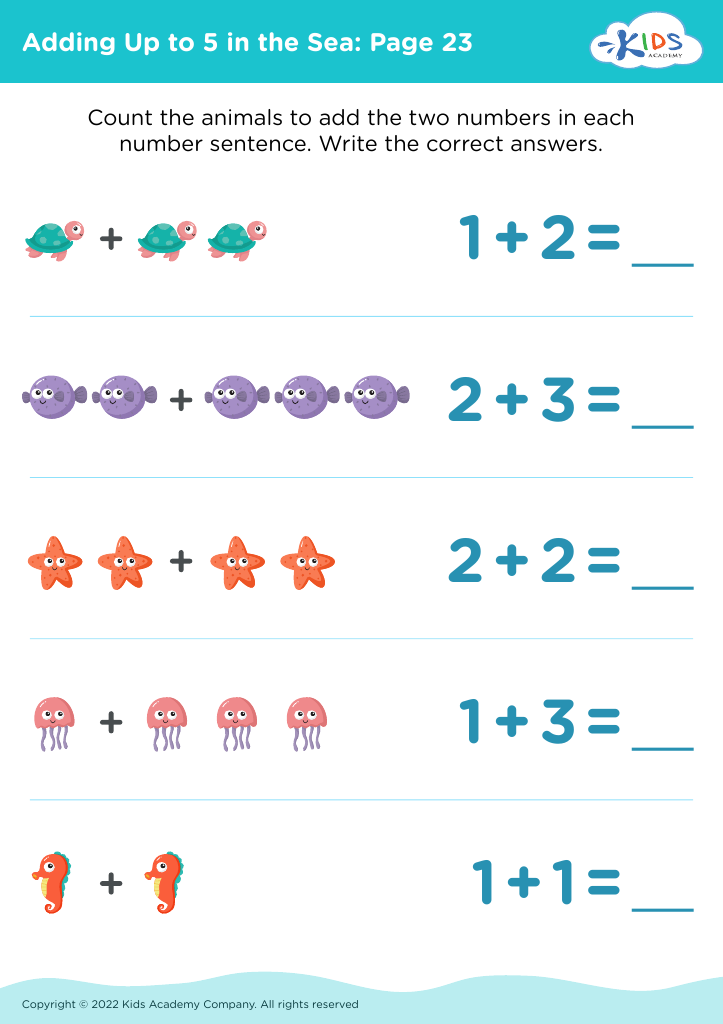
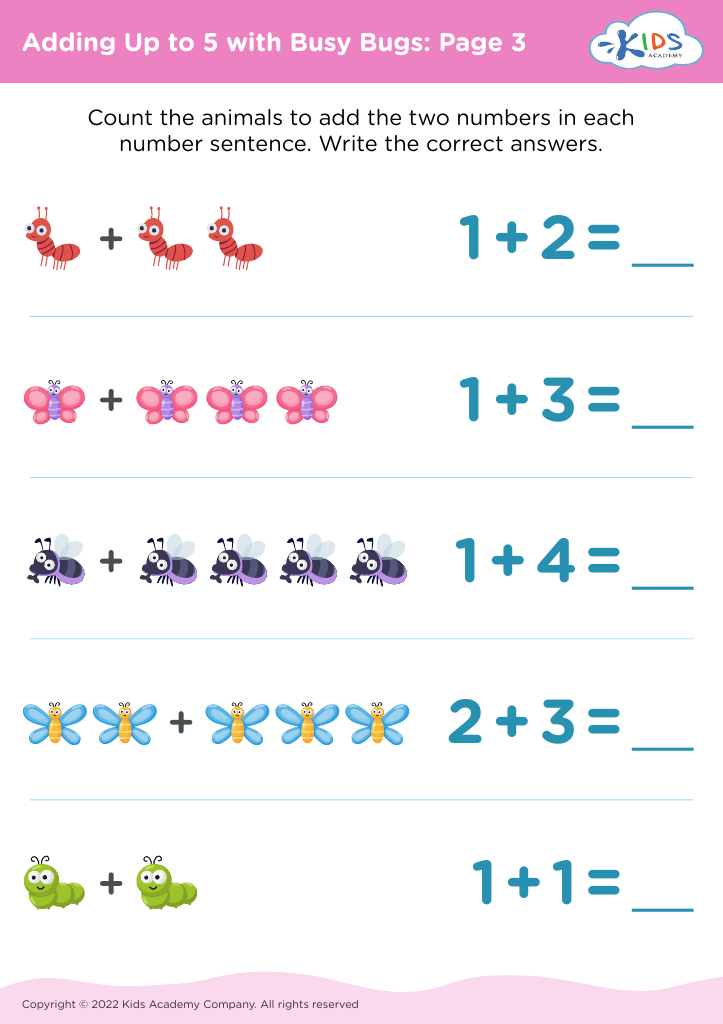
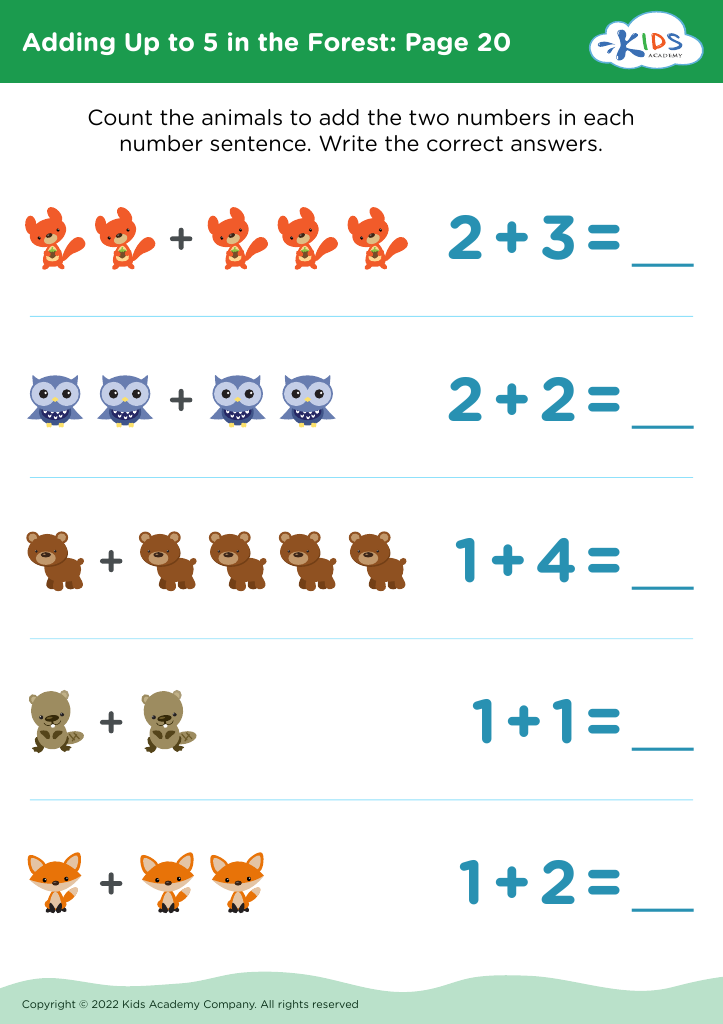








Understanding numerical values is crucial for children aged 4-6 as it lays the foundation for future mathematical learning and reasoning. At this age, children are naturally curious and developing cognitive skills; exposing them to numbers equips them to comprehend more complex concepts later.
Firstly, mastering numerical values supports the development of problem-solving abilities. Children begin to understand patterns, sequence, and relationships between quantities, which are essential for everyday tasks and higher-level math skills. These foundational skills influence future academic success in subjects like science and engineering.
Secondly, grasping numerical concepts enhances a child's ability to perform basic arithmetic operations like addition and subtraction. This early knowledge fosters confidence and enthusiasm in learning, making children more likely to engage positively with other academic challenges.
Additionally, understanding numbers aids in developing practical life skills. Children start recognizing the importance of counting and measuring in daily activities such as sharing toys, telling time, and cooking. This makes them more independent and capable of navigating their environment.
For teachers and parents, nurturing this early numerical understanding supports a child's overall cognitive development. It strengthens memory, concentration, and logical thinking. Moreover, it sets the stage for continuous learning, fostering a lifetime of inquisitiveness and growth. Investing in early math education promotes well-rounded intellectual development, crucial for future successes.








