Understanding symmetry Math Worksheets for Ages 4-6
5 filtered results
-
From - To
Introduce your young learners to the fascinating world of symmetry with our beautifully crafted math worksheets designed for children aged 4-6. These worksheets focus on helping your child recognize and create symmetrical patterns, fostering visual-spatial awareness and critical thinking. Through engaging activities featuring colorful images and simple exercises, kids will learn to identify lines of symmetry and develop foundational geometry skills. Perfect for both classroom and at-home learning, these printables ensure that learning symmetry is fun and interactive. Give your child the tools to understand symmetry and watch their confidence in math grow! Explore our collection of symmetry math worksheets today.
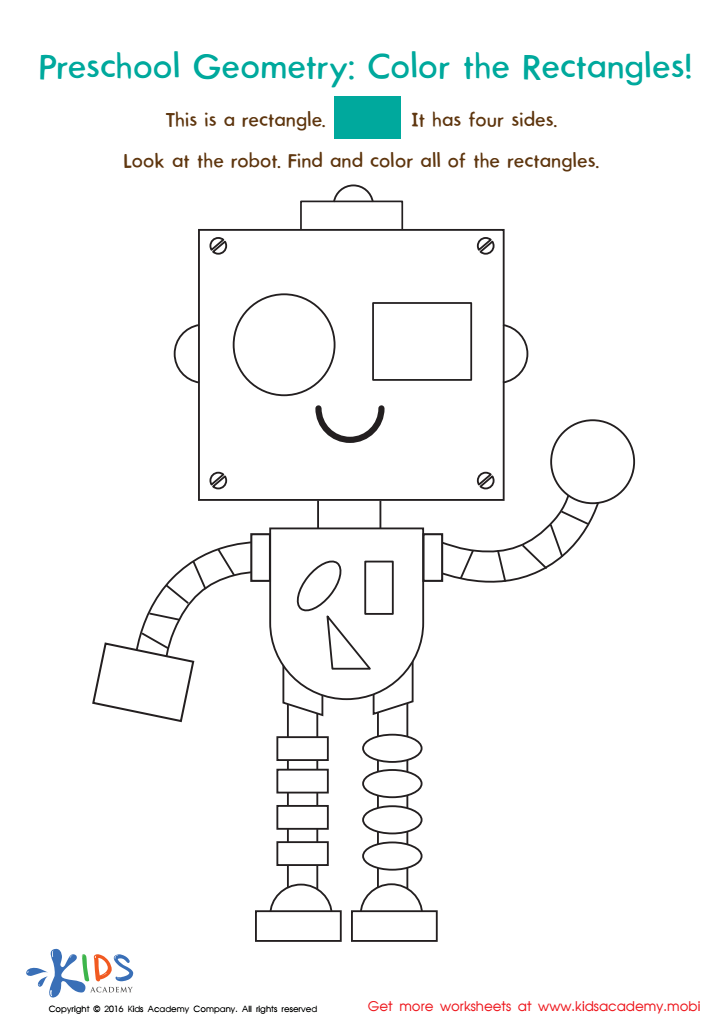
Geometry Worksheet
 Assign to My Students
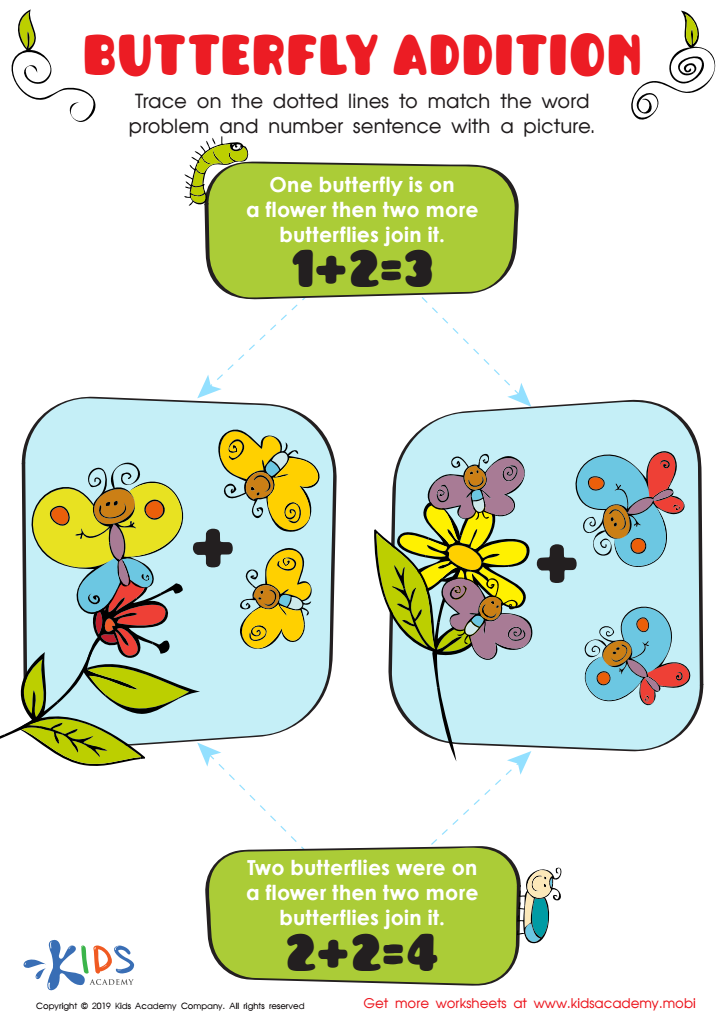
Butterfly Addition Worksheet
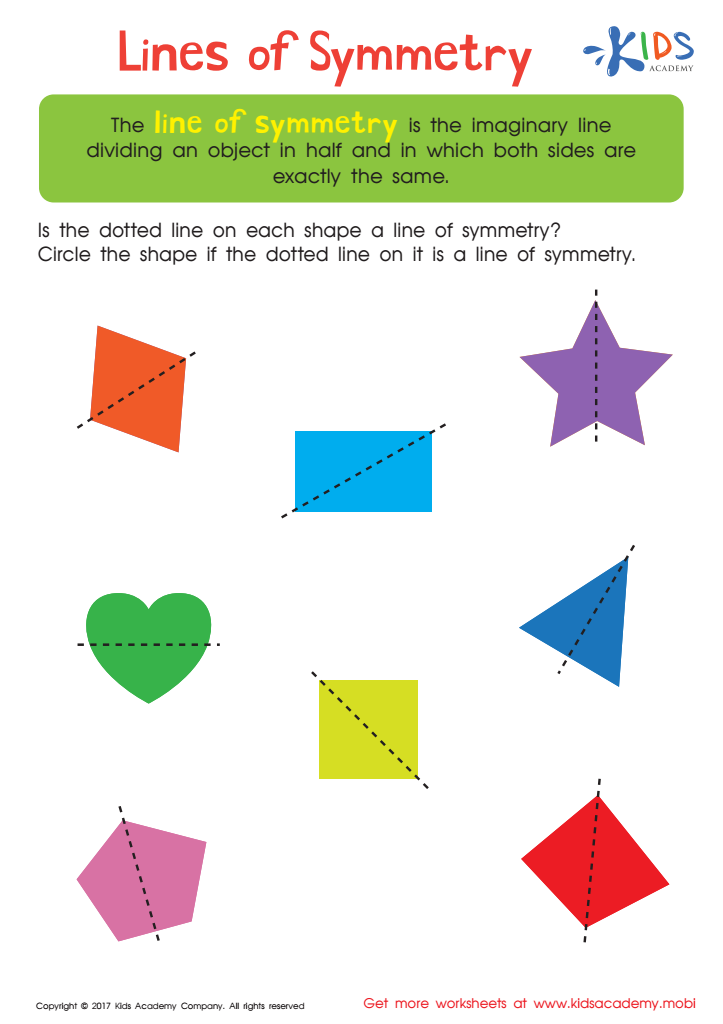
Lines of Symmetry Printable
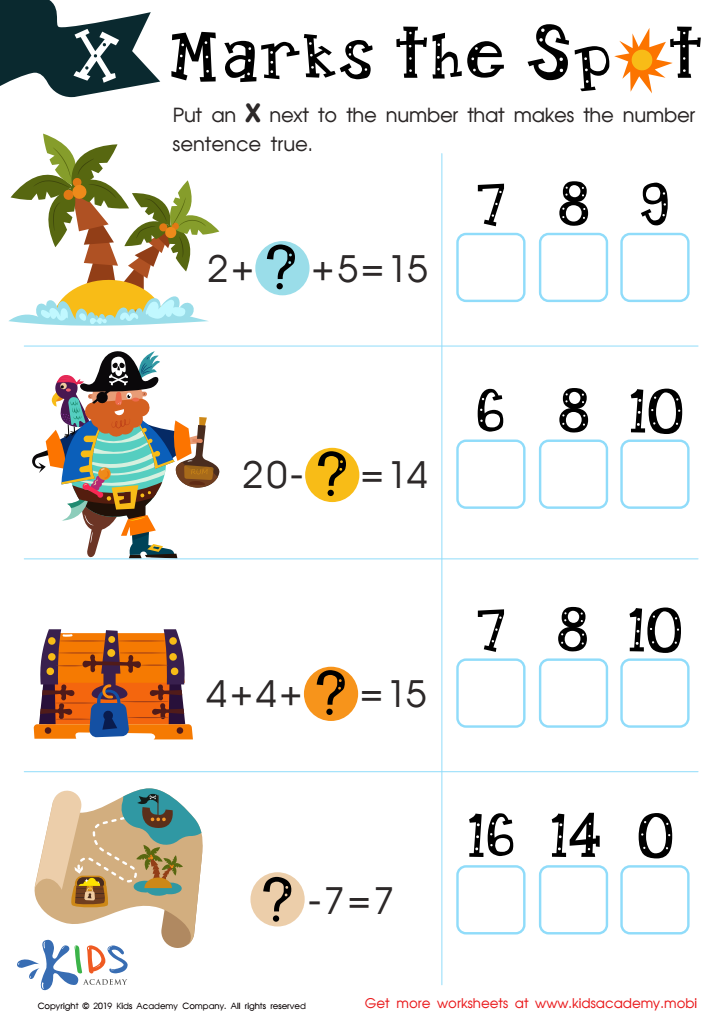
X Marks the Spot Worksheet
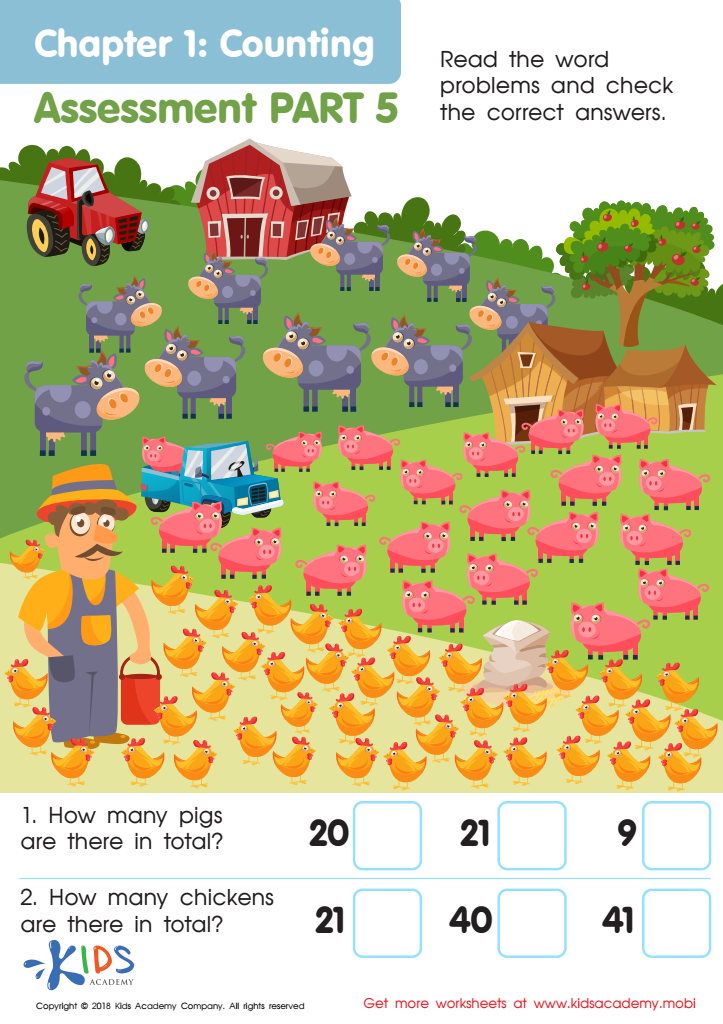
Counting: Assessment 5 Worksheet





Understanding symmetry in early math education is foundational for young learners, ages 4-6, because it nurtures critical cognitive abilities linked to pattern recognition, spatial reasoning, and problem-solving. At this developmental stage, children are naturally curious about shapes and patterns, with symmetry offering a tangible and engaging way to explore these concepts.
When children learn about symmetry, they develop an intuitive sense of balance and organization, which is crucial for later mathematical understanding. Symmetry lessons can be tied to everyday experiences, like noticing symmetrical shapes in nature (butterflies, leaves) or in man-made objects (buildings, art). These relatable examples make learning more relevant and enjoyable.
Moreover, grasping the concept of symmetry helps children better understand geometry, as it is a key aspect in recognizing fundamental shapes and how they interact. This foundational knowledge supports more complex mathematical concepts they’ll encounter in the future.
Engaging young minds in symmetry helps enhance their creativity and imagination, fostering both intellectual and emotional development. Teachers and parents who emphasize symmetry provide children with a strong mathematical foundation, encouraging them to observe, hypothesize, and experiment, essential skills not just in math but in all areas of learning and problem solving.








