Basic Math Skills Numbers 0–10 Worksheets for Ages 4-6
12 filtered results
-
From - To
Enhance your child's early math skills with our Basic Math Skills Worksheets focused on numbers 0–10, tailored for ages 4-6. These engaging worksheets provide a fun and interactive way for young learners to recognize, write, and understand numbers. Designed to foster essential counting skills, basic addition and subtraction, and number identification, our resources support a smooth transition into more advanced arithmetic. With colorful illustrations and age-appropriate activities, children will enjoy exploring the world of numbers while building their confidence in math. Perfect for home or classroom use, these worksheets set a solid foundation for lifelong learning. Download and start learning today!
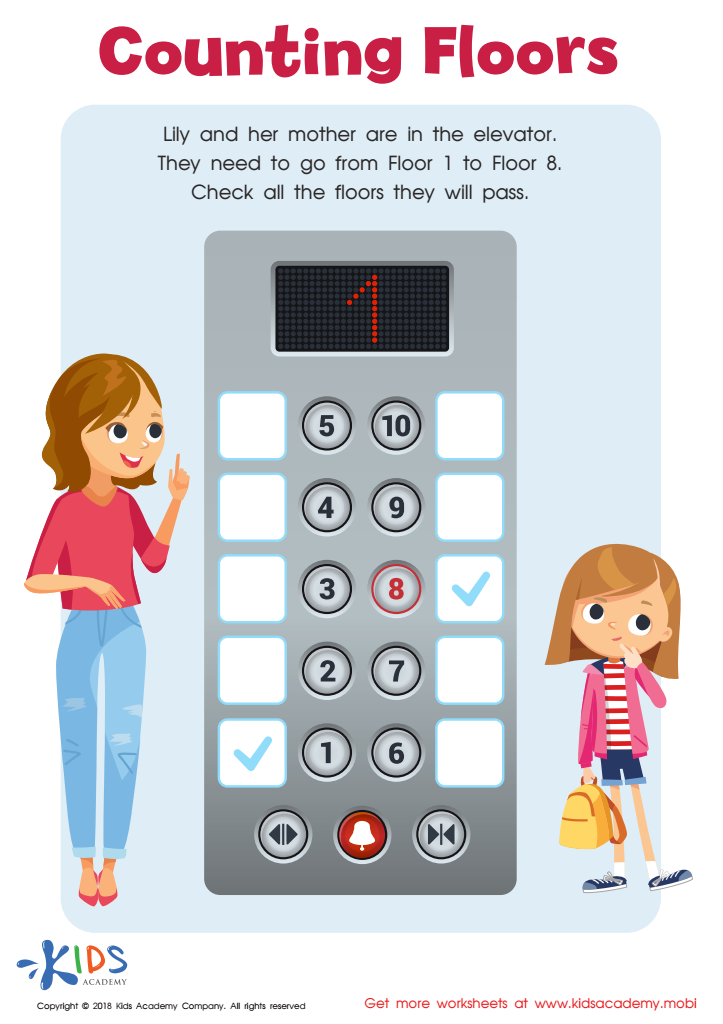
Counting Floors Worksheet
 Assign to My Students
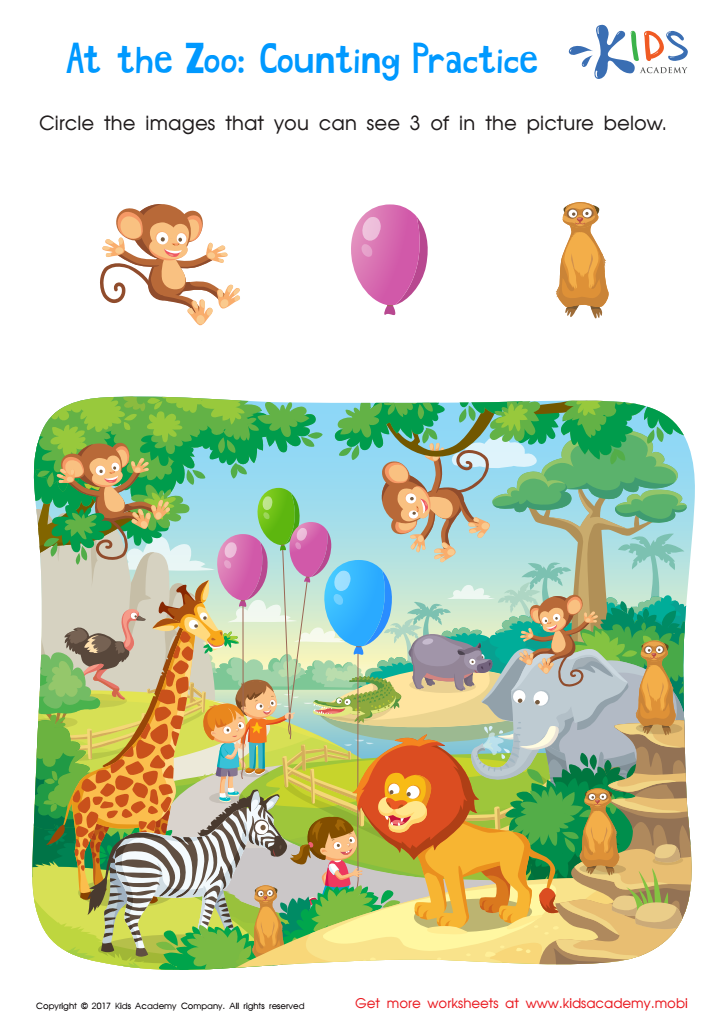
At the Zoo: Counting Practice Worksheet
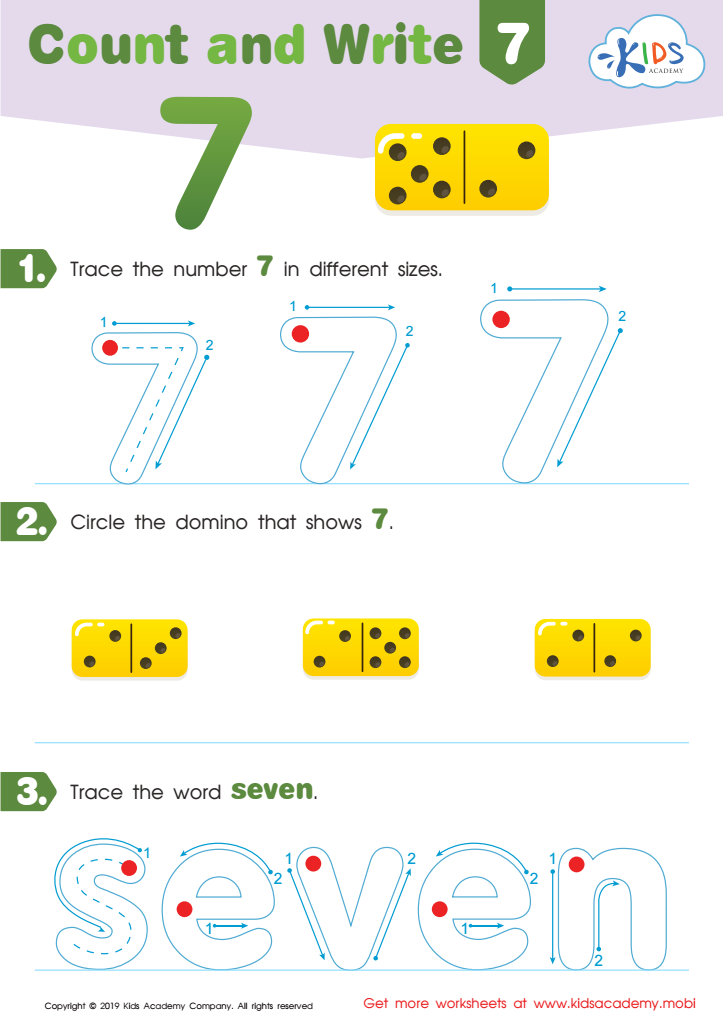
Count and Write 7 Worksheet
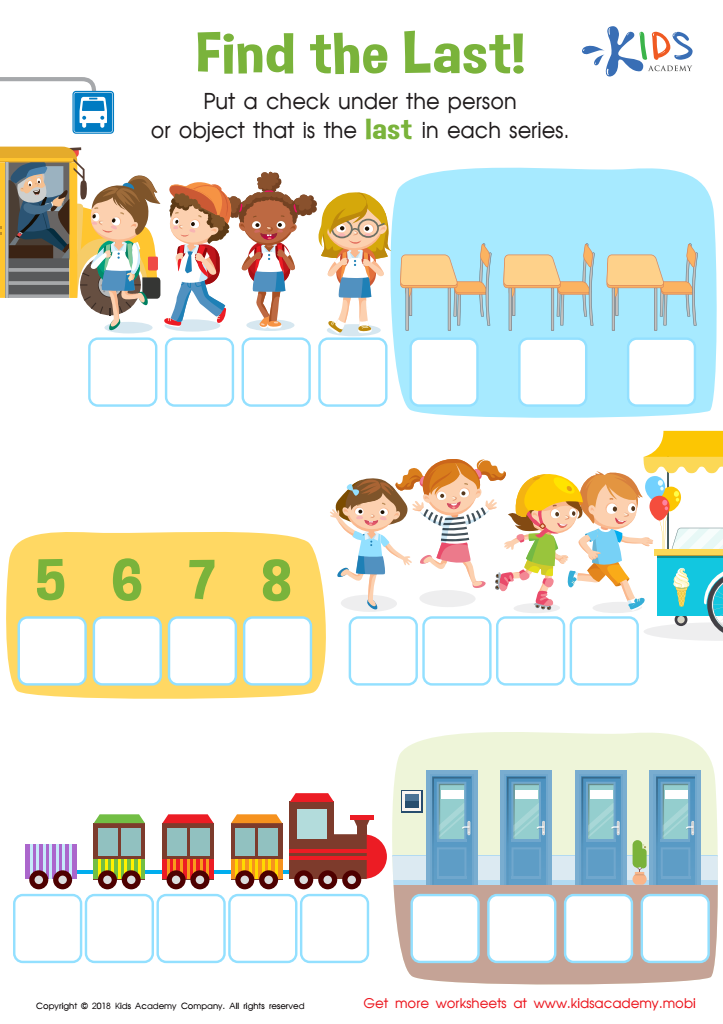
Find the Last! Worksheet
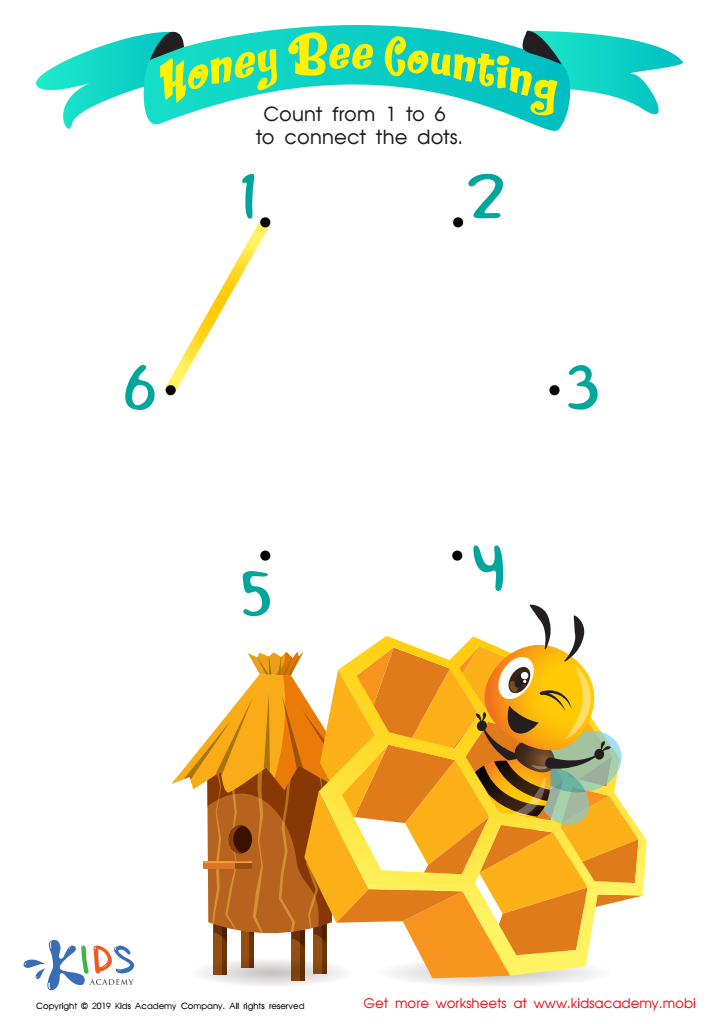
Honey Bee Counting Worksheet
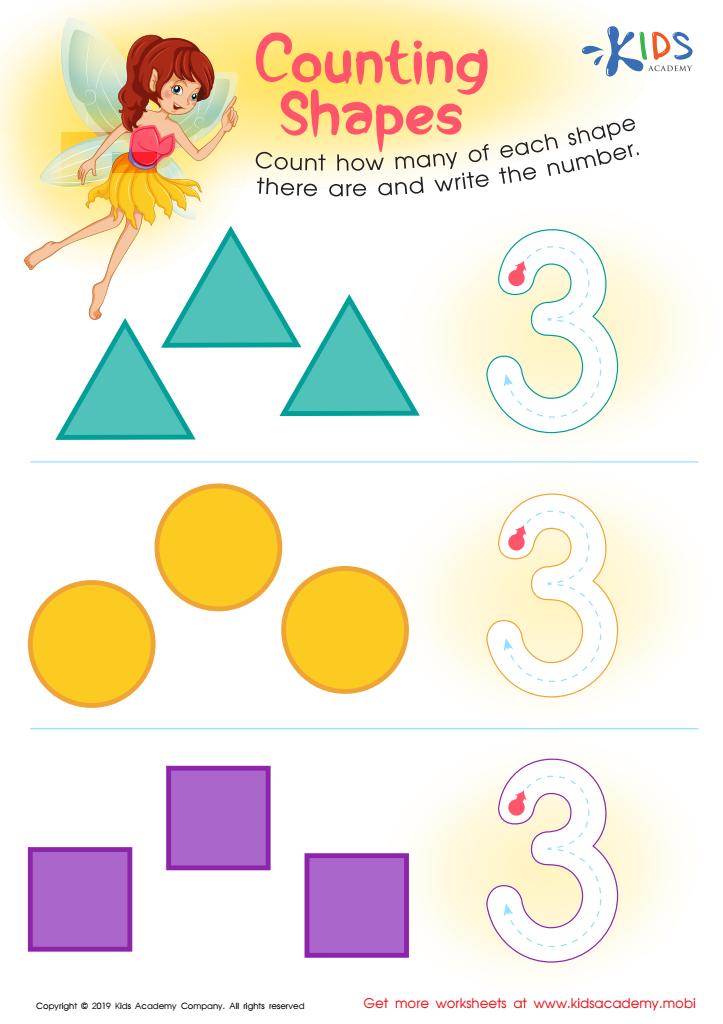
Counting Shapes Worksheet
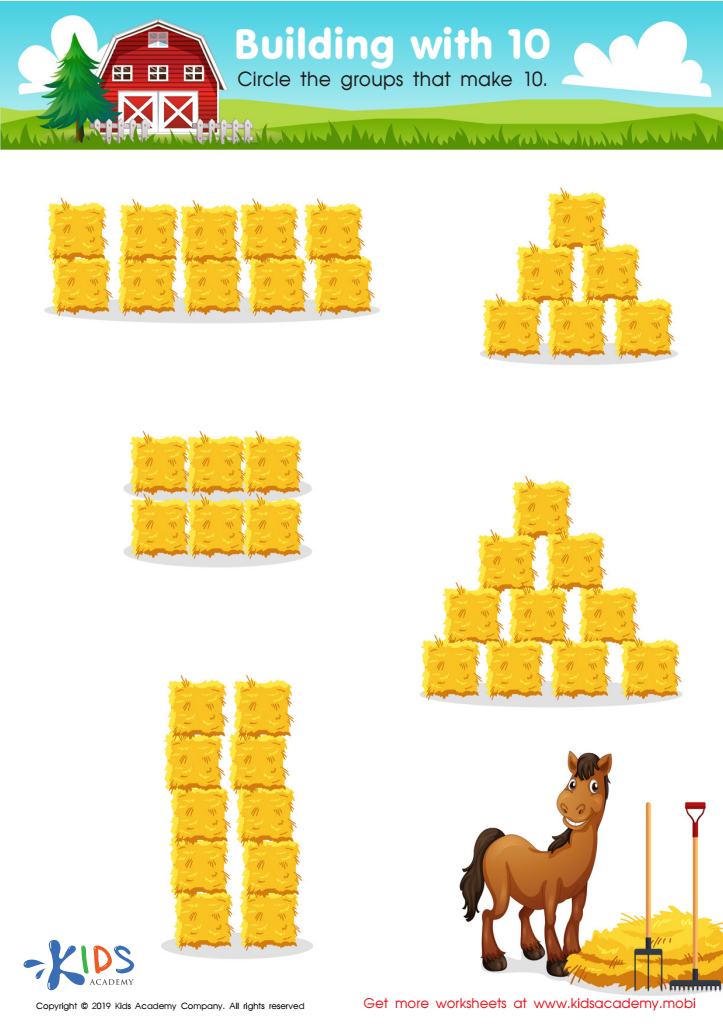
Building with 10 Worksheet
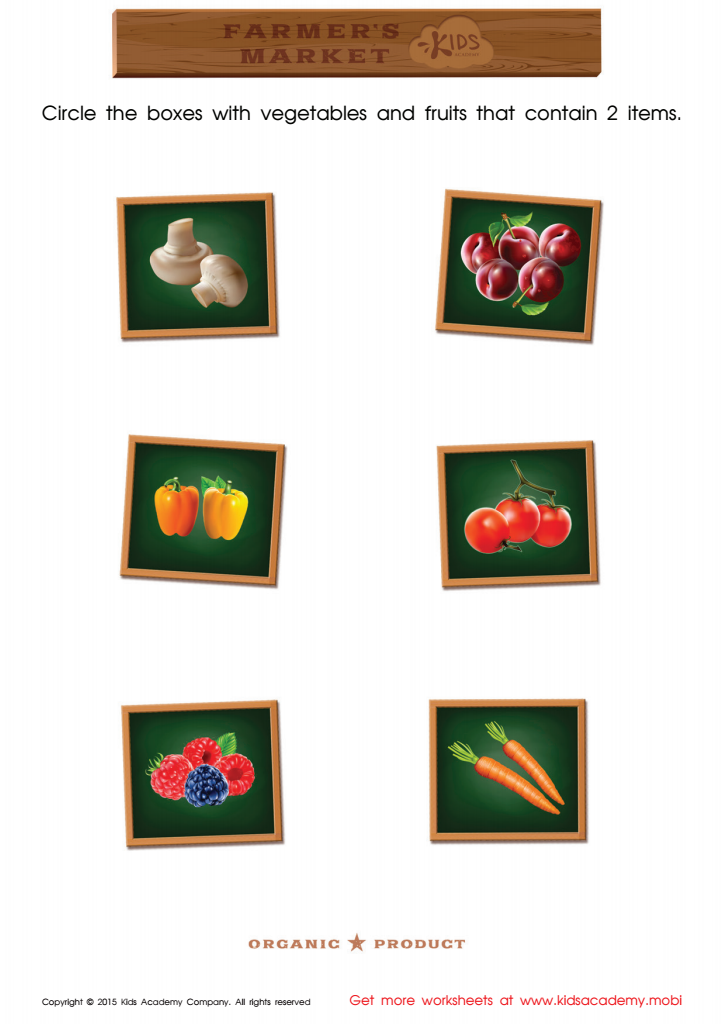
Count and Match Vegetables and Points Math Worksheet
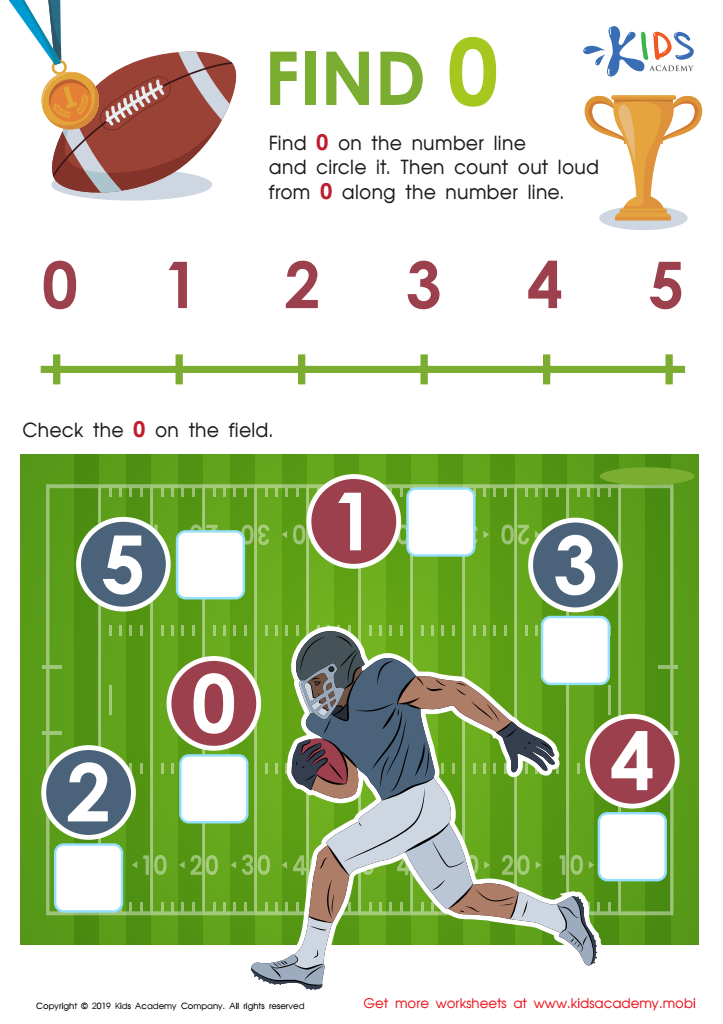
Find 0 Worksheet
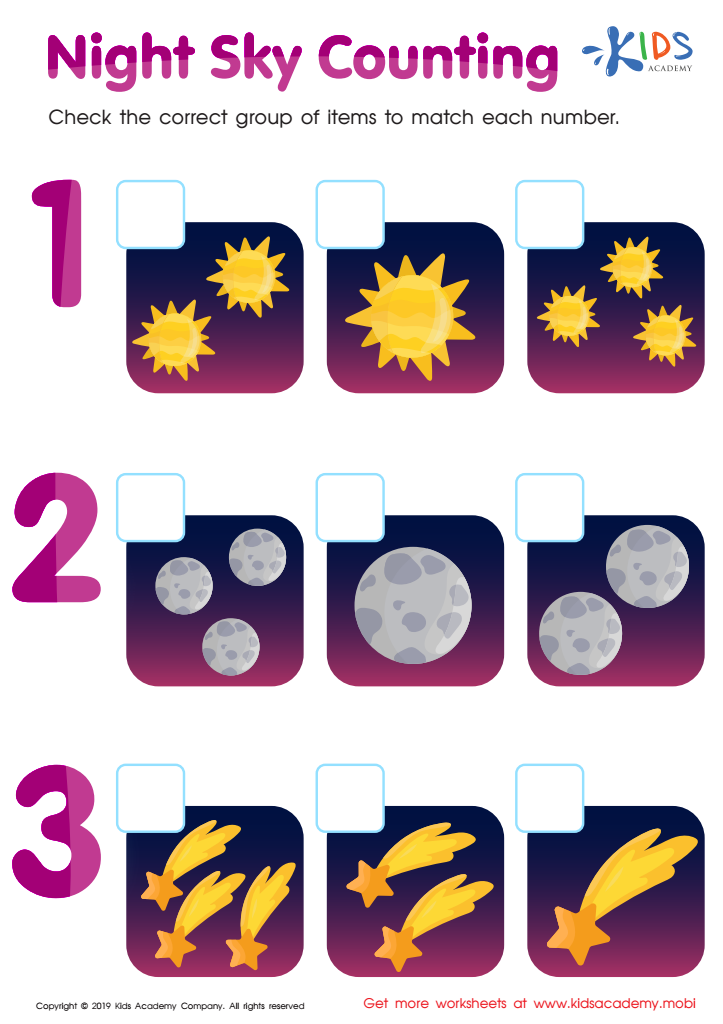
Night Sky Counting Worksheet

Count and Match Vegetables 1 – 5 Math Worksheet
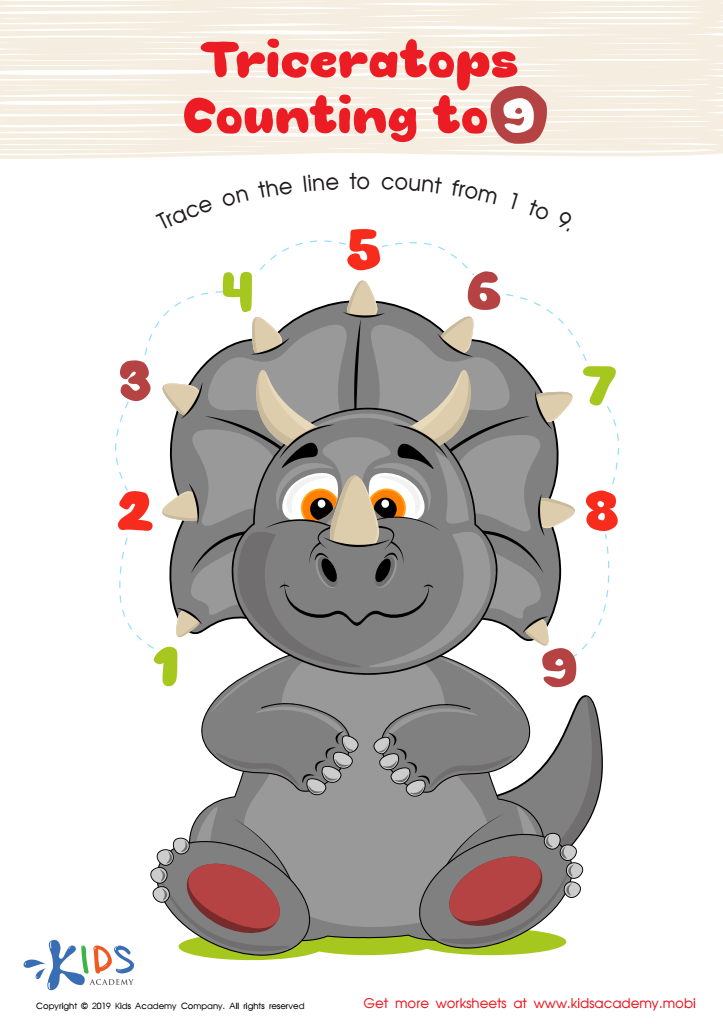
Triceratops Counting to 9 Worksheet








Parents and teachers should prioritize basic math skills for numbers 0-10 in children aged 4-6 because these foundational skills are crucial for cognitive development and lifelong learning. Early mathematical understanding enhances critical thinking and problem-solving abilities, preparing children for more complex mathematical concepts in later years.
At this age, children are naturally curious and eager to explore their environments. Introducing them to numbers through playful activities, such as counting objects or engaging in number games, makes learning enjoyable, fostering a positive attitude toward mathematics. Mastery of numbers 0-10 aids in developing not just number recognition but also essential skills like addition and subtraction, forming the base for future math learning.
Additionally, a strong grasp of basic math concepts supports other academic areas, including reading and science, as numeracy is intertwined with many subjects. Beyond academics, these early skills contribute to essential life abilities—like making decisions based on quantity and developing financial literacy.
By focusing on basic math skills now, parents and teachers are setting children up for success not only in their academic pursuits but also in navigating everyday life. Building these foundational skills can lead to higher confidence in math as they grow, ensuring they remain engaged and successful learners.








