
Enhancing vocabulary Building Vocabulary Worksheets for Ages 4-6
5 filtered results
Difficulty Level
Grade
Age
-
From - To
Subject
Activity
Standards
Enhancing Vocabulary Building Worksheets are designed specifically for children aged 4-6 to cultivate essential language skills through engaging activities. These printable worksheets encourage creativity and interactive learning, making it fun for young learners to expand their vocabulary. Each activity targets key areas of vocabulary development, including word recognition, comprehension, and usage in sentences. With colorful graphics and age-appropriate exercises, children remain motivated and excited about learning new words. Parents and educators can easily integrate these worksheets into daily lessons, helping young minds build a strong language foundation necessary for literacy success. Explore our resources and empower your child's vocabulary journey today!
Favorites
With answer key
Interactive
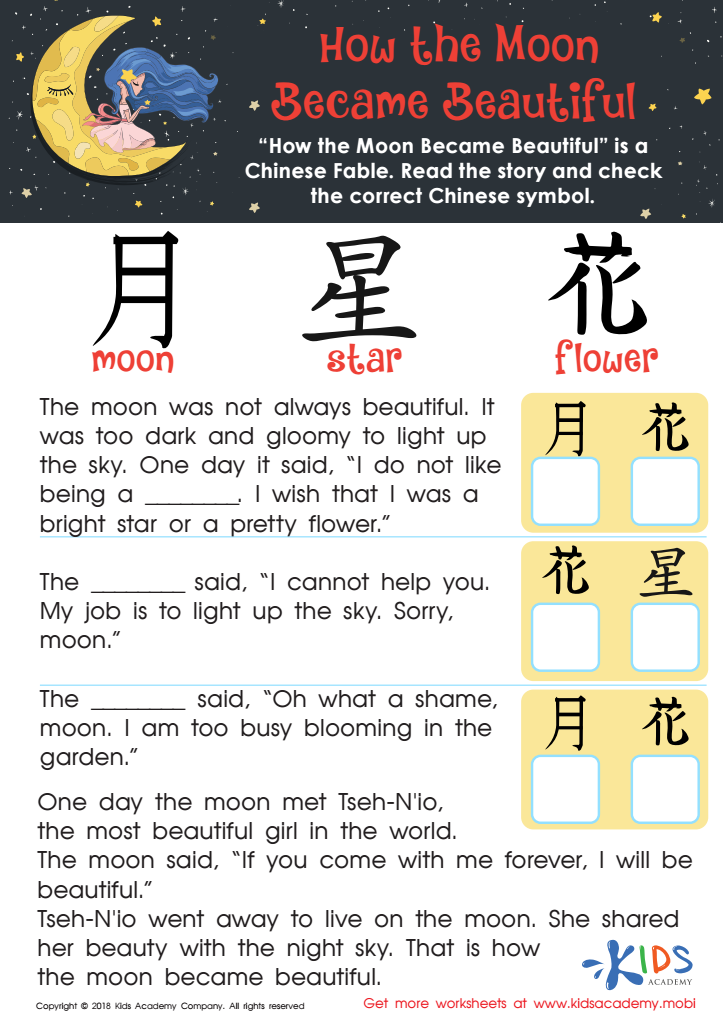
How the Moon Became Beautiful Worksheet
Fables are a great way for kids to learn! This Chinese fable about the moon's beauty is educational and entertaining. The PDF worksheet provides the English translations and symbols associated with the story. Kids can fill in the blanks with the correct symbols and have fun learning a new language!
 Assign to My Students
How the Moon Became Beautiful Worksheet
Worksheet











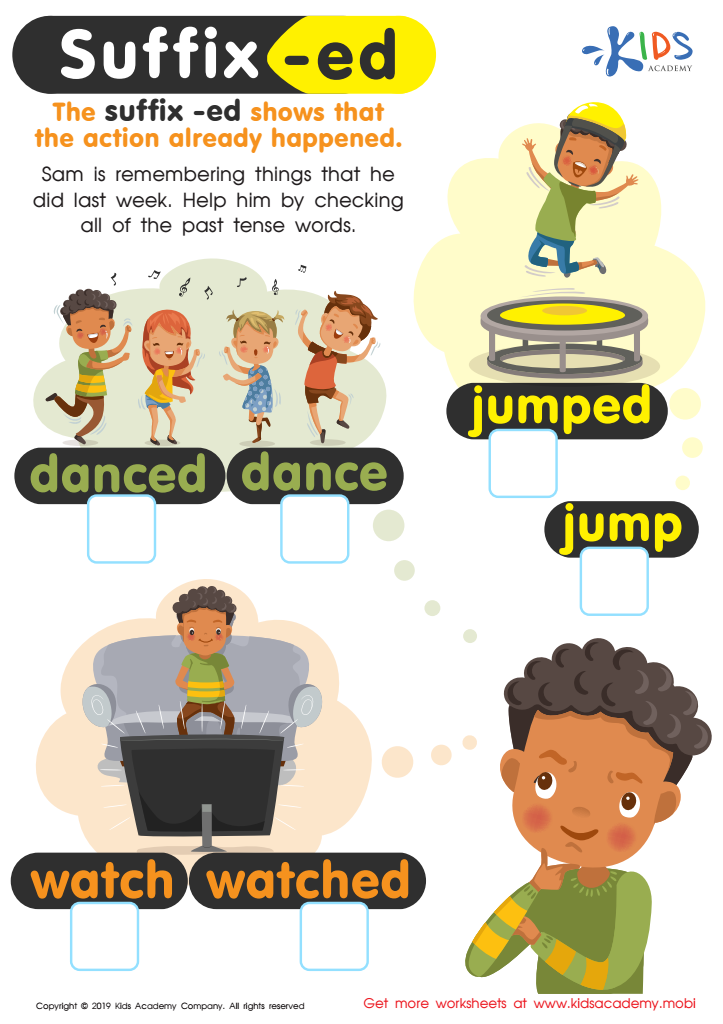
Suffix-ed Worksheet
Ask your kids if they know what suffixes are, and explain they are words added to the end of another word which changes the meaning. This worksheet focuses on the suffix -ed which shows something already happened. Help the kid in the picture find the past tense words.
Suffix-ed Worksheet
Worksheet
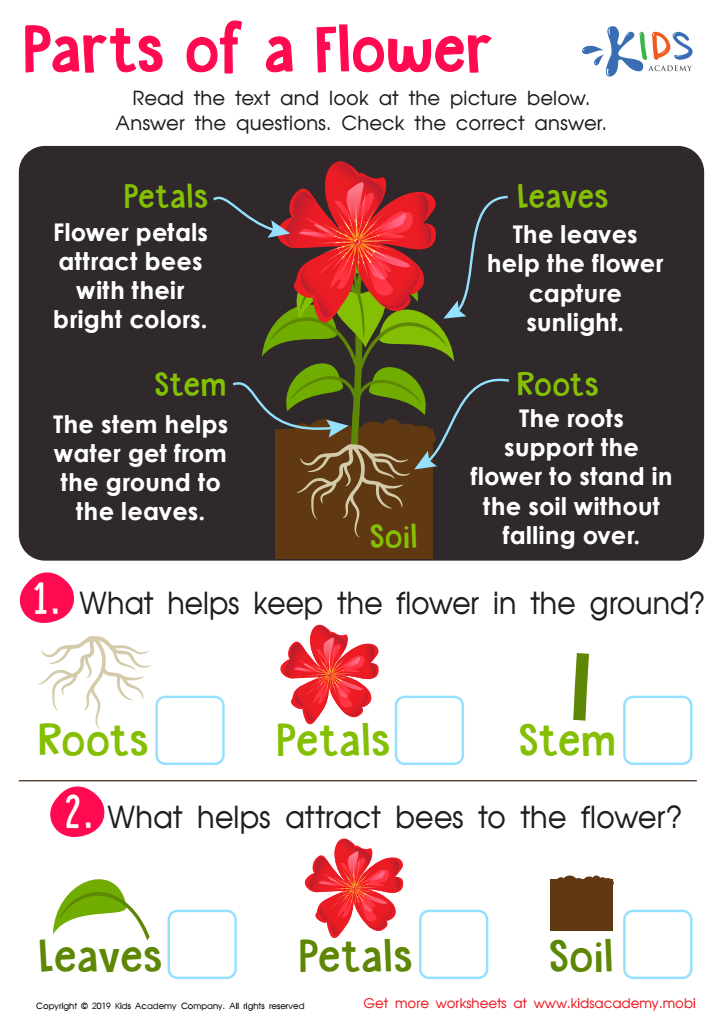
Parts of Flower Worksheet
Learning how to dissect info from graphics is essential. This free worksheet on the parts of a flower is a great learning tool for kids. It offers info, picture clues and comprehension questions. Plus, it gives them a visual reference for building on their knowledge of plants.
Parts of Flower Worksheet
Worksheet
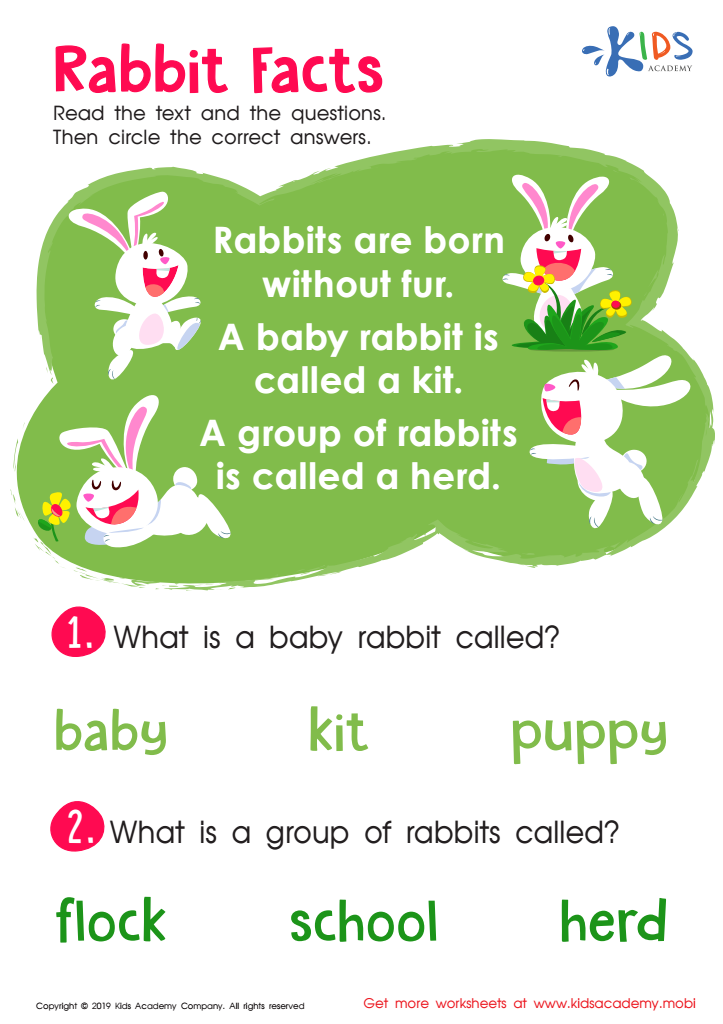
Rabbit Facts Worksheet
Reading comprehension skills can be strengthened with this fun PDF about fluffy rabbits. It helps kids recall and retell details from the text while engaging them in the topic. This encourages success in reading comprehension.
Rabbit Facts Worksheet
Worksheet
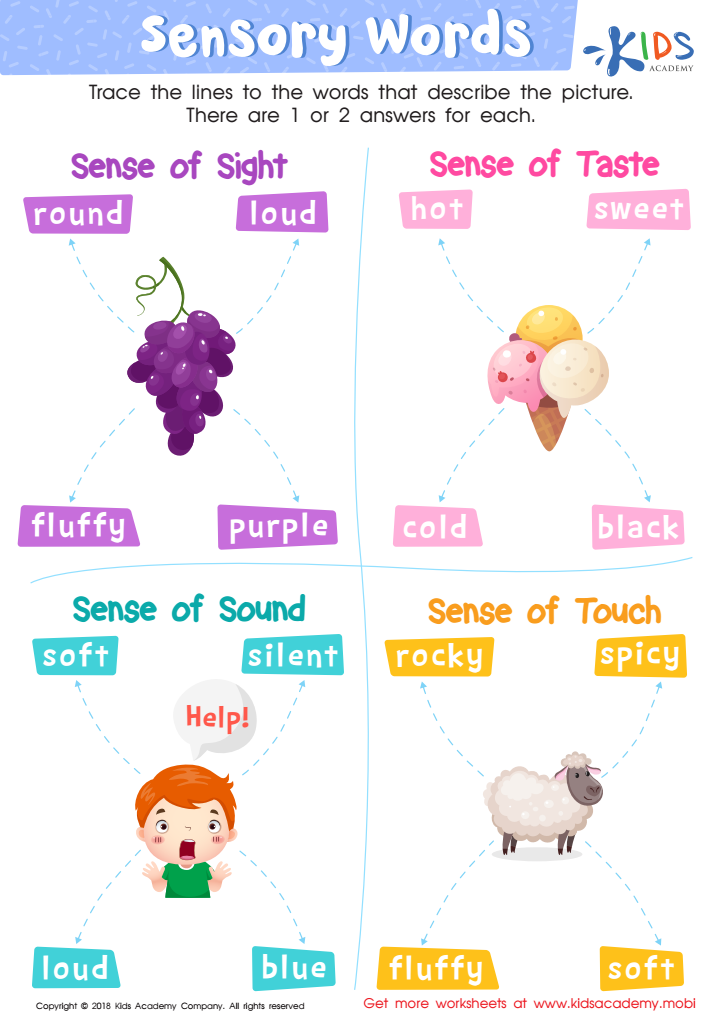
Sensory Words Worksheet
This worksheet helps students explore sensory words by looking at pictures and selecting one or two words to describe how it looks, feels, tastes, smells or sounds. Adding sensory words to texts makes them more interesting and helps students comprehend stories and articles better.
Sensory Words Worksheet
Worksheet
Join Kids Academy for Free
Who is primarily going to use this learning content?



.jpg)




Building vocabulary in children aged 4-6 is crucial for their overall development, laying the foundation for effective communication, literacy skills, and academic success. At this age, children are highly receptive to language, and rich vocabulary exposure can significantly enhance their understanding and expression. By improving vocabulary, we enable children to articulate their thoughts and feelings, fostering better social interactions and relationships with peers and adults.
Parents and teachers play instrumental roles in this development. Engaging children in conversations, reading diverse books, and incorporating new words in everyday scenarios promotes language acquisition. When children encounter and use new words, they enhance their cognitive abilities, which supports learning in all subjects, particularly reading and writing. Strong vocabulary skills can also boost a child's confidence, empowering them to participate in discussions and express themselves clearly.
Additionally, a robust vocabulary correlates with later academic achievement. Therefore, prioritizing vocabulary building at this early stage cultivates lifelong learning habits. Investing time and resources to enhance vocabulary in young children ultimately contributes to their emotional, social, and intellectual growth. Ensuring children have a rich vocabulary equips them not just for school, but for the complexities of the world around them.








