Identifying shapes Building Vocabulary Worksheets for Ages 4-6
7 filtered results
-
From - To
"Identifying Shapes Building Vocabulary Worksheets for Ages 4-6" are expertly designed to help young learners develop essential reading and vocabulary skills by recognizing and naming various shapes. These engaging, colorful worksheets provide a fun, interactive way for children to enhance their shape knowledge, promote critical thinking, and improve their language abilities. Ideal for preschool and kindergarten students, the activities encourage shape identification and vocabulary building through a combination of visual aids, traceable words, and matching exercises. Perfect for both classroom and at-home learning, these worksheets lay the foundation for early academic success and a strong vocabulary.
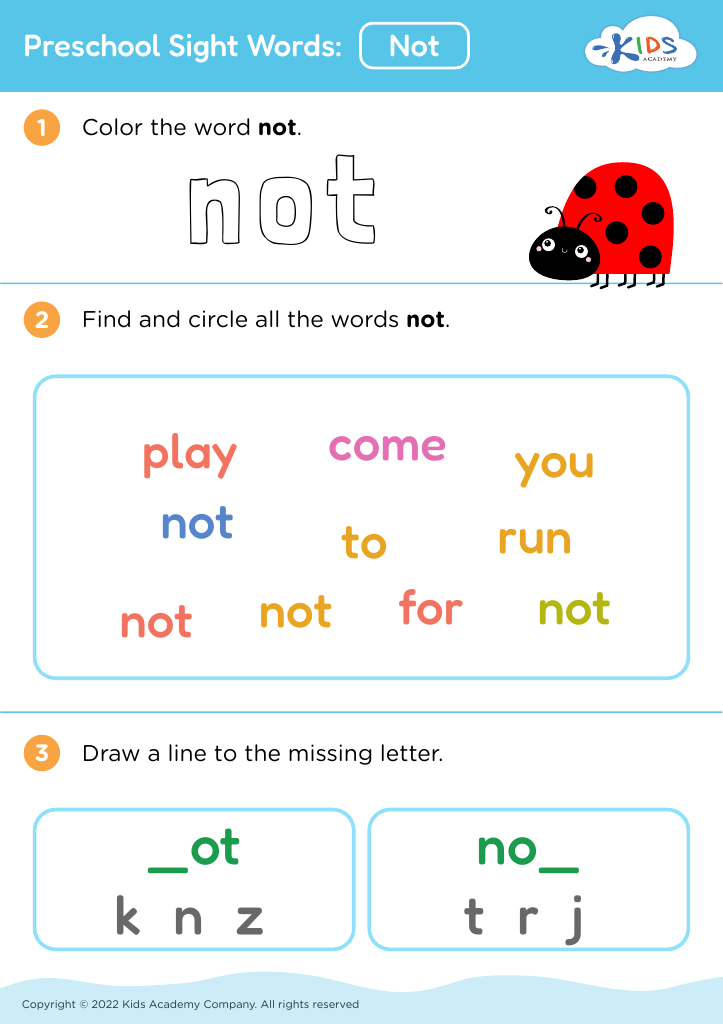











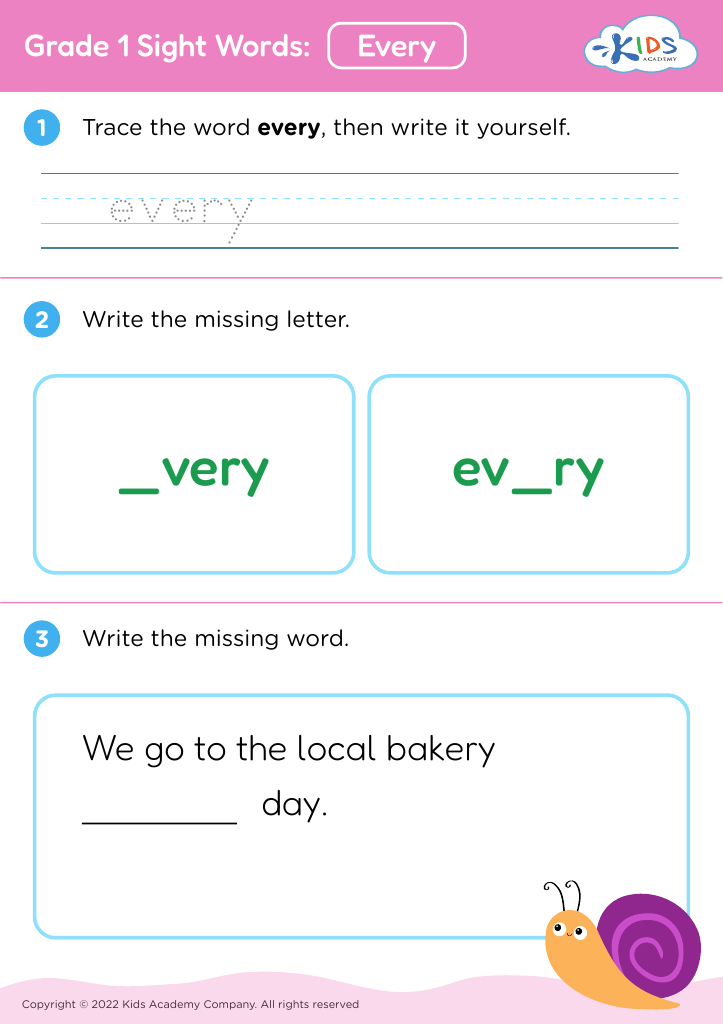
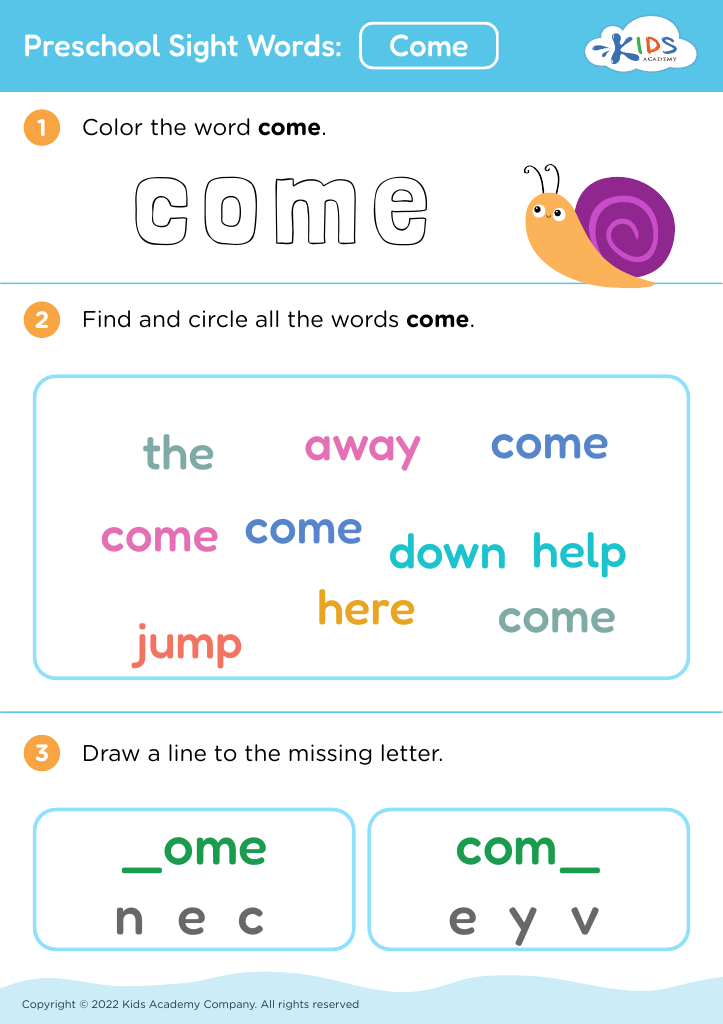
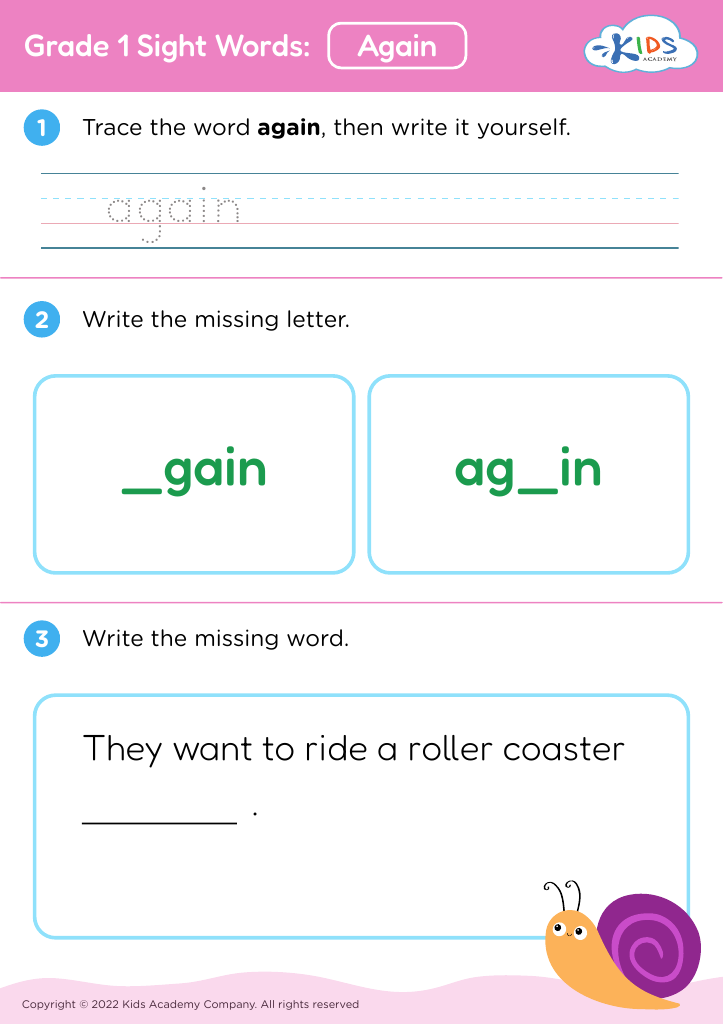
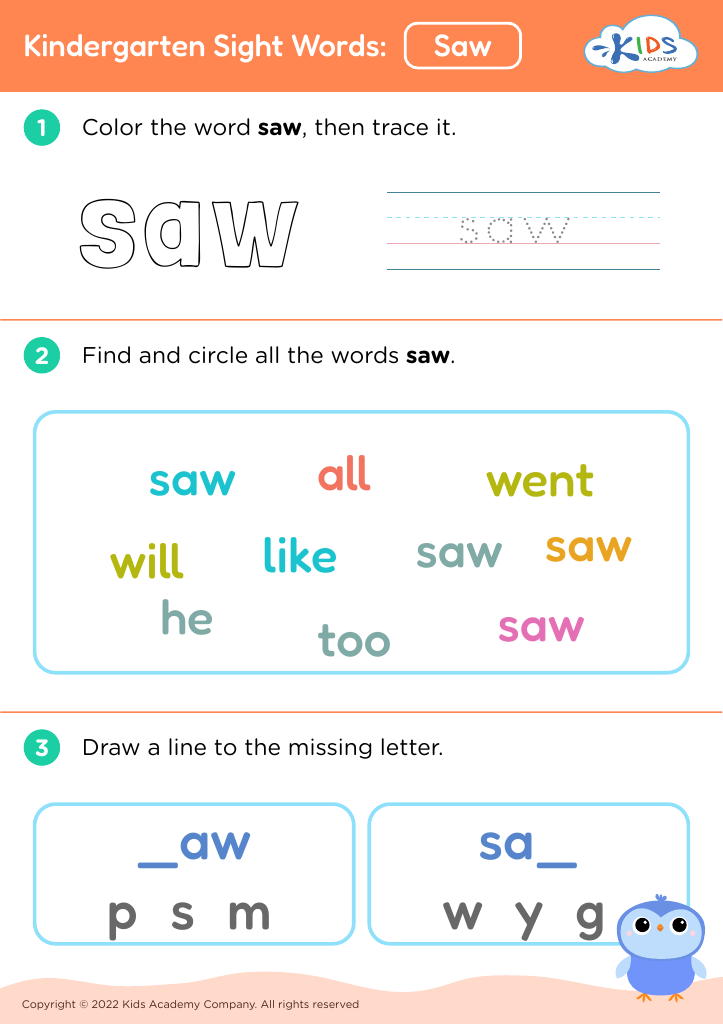
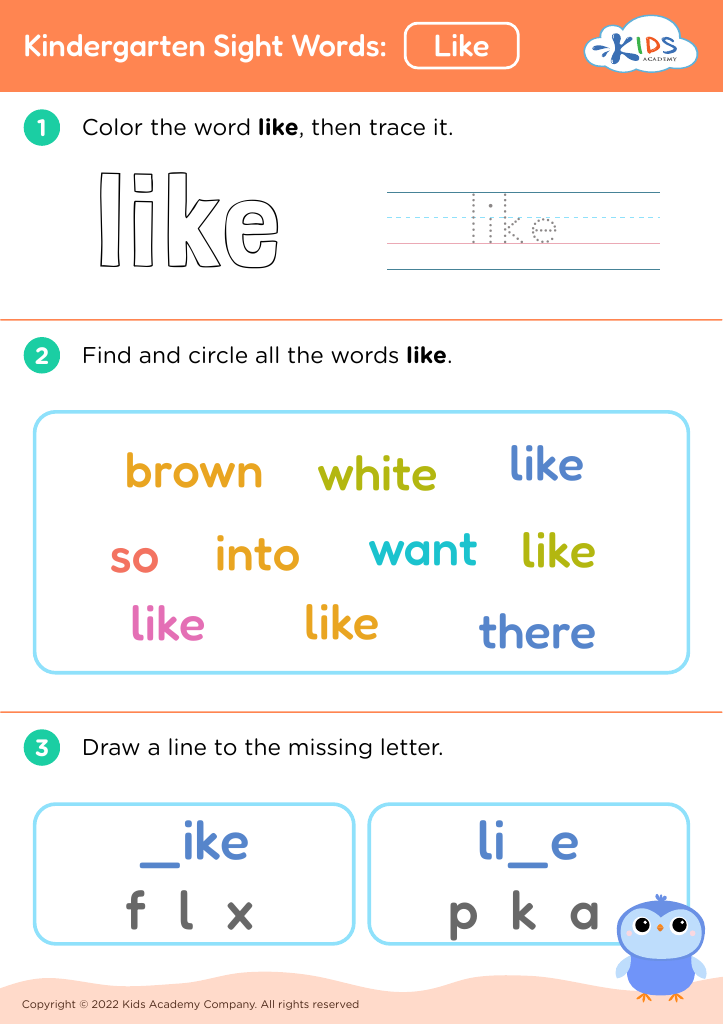
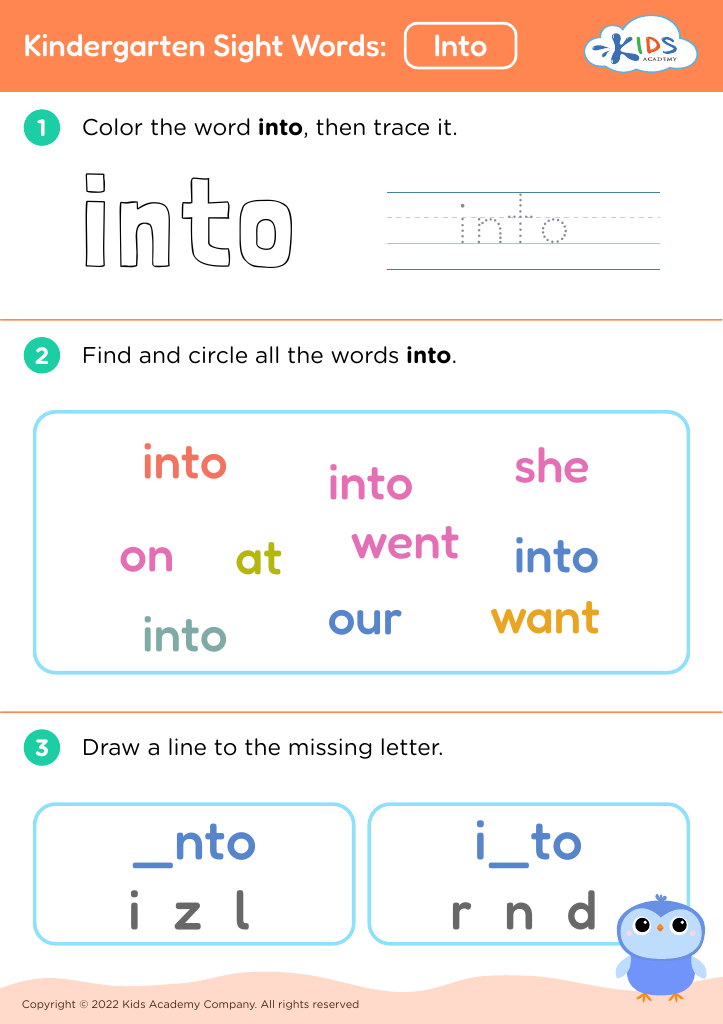








Identifying shapes and building vocabulary are fundamental skills for children aged 4-6, laying the groundwork for their future academic and cognitive development. Shapes serve as basic geometric structures that help young learners comprehend more complex spatial and mathematical concepts. By recognizing and naming shapes like circles, squares, and triangles, children enhance their visual discrimination skills, critical for reading and writing. Shape identification also supports their ability to navigate and understand the world around them, aiding in everyday tasks such as following instructions and solving problems.
Building vocabulary is equally crucial during these formative years, as it significantly influences a child's ability to express thoughts, understand instructions, and connect with others. From an educational perspective, a robust vocabulary bank facilitates reading comprehension, storytelling, and effective communication, all of which are key components of early literacy. Studies have shown that children with a rich vocabulary tend to perform better academically.
For parents and teachers, integrating shape identification and vocabulary-building activities into daily routines can make learning engaging and fun. Simple games like "I Spy" can enhance observational skills and word knowledge simultaneously. Encouraging children in these areas does not only foster academic excellence but also boosts their confidence and curiosity, setting the stage for lifelong learning and success.








