Practice subtraction Building Vocabulary Worksheets for Ages 4-6
3 filtered results
-
From - To
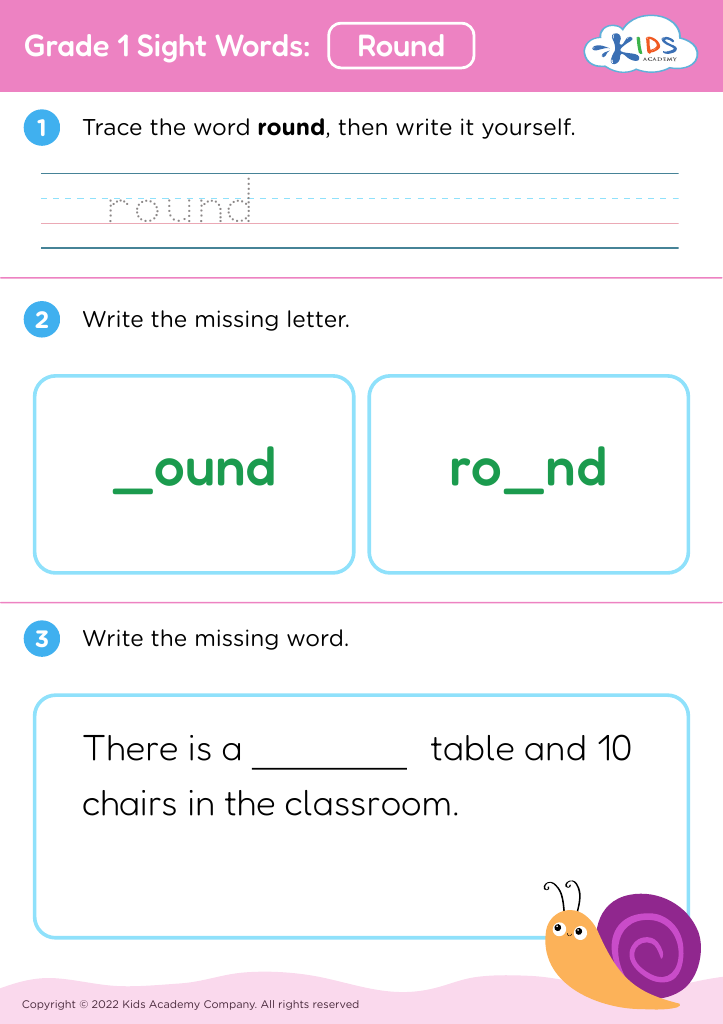
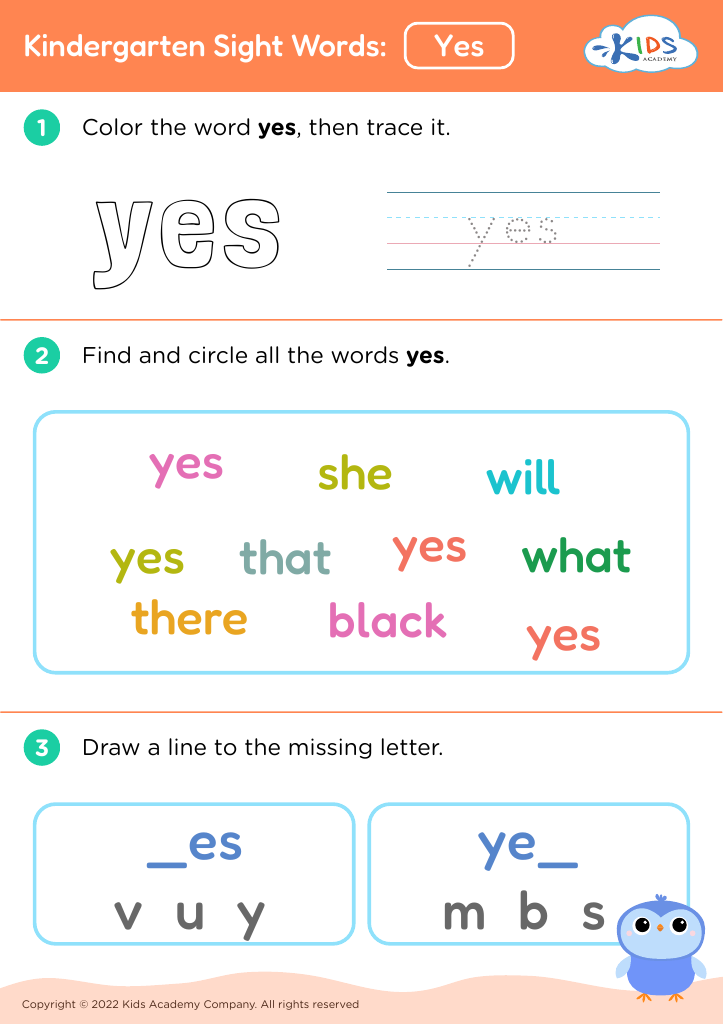
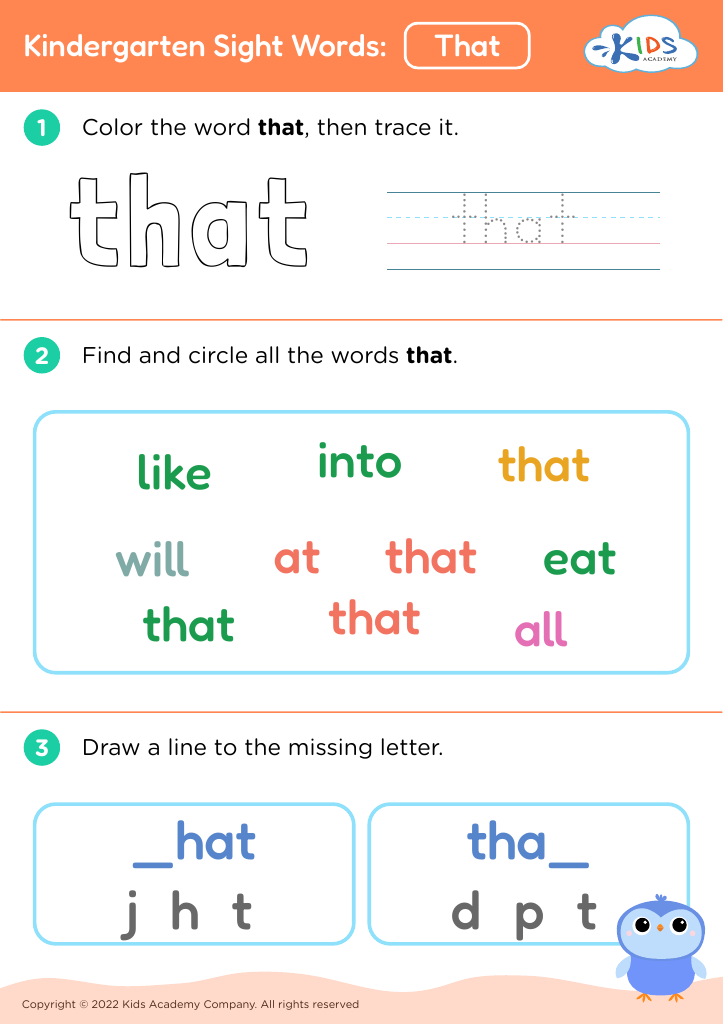
Boost your child's math and reading skills with our "Practice Subtraction Building Vocabulary Worksheets for Ages 4-6". These engaging worksheets blend essential subtraction practice with exciting vocabulary-building exercises. Designed specifically for young learners, the activities feature fun themes and colorful illustrations that capture children’s interest. By combining early math skills with language development, children enhance their abilities to recognize words and solve subtraction problems simultaneously. Perfect for classroom use or at-home enrichment, these worksheets provide a comprehensive educational experience that prepares kids for future academic success. Engage your little learners with these dynamic, dual-purpose worksheets today!














.jpg)




Parents and teachers should prioritize practicing subtraction and building vocabulary for children aged 4-6 because these foundational skills are pivotal for cognitive development and later academic success. In these formative years, children's brains are highly receptive to new information, making it an ideal time to introduce basic mathematical concepts like subtraction. Practicing subtraction helps young learners develop critical thinking, problem-solving abilities, and numerical fluency, all of which are essential for more advanced math topics they will encounter in the future.
Simultaneously, building vocabulary at this age enriches children's language skills, enabling them to express thoughts more clearly and understand instructions better. A strong vocabulary also enhances reading comprehension, which is crucial across all subjects. When teachers and parents incorporate vocabulary building with math exercises, it creates a multifaceted learning experience. For example, using descriptive words to discuss subtraction problems clarifies concepts and adds meaning to the exercises.
Integrating these lessons into fun, engaging activities such as games, storytelling, and hands-on practice ensures children remain interested and motivated to learn. Altogether, focusing on these skills during early childhood sets a solid academic foundation, promotes intellectual confidence, and fosters a lifelong love of learning.








