Reading comprehension Building Vocabulary Worksheets for Ages 4-6 - Page 3
64 filtered results
-
From - To
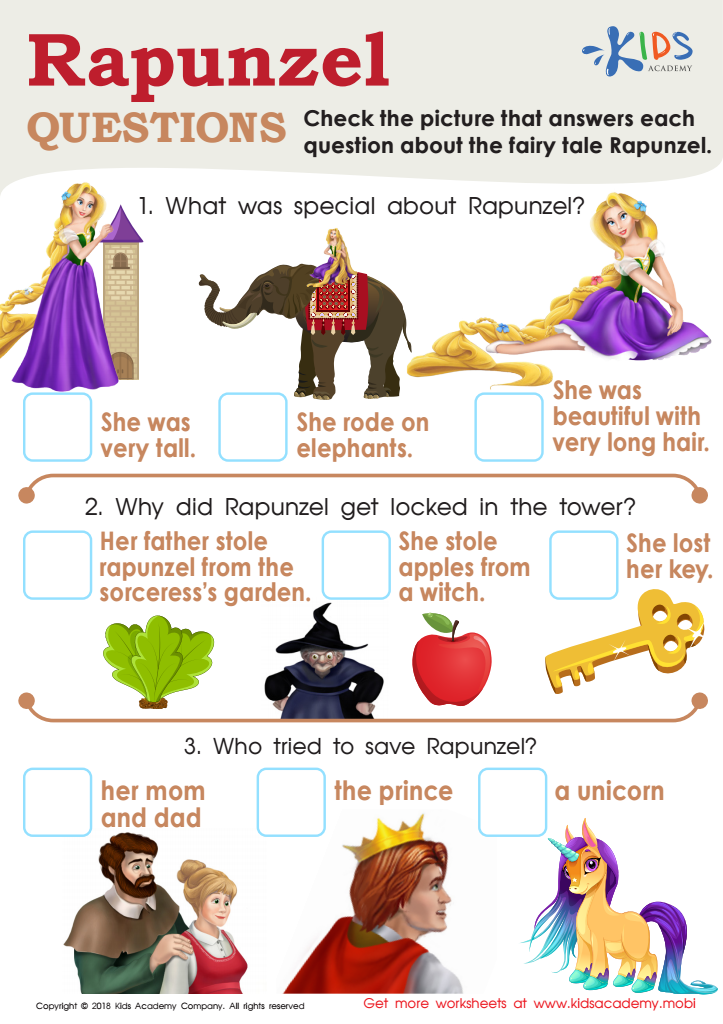
Rapunzel Questions Worksheet
 Assign to My Students











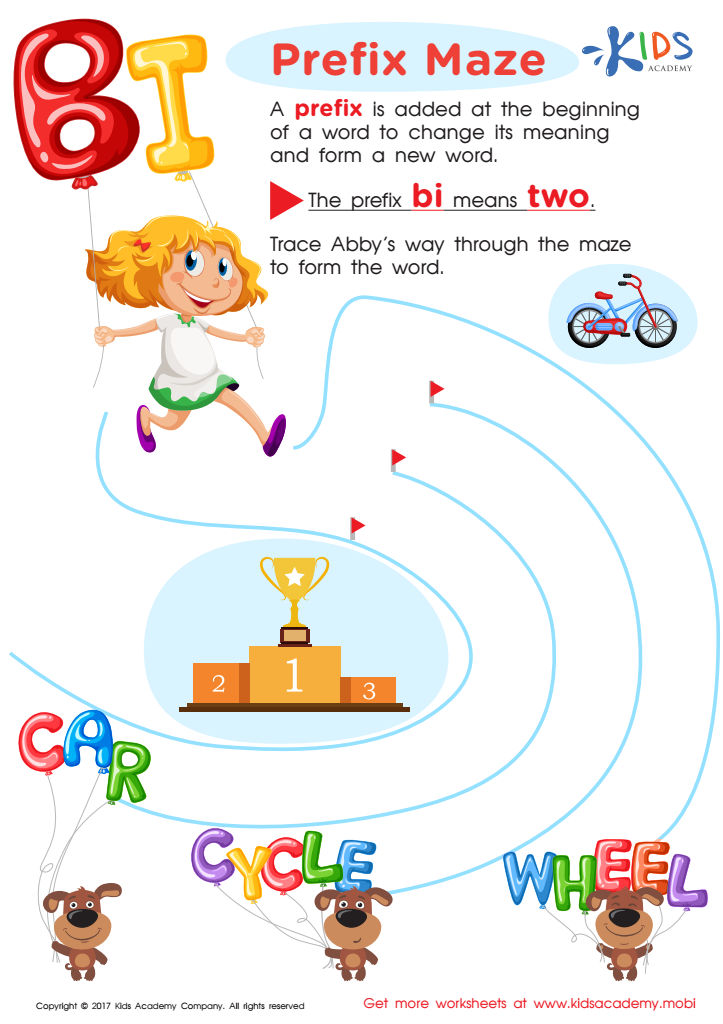
Prefix Bi Words Worksheet
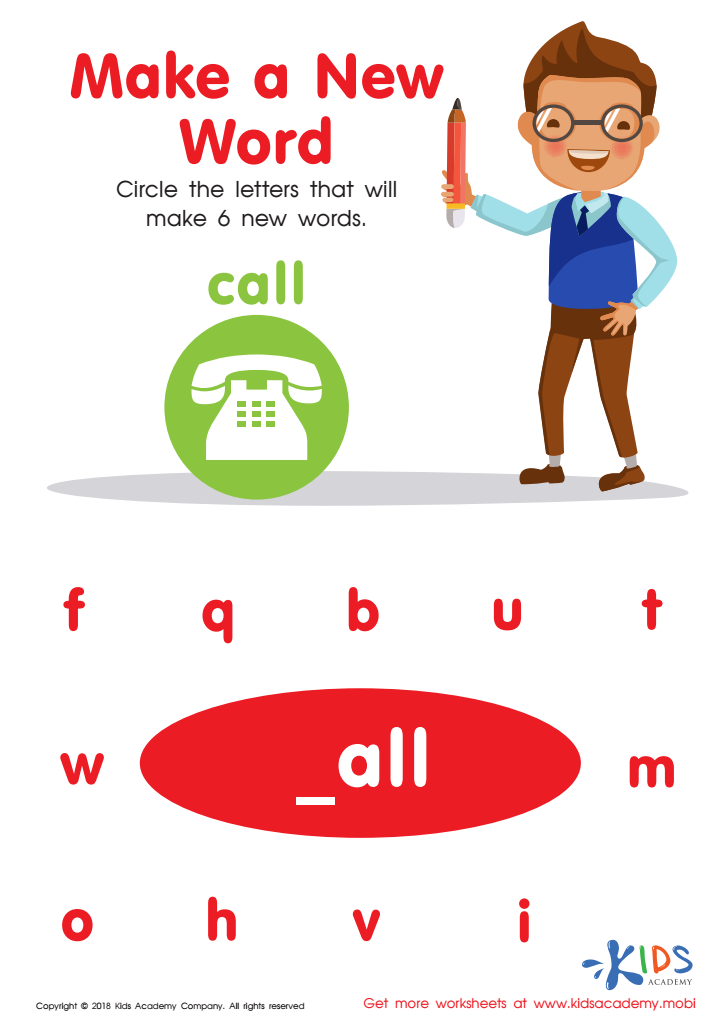
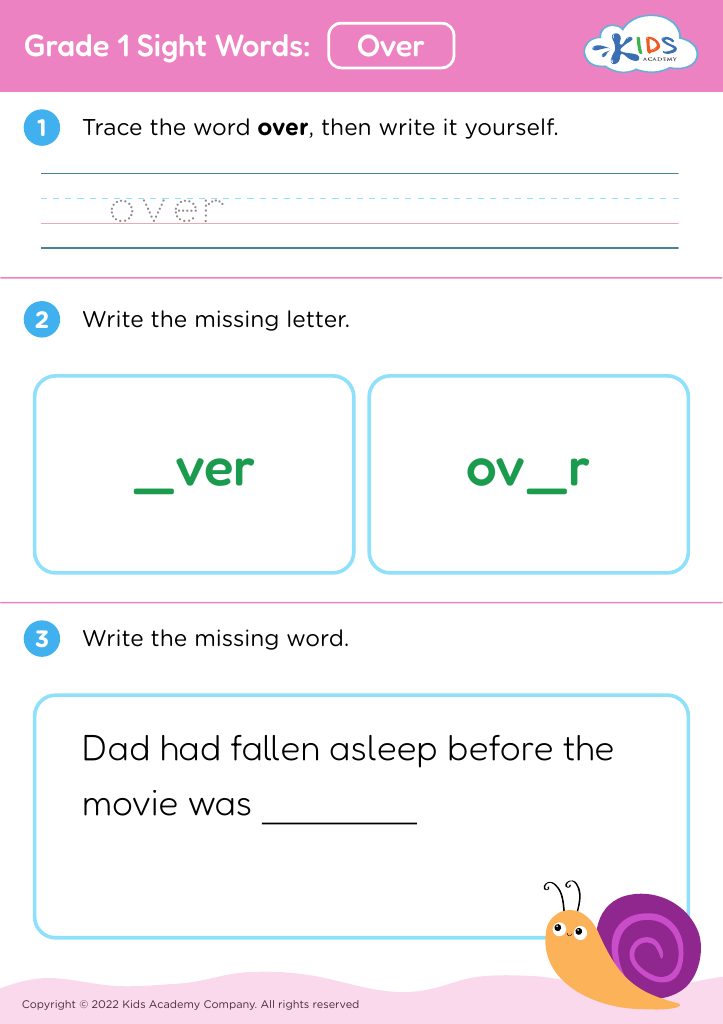
Make a New Word Worksheet
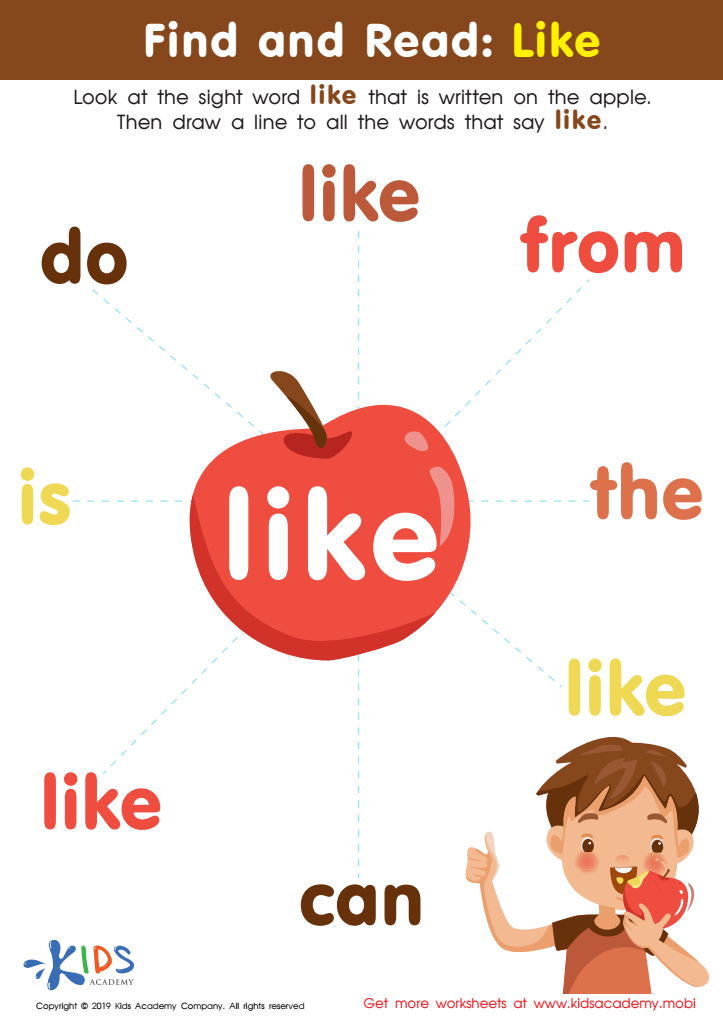
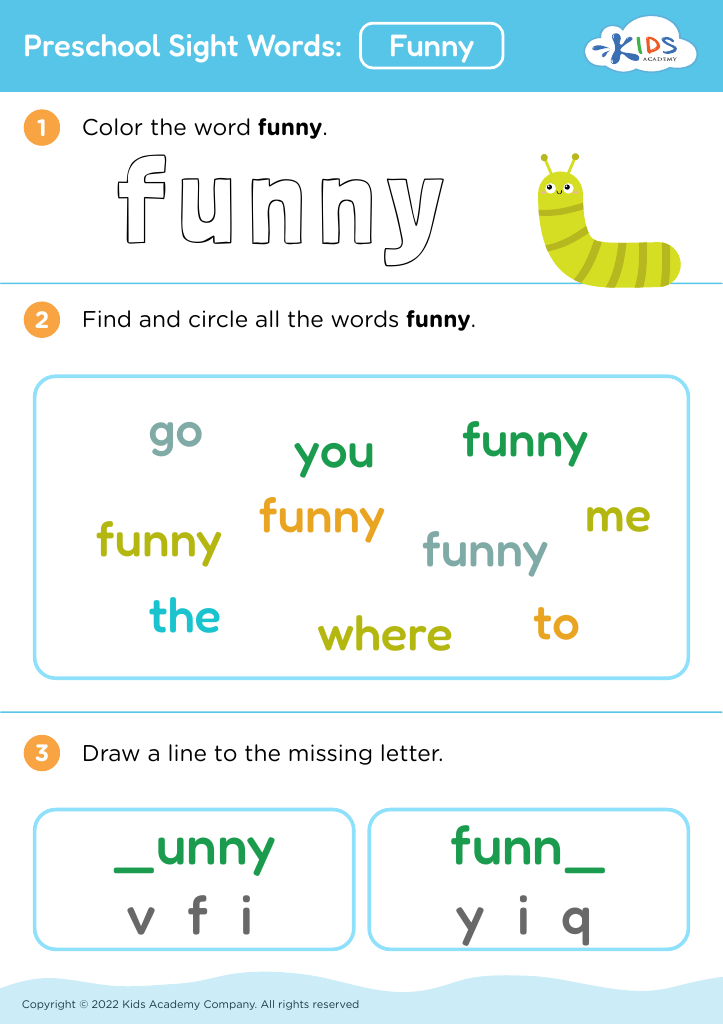
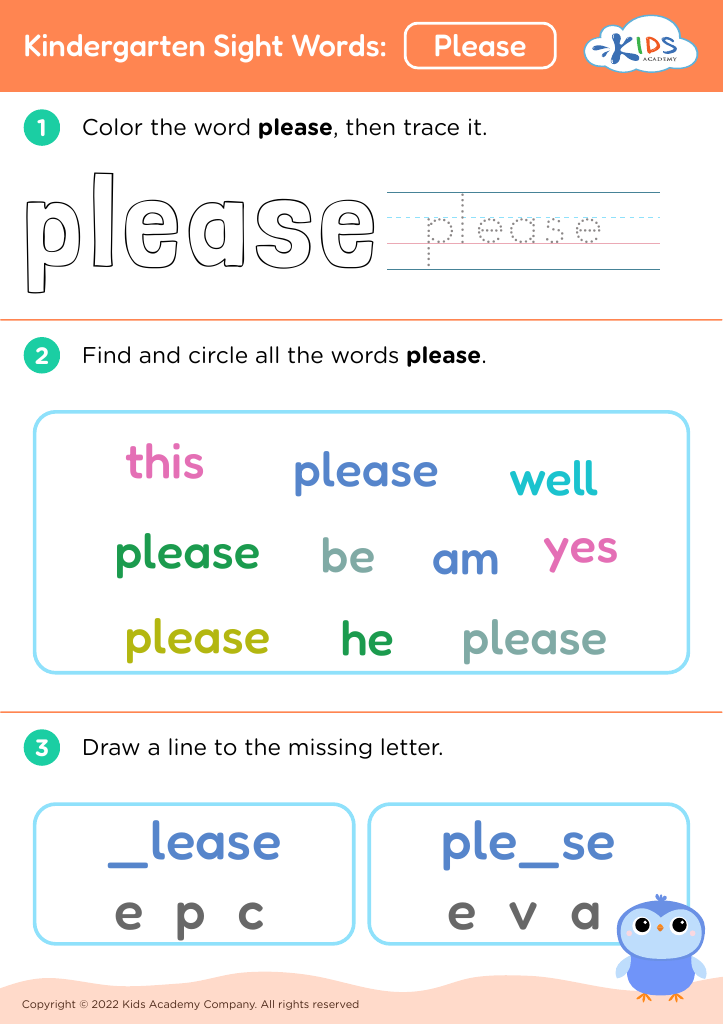
Find and Read: Like Worksheet
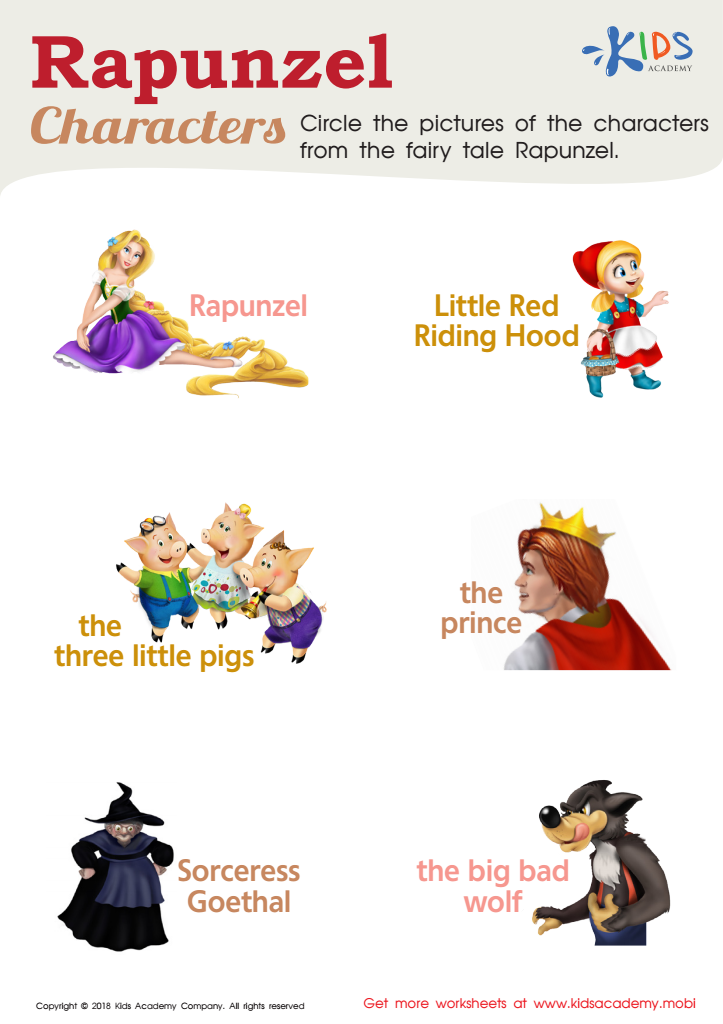
Rapunzel Characters Worksheet
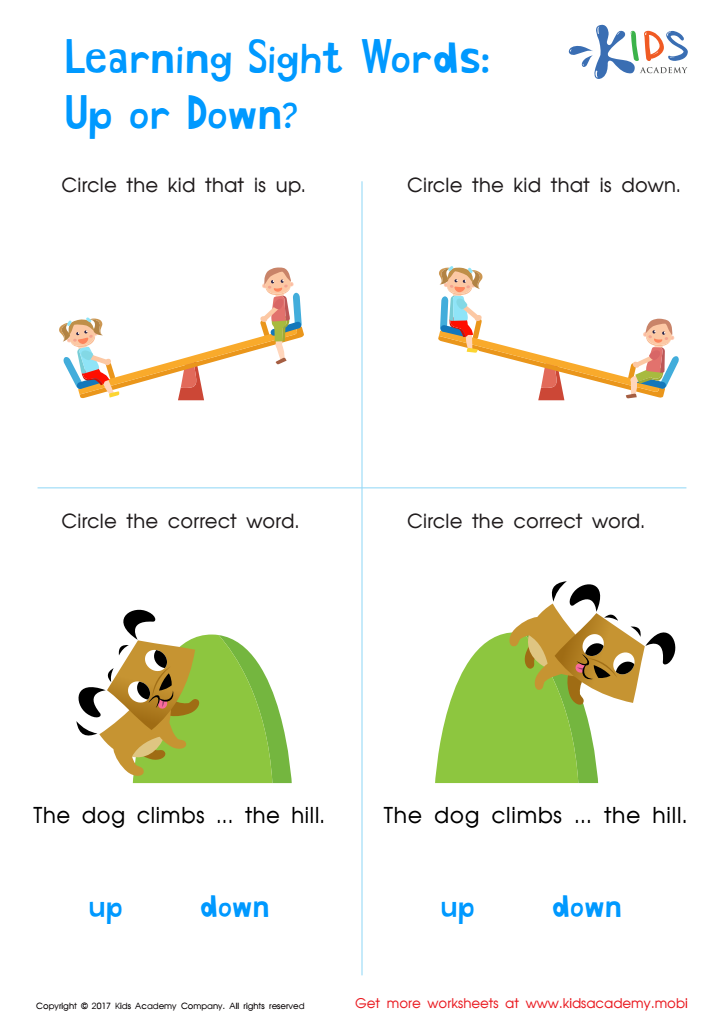
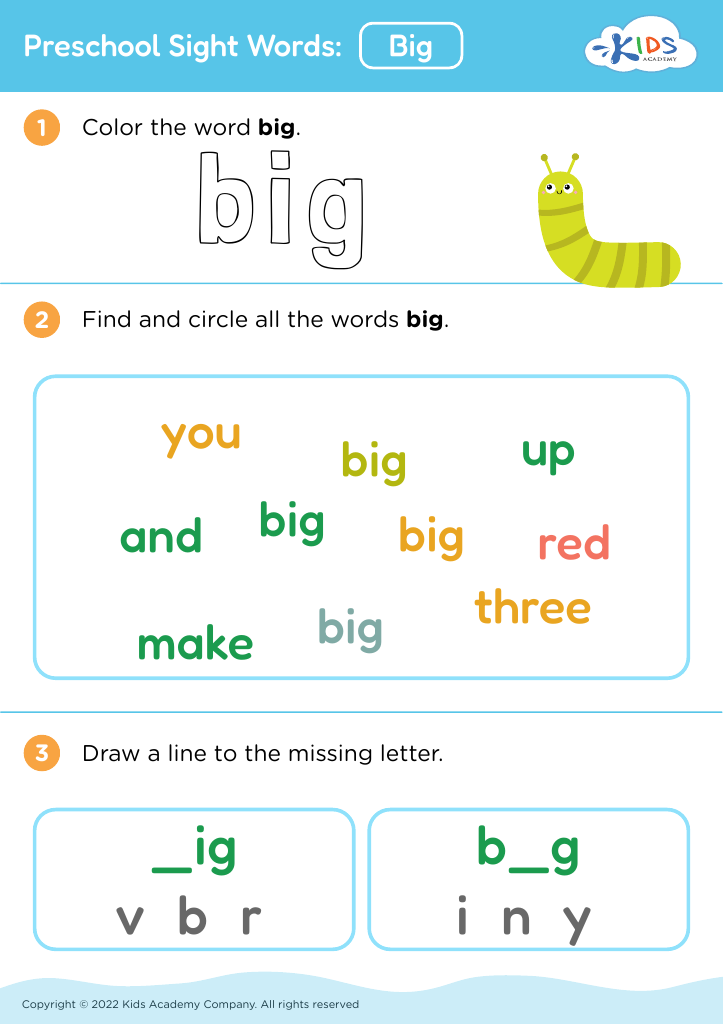
Up or Down Printable Sight Words Worksheet
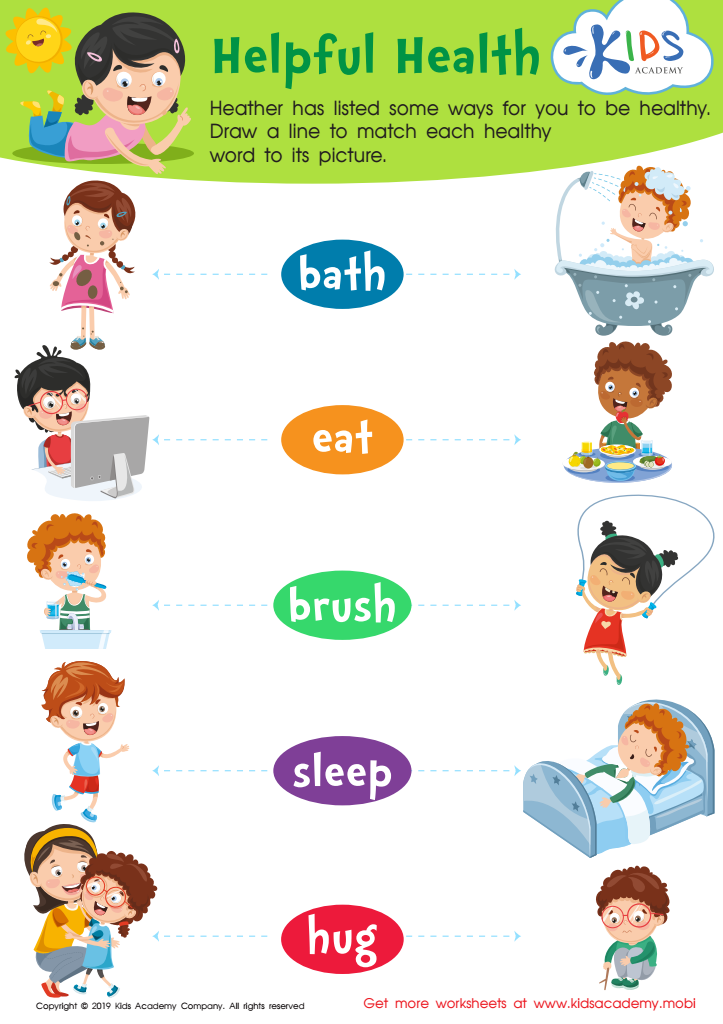
Helpful Health Worksheet
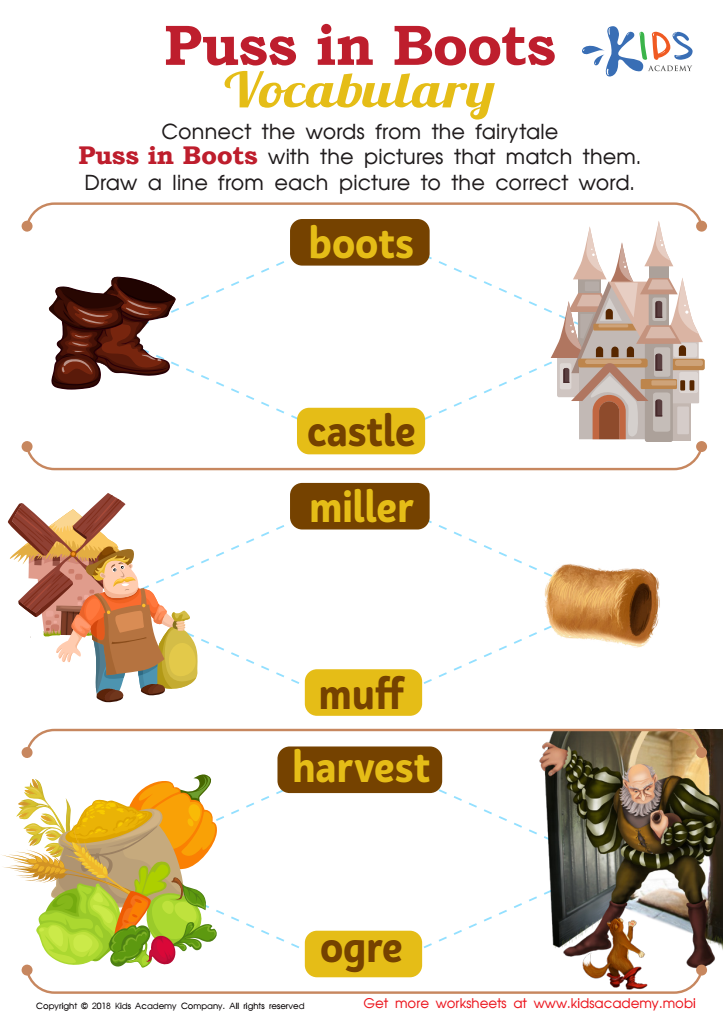
Puss in Boots Vocabulary Worksheet
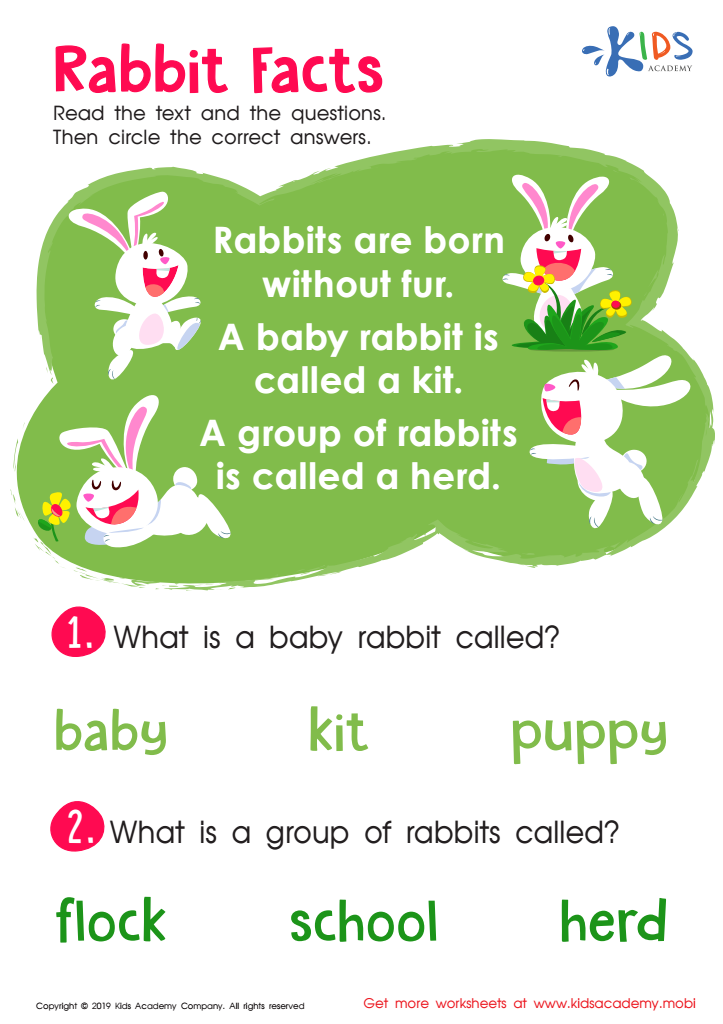
Rabbit Facts Worksheet
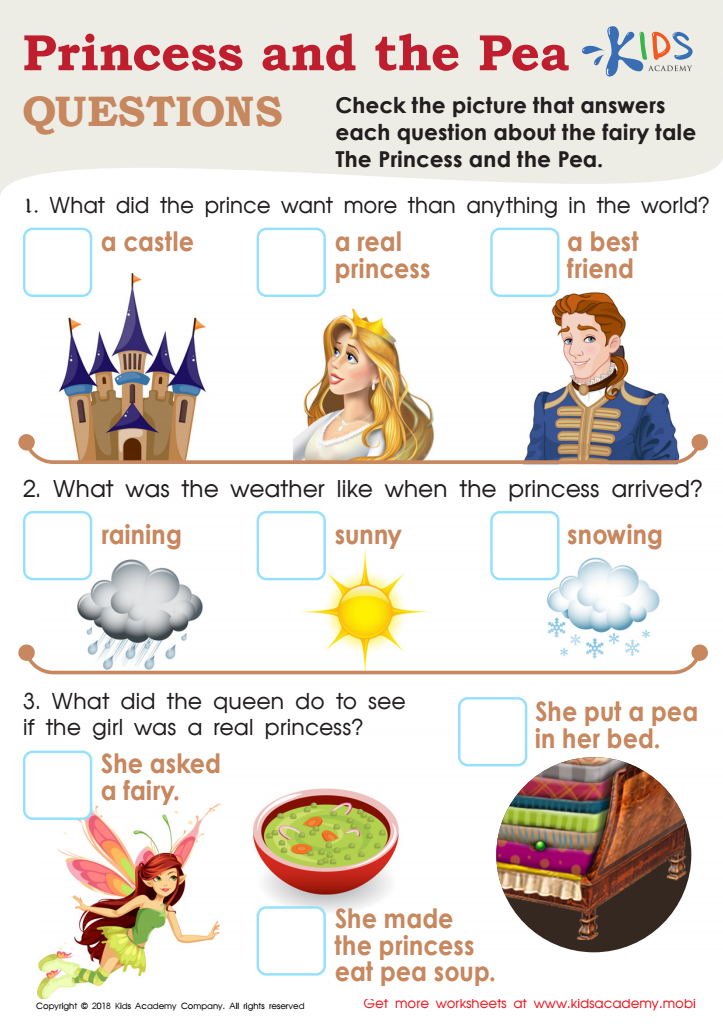
Princess and the Pea Questions Worksheet
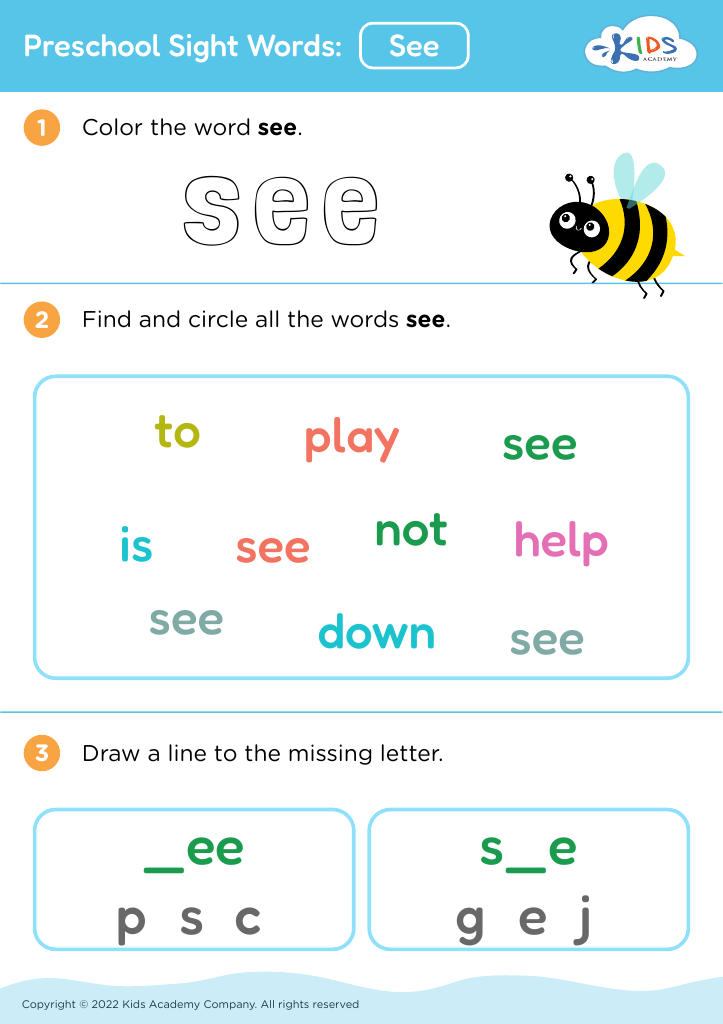
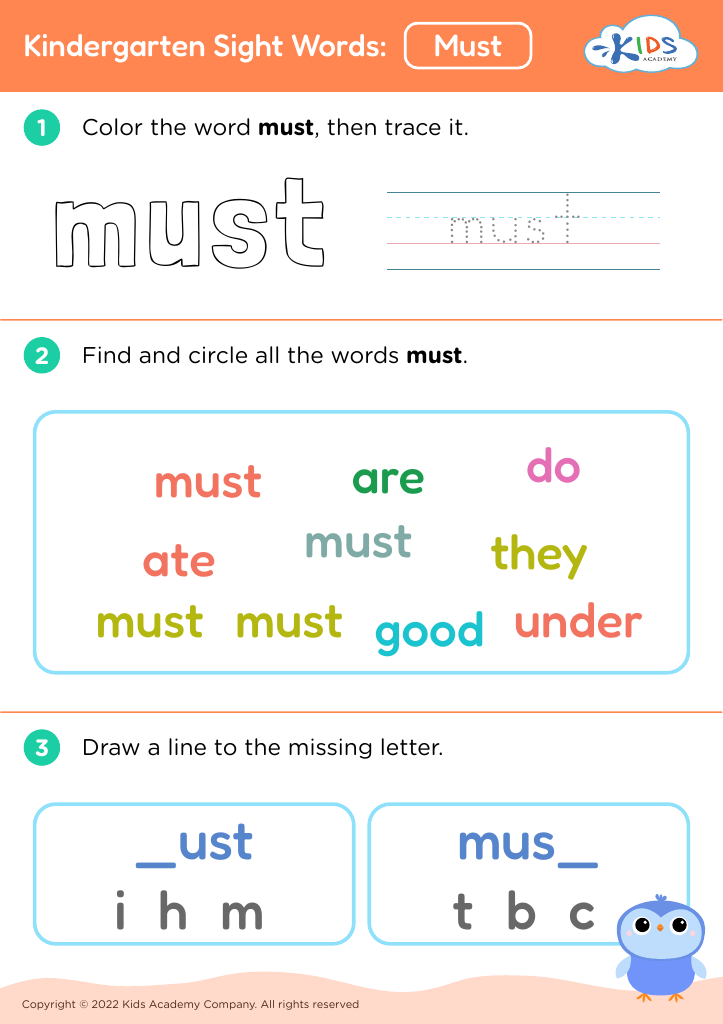


.jpg)



Building vocabulary and reading comprehension in children ages 4-6 is crucial for several reasons. Firstly, this age marks a critical period in language acquisition and cognitive development. Expanding vocabulary enhances children’s communication skills, enabling them to express their thoughts and feelings more effectively. When children learn new words, they also begin to understand concepts better, leading to improved comprehension of stories and information.
Moreover, reading comprehension lays the foundation for future academic success. Early comprehension skills help children to make connections, predictions, and inferences while reading, fostering a love for stories and learning. Engaging with diverse vocabulary exposes them to different perspectives and cultures, promoting empathy and understanding.
Parents and teachers play a vital role in this developmental stage. Providing rich language experiences—through reading aloud, storytelling, and interactive conversations—encourages curiosity and a love for learning. This investment in vocabulary development also supports essential skills in math and science subjects, as a robust vocabulary helps children grasp more complex ideas.
Ultimately, prioritizing reading comprehension and vocabulary building nurtures lifelong learners, shaping confident, articulate individuals who can navigate their educational journeys successfully and engage meaningfully with the world around them.








