Critical Thinking Reading Fiction Worksheets for Ages 4-6 - Page 2
34 filtered results
-
From - To
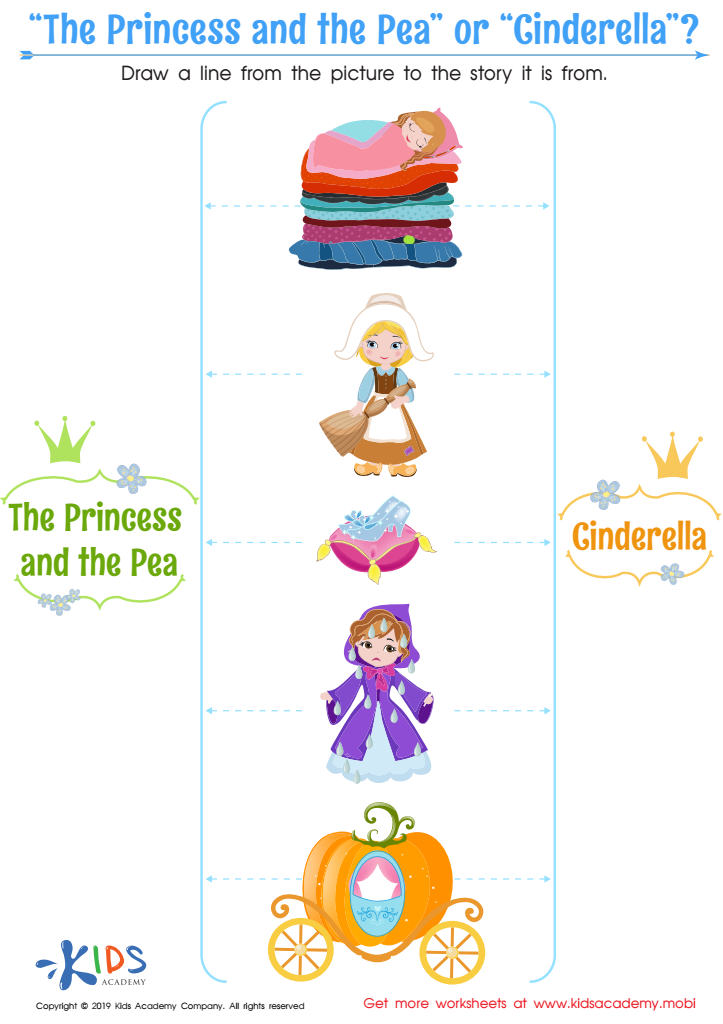
“The Princess and the Pea” or “Cinderella” Worksheet
 Assign to My Students
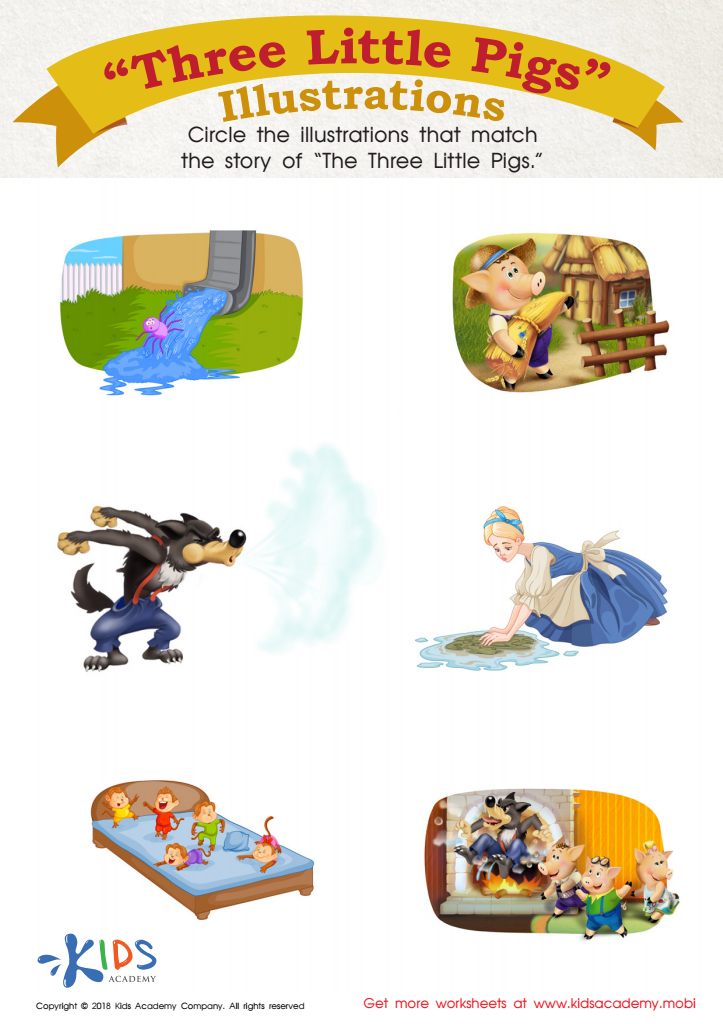
Three Little Pigs: Illustrations Worksheet
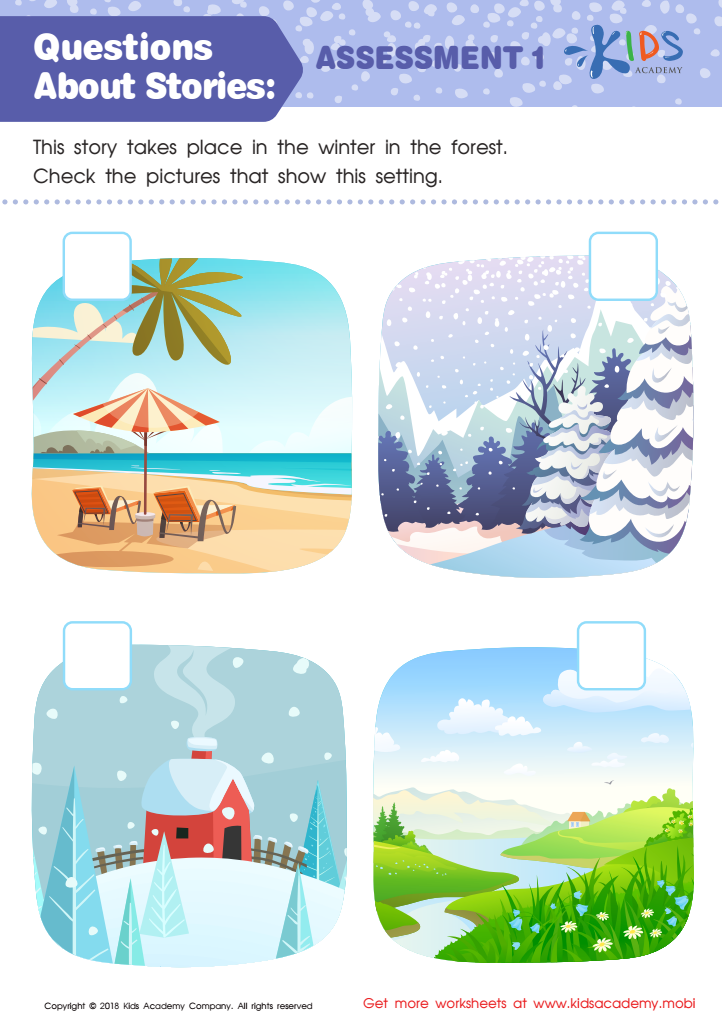
Questions About Stories: Assessment 1 Worksheet
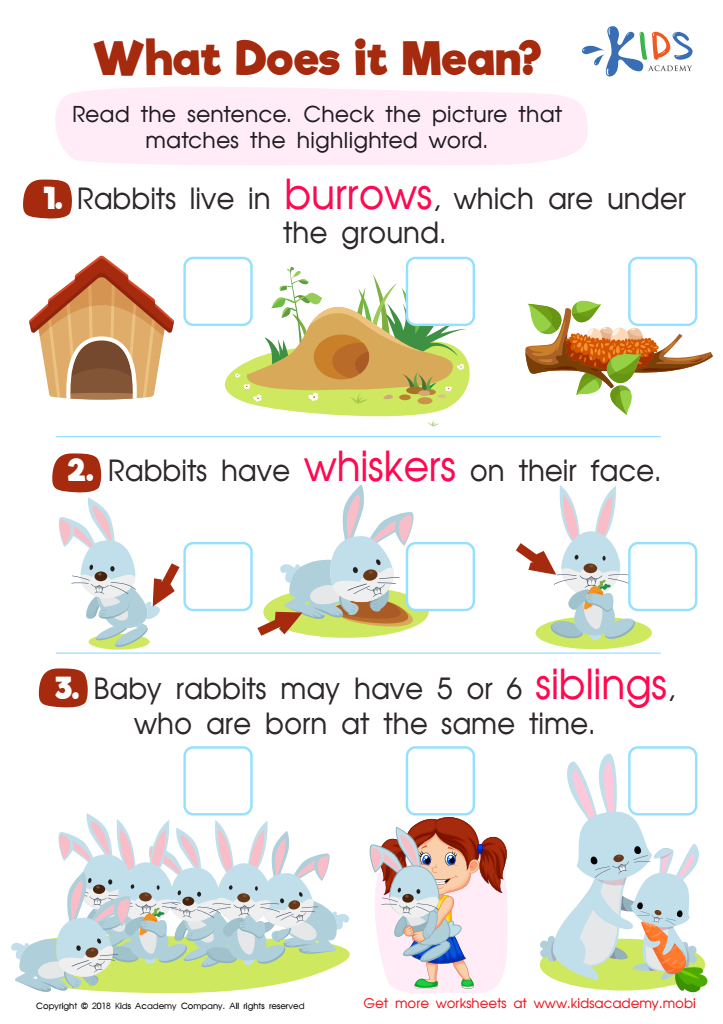
What Does It Mean? Worksheet
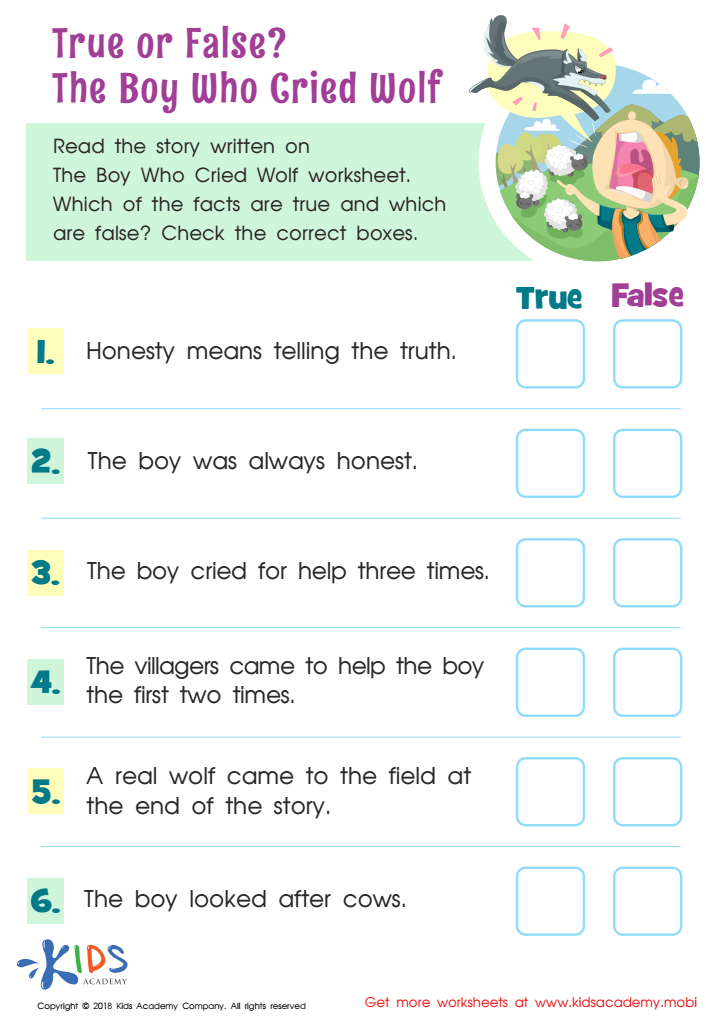
True or False? The Boy Who Cried Wolf Worksheet
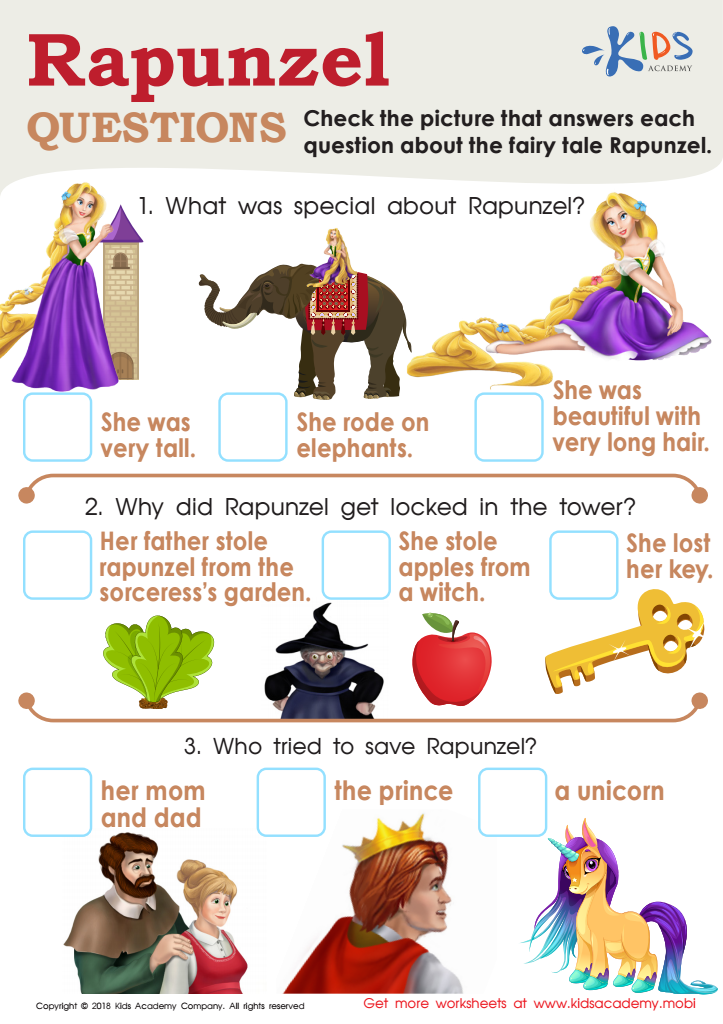
Rapunzel Questions Worksheet
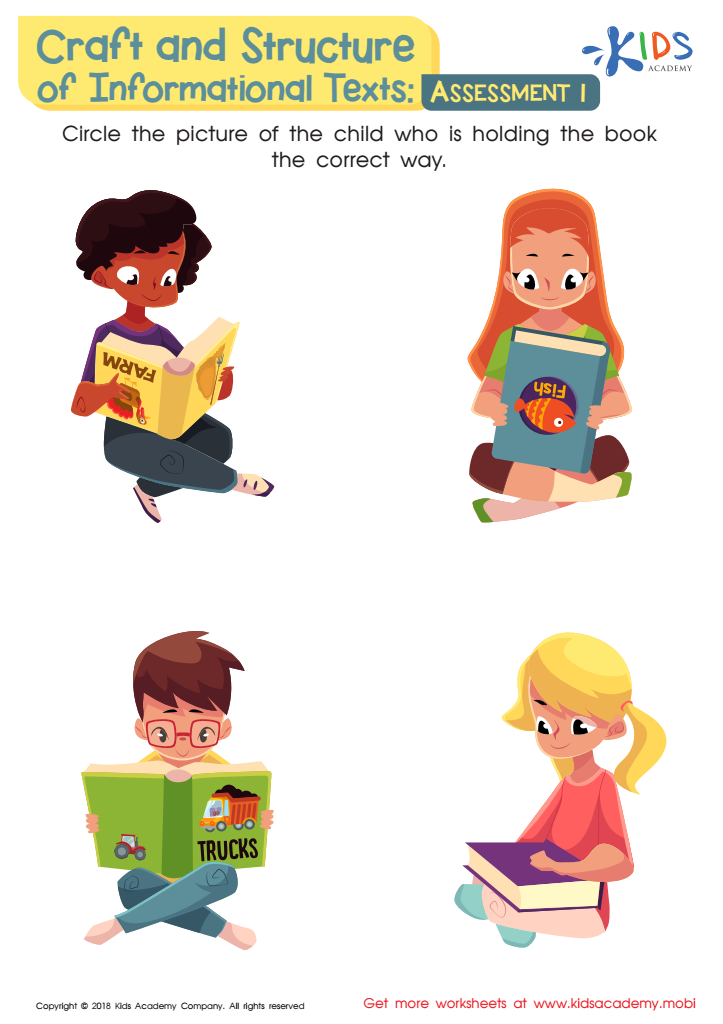
Craft and Structure of Informational Texts: Assessment 1 Worksheet
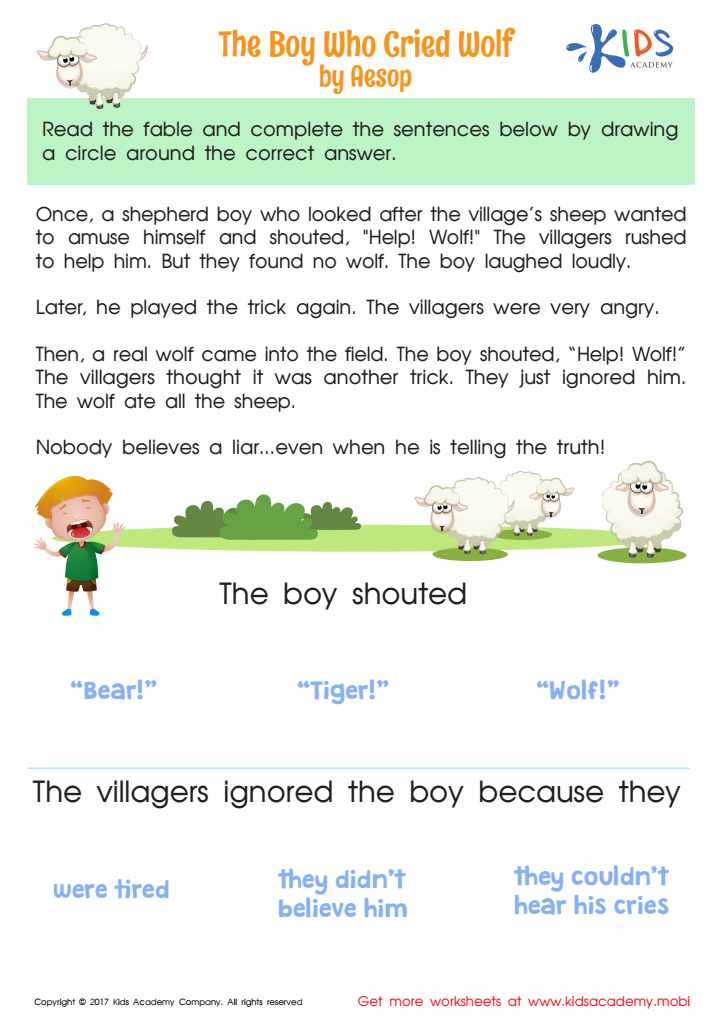
The Boy Who Cried Wolf Worksheet
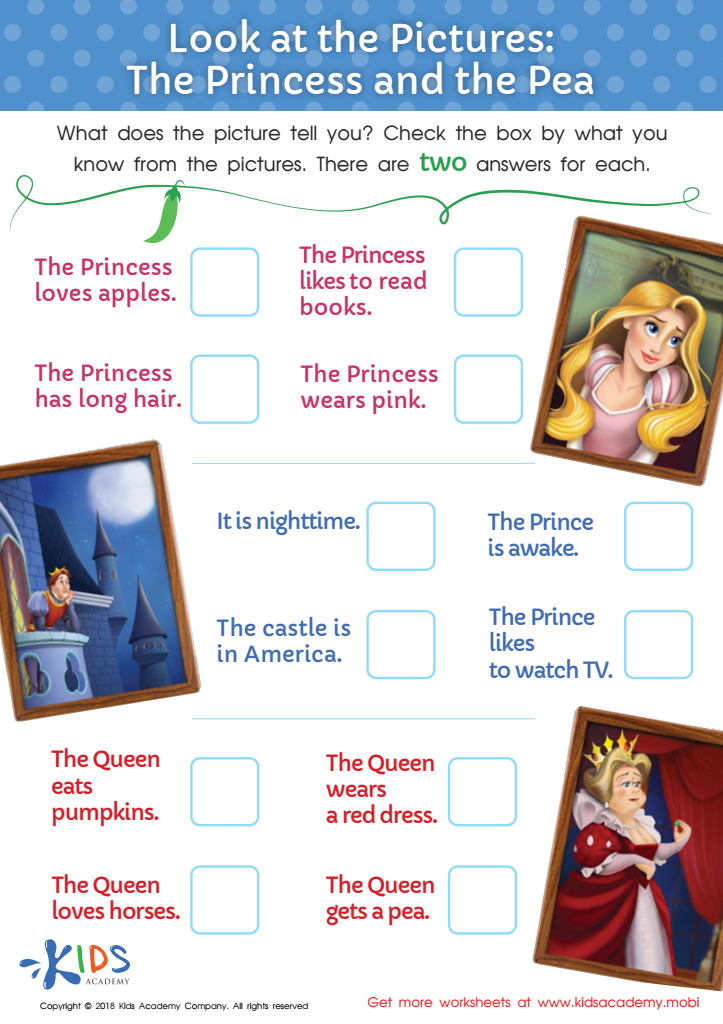
Look at the Pictures: The Princess and the Pea Worksheet
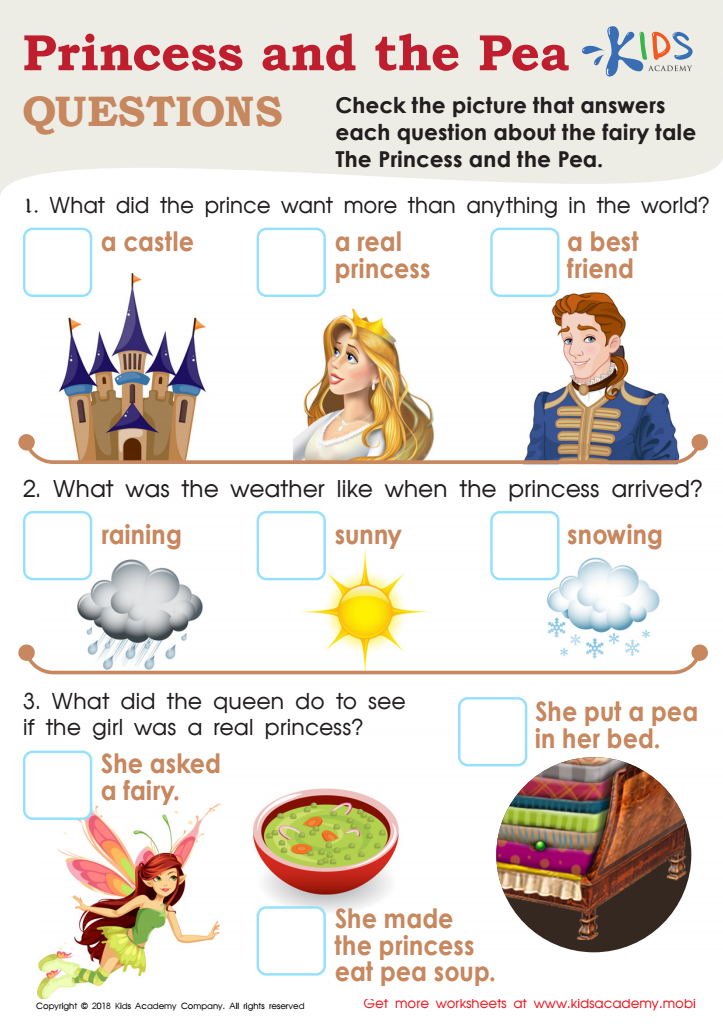
Princess and the Pea Questions Worksheet







Critical thinking in reading fiction is crucial for children aged 4-6 as it lays the foundation for cognitive development and lifelong learning. This age marks a significant period of growth, where imaginative and analytical skills begin to take shape. Encouraging critical thinking through fiction helps young readers to engage with stories beyond mere consumption.
When children analyze characters, predict outcomes, and discuss themes, they are not just enhancing their comprehension skills; they are also cultivating their ability to question, infer, and empathize. This process fosters creativity and problem-solving abilities, enabling them to approach complex real-world situations with confidence.
Moreover, stories often present moral dilemmas and various perspectives that enrich children’s understanding of the world. Thinking critically about what they read encourages children to develop their unique viewpoints and understand social dynamics, promoting emotional intelligence.
For parents and teachers, nurturing critical thinking in reading fiction provides an interactive way to bond with children and instill a love of reading at an early age. Engaging children’s minds in this manner ultimately prepares them for academic success and helps build the essential skills they need for future challenges. In short, critical thinking through reading is a pathway for holistic development.








