Following instructions Sight Words Worksheets for Ages 4-6
5 filtered results
-
From - To
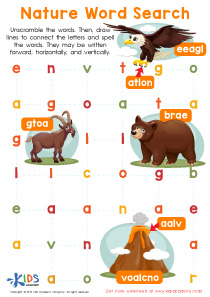
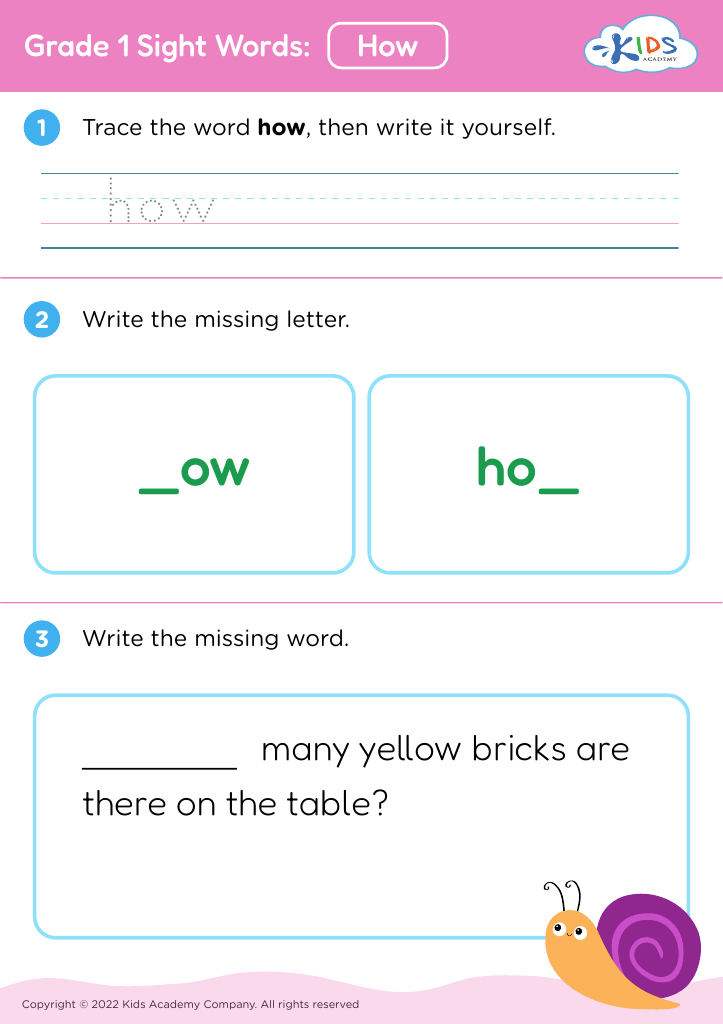
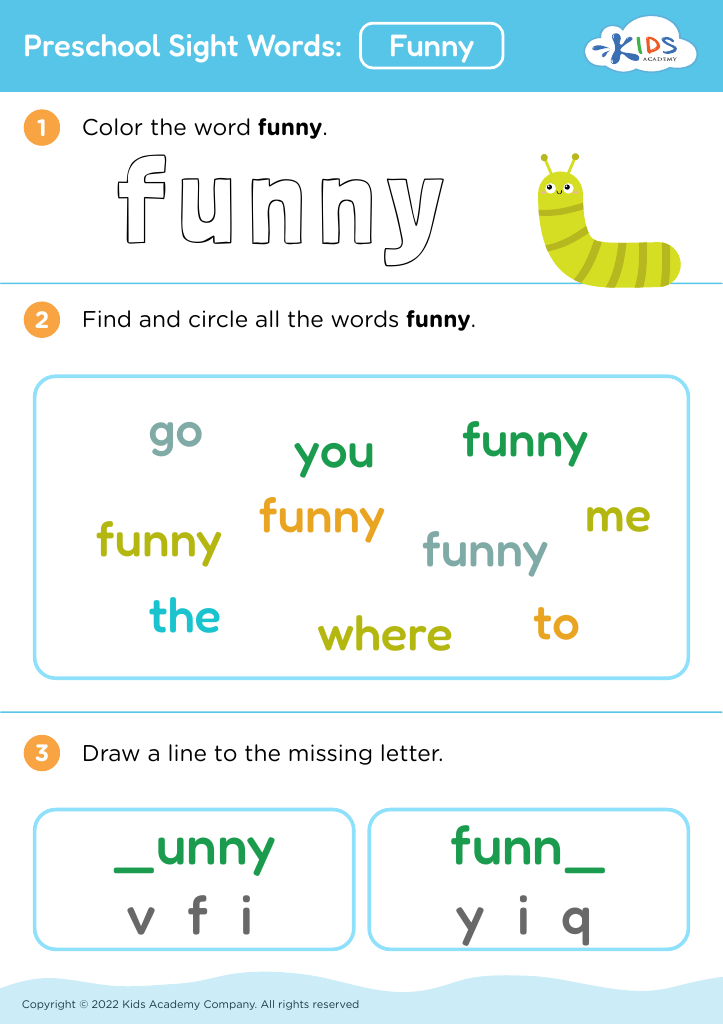
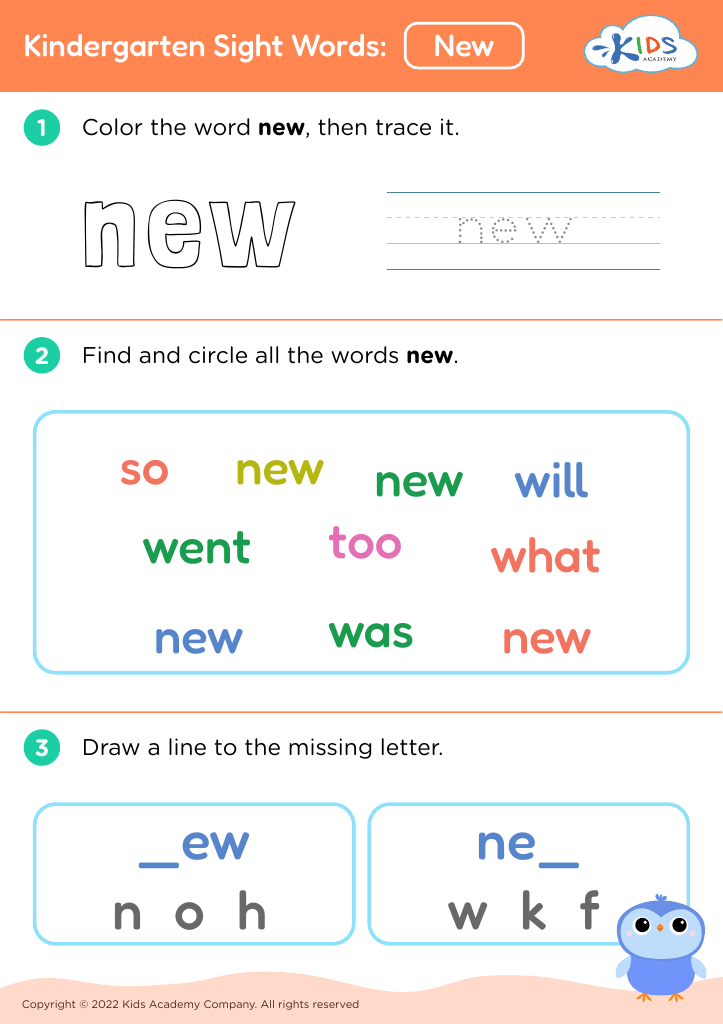
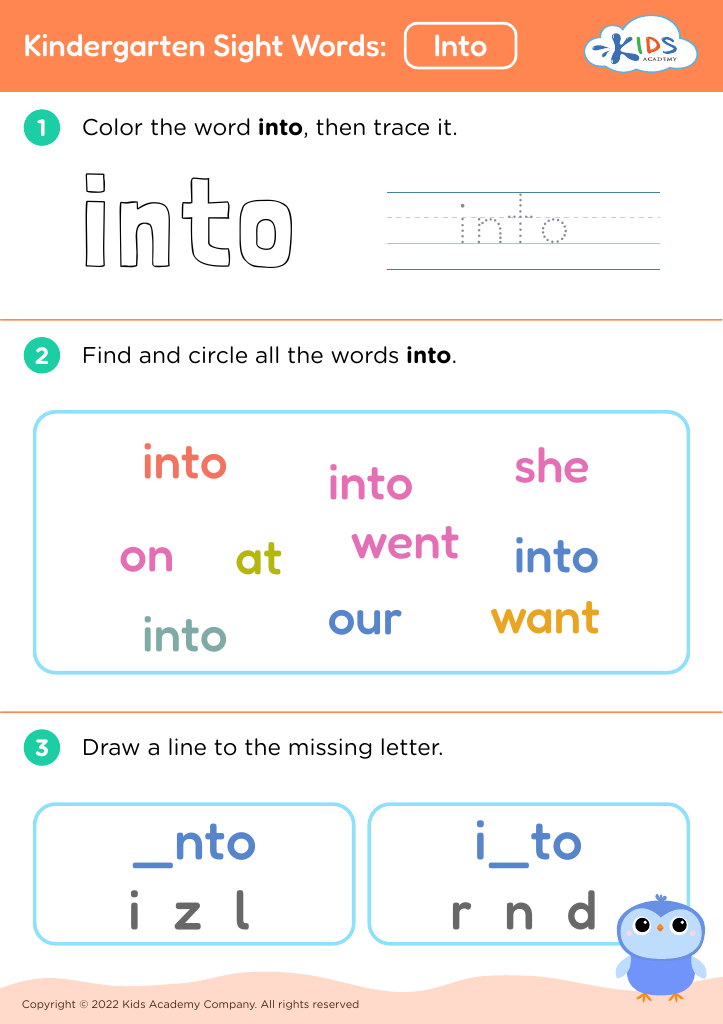
Explore our "Following Instructions Sight Words Worksheets" designed for children aged 4-6! These engaging worksheets help young learners enhance their reading skills while mastering essential sight words. Each activity focuses on listening and following directions, providing a fun way to develop comprehension and critical thinking. Designed with colorful illustrations and age-appropriate tasks, these worksheets encourage independent learning and boost confidence. Ideal for preschool and kindergarten educators, as well as parents looking to support their child's literacy journey at home. Download our free worksheets today, and make learning exciting and accessible for your little ones!






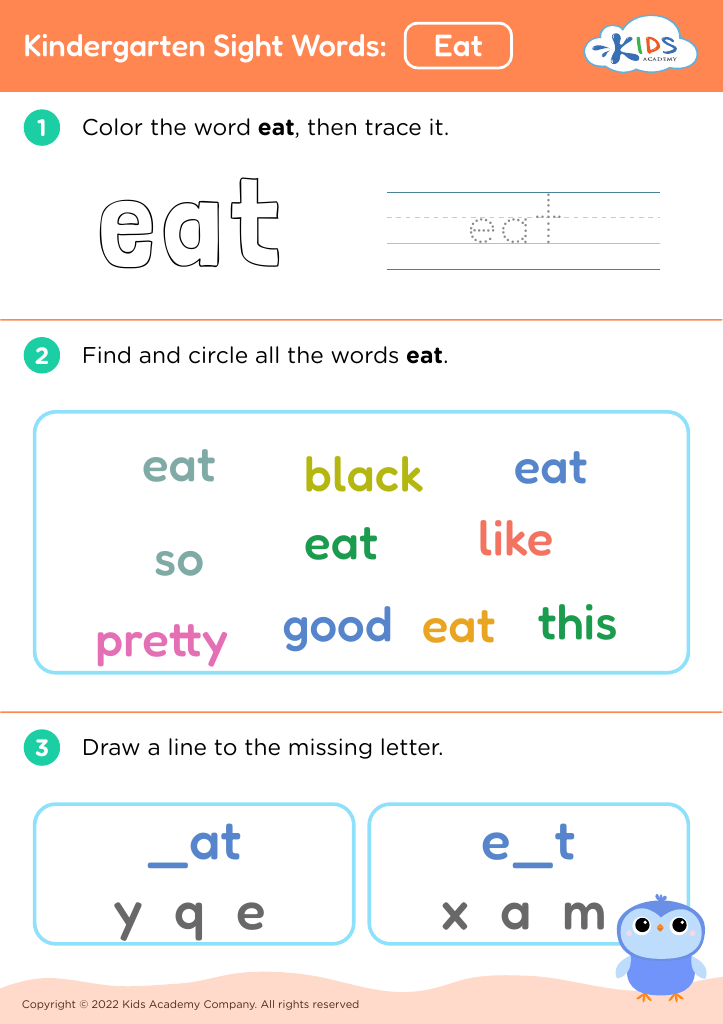








Following instructions and mastering sight words are crucial for early literacy development in children aged 4-6. At this stage, children are beginning to form the foundation for reading and writing, key skills that help them communicate effectively and succeed academically. Sight words—common words that children should recognize instantly—help them to read fluently and gain confidence in their reading abilities.
Parents and teachers play a vital role in guiding children in the mastery of these sight words. Consistent practice can enhance a child’s vocabulary and overall language comprehension. Moreover, following instructions helps improve listening skills and promotes attention span. Children learn to process information and express themselves as they gain confidence in their abilities to execute tasks.
Furthermore, well-developed instruction-following skills lead to better classroom behavior and discipline. It teaches children the importance of being attentive and responsive, preparing them for more complex learning scenarios in the future. As they learn to understand and use instructions through various activities and games, children not only increase their cognitive skills but also enhance their social development. Engaging parents and teachers in this journey ensures that children receive the support they need for successful literacy and lifelong learning.