Identifying shapes Sight Words Worksheets for Ages 4-6
7 filtered results
-
From - To
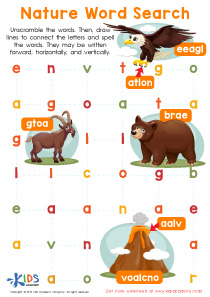
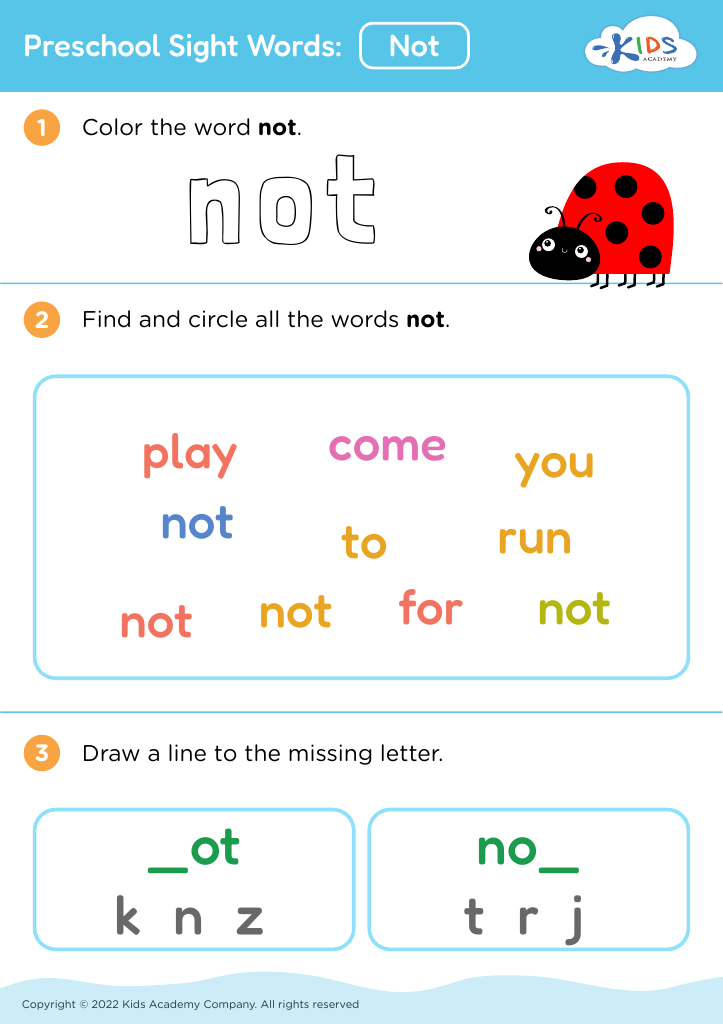
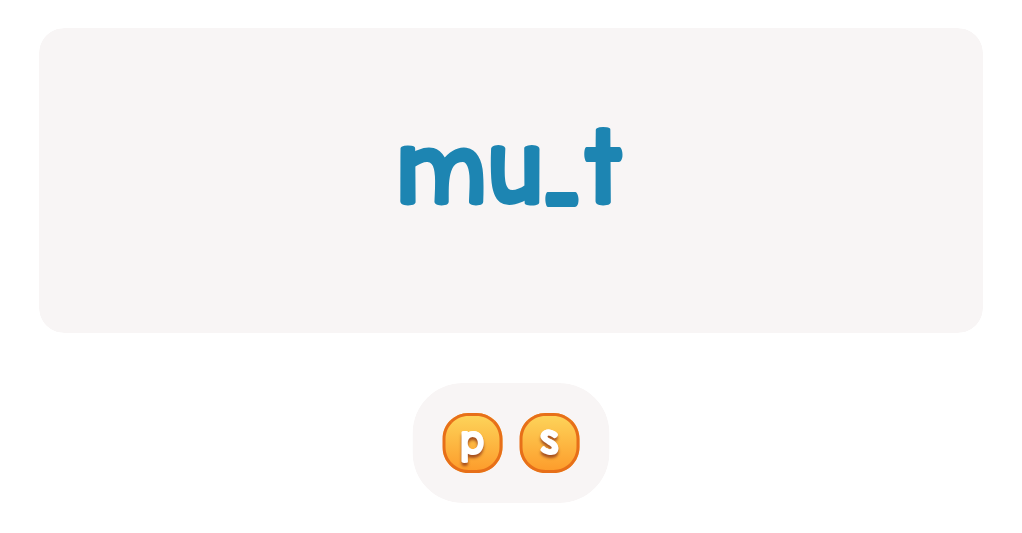
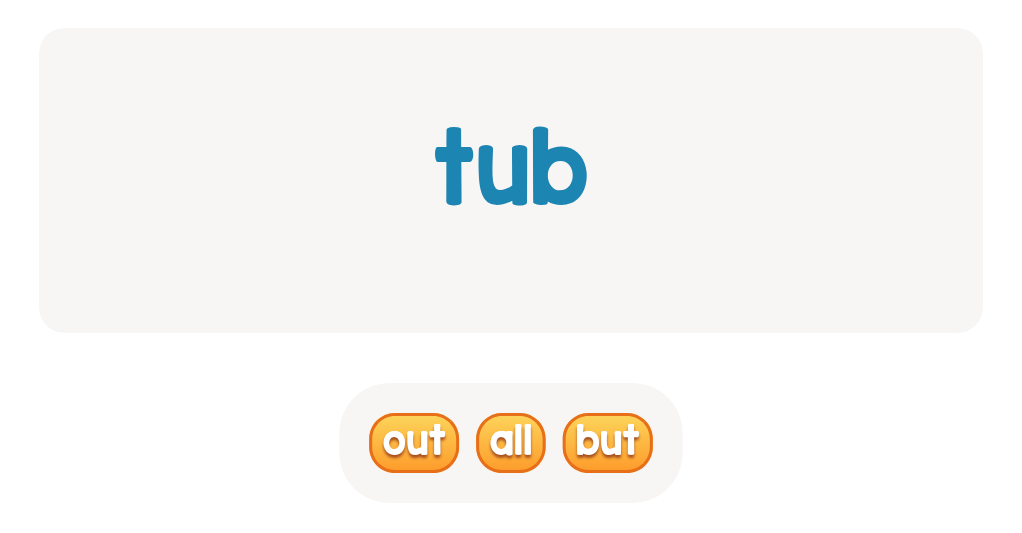
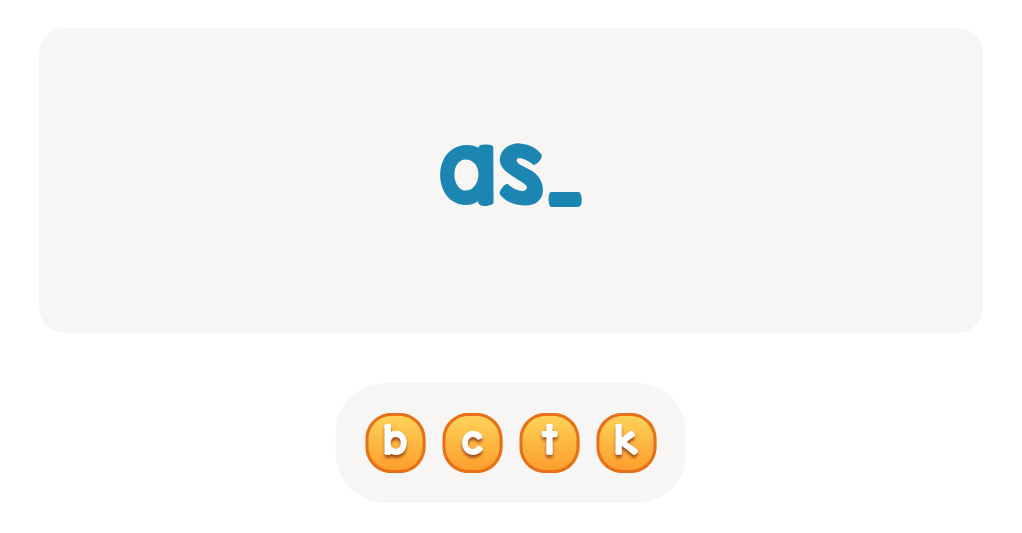
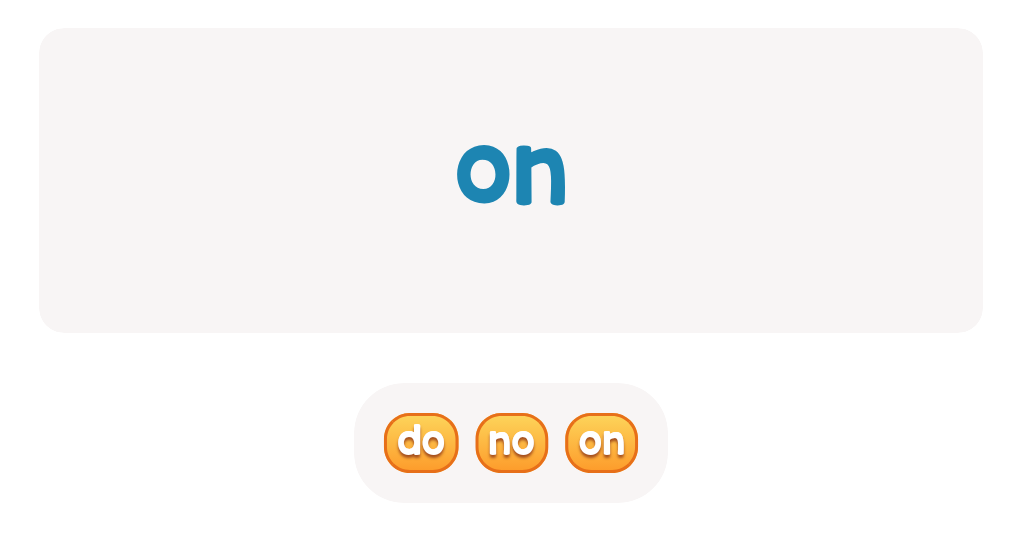
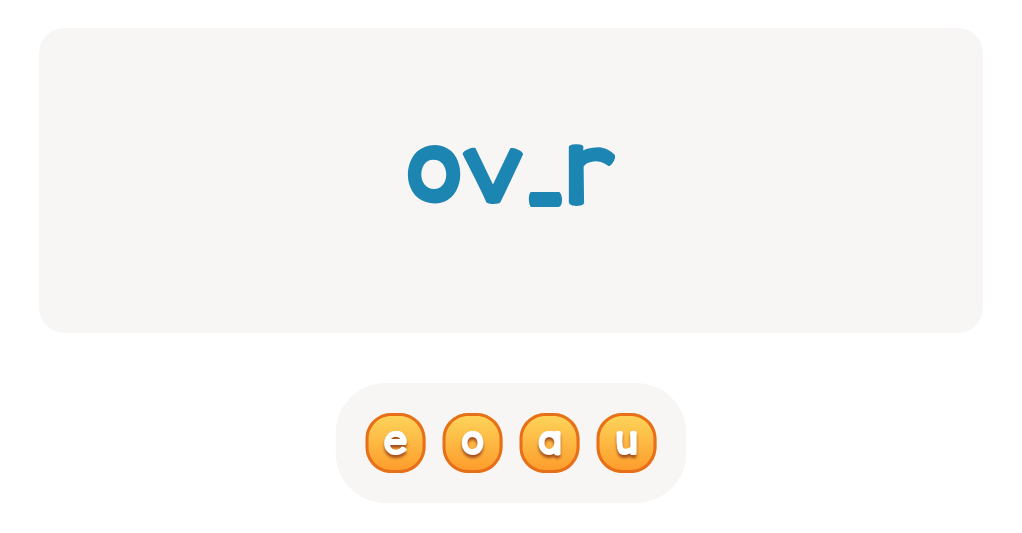
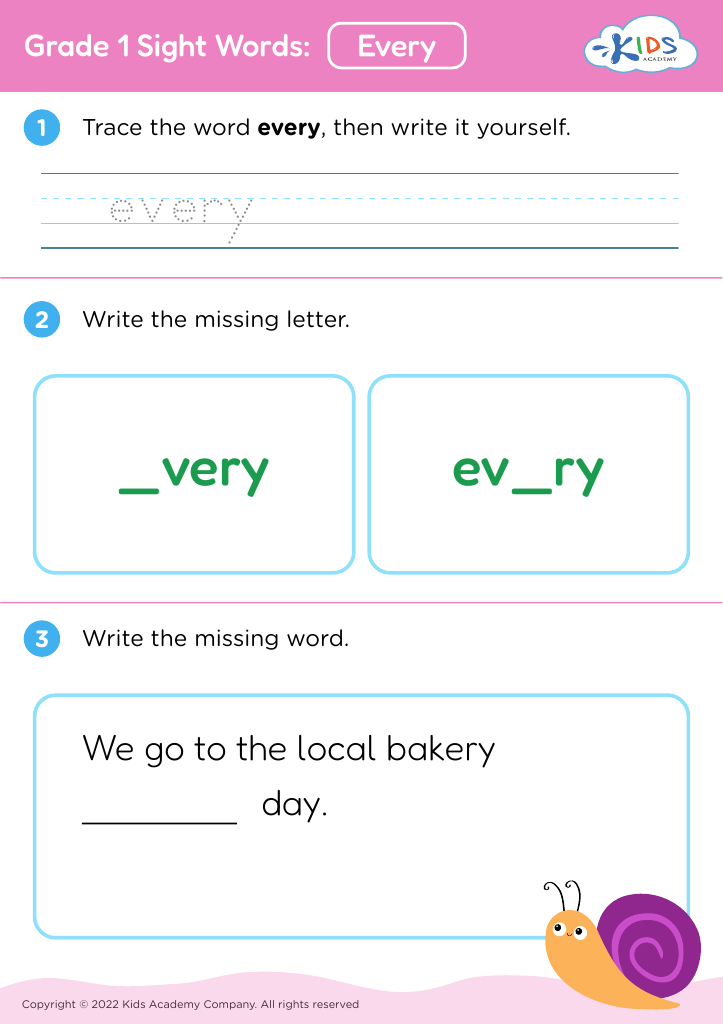
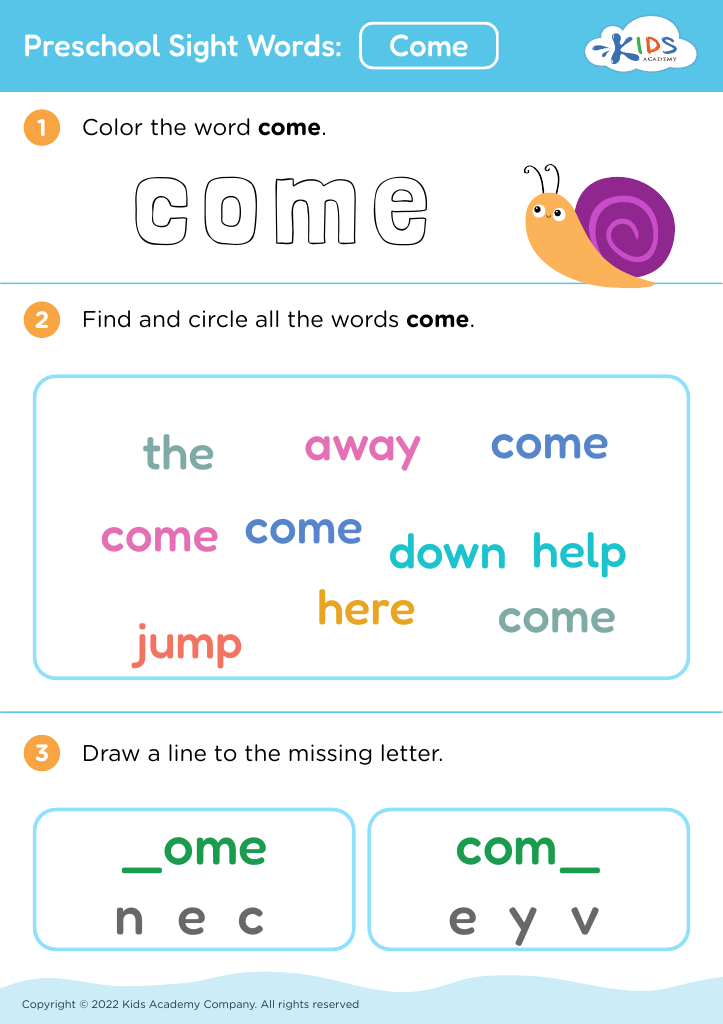
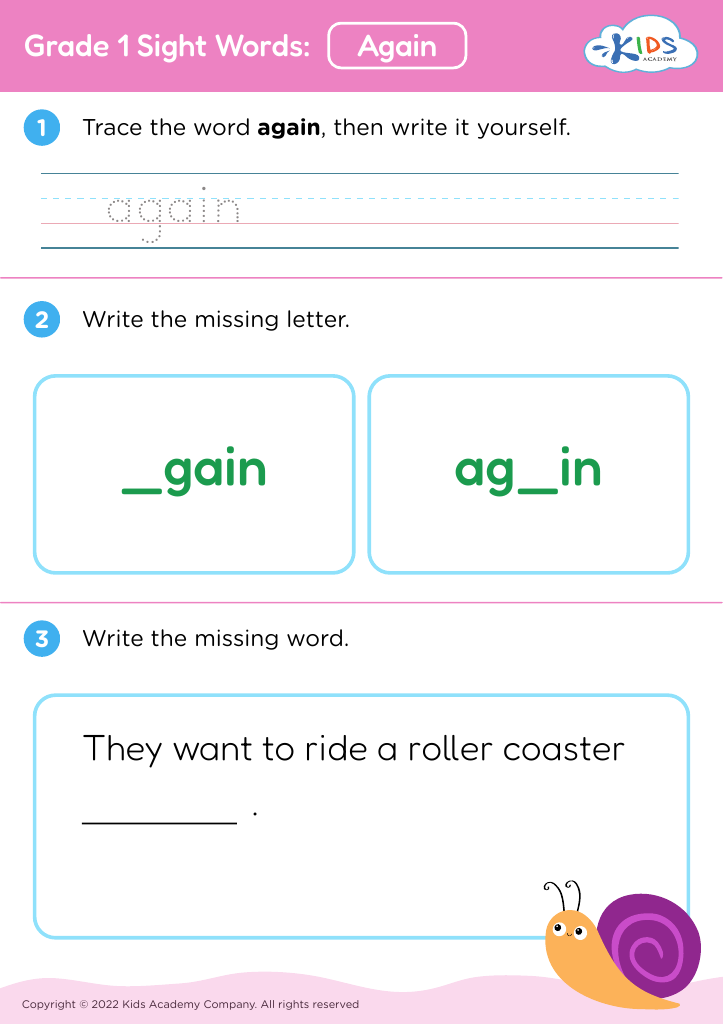
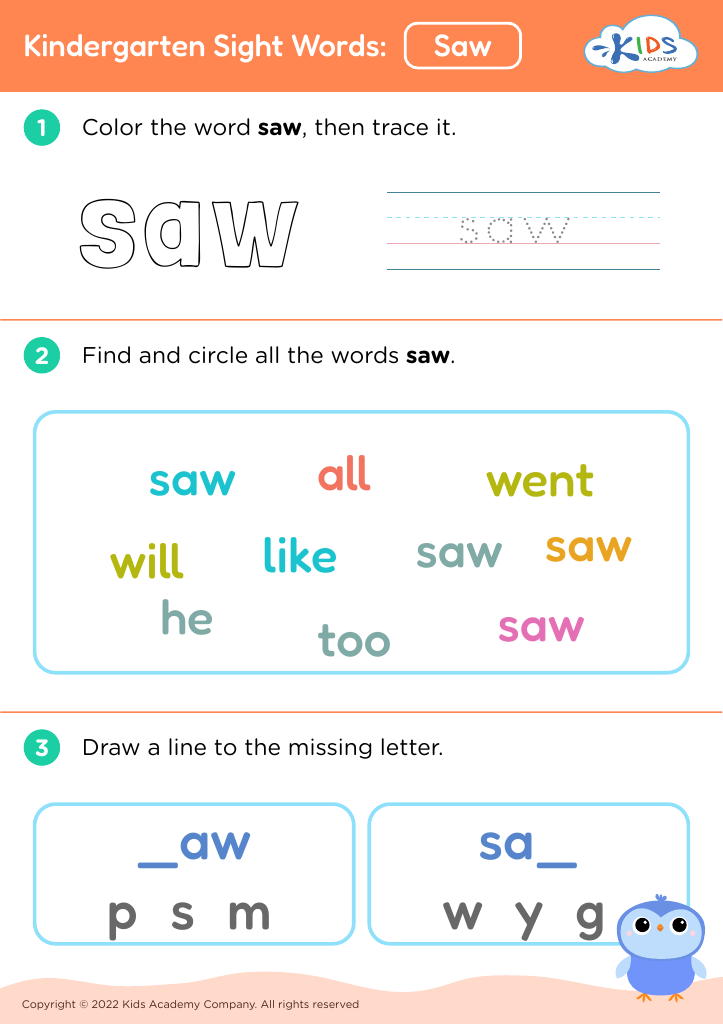
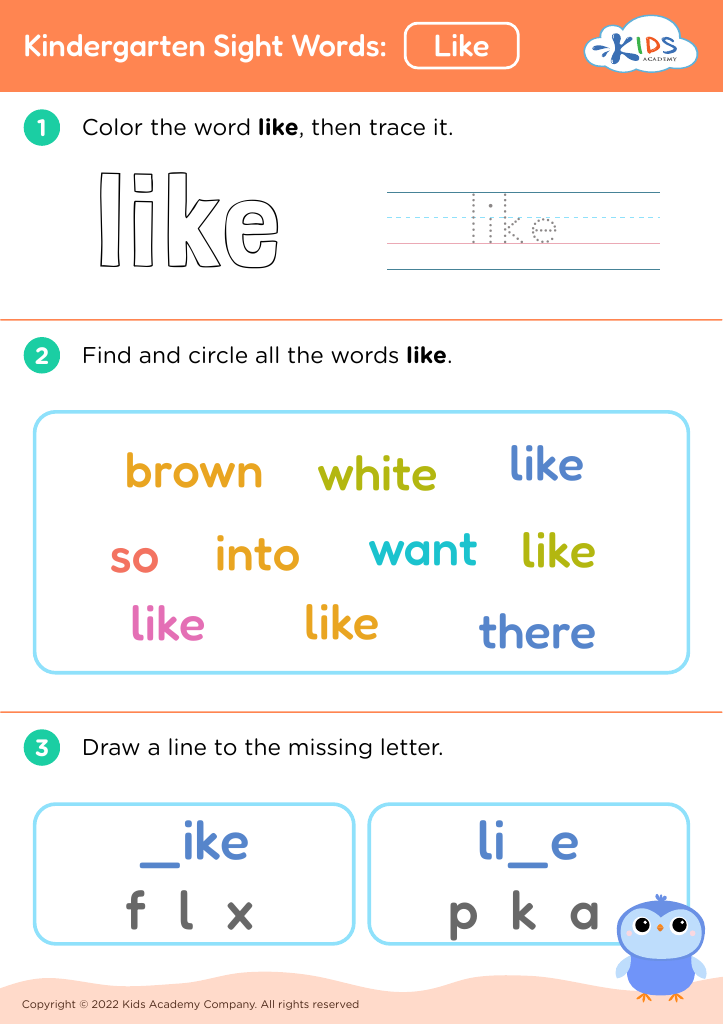
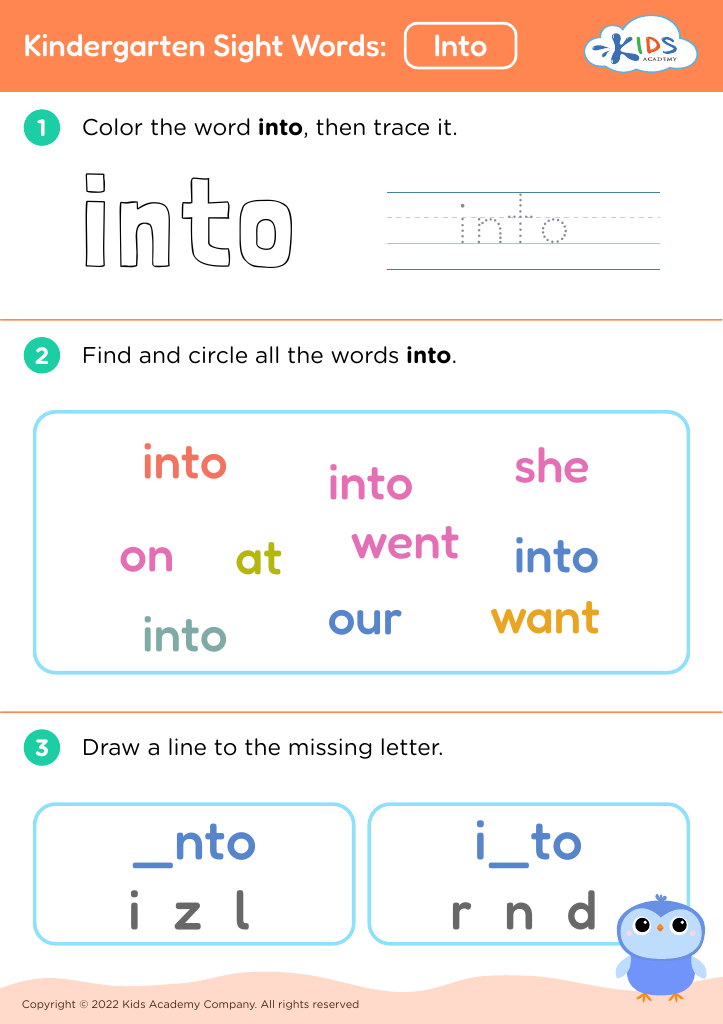
Boost early reading and math skills with our "Identifying Shapes Sight Words Worksheets for Ages 4-6." Designed to engage young learners, these fun and educational worksheets combine sight words practice with shape recognition activities. Kids will not only learn key sight words crucial for early reading development, but also enhance their understanding of basic geometric shapes. Ideal for preschool and kindergarten, our carefully crafted worksheets provide a comprehensive approach to intertwining literacy with math skills, making learning enjoyable and effective. Download now to help your child build confidence and a strong educational foundation.







.jpg)


Identifying shapes and sight words are foundational skills critical to the cognitive and academic development of children aged 4-6. Understanding basic shapes fosters early mathematical thinking and spatial awareness, essential for grasping more advanced math concepts later. For instance, recognizing shapes aids in learning geometry and enhances problem-solving skills by allowing children to categorize and compare objects. Shapes also serve as visual building blocks for letter and number recognition.
Sight words, on the other hand, are high-frequency words children encounter regularly, like "the," "is," or "and." Mastery of sight words significantly enhances early reading skills, leading to improved reading fluency and comprehension. When children recognize these words effortlessly, they can focus on decoding more complex words and understanding the text, fostering a love for reading. This early boost in literacy sets a strong foundation for academic success across all subjects, as reading skills are integral to learning.
By paying attention to these foundational skills, parents and teachers can provide targeted support and create engaging learning environments that promote active participation. Activities like shape-sorting games or flashcards for sight words make learning enjoyable and ensure children are well-prepared for the structured learning they will encounter in school. This early intervention sets up a trajectory for continued academic achievement and lifelong learning.