Number Recognition Sight Words Worksheets for Ages 4-6
16 filtered results
Difficulty Level
Grade
Age
-
From - To
Subject
Activity
Standards
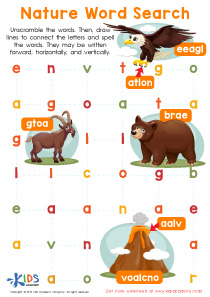
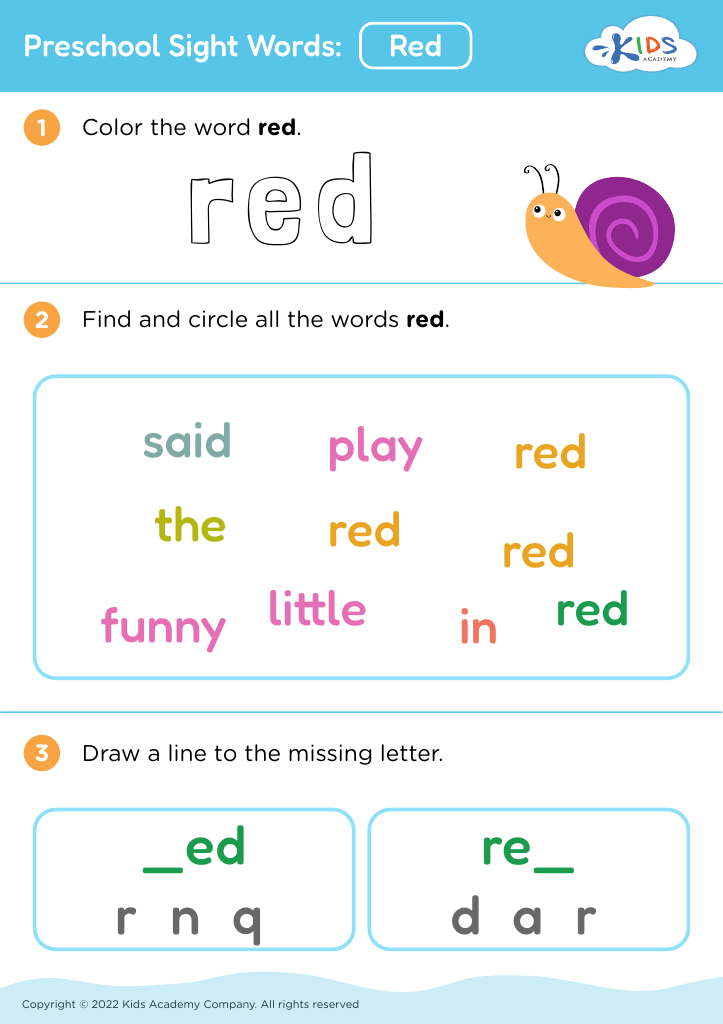
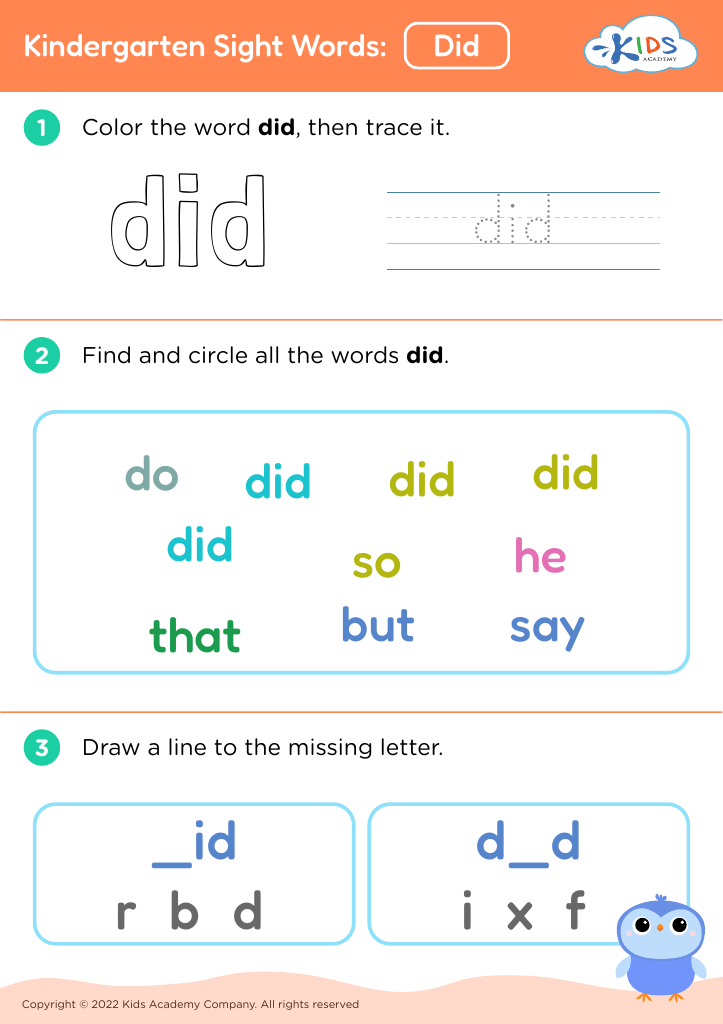
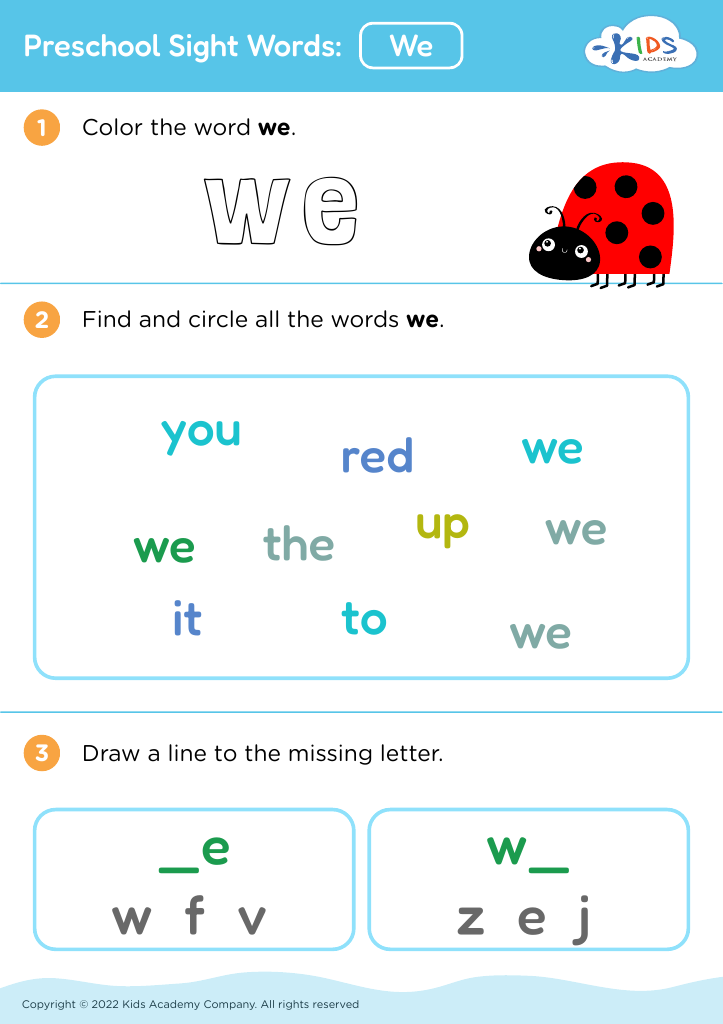
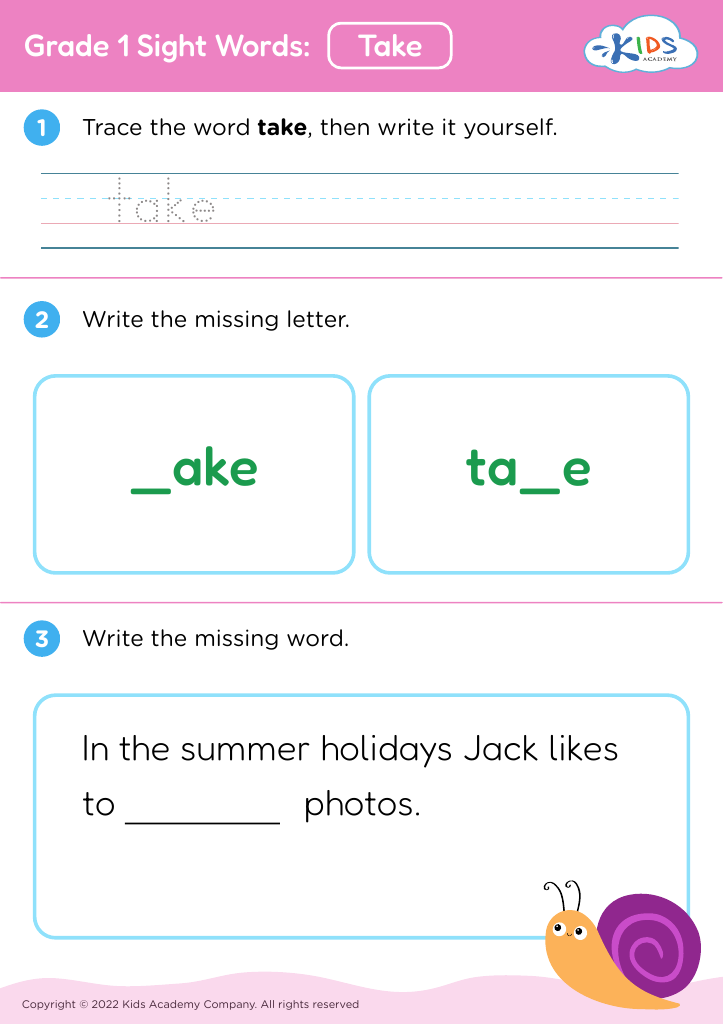
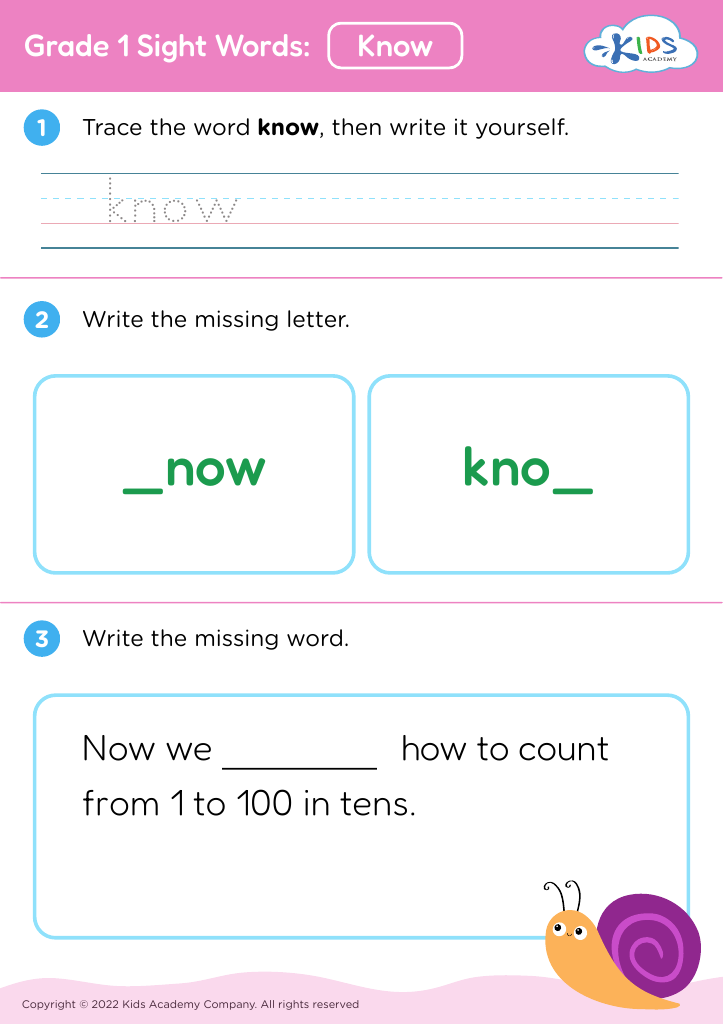
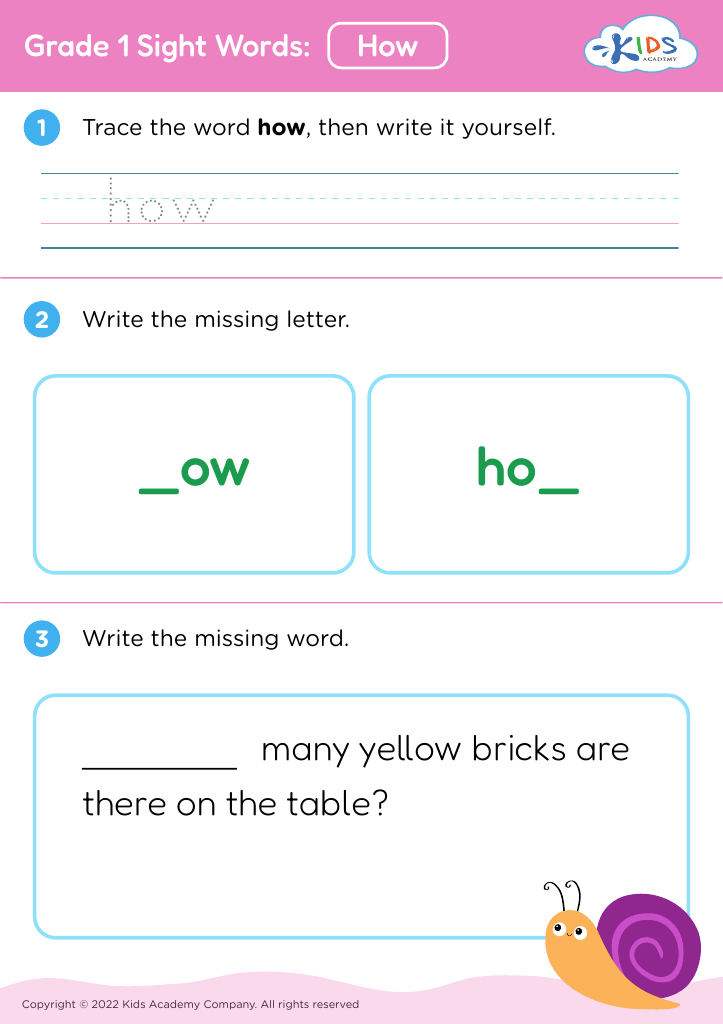
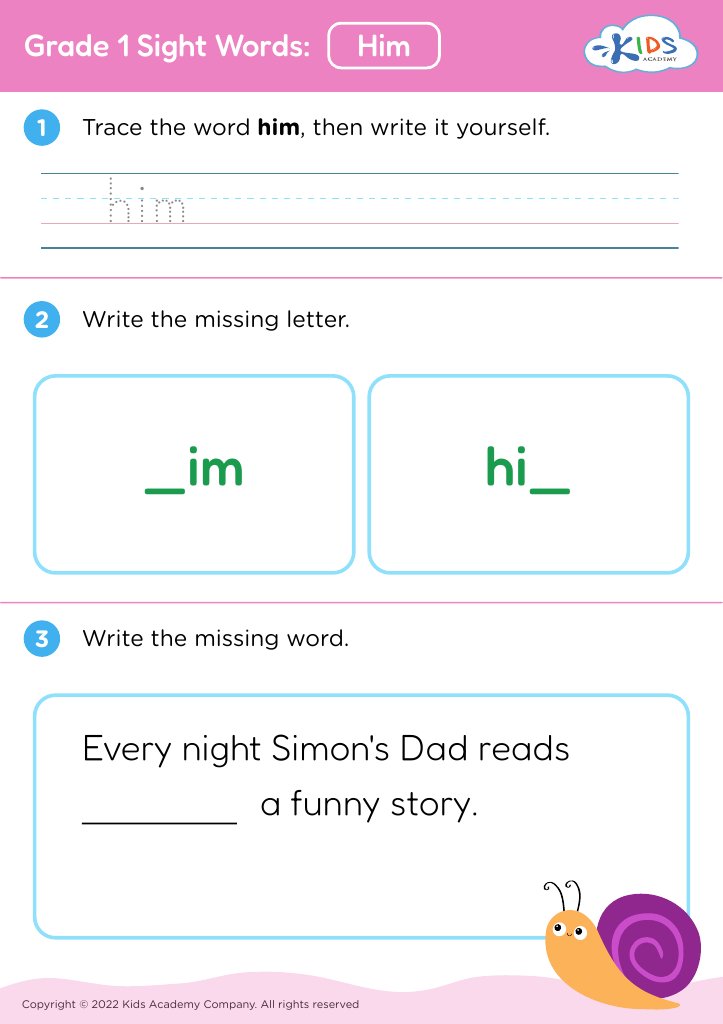
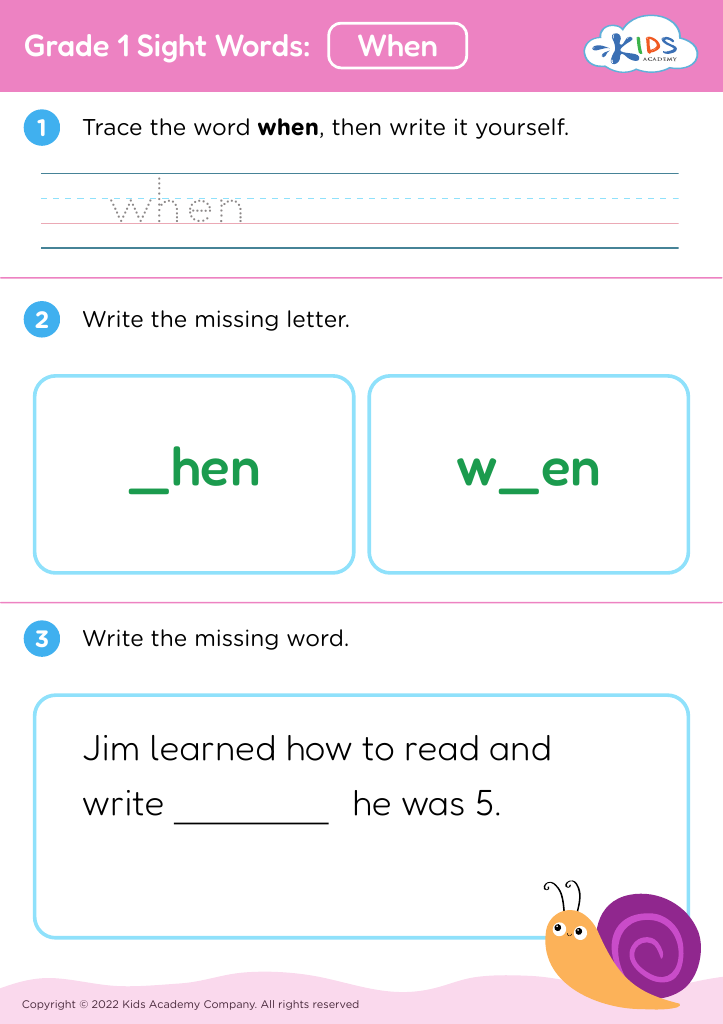
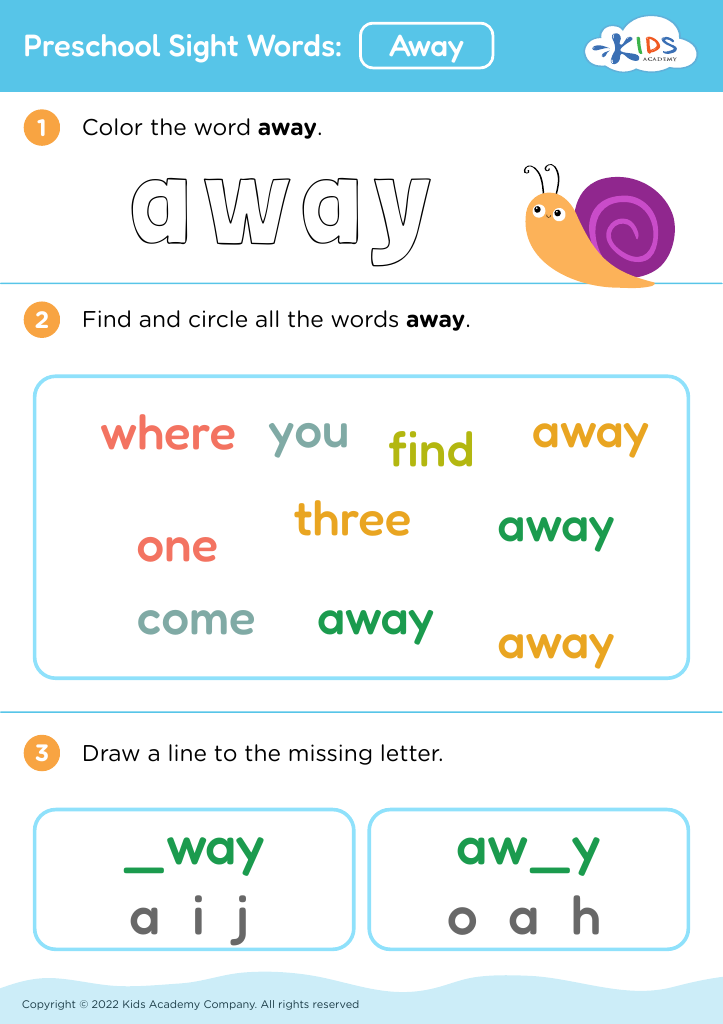
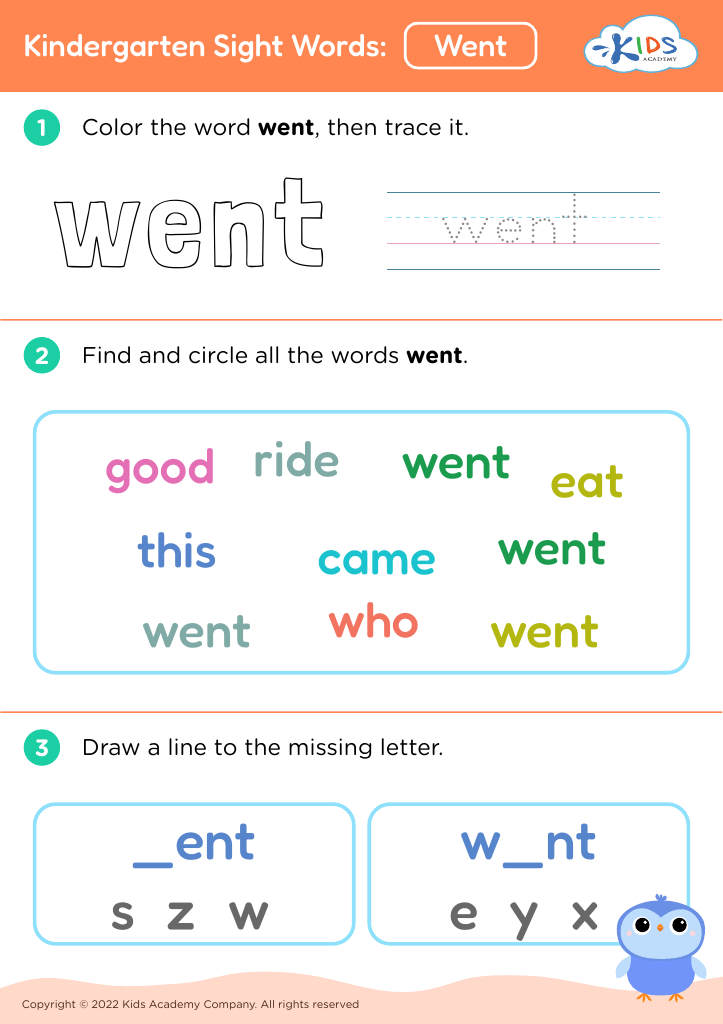
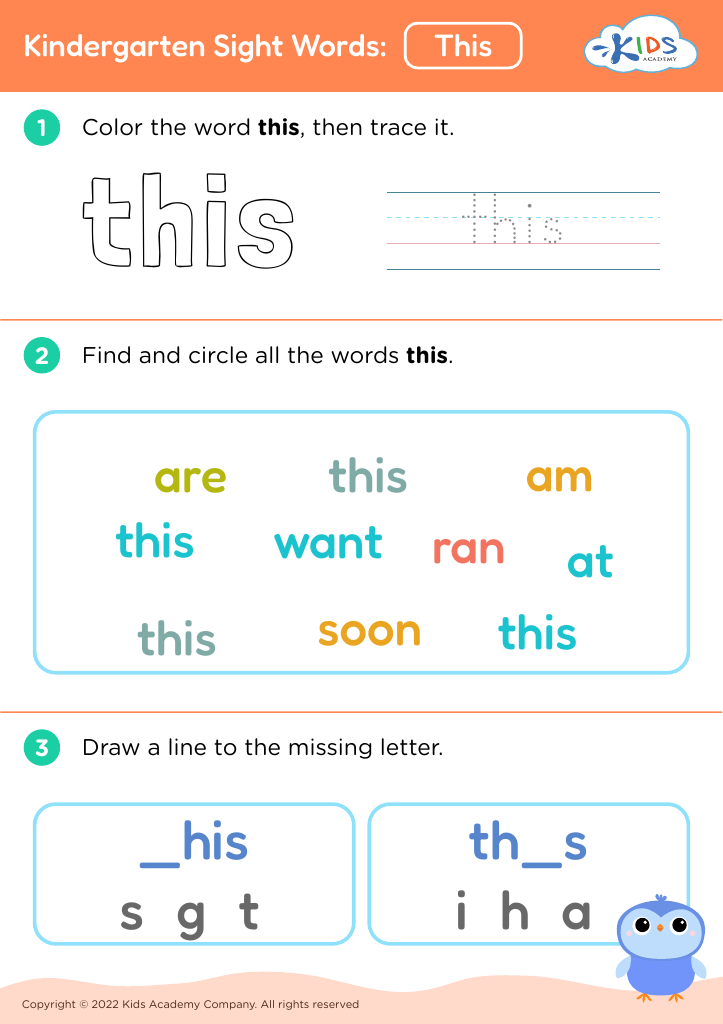
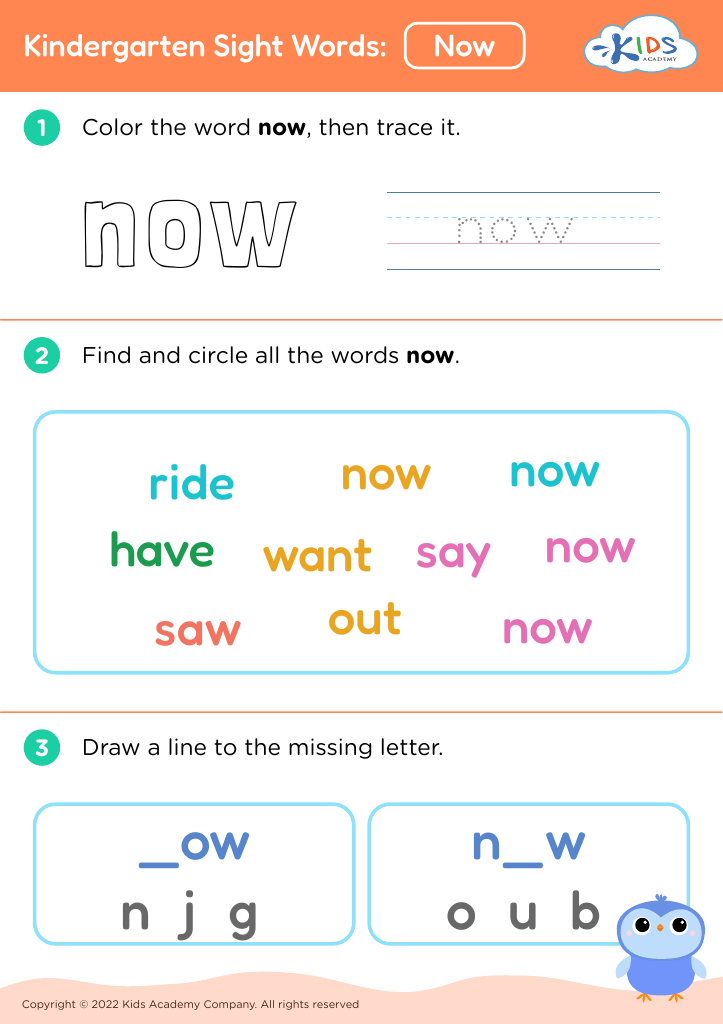
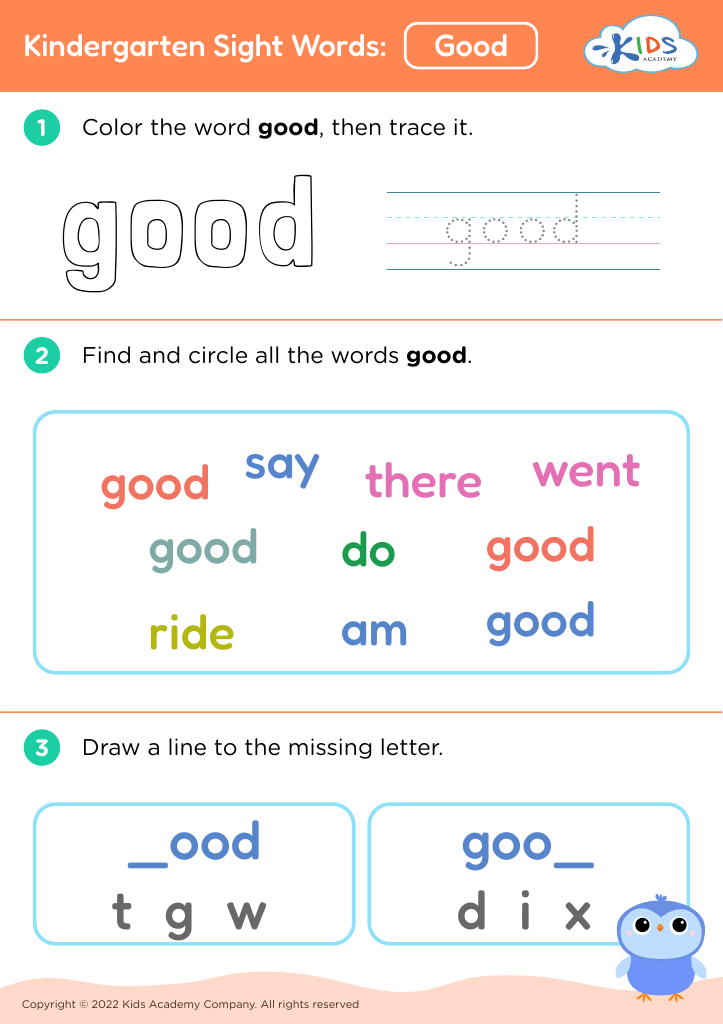
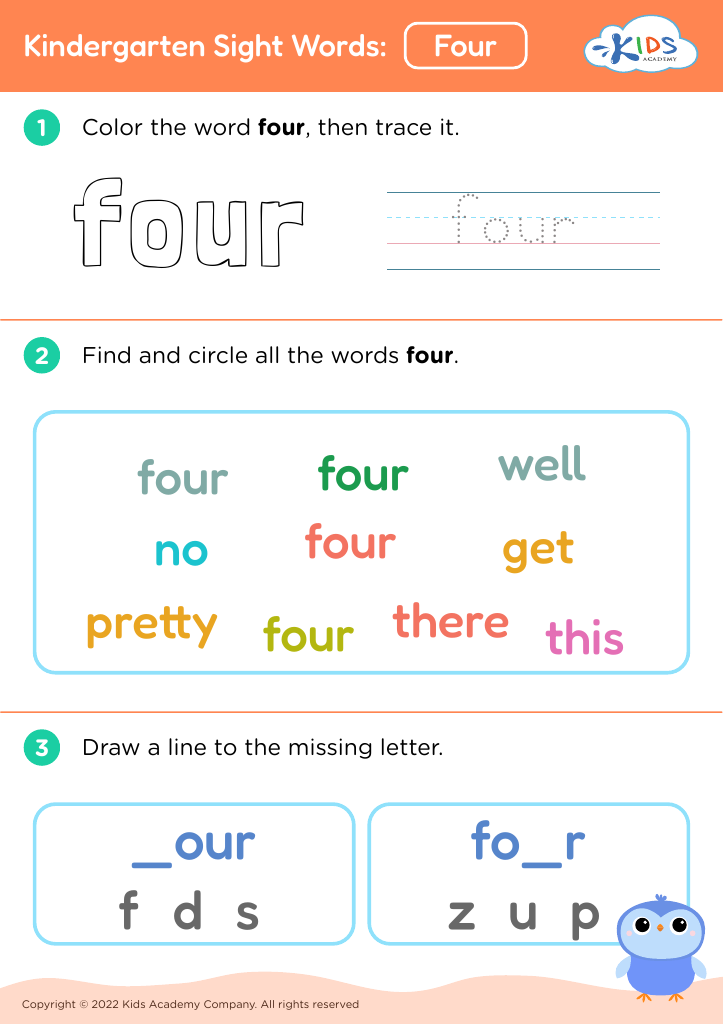
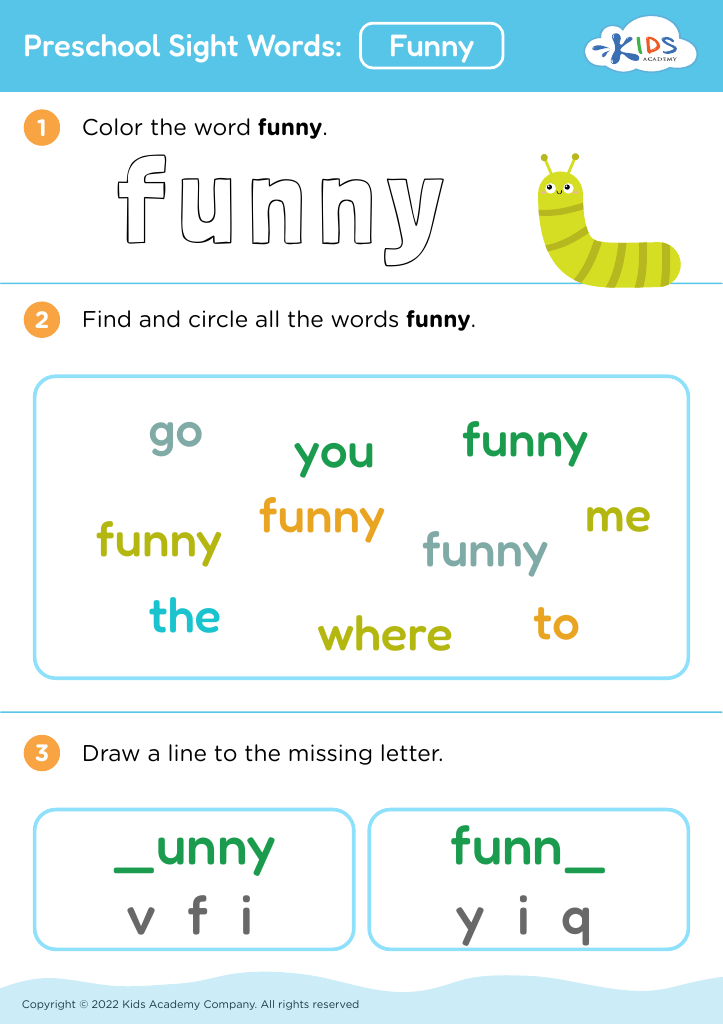
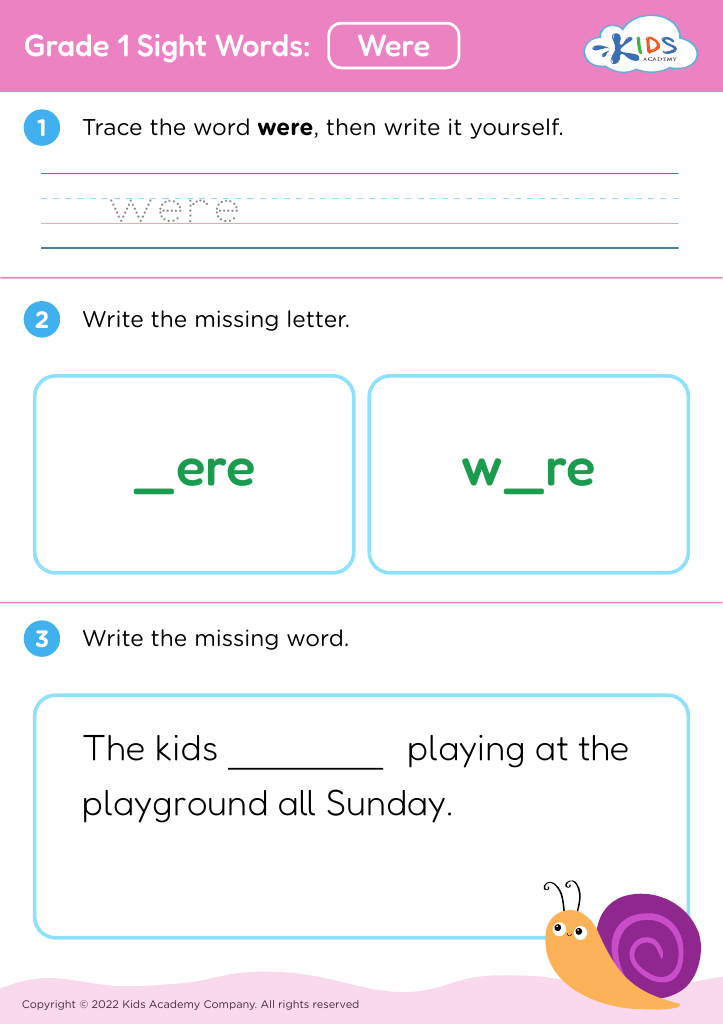
Boost your child's early learning with our engaging Number Recognition Sight Words Worksheets, tailored for ages 4-6. These worksheets seamlessly combine number recognition and sight word practice, helping young learners develop essential skills in a fun and interactive way. Each activity is designed to improve counting ability and vocabulary, ensuring children grasp foundational concepts while enjoying the learning process. Perfect for parents and teachers, our resources offer a variety of exercises that cater to different learning styles, making mathematics and literacy a delightful adventure. Start your child’s journey towards educational success with these versatile and stimulating worksheets today!
Favorites
With answer key
Interactive




Join Kids Academy for Free
Who is primarily going to use this learning content?






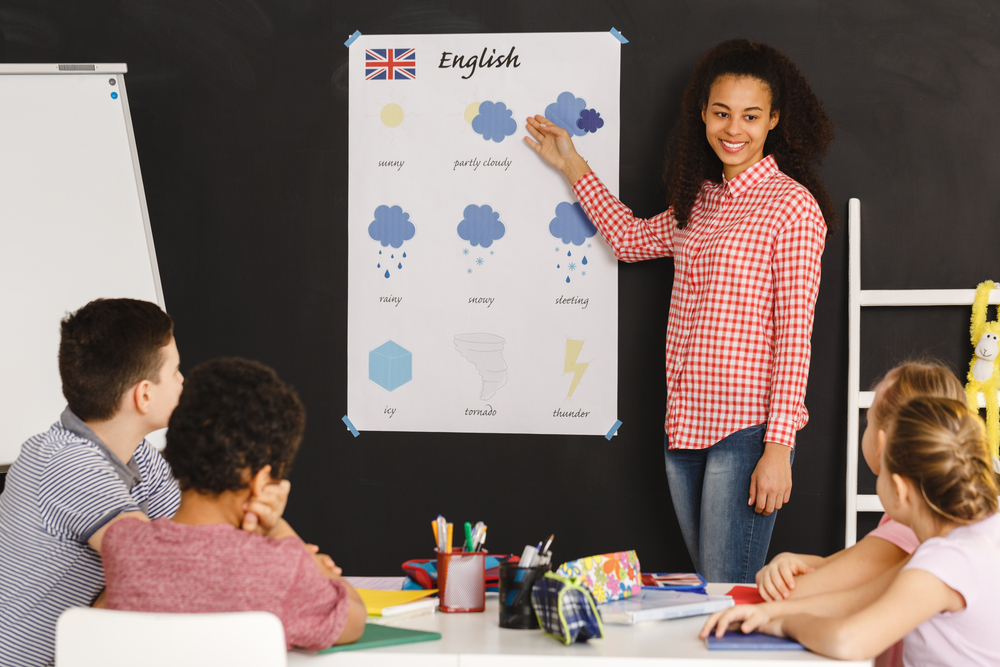

Number recognition and sight words are foundational skills for early literacy and numeracy development in children ages 4-6. Parents and teachers should care about these areas because they are essential for building a strong academic framework.
Number recognition, which involves the ability to identify and understand numbers, is critical for cognitive development and helps children develop mathematical concepts such as counting, addition, and subtraction. Recognizing numbers is a precursor to more complex mathematical skills that children will encounter in later grades.
Sight words, on the other hand, are commonly used words that children are encouraged to memorize by sight, rather than sounded out phonetically. Mastering sight words facilitates reading fluency and comprehension, allowing children to engage more readily with books and educational materials. When children recognize sight words, it boosts their confidence and encourages a love for reading, which is essential for lifelong learning.
Both number recognition and sight words enhance children's communication and problem-solving abilities, making them essential in the classroom and beyond. By prioritizing these skills, parents and teachers can help ensure that young learners are prepared for future academic challenges and foster a positive attitude toward learning. Early intervention and practice in these areas lay the groundwork for success.