Understanding bar graphs Sight Words Worksheets for Ages 4-6
3 filtered results
-
From - To
Discover our "Understanding Bar Graphs Sight Words Worksheets" designed specifically for ages 4-6! These engaging worksheets blend early literacy and math skills as young learners familiarize themselves with bar graphs while reinforcing their sight word vocabulary. Each activity encourages children to interpret data visually, promoting critical thinking and analytical skills in a fun way. With colorful illustrations and interactive content, kids will stay motivated and inspired to learn. Ideal for both classroom settings and at-home practice, our worksheets support early education milestones while making learning enjoyable. Get started today and watch your child become a confident reader and budding mathematician!

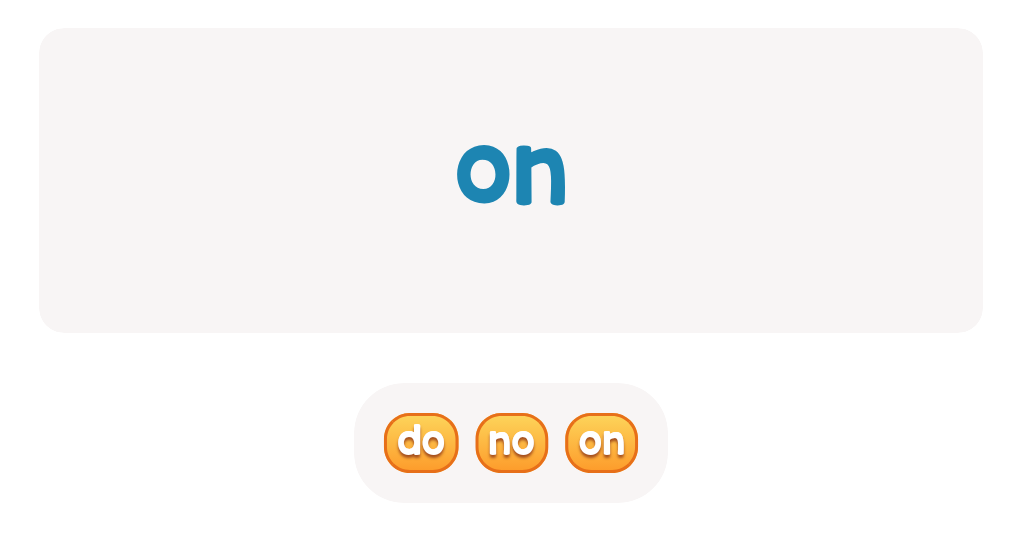
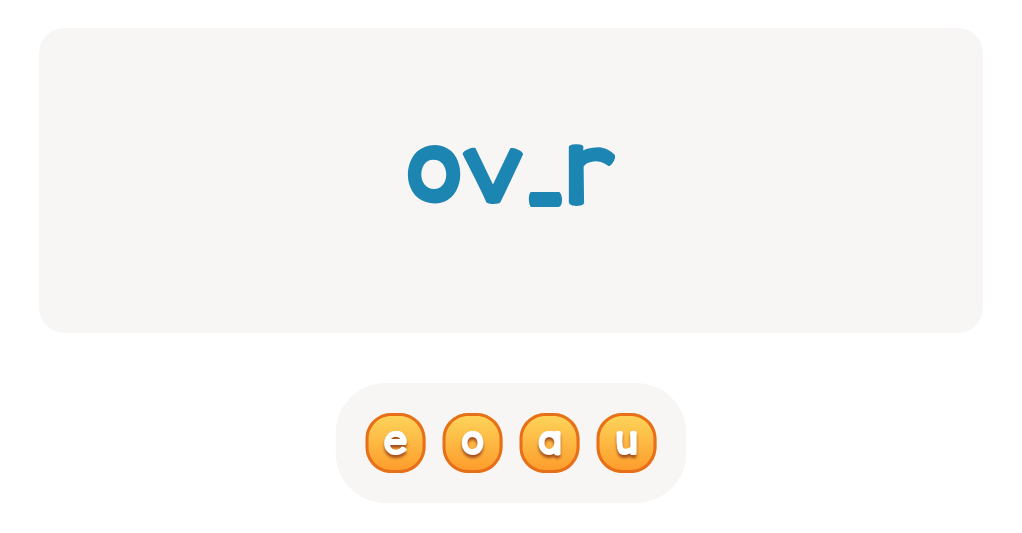
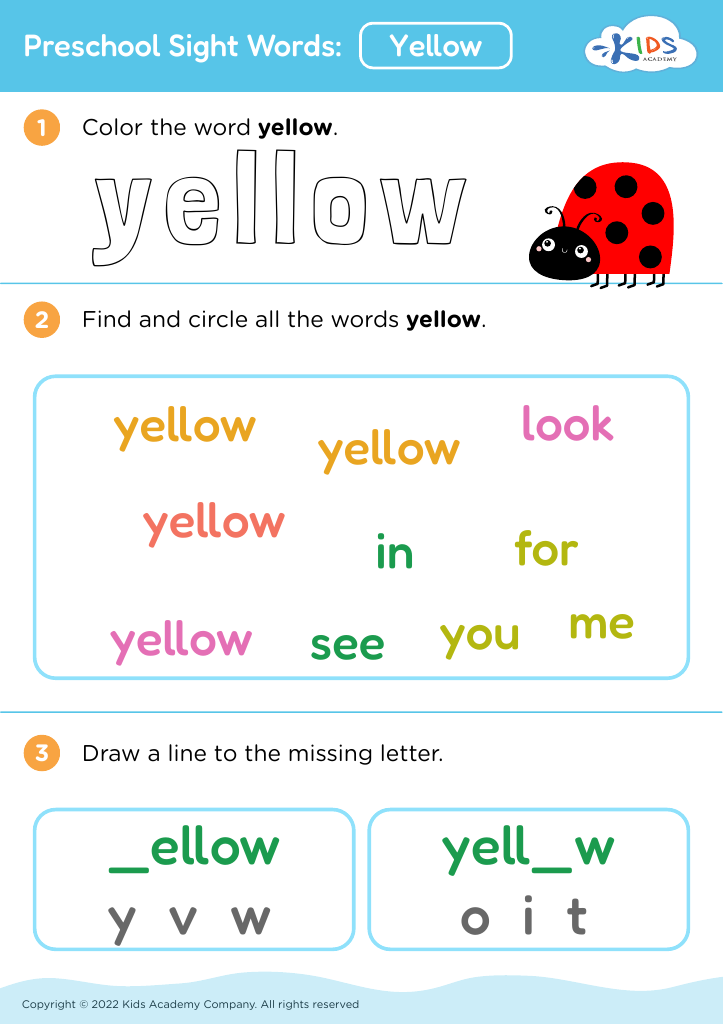
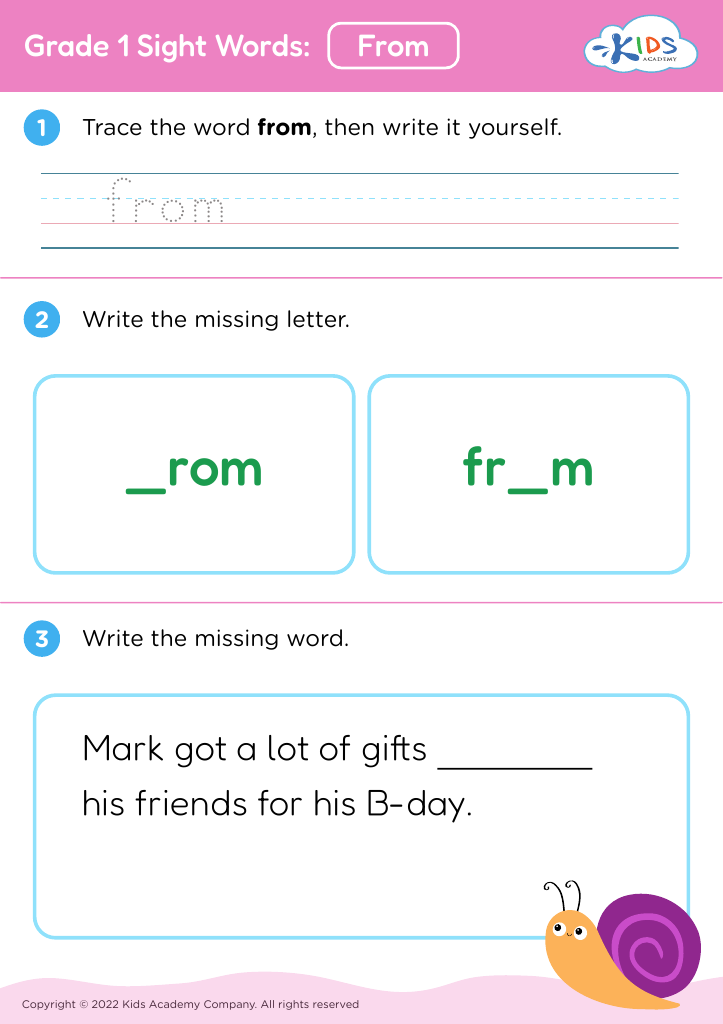







Understanding bar graphs is essential for children aged 4-6 as it lays a foundation for critical thinking and data interpretation skills. At this age, introducing sight words within the context of bar graphs encourages young learners to engage with statistical concepts while enhancing their vocabulary. When children can visualize information clearly, they develop a better understanding of comparisons, quantities, and relationships between different categories.
Parents and teachers should care about this integration because it cultivates a sense of curiosity and analytical skills necessary for future learning. By linking familiarity with sight words to data visualization, children become more confident in reading and interpreting everyday graph scenarios they'll encounter in school and life. This early exposure to data literacy supports overall cognitive development and prepares children for more complex math skills.
Encouraging activities around bar graphs can also foster collaboration, as parents and teachers can engage in discussions about the data represented. This interaction enhances the child's social and communication skills, paving the way for a holistic educational experience. Furthermore, recognizing the connections between language and mathematics strengthens learning, creating well-rounded individuals who can approach various subjects with confidence.