Sentence construction Grammar Worksheets for Ages 4-6
5 filtered results
-
From - To
Enhance early literacy skills with our engaging Sentence Construction Grammar Worksheets designed for ages 4-6! These fun, interactive worksheets help young learners identify and organize words to create complete sentences. By practicing with delightful illustrations and age-appropriate activities, children will develop their grammar proficiency while boosting their creativity and writing confidence. Our resources align with educational standards, making learning both effective and enjoyable. Perfect for home or classroom use, these worksheets provide endless opportunities for exploration and growth in sentence structure. Start your child's writing journey today and lay a solid foundation for their future communication skills!
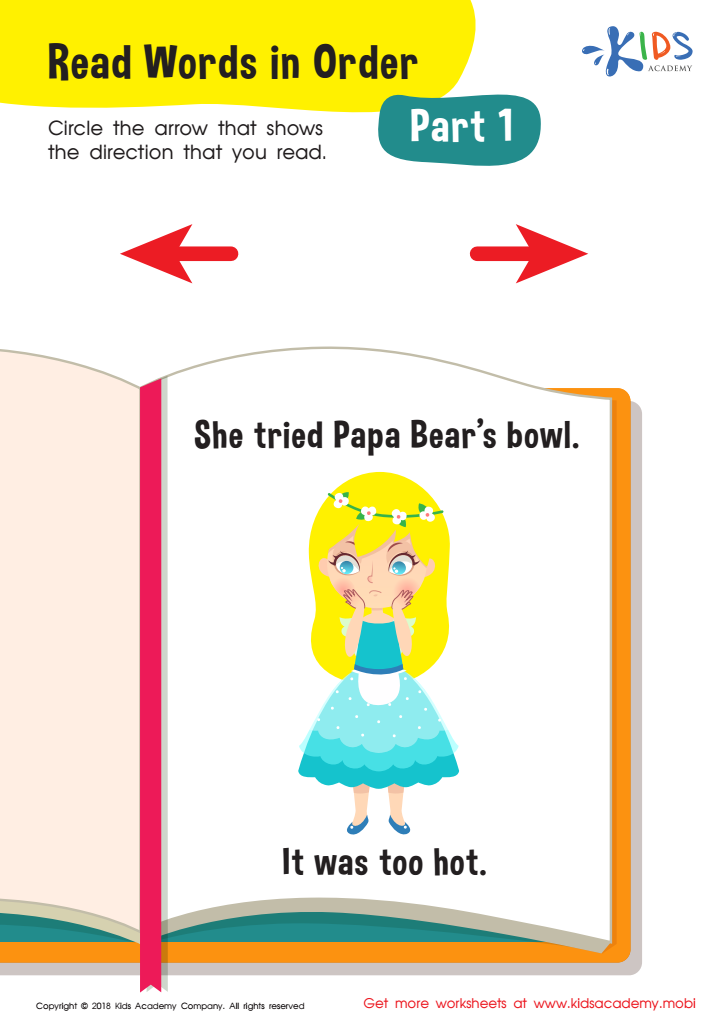
Read Words Order Part 1 Worksheet
 Assign to My Students
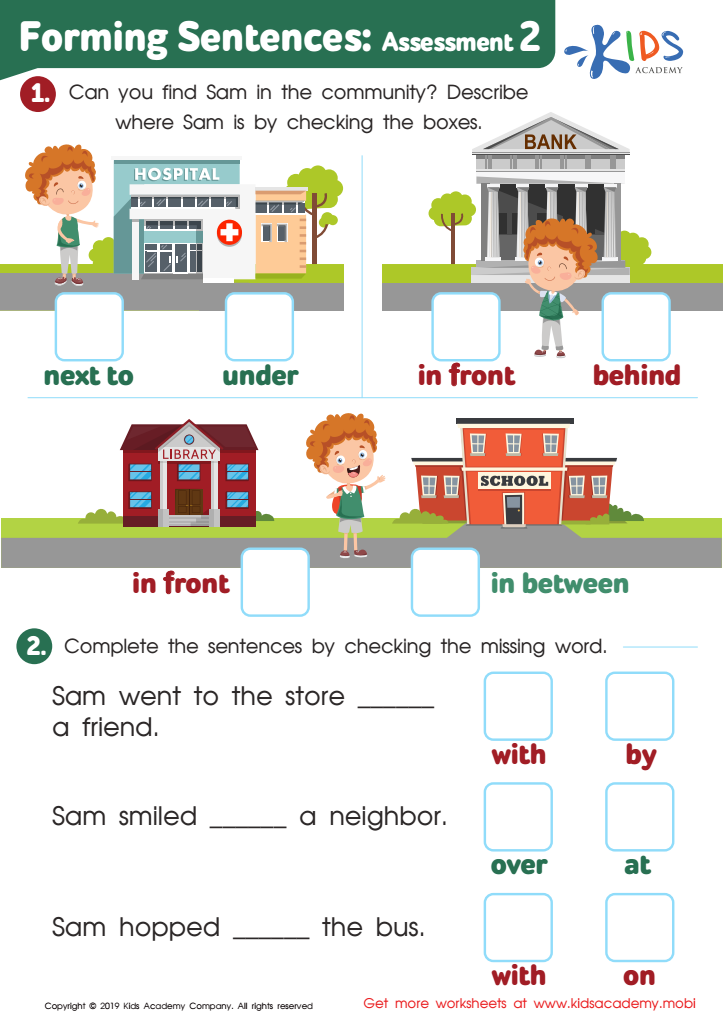
Forming Sentences: Assessment 2 Worksheet
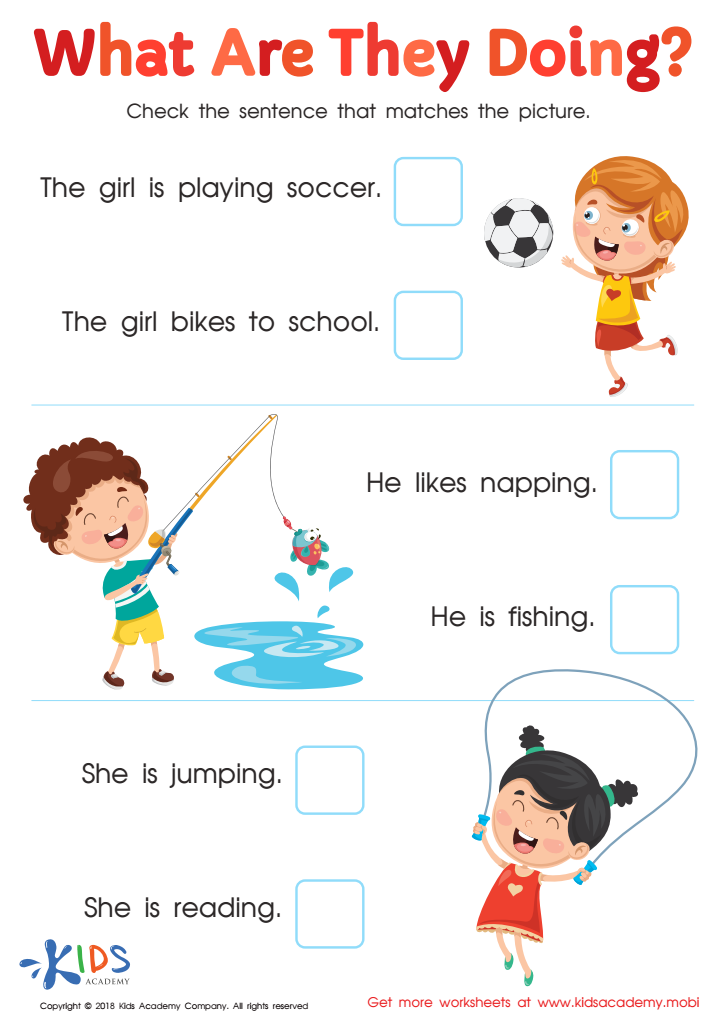
What Are They Doing? Worksheet
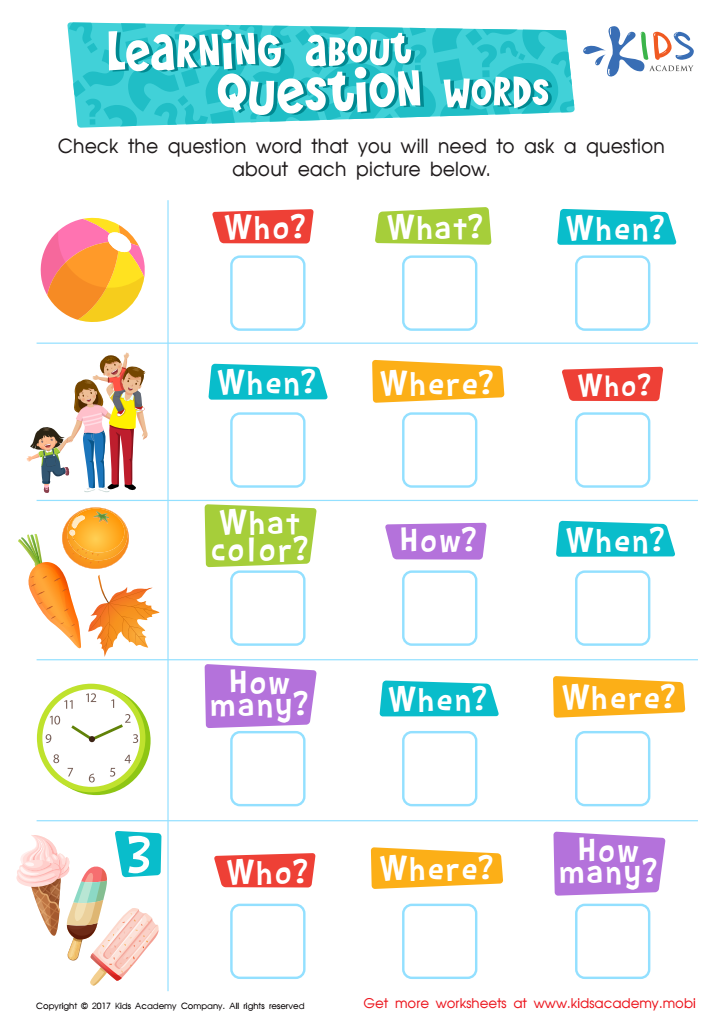
Learning about Question Words Worksheet
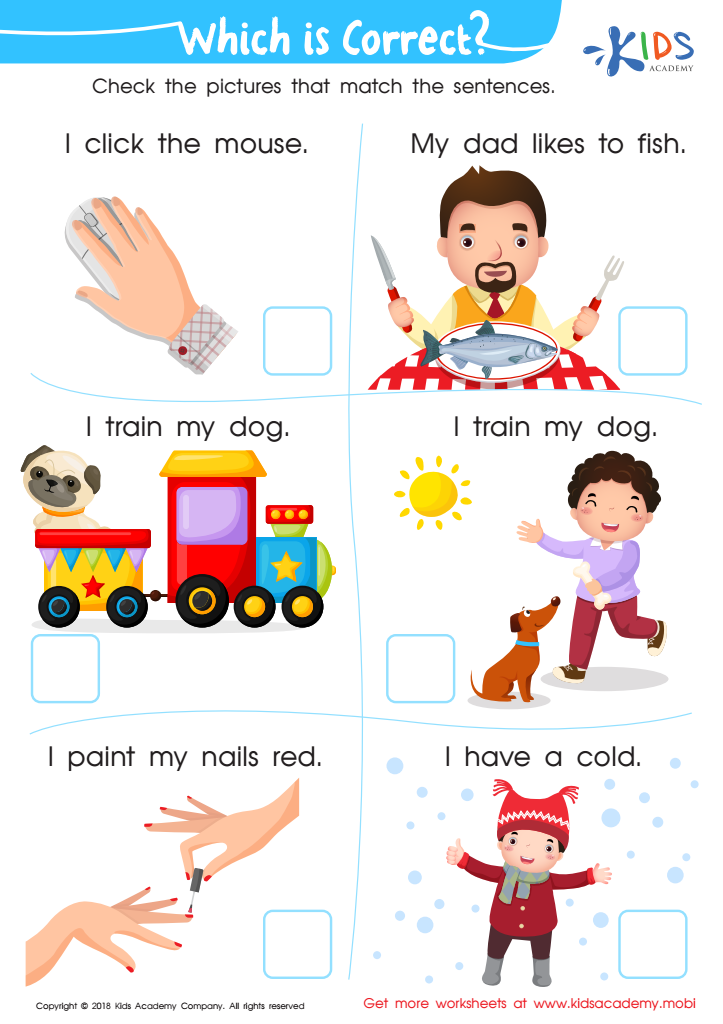
Which Is Correct? Worksheet






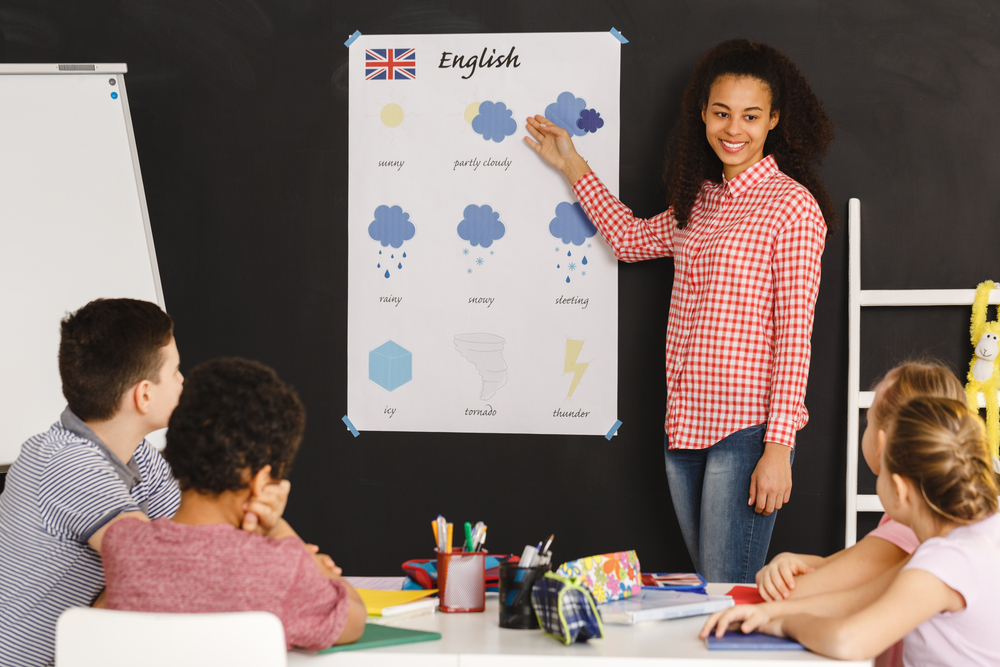

Sentence construction and grammar are foundational skills that significantly impact a child's overall literacy and communication abilities, especially for ages 4-6. During this developmental stage, children begin to understand how language works, and the way sentences are formed plays a crucial role in their ability to express thoughts clearly.
Parents and teachers should care about sentence construction from an early age because it fosters cognitive development. As children learn to combine words into sentences, they enhance their vocabulary, gain a better understanding of concepts like subject-verb agreement, and develop critical thinking skills. This foundational knowledge allows them to comprehend and communicate more effectively, which is vital for their academic success.
Furthermore, strong grammar skills promote confidence in speaking and writing, helping children feel more competent as they engage in conversations and school activities. Engaging with sentence construction through playful activities, like storytelling or filling in the blanks, makes learning enjoyable and reinforces a child's natural curiosity about language. By prioritizing grammar skills in these formative years, parents and teachers equip children with essential tools for effective communication, ultimately influencing their educational trajectory and personal growth.








