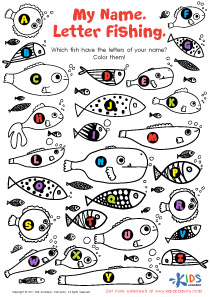
Alphabet understanding ABC Order Worksheets for Ages 4-7
3 filtered results
Difficulty Level
Grade
Age
-
From - To
Subject
Activity
Standards
Explore our engaging Alphabet Understanding ABC Order Worksheets designed for children ages 4 to 7! These interactive resources help young learners recognize letters, improve their alphabetic skills, and understand the concept of alphabetical order. Each worksheet is thoughtfully crafted to make learning fun, featuring colorful illustrations and age-appropriate activities. As kids practice sorting letters and organizing words alphabetically, they'll develop essential literacy skills and boost their confidence in reading and writing. Perfect for classroom or at-home use, our worksheets support foundational learning in a playful and effective way. Start your child’s alphabet journey today with our dynamic worksheets!
Favorites
With answer key
Interactive
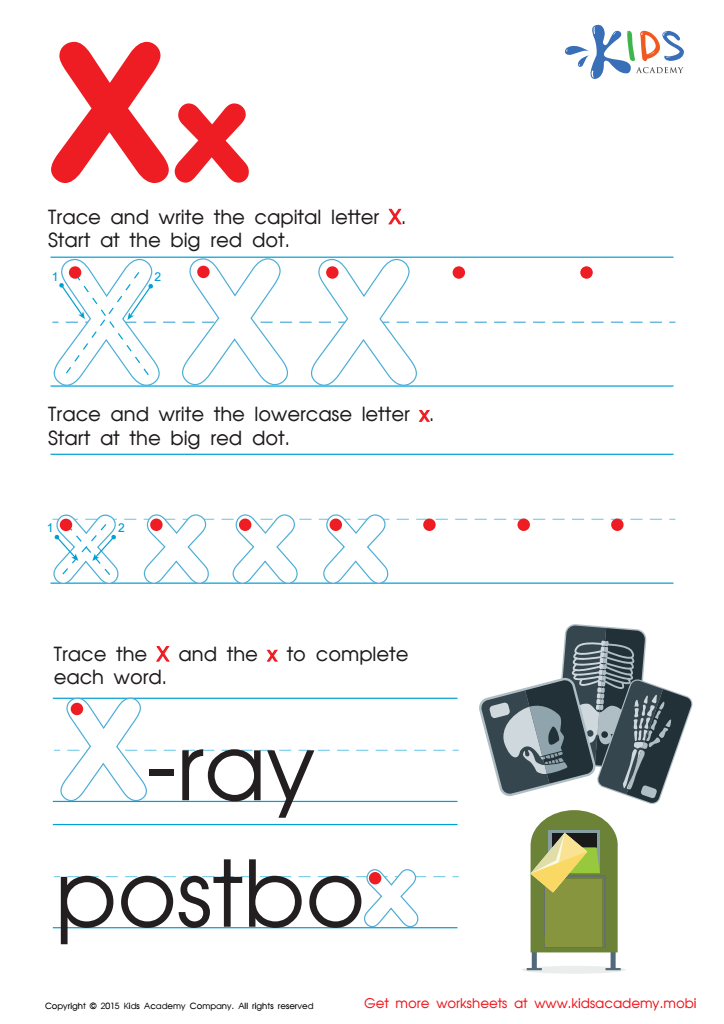
Letter X Tracing Page
Trace the uppercase letter "X" to learn, then write it yourself and practice. Then do the same with the lowercase "x" before completing the words "X-ray" and "postbox". Enjoy our alphabet printables!
 Assign to My Students
Letter X Tracing Page
Worksheet



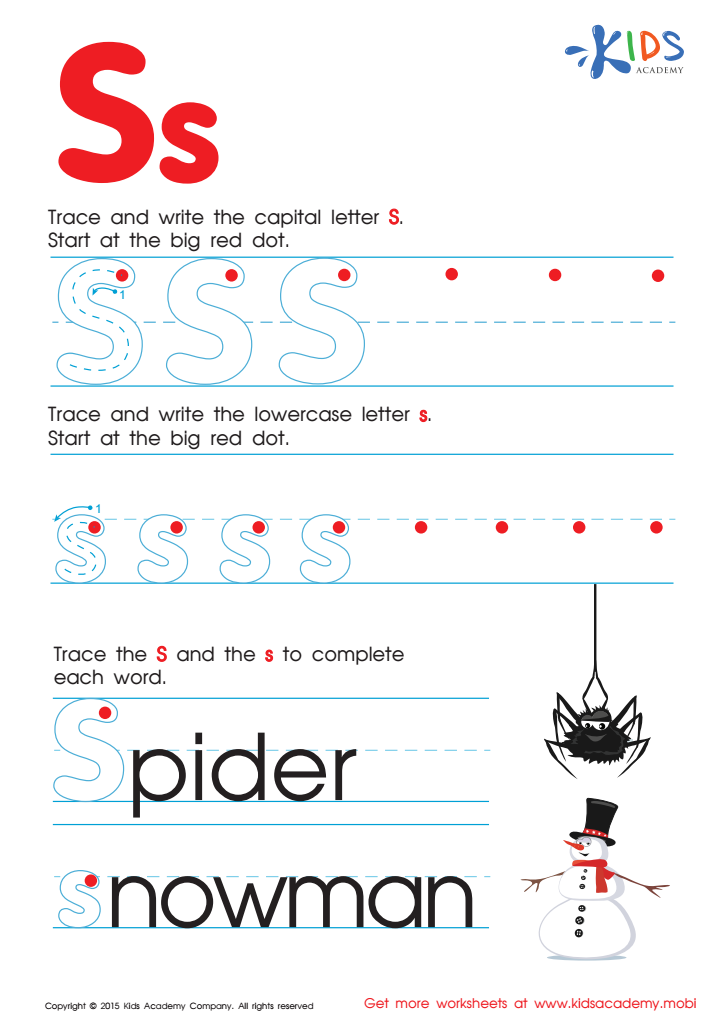
Letter S Tracing Page
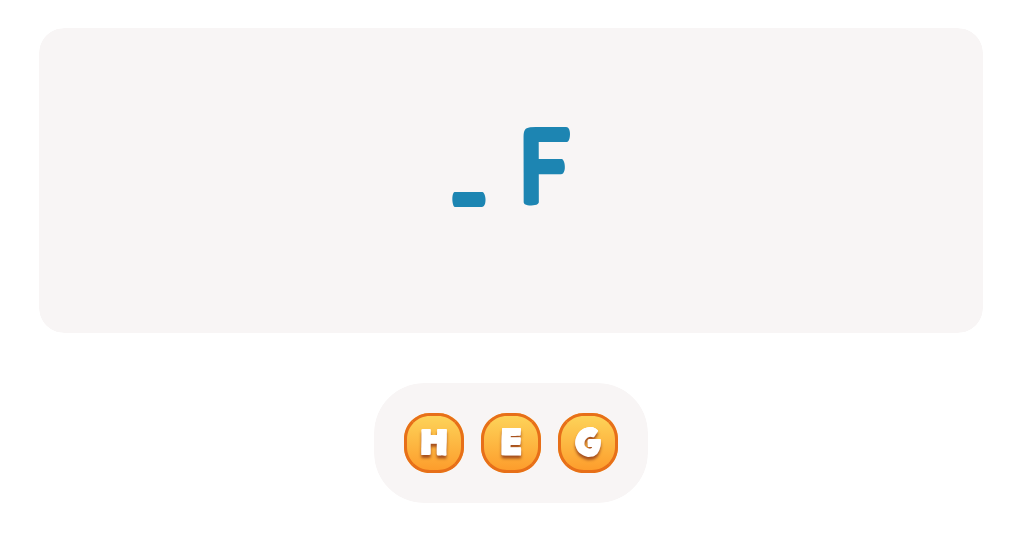
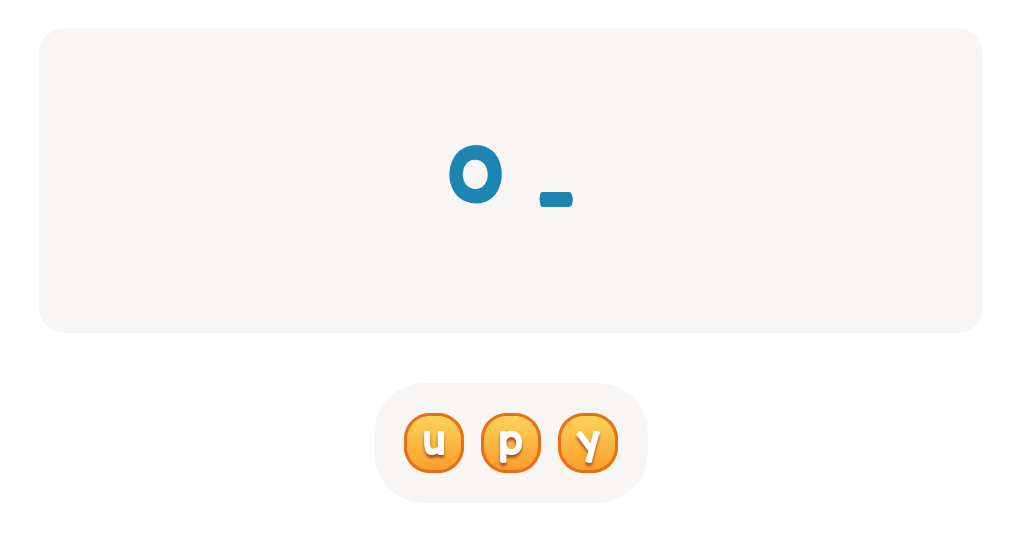
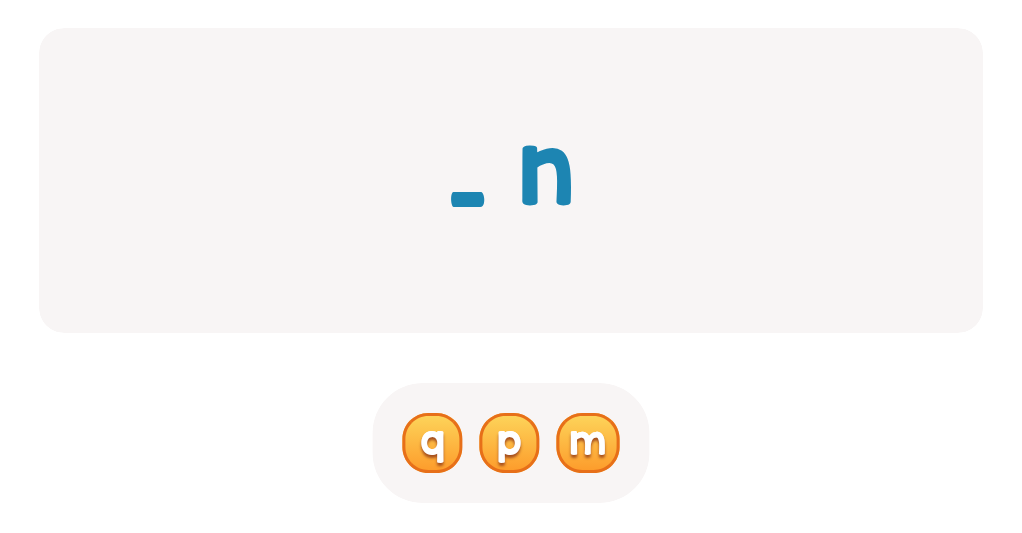
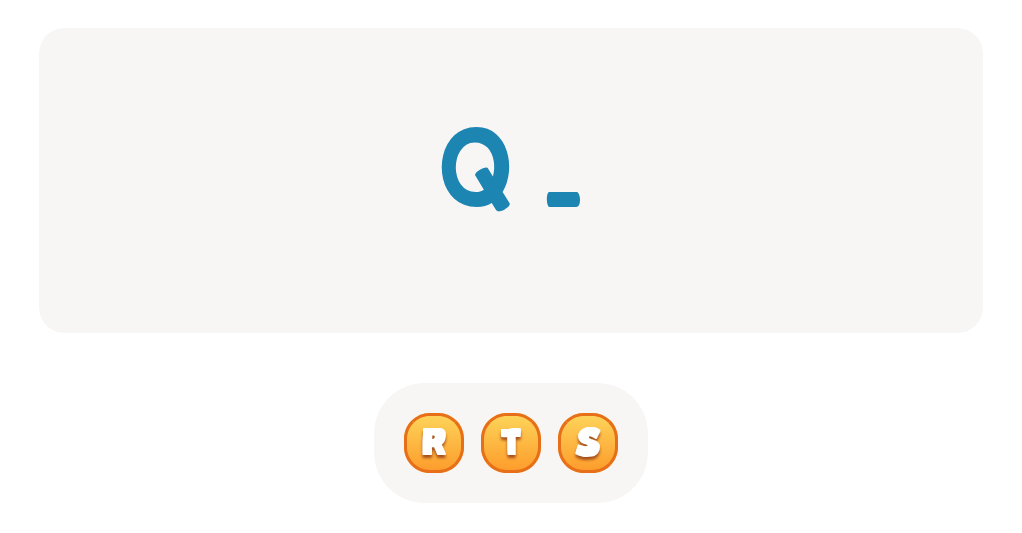
Trace and write the capital and lowercase "S" on this ABC worksheet for kindergarten. Start with the big red dot and be careful. When you finish, help the spider and snowman in the pictures restore their words with the capital and lowercase letters. Continue learning the alphabet with Kids Academy.
Letter S Tracing Page
Worksheet
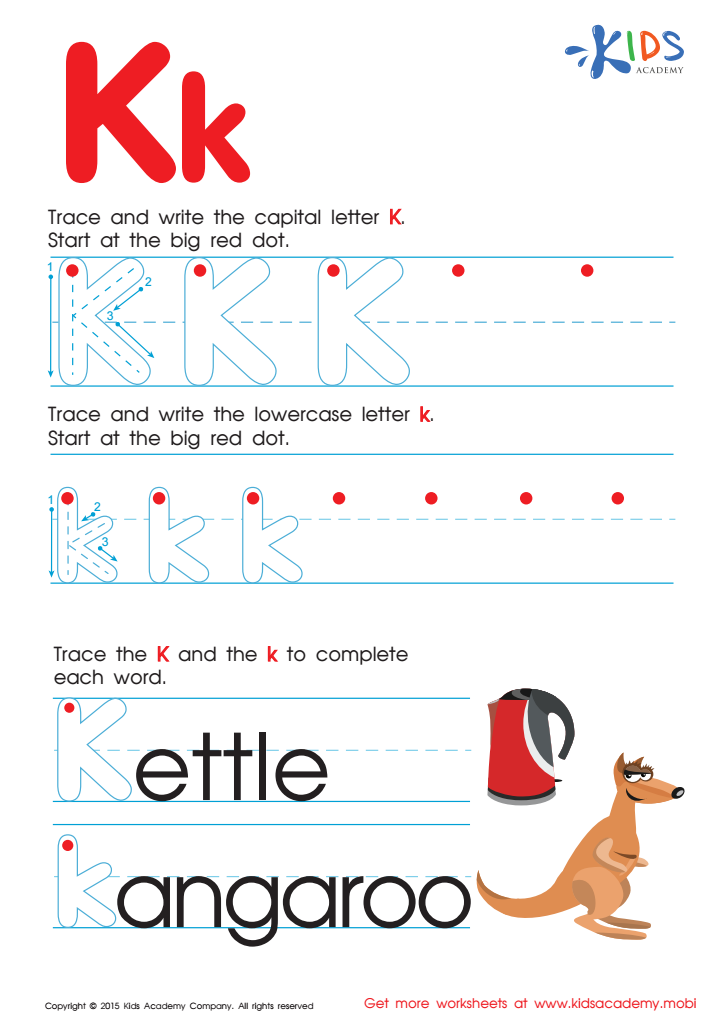
Letter K Tracing Page
Trace and write the letter K; start at the big red dot. Use it to complete words like "Kettle" and "Kangaroo". Visit Kids Academy for more free alphabet worksheets for kindergarten.
Letter K Tracing Page
Worksheet
Join Kids Academy for Free
Who is primarily going to use this learning content?








Understanding the alphabet and recognizing ABC order is crucial for children aged 4-7 as it lays the foundation for literacy and cognitive development. Mastery of the alphabet is pivotal for early reading skills; knowing letter sounds and their sequence enables children to decode words effectively. When children learn to arrange letters in ABC order, they enhance their phonemic awareness, which is essential for reading.
Furthermore, alphabet knowledge aids in vocabulary development. Children who grasp this concept are more likely to engage with books, recognizing familiar words and expanding their language abilities. This engagement fosters curiosity, critical thinking, and a love for reading, which are vital in a child's educational journey.
In addition, understanding ABC order supports organizational skills. Learning how to alphabetize helps children navigate libraries and categorize information, essential skills as they progress academically.
Moreover, involving parents and caregivers in this learning process can strengthen bonds. Activities like songs, games, and spelling with everyday items can make learning enjoyable, reinforcing bonds within the family. Overall, the focus on alphabet understanding, specifically in ABC order, cultivates a well-rounded approach to literacy that benefits children well beyond the early years, equipping them for future learning challenges.