Alphabet Recognition Lowercase/Small Letters Worksheets for Ages 4-7
9 filtered results
-
From - To
Unlock the joy of learning with our engaging Alphabet Recognition worksheets designed specifically for children ages 4-7. These printable resources encourage young learners to explore and identify lowercase letters through fun activities and colorful illustrations. Each worksheet focuses on enhancing visual recognition skills, letter formation, and phonetic awareness. Perfect for homeschooling and classroom use, our activities promote interactive learning and foster confidence as kids master the alphabet. Watch as they gain essential foundational skills while enjoying meaningful play and creativity. Download our Alphabet Recognition Lowercase/Small Letters worksheets today and inspire a lifelong love for reading and writing in your little ones!
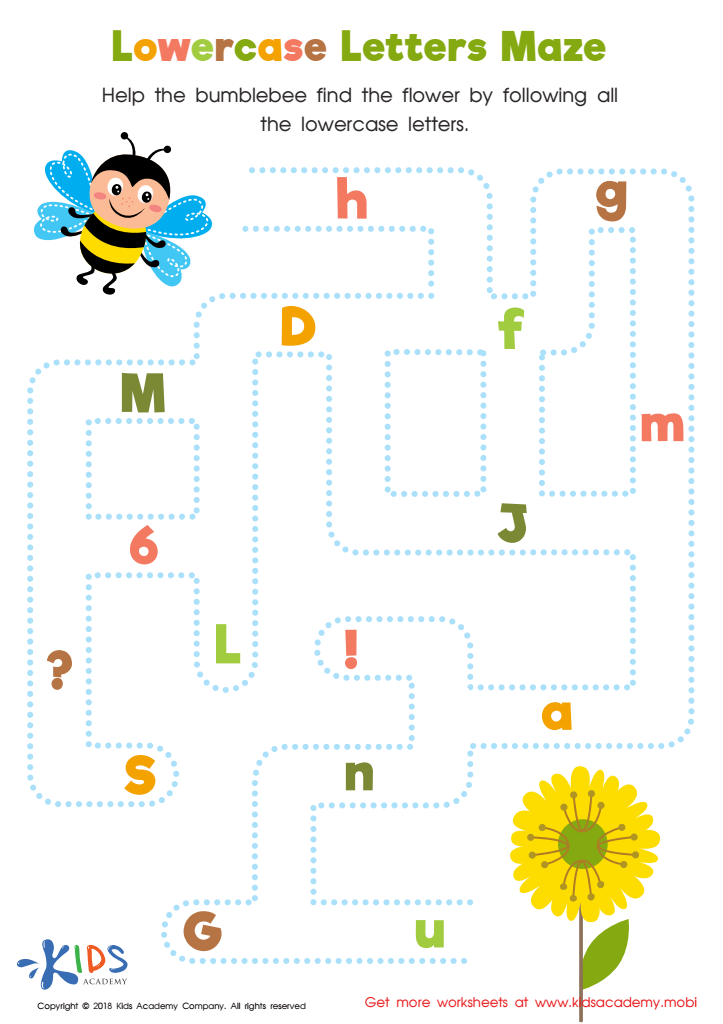
Lowercase Letters Maze Worksheet
 Assign to My Students
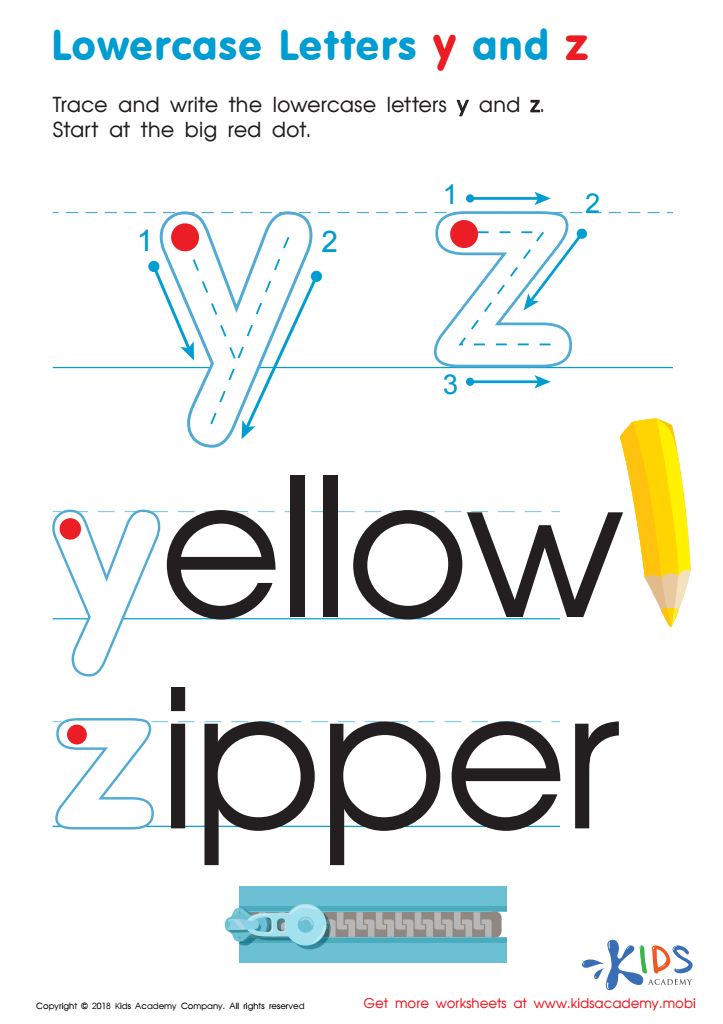
Lowercase Letters y z Worksheet
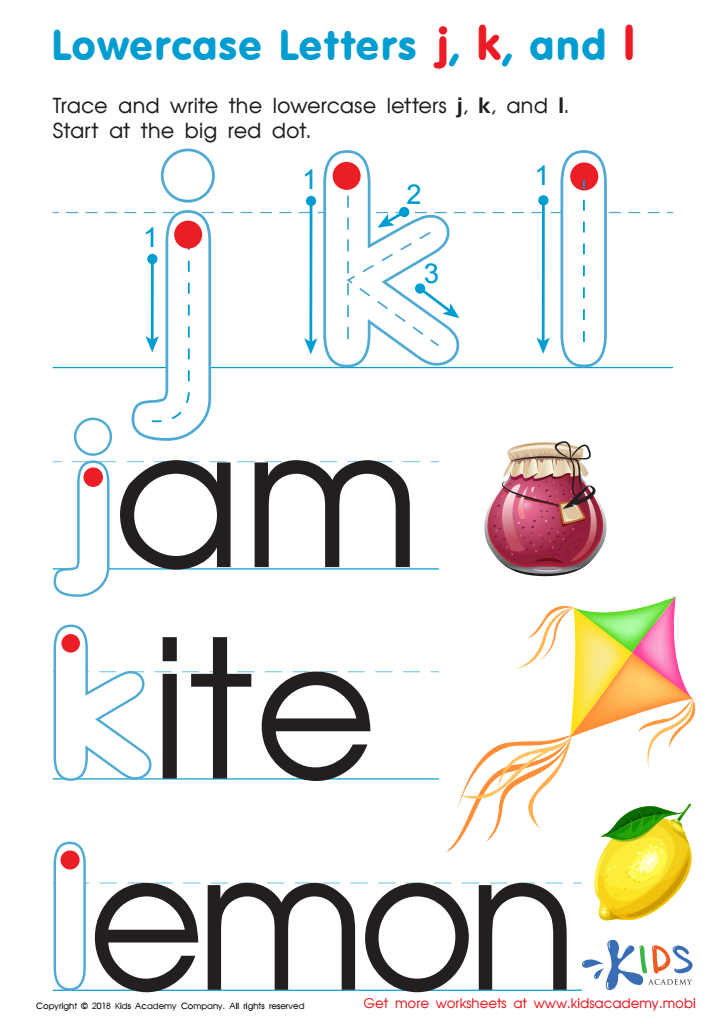
Lowercase Letters j k l Worksheet
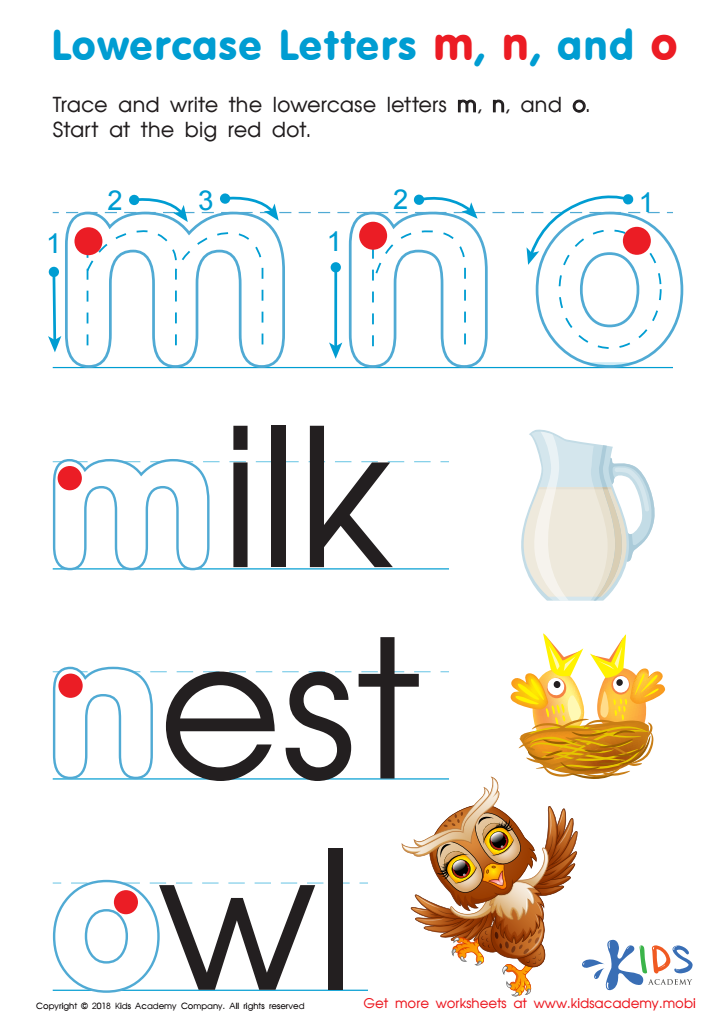
Lowercase Letters m n o Worksheet
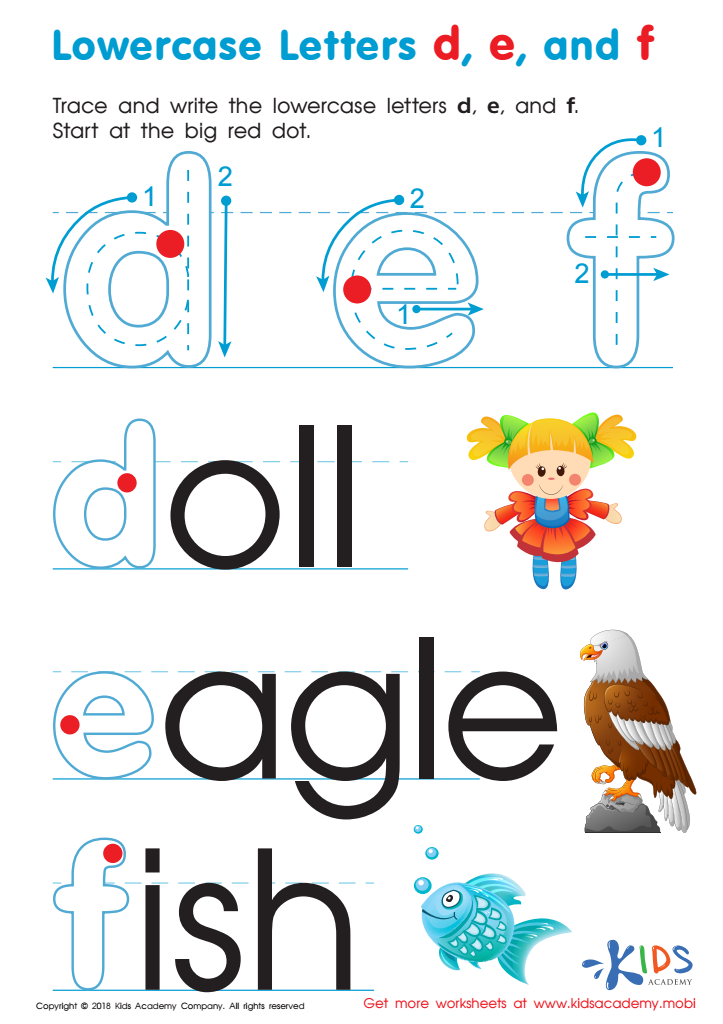
Lowercase Letters d e f Worksheet
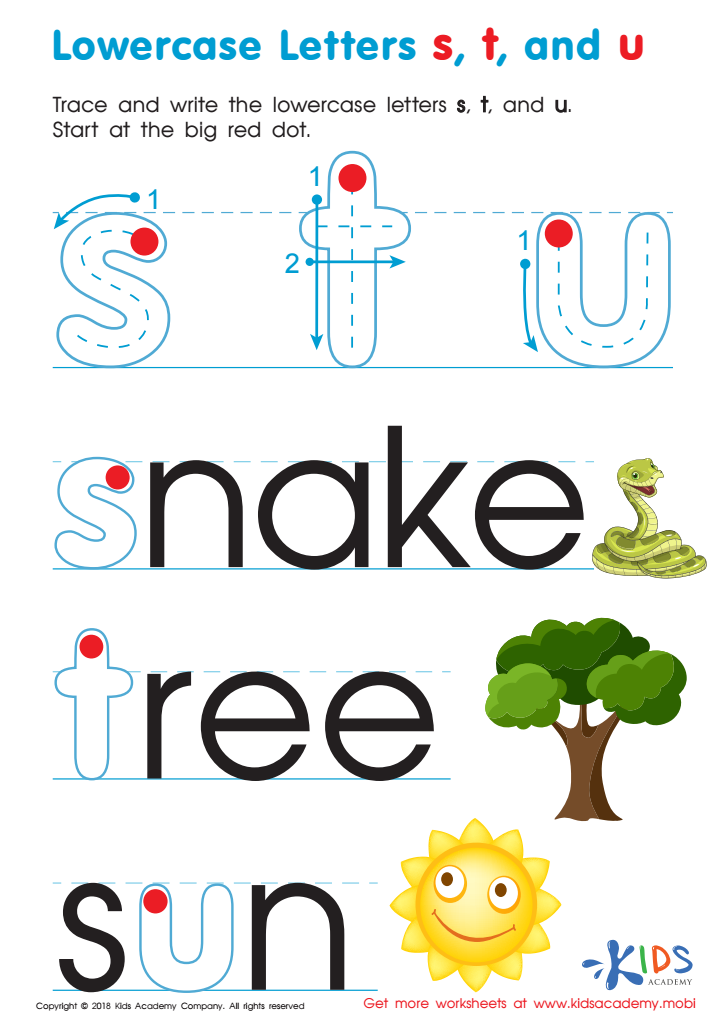
Lowercase Letters s t u Worksheet
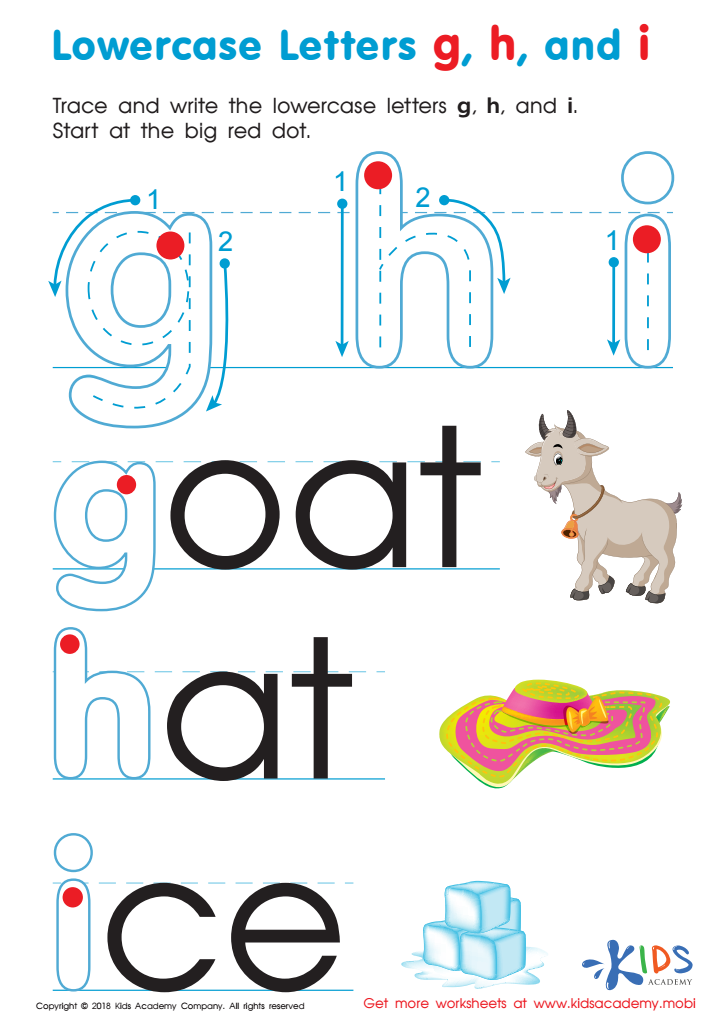
Lowercase Letters g h i Worksheet
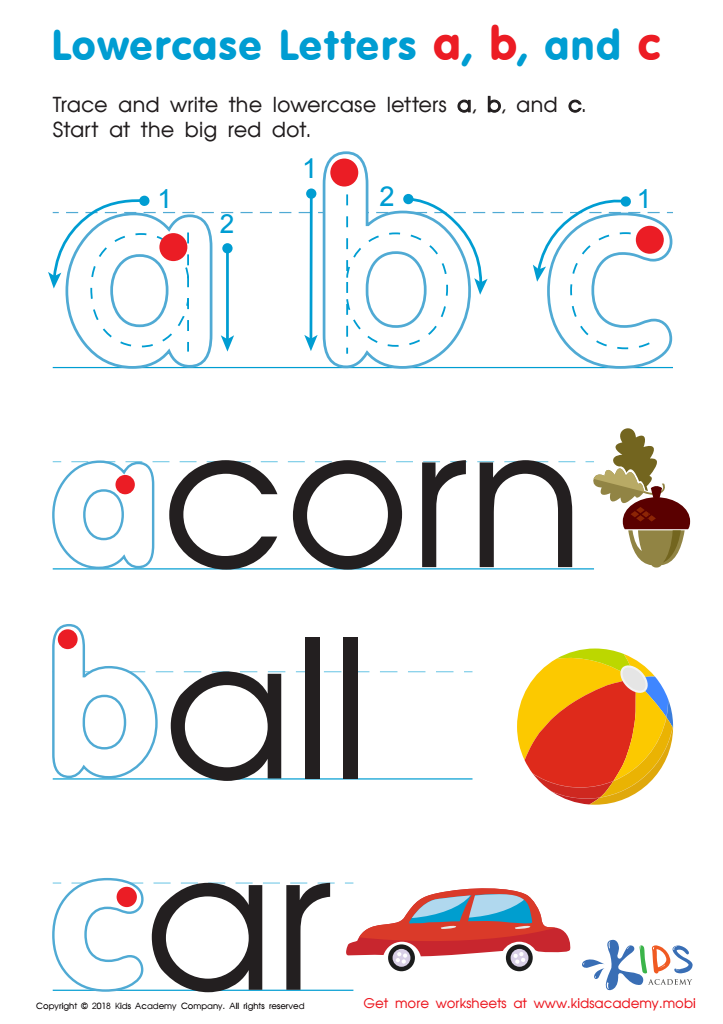
Lowercase Letters a b c Worksheet
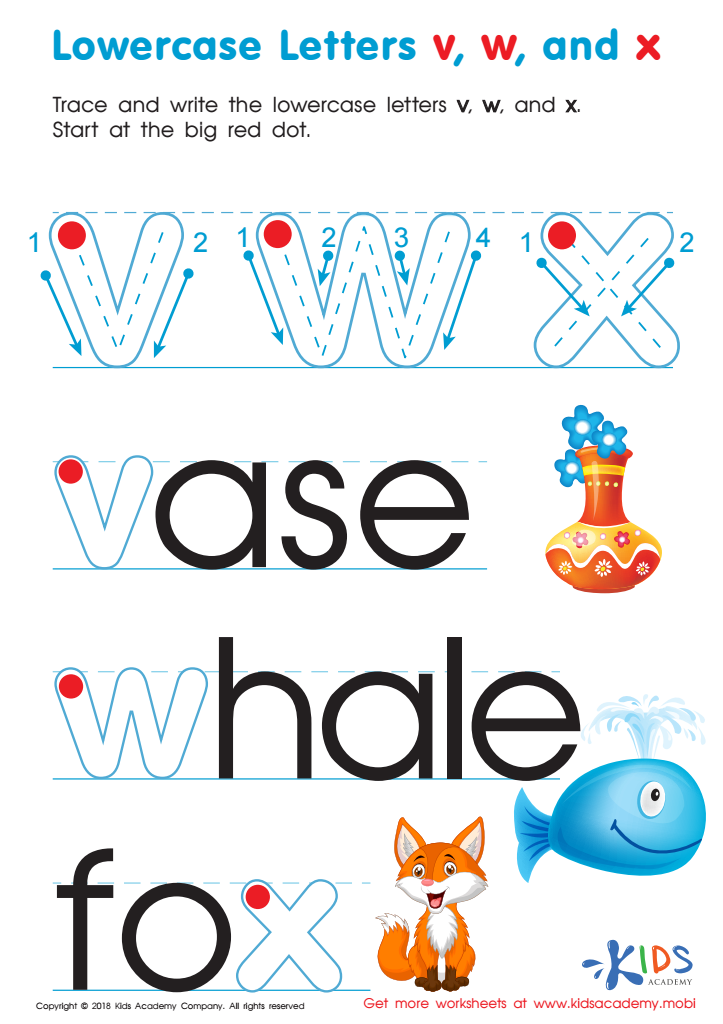
Lowercase Letters v w x Worksheet


Alphabet recognition, particularly of lowercase letters, is a fundamental skill for children aged 4 to 7. This phase is critical as it lays the groundwork for reading and writing proficiency later in life. Lowercase letters are used frequently in texts, and understanding them helps children make sense of the written language they encounter daily, from books to labels and signs.
For parents and teachers, fostering alphabet recognition not only enhances literacy skills but also builds a child’s confidence. When children can recognize and correctly identify lowercase letters, they are more empowered to begin writing their names, understanding basic words, and expressing themselves through writing. This recognition is crucial when they delve into phonics, wherein letter-sound relationships form the basis for decoding words.
Moreover, nurturing an engaging and explorative environment for learning lowercase letters can ignite a love for reading and writing. It opens doors to communication, creativity, and cognition, all essential for a child's educational development. Overall, investing time and resources into teaching and reinforcing lowercase letter recognition can significantly impact a child's academic journey and lifelong learning aspirations. Thus, this foundational skill should be a priority for both parents and teachers alike.